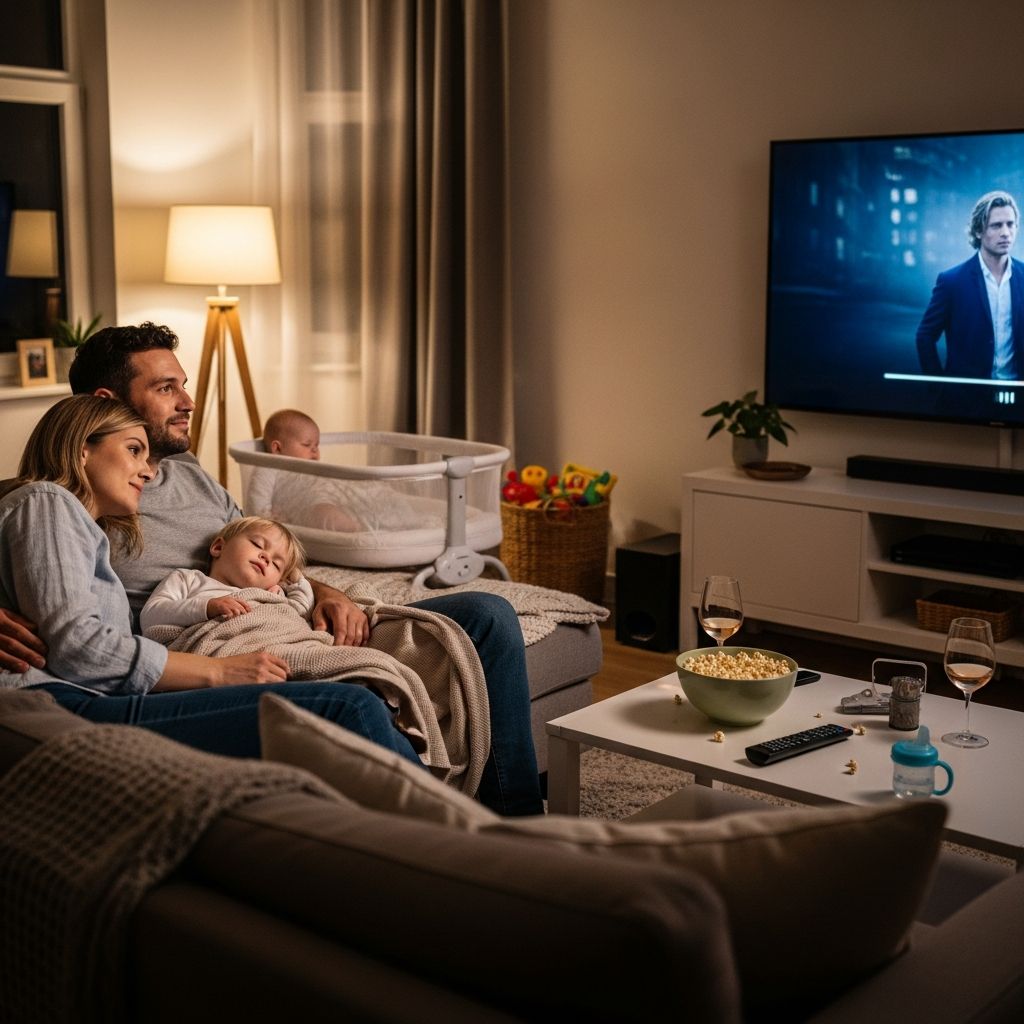
Becoming a parent changes almost everything about daily life, including how and when you can sit down to watch an entire movie from start to finish. This guide offers realistic strategies, tools, and mindset shifts that help you enjoy new films again without sacrificing sleep, work, or precious time with your kids.
Why Watching Movies Feels Impossible After Kids
Before children, a movie night used to be spontaneous: pick a title, hit play, and maybe even watch a second film. Once babies, toddlers, and homework enter the picture, a two-hour uninterrupted block can feel mythical. Many parents are surprised by how hard it becomes to keep up with new releases, let alone sit through them without being pulled away.
It is common to assume the only options are to give up on movies or stay up late and pay for it the next morning. In reality, the problem is rarely a lack of interest and mostly a lack of systems. With the right plan, technology, and expectations, parents can fit films into their week in ways that feel sustainable.
Rethinking What “Movie Night” Means
For many adults, “movie night” still conjures the image of a dark theater, big screen, and two solid hours of focus. That traditional model does not always survive the early parenting years. Instead of trying to recreate old routines, it helps to redesign what movie-watching looks like now.
Think of movies as a flexible experience rather than a fixed block of time. This might mean watching in segments, using different devices, or mixing solo and shared viewing. The result can be just as enjoyable, especially when it reduces pressure and guilt.
Micro-Movie Sessions
One powerful shift is to treat a movie like a short series instead of a single sitting. Splitting a film into manageable chunks gives you permission to stop when you are tired without abandoning it altogether.
- Watch in 20–40 minute chapters spread across a few nights.
- Pause at natural breaks, such as scene changes or new locations.
- Use the “resume” feature so you never waste time finding your place.
- Accept that finishing a movie in three days is still a win.
Designing a Weekly Movie Plan That Works
Movies happen more reliably when they are treated like intentional appointments instead of vague hopes. A loose weekly structure helps you avoid the endless scroll and bedtime debates about what to watch.
Start with a realistic look at your family’s schedule, energy levels, and child-care options. Then choose specific slots where movies make sense rather than trying to force them into already chaotic evenings.
Sample Weekly Movie Rhythm
| Day | Time Window | Movie Activity |
|---|---|---|
| Monday | Nap time or late evening | Solo 30–45 minutes of a current movie |
| Wednesday | After kids’ bedtime | Couple movie segment or trailer sampling night |
| Friday | Early evening | Family-friendly film with kids, even if unfinished |
| Sunday | Afternoon rest window | Finish any in-progress movie or start a new one |
This sample is only a starting point, but it shows how breaking up movie-watching into predictable, modest slots can turn it from a rare event into a recurring part of family life.
Using Technology So Movies Fit Your Life
Streaming platforms and devices are often framed as distractions, yet they can become powerful allies for tired parents when used intentionally. Instead of endless browsing, the goal is to build a streamlined system that gets you from “I want to watch something” to “the movie is playing” as quickly as possible.
Most streaming services now offer helpful features like watchlists, syncing across devices, and offline downloads. Learning how to use these tools well can reclaim a surprising amount of time.
Smart Ways to Use Streaming Features
- Create a dedicated watchlist labeled “Parent Movie Queue” so you do not have to scroll every time.
- Use profiles to separate your children’s content from adult selections, keeping recommendations more relevant.
- Enable autoplay for episodes but turn it off for movies if you want to avoid being tempted into late-night double features.
- Download a movie to a tablet or phone for travel, waiting rooms, or solo lunch breaks.
Second Screens and Headphones
While a giant TV can be nice, parents do not always have the freedom to sit in one room without interruption. Laptops, tablets, and even phones make it possible to fit movies around nursing sessions, late-night rocking, or quiet time in another room.
- Use wireless headphones so you can watch without waking a sleeping baby nearby.
- Prop a tablet on a stable surface while feeding or holding a child, keeping volume low and brightness gentle.
- Sync progress across devices so you can start a film on your TV, continue on your phone in bed, and finish on a laptop later.
Planning Child-Free Movie Time Without Guilt
Sometimes parents want to watch movies that are not appropriate for kids or simply long and emotionally demanding. For those films, child-free viewing time is ideal. Carving out that time is not selfish; it is a form of adult connection and rest.
Arranging it may take coordination, but even occasional child-free movie slots can make you feel far more connected to new releases and to your own interests outside parenting.
Child-Free Movie Night Ideas
- Swap babysitting nights with another family so each pair of parents gets a turn at a real movie night.
- Use a grandparent or trusted sitter for one “movie date” each month, either at home or in a theater.
- Consider daytime matinees when childcare costs may be lower and theaters less crowded.
- Plan a “home theater evening” where the sitter handles bedtime while you start a film on time in another room.
Making the Most of In-Theater Experiences
Streaming is convenient, but some films simply feel better on a big screen with popcorn in hand. Parents do not have to give up theater trips permanently; they just need to be more strategic about when and how they go.
Limited theater outings can become special events that you look forward to all month. Even if you only see a handful of movies in a theater each year, choosing them thoughtfully can keep the experience exciting.
Strategies for Theater Visits
- Choose shorter films when you know you will already be tired or anxious about getting back home.
- Pick reserved-seating showtimes so you can arrive right before previews instead of waiting in line.
- Combine errands with a matinee while a relative watches the kids, reducing extra trips.
- Look into theaters that host baby-friendly screenings with dim lights and lower volume.
Inviting Kids Into Your Movie World
Part of staying connected to movies as a parent is sharing the experience with your children at age-appropriate levels. Kid-friendly films, animated adventures, and gentle classics can all serve as a bridge between your interests and theirs.
When family movie time is thoughtful rather than random, children learn that stories, characters, and themes are worth paying attention to. This can spark discussions and help build family traditions.
Creating a Family Movie Culture
- Rotate who chooses the movie to give each person a sense of ownership.
- Introduce simple rituals: special blankets, themed snacks, or a short “preview pick” before the main film.
- Pause occasionally to explain confusing scenes or answer questions instead of shushing kids.
- Start a family notebook where kids draw scenes or characters from the films you watch together.
Picking the Right Movies for Your Energy Level
Not every evening calls for a complicated drama or intense thriller. Parents often give up on movies because they accidentally pick something that requires more attention than they have available at the end of a long day.
A simple classification system can help you match the film to your current mood and bandwidth, making it more likely that you will enjoy what you choose.
Movie “Energy Level” Guide
| Energy Level | Best Movie Types | When to Choose |
|---|---|---|
| Very Tired | Light comedies, comfort re-watches, short documentaries | After a hard day, when you can only manage 30–45 minutes |
| Moderately Tired | Action films, familiar franchises, gentle romances | When kids fell asleep on time and you have 60–90 minutes |
| Alert | Complex dramas, foreign films, dense sci-fi | On weekends or rare nights when you feel rested |
By aligning movie type with energy level, you reduce the risk of abandoning a film halfway through and feeling discouraged.
Staying in the Loop on New Releases
Even when watching time is limited, it is still possible to feel informed about what is coming out and what might be worth your rare movie nights. Instead of wading through long lists, try building a simple system that filters titles for you.
The goal is to ensure that when time appears, you already have a short, exciting list of candidates rather than starting the decision process from scratch.
Efficient Ways to Track New Movies
- Subscribe to one or two concise newsletters that highlight a handful of new films each week.
- Use a movie-tracking app to mark titles as “want to watch,” keeping all your interests in one place.
- Ask a trusted friend who loves film to send a monthly list of their top recommendations.
- Skim trailers in a single session, adding only the ones that truly excite you to your queue.
Making Movie Time Feel Special, Even at Home
Parents sometimes assume that if the movie is not in a theater, the experience is somehow second-best. In reality, small touches can turn an ordinary living-room screening into a tradition everyone anticipates.
Special rituals also help signal to your brain that this is downtime, not just more background noise. That sense of occasion can make even a half-finished movie feel satisfying.
Simple Ways to Upgrade Home Movie Nights
- Dim the lights and put phones on silent, mimicking the focus of a theater.
- Serve one or two fun snacks that are different from everyday treats.
- Use captions to help tired brains follow dialogue without raising the volume.
- Agree ahead of time on a stop time, such as the next natural break after 10:30 PM.
Letting Go of Perfection and Embracing “Good Enough” Viewing
The biggest barrier to watching movies as a parent is often the belief that anything less than a perfect, uninterrupted session does not count. That mindset turns every pause, bedtime call, or diaper change into a reason to give up on the rest of the film.
When you accept that interruptions are part of this season of life, movies stop being fragile events that can be ruined and instead become flexible companions that fit around your family’s rhythms.
Mindset Shifts That Help
- Finishing a movie over three nights is as valid as finishing it in one.
- Rewatching old favorites can be just as satisfying as seeing the latest premiere.
- Using captions, pauses, and rewinds is not cheating; it is adapting.
- Even if you only catch half of a film, that is still more adult storytelling than zero.
Frequently Asked Questions About Watching Movies as Busy Parents
Is it realistic to watch a full movie with a baby at home?
It can be realistic, but not always in one continuous sitting. Many parents find success by starting a film during a nap, continuing it while feeding, and finishing after bedtime. Planning to watch in sections prevents frustration if your baby needs you unexpectedly.
How often should parents aim for movie nights?
There is no perfect frequency, but aiming for one meaningful movie experience per week is a reasonable goal for many households. Some weeks you might watch more, and some weeks you will not manage any, but a gentle target keeps the habit alive.
What if my partner and I never agree on what to watch?
One option is to alternate picks so each person feels heard and gets a chance to share their tastes. Another strategy is to maintain a shared list of overlapping interests—genres, directors, or franchises—and draw from that list when you watch together.
Are movie nights bad for kids’ sleep or routines?
Movie nights can coexist with healthy routines when they are scheduled thoughtfully. Keeping them occasional, starting early enough, and choosing age-appropriate content helps prevent overstimulation and late bedtimes from becoming the default.
How do I stop doom-scrolling and just pick a movie?
Limit your choice time by deciding on a movie before the viewing night or by using a pre-made watchlist. Some families enjoy putting three options in a bowl and drawing one at random, which replaces indecision with a small sense of adventure.
Bringing Movies Back Into Your Life, One Scene at a Time
Parenthood does not have to mean losing touch with the joy of movies. By embracing shorter sessions, smarter tech use, intentional scheduling, and flexible expectations, even the busiest parents can reconnect with film in ways that feel nourishing instead of draining.
The key is not finding more hours in the day, but using the time you do have with clarity and kindness toward yourself. When movie-watching shifts from an all-or-nothing fantasy to a series of small, doable choices, stories once again have space in your life—no matter how many toys are on the living-room floor.