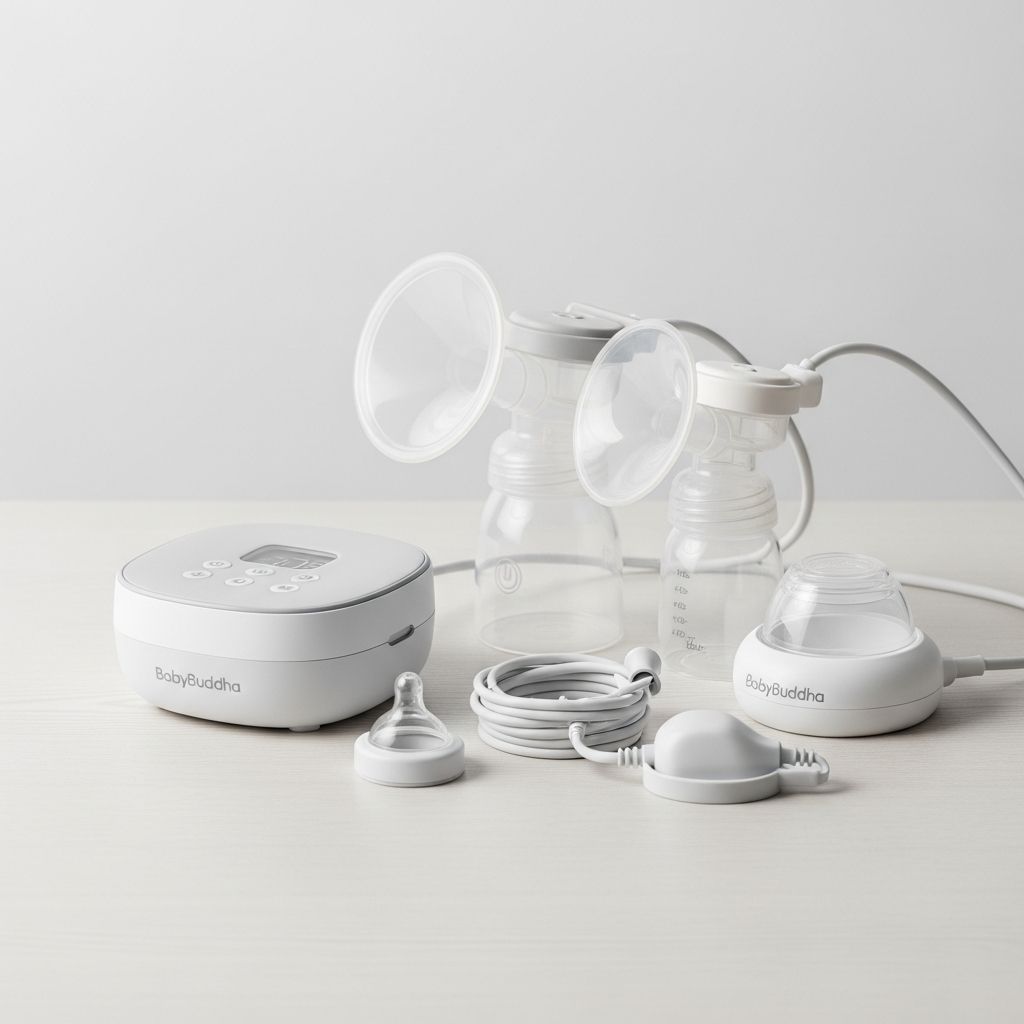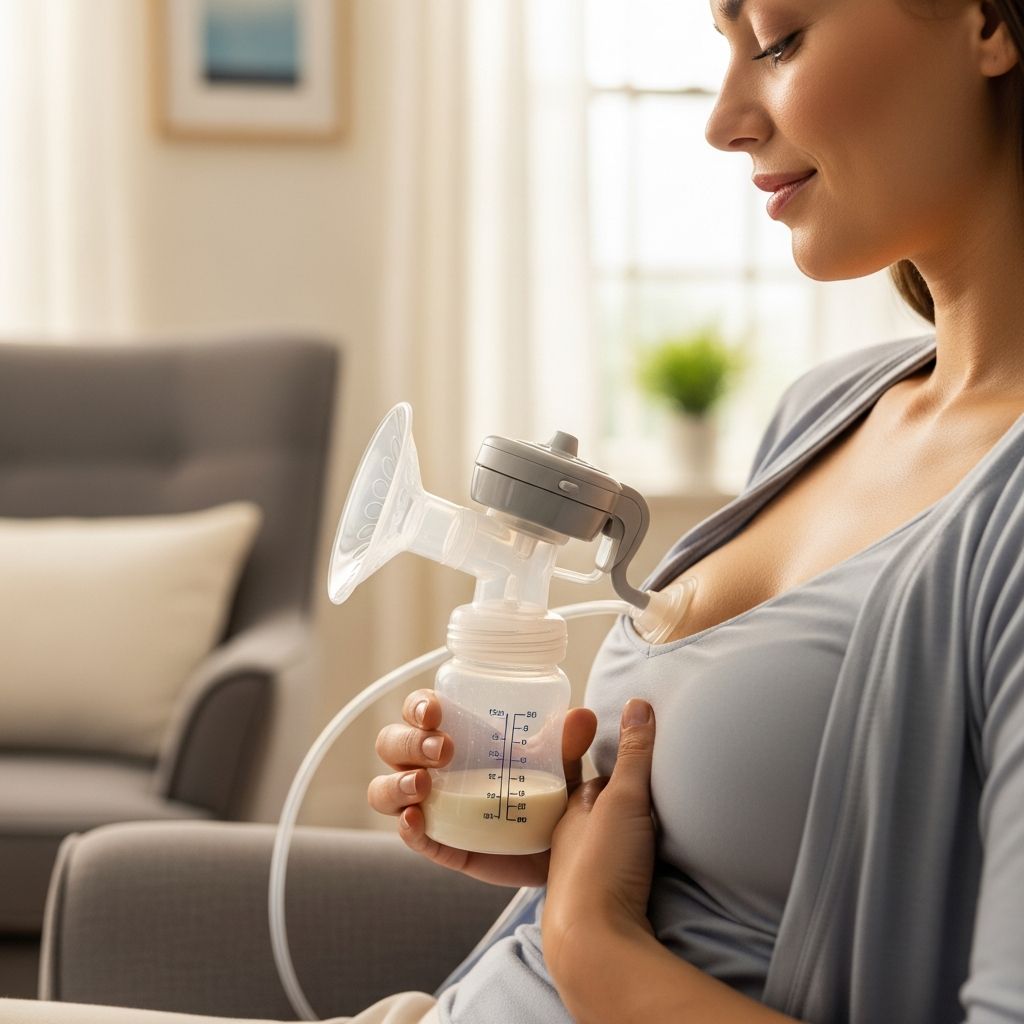
Breast pumping offers a practical solution for mothers aiming to sustain lactation beyond direct nursing challenges. Research indicates that regular pump use can add weeks or months to the overall breastfeeding journey, enabling more infants to benefit from human milk’s protective qualities.
Understanding the Role of Pumping in Modern Motherhood
In today’s fast-paced world, many mothers face barriers to exclusive direct breastfeeding, such as returning to work or latching difficulties. Pumping bridges this gap by allowing milk expression for bottle-feeding, preserving the nutritional advantages of breast milk without constant physical presence. Full milk production typically reaches 25-35 ounces per day, and consistent pumping signals the body to maintain this output.
Unlike direct nursing, which relies on a baby’s suckling rhythm, pumping requires deliberate sessions to mimic demand. Emptying breasts thoroughly during each session prevents supply reduction, as incomplete drainage elevates feedback inhibitor of lactation levels. Mothers who pump regularly report greater flexibility, sharing feeding duties with partners while upholding milk quality.
Scientific Evidence on Pumping and Prolonged Lactation
Studies highlight pumping’s impact on extending lactation. One analysis found pump users achieved an average extension of 21 weeks compared to non-pumpers, attributing this to better supply maintenance. Exclusive pumpers, though facing shorter durations than mixed feeders, often surpass formula timelines for those with initial nursing hurdles.
Children receiving prolonged breast milk, via pump or breast, show reduced risks of otitis media, asthma, and infections. Mothers gain protection against breast and ovarian cancers, plus lower type 2 diabetes odds. These outcomes underscore pumping’s value in dose-dependent benefits, where longer exposure amplifies health gains.
| Feeding Method | Average Duration Extension | Key Infant Benefits | Maternal Benefits |
|---|---|---|---|
| Direct Breastfeeding Only | Baseline | Immunity boost, IQ gains | Cancer risk reduction |
| With Pumping | +21 weeks | Lower infection rates, allergy prevention | Sustained supply, hormonal balance |
| Exclusive Pumping | Variable, often extended vs. formula | All-cause mortality drop | Flexibility for work/latch issues |
Building an Effective Pumping Routine
A structured schedule is crucial for success. New mothers should aim for 8-12 sessions daily in the early weeks, including nights, to establish supply peaking around 900 ml/day by day 40. Each session lasts 15-20 minutes or until flow slows, pumping both breasts simultaneously for efficiency.
- Pump after feedings or during baby’s naps to avoid depleting next meal’s supply.
- Morning sessions yield higher volumes due to natural prolactin peaks.
- Incorporate power pumping: 10 minutes on, 10 off, repeat to simulate cluster feeding and boost output.
- Track output to monitor supply; adjust frequency if volumes dip.
For working mothers, align pumps with work breaks, targeting 2-3 sessions per shift. Store milk properly—fresh up to 4 days in fridge, longer frozen—to ensure availability.
Techniques to Maximize Milk Yield
Comfort drives production. Select a well-fitting flange to avoid discomfort, and warm compresses pre-pump to trigger let-down. Gentle breast massage from outer quadrants inward stimulates ducts.
Adjust suction to comfortable levels; too high reduces efficiency. Hands-on pumping—compressing breasts during expression—can increase yield by 20-50% over machine alone. Hydration, frequent nursing/pumping, and galactagogues like oats support supply if needed.
Avoid over-pumping beyond 30 minutes, even if flowing, to prevent nipple trauma. Signs of effective sessions: softened breasts, steady output, and baby’s satisfaction from stored milk.
Navigating Common Pumping Challenges
Low supply worries many, but consistent emptying counters this. If output lags, power pump or add sessions. Mastitis risks rise with engorgement; pump promptly at first ache, and seek care for fever/redness.
Latch issues often lead to exclusive pumping, where parents feed expressed milk via bottle. While durations may shorten versus mixed methods, it prevents early formula switch. Teething or solids introduction post-6 months demands vigilant pumping to clear ducts.
Health Advantages for Babies and Mothers
Beyond infancy, extended milk via pumping fortifies immunity against ear infections, respiratory ills, and GI issues. Long-term, it correlates with higher IQ, fewer allergies, and chronic disease resistance. Any duration cuts SIDS risk by 60%.
Mothers benefit hormonally: oxytocin from pumping eases stress, while prolactin aids bonding. Prolonged lactation slashes cancer risks and supports metabolic health. Pumping empowers return-to-work without weaning prematurely.
Exclusive Pumping: A Viable Path
For those unable to nurse directly, exclusive pumping delivers breast milk’s full spectrum. It requires diligence—8-12 daily sessions initially—but yields comparable nutrition. Families report success by viewing it as breastfeeding’s extension, not alternative.
Insurance-mandated pumps enhance accessibility, decoupling milk provision from at-breast feeding. Clinicians measure success via expression duration, exclusivity periods, and total milk feedings.
Frequently Asked Questions
How long should each pumping session last?
15-20 minutes per session, or until breasts soften and flow slows, ideally both sides together.
Does pumping increase milk supply?
Yes, regular pumping mimics baby demand, maintaining or boosting production if done frequently.
Is exclusive pumping as good as direct breastfeeding?
It provides identical milk benefits, though durations may vary; ideal for latch challenges.
When is the best time to pump?
Mornings for volume, after feedings or nights for supply stimulation; fit to routine.
Can pumping help working mothers?
Absolutely, schedules allow milk storage for absences, extending overall lactation.
Long-Term Strategies for Sustained Success
Post-6 months, combine pumping with solids to prevent plugged ducts as nursing frequency drops. Monitor baby’s cues and supply weekly. Consult lactation experts for personalization. With commitment, pumping transforms potential weaning into enduring nourishment.
Ultimately, whether supplementing direct feeds or exclusive, pumping democratizes breast milk access. It empowers mothers to tailor lactation to life demands, securing irreplaceable health legacies for families.
References
- Exclusive breastmilk pumping: A concept analysis — PMC – NIH. 2022. https://pmc.ncbi.nlm.nih.gov/articles/PMC9546173/
- How Long to Pump Breast Milk: A Guide for Nursing Mothers — Milkify. N/A. https://milkify.me/blogs/blog/how-long-to-pump-breast-milk-a-guide-for-nursing-mothers
- Your Guide to Pumping & Storing While Breastfeeding — Baptist Health. N/A. https://www.baptist-health.com/blog/your-guide-to-pumping-storing-while-breastfeeding
- Using A Breast Pump: Does the Time-of-Day Matter? — 1 Natural Way. 2025-07-22. https://www.1naturalway.com/blog/does-the-time-of-day-matter-when-pumping-breast-milk
- Extended Breastfeeding Guide: Benefits Beyond 6 Months — Momcozy. N/A. https://momcozy.com/blogs/breastfeeding/benefits-of-breastfeeding-after-6-months