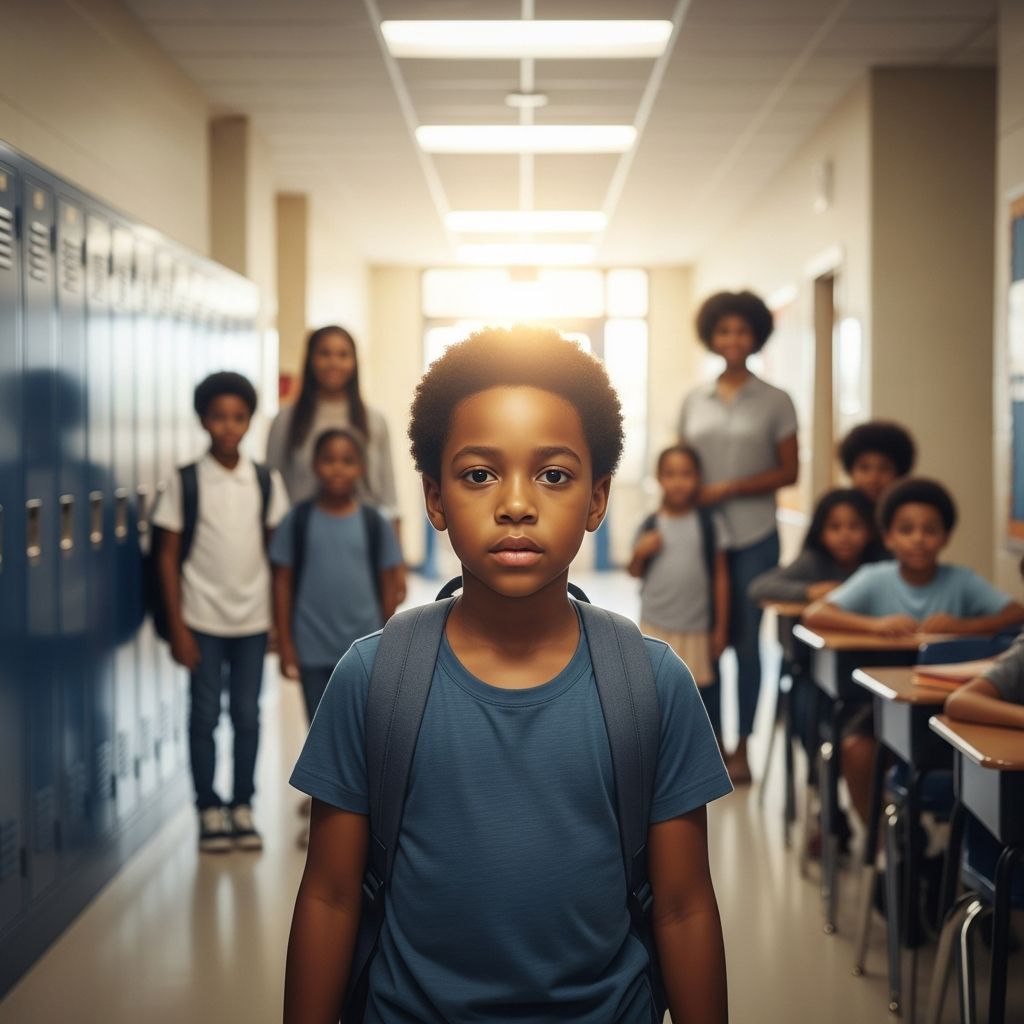
Racial disparities in school discipline affect Black children profoundly, with higher suspension rates persisting across educational levels. Black students, particularly boys, face suspension rates up to 19.1% in middle school, often due to implicit biases that pathologize their behavior.
Understanding the Roots of Disproportionate Treatment
Schools often exhibit systemic issues leading to unequal treatment of Black students. Research highlights overrepresentation in special education categories like emotionally disturbed, stemming from deficit perspectives that blame students rather than addressing environmental factors. Teacher biases, present even in diverse settings, compound over time, from preschool onward, increasing risks of academic failure and other negative outcomes.
These biases manifest as the ‘D3 effect’: distrust viewing Black students as criminal, disdain through low expectations, and disregard for their needs. Structural problems like under-resourced schools exacerbate this, yet schools rarely explicitly counter racism’s impact.
- Preschool suspensions disproportionately target Black children for minor infractions.
- Middle school sees peak rates for Black boys, fueling the school-to-prison pipeline.
- Even Black-led schools struggle without intentional anti-bias training.
Recognizing Signs of Unfair Singling Out
Parents must identify subtle and overt indicators of bias. Frequent office referrals for behaviors tolerated in peers, labels like ‘disruptive’ without context, or exclusion from advanced programs signal issues. Anecdotes reveal Black boys suspended for holding pencils tightly or being ‘threatening’ due to size, reflecting hyper-vigilance.
| Sign of Bias | Common Manifestation | Impact on Child |
|---|---|---|
| Excessive Discipline | Suspensions for minor acts | School avoidance, poor grades |
| Stereotyping | Assumed aggression | Low self-esteem, resentment |
| Exclusion | Denied gifted programs | Limited opportunities |
| Microaggressions | Comments on hair/skin | Emotional distress |
Early detection prevents escalation; daily check-ins reveal patterns like peers’ unpunished similar actions.
Building Your Child’s Inner Strength
Resilience counters racism’s toll. Teach self-love through affirmations, cultural pride, and historical figures beyond enslavement—emphasize innovators and leaders. Expose children to diverse media and activities at YMCAs or clubs for positive representation.
High expectations rooted in legacy—learning despite risks during enslavement or desegregation—motivate perseverance. Explicitly name biases, provide tools for navigation, avoiding apathy. Community ties and self-care routines fortify emotional armor.
Strengthening Home-School Communication
Active involvement is key. Attend meetings, volunteer, join PTO to humanize your presence. Daily dialogues probe friendships, microaggressions, ensuring teachers know you.
Document interactions: note dates, incidents, witnesses. Request meetings calmly, focusing on facts: ‘My child received three referrals while peers did not for identical behavior.’ Propose solutions like restorative practices over punishment.
Mastering Formal Documentation and Escalation
Record everything meticulously. Maintain a log of emails, calls, outcomes. If unresolved, escalate to principals, district equity officers. Reference policies; advocate for classifying racial harassment as severe offenses, potentially leading to expulsion.
- Compile evidence chronologically.
- Invoke district anti-discrimination codes.
- Engage civil rights groups if needed.
- Track policy changes from advocacy.
Leveraging Allies and Community Networks
Build coalitions with other parents, PTA allies. Join diversity-focused groups, attend board meetings to influence decisions like averting mass school closures harming Black communities.
Seek mentors matching your child’s identity; programs supporting Black boys thrive with tailored interventions. External orgs provide advocacy training.
Navigating Advanced Interventions
For persistent issues, request bias training, cultural audits. Push for equity teams auditing discipline data. Legal recourse via OCR complaints if discrimination evident. Track outcomes; celebrate progress like policy upgrades.
Fostering Long-Term Academic Equity
Ensure access to AP, gifted programs. Monitor placements, challenge mislabeling into special ed. Advocate collectively for resource equity.
Frequently Asked Questions (FAQs)
What if my child is the only Black student in class?
Stay visible via volunteering, discuss daily experiences, supplement with diverse extracurriculars.
How do suspensions affect Black boys long-term?
They contribute to the school-to-prison pipeline via higher dropout, incarceration risks.
Can Black teachers eliminate bias?
No; intentional anti-bias work is essential regardless of staff demographics.
What daily questions uncover bias?
‘Did anyone comment on your appearance? Were rules applied equally?’
When to involve lawyers?
After exhausting school channels and documenting systemic patterns.
Empowering Families for Systemic Change
Parental action drives reform. From individual advocacy to collective pushes, progress like harsher harassment penalties shows impact. Consistent efforts ensure Black children access equitable education.
References
- Addressing the Suspensions of Black Children throughout Early… — CORA Learning. 2022-02-24. https://www.youtube.com/watch?v=gXW3DcwiXDI
- Supporting Black Boys to Thrive At School — EmbraceRace. N/A. https://www.embracerace.org/resources/supporting-black-boys-to-thrive-at-school-an-interview-with-professor-daren-graves
- Every School Has Bias. Here’s What Principals Can Do About It — Education Week. 2023-02. https://www.edweek.org/leadership/opinion-every-school-has-bias-heres-what-principals-can-do-about-it/2023/02
- 5 Ways To Handle Your Child Being The Only Black Student In The Class — Love What Matters. N/A. https://www.lovewhatmatters.com/5-ways-to-handle-your-child-being-the-only-black-student-in-the-class-diversity-parenting-tips/
- Fighting racism in school: A Black parent’s guide — The Beacon. 2023-08-21. https://thebeaconnews.org/stories/2023/08/21/black-parent-guide/
- Bias in school discipline: When the teacher says your child is “acting out” — Understood.org. N/A. https://www.understood.org/en/podcasts/the-opportunity-gap/acting-out-school-discipline-bias
- How to help your Black child develop resilience in the face of racism — Texas Children’s. N/A. https://www.texaschildrens.org/content/wellness/how-help-your-black-child-develop-resilience-face-racism-and-discrimination