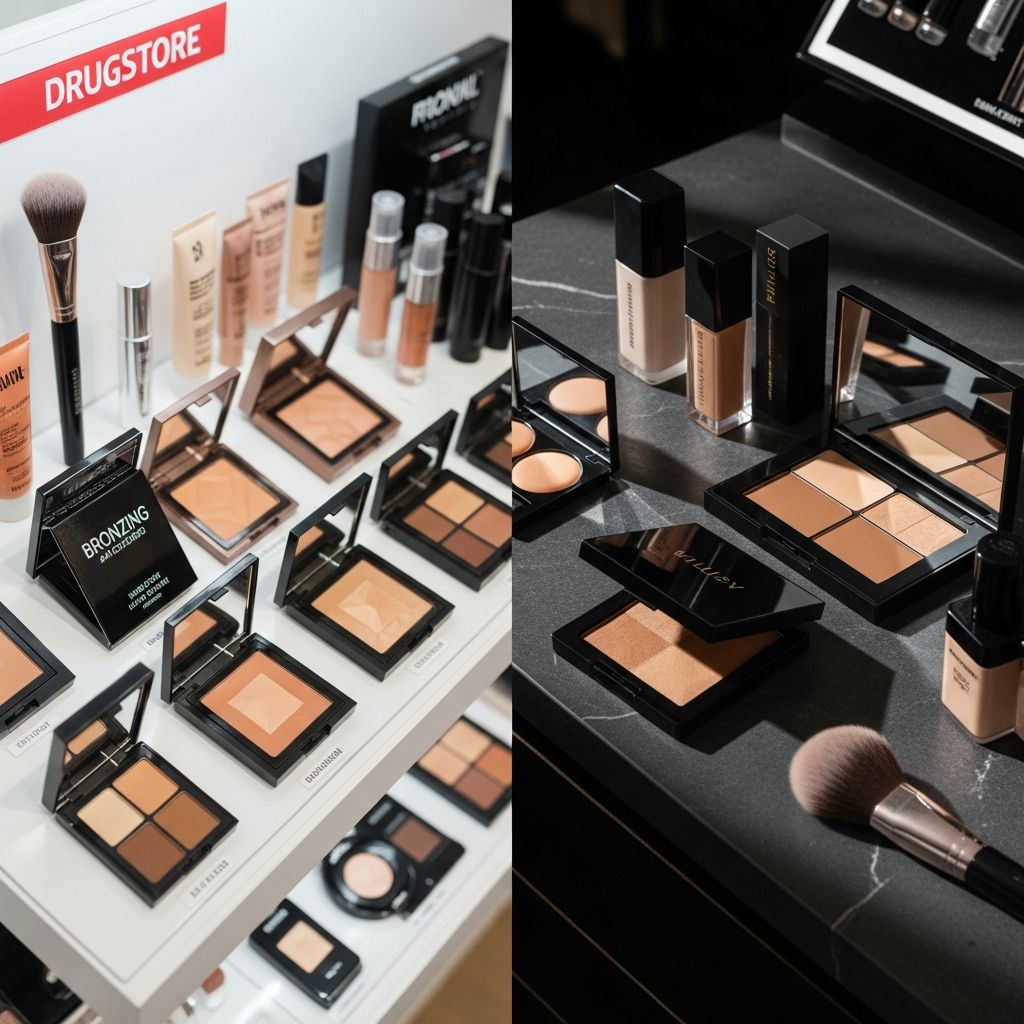
Bronzer can turn a dull complexion into a warm, healthy glow in under a minute, but prices range wildly—from a few dollars at the drugstore to premium compacts that rival a dinner out. Choosing between drugstore and high-end bronzers is not just about cost; it is about texture, undertone, performance, and what works for your skin and your lifestyle.
This guide walks through everything you need to know to decide whether to save or splurge on bronzer, and how to get the most flattering, believable sun-kissed look with whichever product you choose.
Why Bronzer Still Matters in Modern Makeup
Even as trends shift from heavy contouring to softer, skin-like finishes, bronzer remains a staple for adding life back to the face. Foundation and concealer even out the skin, but they can also erase natural warmth. Bronzer replaces that warmth, creating the illusion of fresh air and sunshine without the UV damage.
Used correctly, bronzer can do three key things:
- Add gentle warmth so the face does not look flat or washed out.
- Softly sculpt the features without the harshness of gray-toned contour products.
- Tie together eye, cheek, and lip makeup by giving the whole look a cohesive, healthy tone.
Drugstore vs. High-End: What Really Changes?
Price is not the only difference between an affordable bronzer and a luxury compact. The jump in cost often reflects changes in formula, packaging, and shade variety—but that does not automatically mean better results for every person.
| Feature | Drugstore Bronzers | High-End Bronzers |
|---|---|---|
| Price Range | Low to moderate; easier to experiment and repurchase. | High; feels more like an investment piece. |
| Shade Range | Can be limited, especially for very fair or deep skin tones. | Often more undertone options and better distribution across skin depths. |
| Texture & Blendability | Improving widely; may be more powdery or require extra blending. | Typically smoother, more finely milled, and seamless on the skin. |
| Packaging | Functional plastic; may be bulky or less durable. | Sturdier compacts, mirrors, sometimes refillable or more travel-friendly. |
| Finish Variety | Good basic matte and shimmer options. | More nuanced finishes like soft satin, gel-powder, or luminous matte. |
| Fragrance / Extras | Sometimes fragranced; fewer skincare add-ins. | May include skincare-style ingredients; often signature scents. |
When a Drugstore Bronzer Is All You Need
A well-chosen drugstore bronzer can absolutely rival more expensive products and is often the best place to start if you are new to bronzing or still testing what suits you. The lower price means you can experiment with tones and finishes without regret.
Consider going drugstore if:
- You are just learning where to place bronzer and expect some trial and error.
- Your skin is not especially sensitive or reactive to common cosmetic ingredients.
- You prefer a basic matte powder for everyday warmth rather than a multi-purpose, skincare-infused formula.
- You like swapping products frequently to follow trends or seasonal changes without overspending.
When High-End Bronzers Are Worth the Splurge
High-end bronzers can be more than pretty compacts; they often offer smoother textures, more sophisticated undertones, and thoughtful formulations that flatter the skin in many lighting conditions. These details can matter a lot if bronzer is a daily staple for you.
Consider investing in a high-end bronzer if:
- You use bronzer every day and want the easiest possible blend and most reliable results.
- Your skin tone sits at either end of the spectrum (very fair or very deep) and you need nuanced undertones not commonly stocked at the drugstore.
- You have drier, more mature, or textured skin that benefits from ultra-fine powders or cream-gel formulas.
- You value elegant packaging, large mirrors, and possibly refillable pans for long-term use.
Understanding Undertones: The Secret to Natural Bronze
The most expensive bronzer in the world will still look muddy or orange if the undertone is wrong. Bronzer should mimic the way your own skin changes in the sun, not paint on a completely different color.
Match bronzer undertones to your natural warmth:
- Cool or neutral skin: Look for neutral-tan or slightly rosy bronzers rather than strong yellow or orange tones.
- Warm or golden skin: Soft golden or yellow-brown bronzers will look the most believable.
- Olive skin: Choose bronzers with olive, neutral, or slightly reddish tones; too much yellow can turn ashy or sallow.
- Deep skin: Seek out rich caramel, red-brown, or even berry-bronze tones instead of pale, chalky powders.
Formula Choices: Powder, Cream, or Liquid?
Both drugstore and specialty brands now offer a wide range of textures. The right formula for you depends on your skin type, your climate, and how you like your base makeup to look.
Powder Bronzers
Powder bronzers are the classic choice and work especially well over set foundation or combination to oily skin. They are the easiest to control and build gradually, making them ideal for beginners.
- Best for those who prefer a matte or softly radiant finish.
- Blend well with fluffy brushes and can double as an eyeshadow in a pinch.
- More forgiving if you apply a little too much—you can buff or powder over them.
Cream and Stick Bronzers
Creams and sticks are popular for natural, skin-like finishes and pair beautifully with dewy foundations or no-foundation days. They can look especially flattering on dry or mature skin because they move with the skin instead of sitting on top.
- Ideal for dry, normal, or mature skin that can look dull under too much powder.
- Apply best with fingers, a dense brush, or a sponge, pressing into the skin.
- Often blend quickly, so work in light layers to avoid patchiness.
Liquid and Serum Bronzers
Liquid bronzers are sheer and customizable, mixing easily with moisturizer or foundation for an all-over warmth. They are great if you want your entire complexion to look slightly deeper without obvious bronzer placement.
- Work well for those who like minimal makeup or “no-makeup makeup.”
- Can be layered under or over foundation depending on desired intensity.
- Often come in dropper bottles or tubes—start with less than you think you need.
Finish: Matte, Shimmer, or Satin?
Finish determines how light interacts with your skin. The wrong finish for your skin type and texture can highlight pores or look flat and dusty, so consider both preference and practicality.
- Matte: Great for oily or textured skin and for subtle sculpting. Use when you want a more natural, photo-ready look.
- Shimmer: Adds glow and dimension but can exaggerate pores or fine lines if the shimmer particles are large.
- Satin / Luminous Matte: A middle ground that looks like healthy skin; often where higher-end formulas shine.
How to Choose the Right Bronzer Shade
A general rule is to stay within one to three shades deeper than your natural skin tone. Going much darker can make the bronzer look like a stripe rather than a sun-kissed wash.
- Swatch bronzer on the side of your face or neck rather than your hand for a truer read.
- In-store testers are helpful, but if you shop online, look for swatches on people with a similar skin tone and undertone.
- If you are between shades, choose the lighter one. It is easier to build depth than to correct an overly dark bronzer.
Application Basics: Getting a Natural Result
Where you place bronzer should echo where the sun would naturally hit your face first. This creates believable warmth instead of obvious makeup stripes.
- Prep the base: Apply and set your foundation or tinted moisturizer lightly, especially in areas where you plan to put bronzer.
- Choose the right tool: Use a fluffy, medium-sized brush for powder or a dense brush/sponge for creams.
- Start light: Tap off excess product and begin with a thin layer rather than packing on color immediately.
- Focus on high points: Sweep bronzer across the temples, tops of the cheeks, and along the perimeter of the face. Lightly add a touch to the bridge of the nose and chin if needed.
- Blend into the neck: A quick pass under the jawline and down the neck prevents a visible color line.
Common Bronzer Mistakes (and Quick Fixes)
Even experienced makeup wearers can struggle with bronzer. Most issues come from too much product, the wrong undertone, or placing it where a contour would go instead of where the sun naturally hits.
- Mistake: Bronzer looks orange.
Fix: Try a more neutral or slightly cooler tone. You may also be going too many shades deeper than your natural skin. - Mistake: Harsh lines near the cheeks or temples.
Fix: Use a clean brush or sponge to buff the edges. Adding a veil of translucent powder on top can soften everything. - Mistake: Face and neck are different colors.
Fix: Use leftover bronzer on your brush across your neck and collarbone, or scale back bronzer on the face next time. - Mistake: Bronzer emphasizes texture or pores.
Fix: Switch from intense shimmer to matte or satin, and avoid applying heavy product directly on areas with prominent texture.
Building a Bronzer Wardrobe on Any Budget
Instead of hunting for one perfect bronzer that does everything, think in terms of a tiny “wardrobe” of two or three products that cover different needs. This approach can be surprisingly affordable if you mix drugstore and mid-range options strategically.
- Choose a budget-friendly matte powder bronzer for everyday warmth.
- Add one higher-end bronzer with your ideal undertone and a refined finish for special occasions or photos.
- Consider a cream stick if you like minimal makeup days or want something that doubles as a quick eyeshadow.
Smart Shopping Tips: Stretching Your Bronzer Budget
Whether you are browsing the drugstore aisle or the luxury counter, a few habits can help you get the most value out of each purchase. The goal is not to have the trendiest compact but the one you actually use up.
- Check how much product you get in grams or ounces, not just the price tag.
- Look for brands that offer travel or mini sizes, especially for high-end formulas you want to test first.
- Read ingredient lists if you have fragrance sensitivities or acne-prone skin, since some bronzers are scented or very emollient.
- Pay attention to return or exchange policies if shade matching is difficult where you live.
Bronzer FAQs
Can I use bronzer instead of contour?
Bronzer and contour are related but not identical. Bronzer adds warmth and mimics a sun-kissed effect, while contour uses cooler, shadow-like tones to reshape the face. You can use bronzer to softly sculpt for everyday wear, but for dramatic reshaping—such as stage makeup or full glam looks—a dedicated contour product usually delivers a more convincing shadow.
How do I make bronzer last all day?
Longevity depends on both the formula and your skin type. To extend wear, lightly set your foundation before applying bronzer, use thin layers instead of one heavy swipe, and consider layering cream bronzer under a powder bronzer for extra staying power. If you have very oily skin, a setting spray aimed at longevity can help keep bronzer in place without a heavy, powdery look.
Is bronzer only for the summer?
Bronzer can be worn year-round; the key is adjusting intensity and placement. In summer, you might go a touch deeper and apply a bit more across areas where the sun naturally hits. In winter, choose a softer shade or lighter hand so you look gently warmed, not artificially tanned against a paler neck and hands.
Can fair skin wear bronzer without looking orange?
Absolutely. The trick is choosing very light, neutral or slightly rosy tones instead of deep, golden shades. For fair skin, formulas with a sheerer payoff allow you to build up warmth slowly, and satin or luminous finishes often look more natural than heavy matte powders.
Do I need separate bronzers for day and night?
You can use the same bronzer for both if you adjust how much you apply, but some people enjoy having a more matte, subtle option for daytime and a slightly more glowy or sculpting formula for evening. If you prefer a streamlined routine, pick a versatile bronzer with a buildable formula and a finish that looks flattering in both natural daylight and artificial indoor lighting.