What You Need to Know About Long QT Syndrome
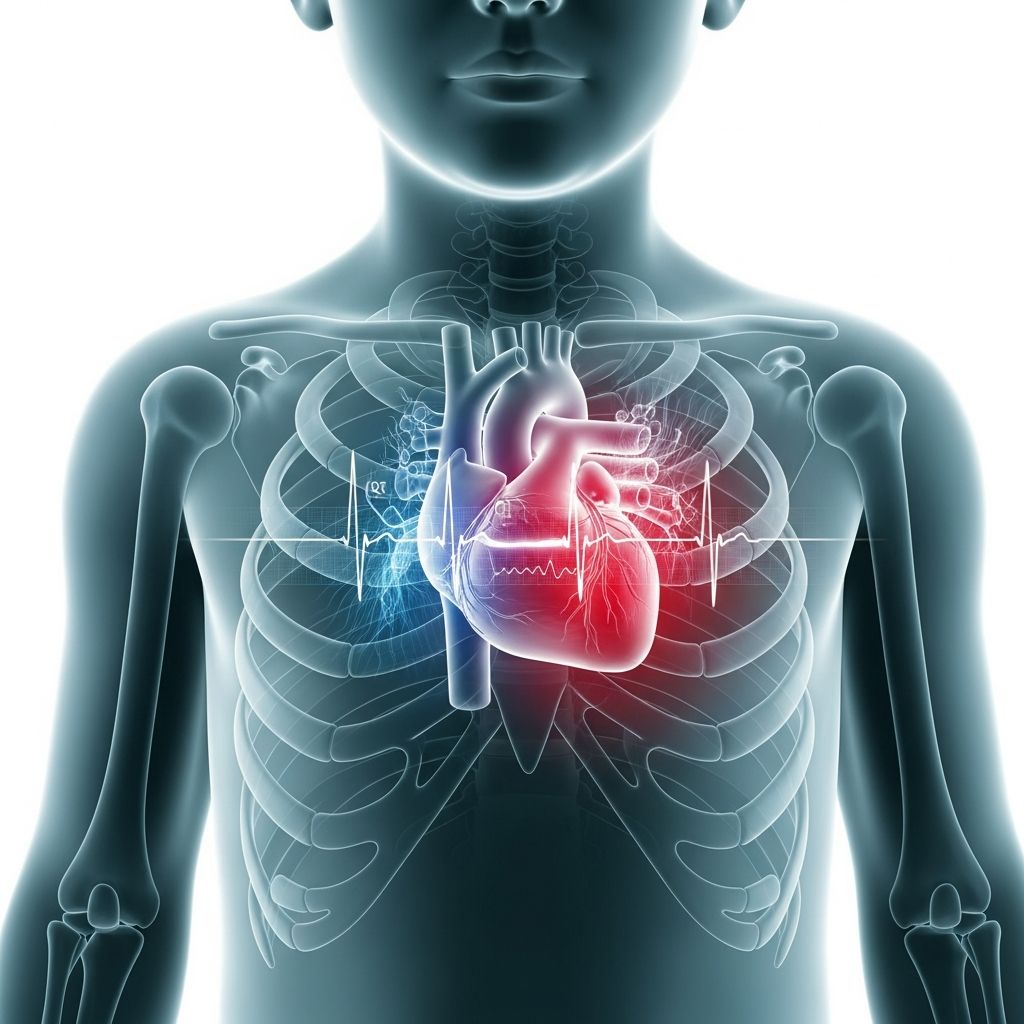
Long QT Syndrome (LQTS) is a disorder affecting the heart’s electrical system that can cause irregular heartbeats and potentially life-threatening complications. The condition involves a delay in the heart’s ability to return to its normal electrical state after each beat, a process called repolarization. When the heart takes too long to “recharge” between beats, it becomes vulnerable to dangerous arrhythmias—specifically a rapid, chaotic rhythm known as torsades de pointes. While some children with LQTS experience no noticeable symptoms, others face significant health risks that require careful monitoring and management.
How the Heart’s Electrical System Works in LQTS
To understand LQTS, it helps to know how a normal heart functions. The heart relies on electrical impulses to coordinate muscle contractions that pump blood throughout the body. These electrical signals follow a precise pathway, and the time it takes for the electrical activity to complete a cycle is measured as the QT interval on an electrocardiogram (ECG). In children with Long QT Syndrome, this interval is prolonged—meaning the electrical signal takes longer than normal to complete its cycle. This extended recovery period creates windows of vulnerability where abnormal rhythms can develop, particularly when the heart is stressed by physical activity, emotional excitement, or sudden startling events.
Recognizing the Warning Signs
Symptoms of LQTS vary considerably among affected children. Many children have no apparent symptoms and may only be discovered to have the condition through routine heart screening or family testing. However, when symptoms do occur, they can appear suddenly and without warning. The most common presentation is syncope—a sudden loss of consciousness or fainting episode—which happens when the heart’s irregular rhythm prevents adequate blood flow to the brain.
Before fainting occurs, a child may experience warning signs including:
- Pounding sensations in the chest, medically known as palpitations
- Dizziness or lightheadedness
- Blurred vision
- Weakness or fatigue
- Racing heartbeat sensation
- Shortness of breath
In some children, LQTS manifests as seizures or brief episodes of consciousness loss, sometimes called “drop spells,” rather than traditional fainting. These seizure-like episodes can be particularly frightening for families and may initially lead to misdiagnosis as epilepsy. In severe cases, the irregular rhythm may not self-resolve, leading to ventricular fibrillation—a life-threatening condition where the heart’s lower chambers quiver ineffectively, unable to pump blood.
Identifying Triggers and Risk Factors
Understanding what provokes symptoms is essential for managing LQTS. Common triggers include strenuous physical activity, emotional stress, excitement, and sudden acoustic stimuli such as alarm clocks or loud ringtones. Some children experience symptoms during sleep, which can be particularly dangerous since the episode may go unnoticed. Triggers vary significantly from child to child, making personalized medical guidance crucial.
Certain environmental and physiological factors can increase arrhythmia risk:
- Intense exercise or competitive sports participation
- Emotional disturbances or stress
- Electrolyte imbalances, particularly low potassium and low magnesium levels
- Specific medications with cardiac effects
- Conditions causing diarrhea or vomiting that deplete electrolytes
- Sudden surprising sounds or events during sleep
Two Primary Forms of Long QT Syndrome
LQTS falls into two distinct categories based on its origin: congenital (inherited at birth) and acquired (developing later in life).
Congenital Long QT Syndrome
Congenital LQTS results from genetic mutations inherited from parents. This form cannot be “cured” and persists throughout life, though symptoms can be effectively managed. The condition follows one of two inheritance patterns. In the more common Romano-Ward syndrome, a child inherits a single mutated gene from one parent through autosomal dominant inheritance. Children inheriting this pattern have a 50% chance of passing the condition to their offspring. The rare Jervell and Lange-Nielsen syndrome occurs when a child inherits mutated genes from both parents (autosomal recessive inheritance) and is typically more severe, often accompanied by permanent hearing loss. Children with this form may experience symptoms very early in life.
Acquired Long QT Syndrome
Acquired LQTS develops later in childhood or adolescence due to external factors, most commonly certain medications or electrolyte abnormalities. Unlike the inherited form, acquired LQTS often resolves when the triggering cause is eliminated, such as discontinuing a problematic medication. Conditions that can induce acquired LQTS include hypothermia (body temperature below 35°C), electrolyte deficiencies in calcium, magnesium, or potassium, thyroid dysfunction, and rarely, adrenal tumors.
Understanding Genetic and Environmental Contributions
While genetic mutations form the foundation of congenital LQTS, not all individuals carrying the same mutation experience identical symptoms or severity. The specific location and nature of the genetic mutation significantly influence risk—transmembrane missense mutations carry higher danger levels than other mutation types. Additionally, the particular genotype matters considerably; children with LQTS1 and LQTS3 genotypes face substantially higher risk of life-threatening events compared to those with LQTS2.
Interestingly, some individuals carry disease-causing mutations yet remain asymptomatic or have concealed LQTS, meaning their QT interval appears normal despite harboring the genetic defect. This genetic heterogeneity means that family members with the same mutation may have vastly different clinical experiences, complicating family management and counseling.
How Healthcare Providers Diagnose LQTS
Diagnosis typically begins with an electrocardiogram (ECG), which measures the QT interval duration. A QT interval of 480 milliseconds or longer in a resting ECG suggests LQTS, though diagnosis can also be made with lower values (460 ms) if the child has experienced arrhythmic syncope or cardiac arrest. A complexity in diagnosis is that some children with confirmed LQTS may have normal QT intervals on initial testing, requiring repeat ECGs or specialized testing such as exercise stress tests to unmask prolongation.
Doctors also use a diagnostic scoring system that incorporates clinical features beyond just QT duration, including family history of sudden cardiac death, type of symptoms experienced, and presence of certain medications. Genetic testing through DNA analysis can identify specific mutations, though a negative genetic test does not exclude LQTS diagnosis. Once a child receives an LQTS diagnosis, family members typically undergo screening, as they may be asymptomatic carriers.
Management and Treatment Approaches
Management of LQTS focuses on preventing arrhythmias and reducing the risk of sudden cardiac events. The cornerstone of treatment involves identifying and avoiding known triggers specific to each child. Many children benefit from lifestyle modifications, including restrictions on strenuous competitive sports and careful avoidance of particular medications that prolong the QT interval.
Medical treatment often includes:
- Beta-blocker medications that reduce heart rate responsiveness to stress and adrenergic stimulation
- Potassium and magnesium supplementation to maintain optimal electrolyte levels
- Implantable cardioverter-defibrillators (ICDs) for high-risk patients, which automatically correct dangerous rhythms
- Permanent pacemakers in certain cases to regulate heart rhythm
- Surgical left cardiac sympathetic denervation in specialized centers for patients inadequately controlled by medications
The specific treatment regimen depends on the child’s particular LQTS genotype, symptom severity, family history, and response to initial therapy. Children with more severe genetic forms may require multiple medications or device therapy, while mildly affected children might manage with beta-blockers alone and careful trigger avoidance.
Living Well with Long QT Syndrome
Families managing LQTS benefit from comprehensive, coordinated care involving pediatric cardiologists, primary care physicians, and school personnel. Ensuring schools are aware of the diagnosis allows staff to respond appropriately to warning signs and understand activity restrictions. Most children with LQTS can attend school normally and participate in modified physical education programs.
Regular follow-up appointments and periodic ECG monitoring help track disease progression and medication effectiveness. Children should wear medical alert identification and carry information about their condition at all times. Open communication between the child, family, and medical team about triggers, symptoms, and emotional impacts of living with a potentially life-threatening condition supports both physical and psychological well-being.
When to Seek Immediate Medical Attention
Families should contact emergency services immediately if a child experiences:
- Loss of consciousness or syncope episodes
- Seizure-like activity
- Chest pain or severe shortness of breath
- Rapid heartbeat that doesn’t resolve quickly
- Any signs of cardiac arrest
Frequently Asked Questions
Q: Can children outgrow Long QT Syndrome?
A: Congenital LQTS is a lifelong condition that does not resolve on its own. However, symptoms may change over time, and management strategies evolve as the child grows. Acquired LQTS may resolve once the underlying cause is treated, but congenital forms require ongoing management throughout life.
Q: Is Long QT Syndrome life-threatening?
A: LQTS can be serious, with potential for sudden cardiac death, particularly in young people who appear otherwise healthy. However, with appropriate diagnosis, treatment, and management, many children with LQTS live normal lifespans with appropriate precautions.
Q: Can my child play sports with Long QT Syndrome?
A: Most children with LQTS should avoid strenuous competitive sports, though specific activity recommendations depend on the severity of the condition and type of LQTS. A pediatric cardiologist can provide individualized guidance about safe physical activities.
Q: What is the inheritance risk for my other children?
A: For Romano-Ward syndrome (autosomal dominant), each sibling has approximately a 50% chance of inheriting the condition if one parent carries the mutation. For Jervell and Lange-Nielsen syndrome (autosomal recessive), if both parents are carriers, each child has a 25% chance of having LQTS. Genetic counseling can provide precise risk assessment for your family.
Q: Are there foods or supplements that affect LQTS?
A: Maintaining proper electrolyte balance, particularly potassium and magnesium, is important. Any new medications, supplements, or dietary changes should be discussed with the child’s cardiologist, as some substances can interact with LQTS or affect QT interval duration.
Q: How often does my child need heart monitoring?
A: The frequency of monitoring depends on the child’s condition severity and treatment response. Most children require periodic ECGs and regular cardiology follow-ups, with frequency determined by their cardiologist. Some may need event monitors or continuous monitoring devices.
References
- Congenital Long QT Syndrome in Children and Adolescents — National Center for Biotechnology Information (NCBI/NIH). 2024. https://pmc.ncbi.nlm.nih.gov/articles/PMC11119491/
- Long QT Syndrome – Symptoms and Causes — Mayo Clinic. 2024. https://www.mayoclinic.org/diseases-conditions/long-qt-syndrome/symptoms-causes/syc-20352518
- Long QT Syndrome (LQTS) — Seattle Children’s Hospital. 2024. https://www.seattlechildrens.org/conditions/long-qt-syndrome/
- Long QT Syndrome — UCSF Benioff Children’s Hospitals. 2024. https://www.ucsfbenioffchildrens.org/conditions/long-qt-syndrome
- Long QT Syndrome — Nemours KidsHealth. 2024. https://kidshealth.org/en/parents/long-qt-syndrome.html
- Long QT Syndrome — Nationwide Children’s Hospital. 2024. https://www.nationwidechildrens.org/family-resources-education/family-resources-library/long-qt-syndrome
- Long QT Syndrome in Children — UpBeat.org Pediatrics. 2024. https://upbeat.org/pediatrics/LQTS