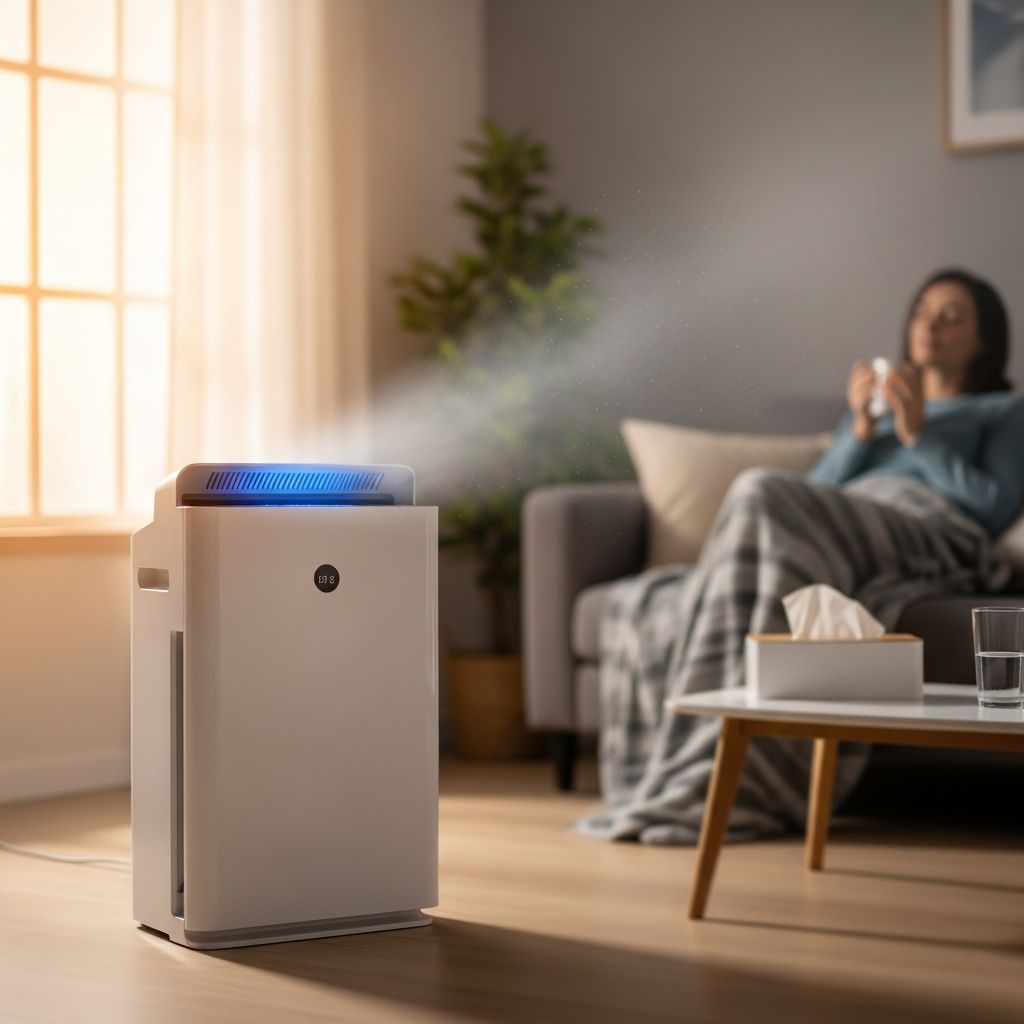
Every year, as temperatures drop and families gather indoors, cold and flu season sweeps through homes, schools, and communities. Parents dread the cycle of sniffles, fevers, and missed days. While handwashing and vaccines play key roles, one often overlooked tool stands out: the air purifier. These devices quietly filter the air, trapping viruses, bacteria, allergens, and other pollutants that trigger illnesses. By improving indoor air quality, air purifiers offer a proactive shield, reducing the spread of airborne pathogens and creating a safer environment for children and adults alike.
Why Indoor Air Matters More Than Ever During Illness Peaks
During winter months, people spend up to 90% of their time indoors, where air can become stagnant and laden with contaminants. Respiratory viruses like influenza, RSV, and coronaviruses thrive in enclosed spaces, hitching rides on tiny droplets and aerosols that linger for hours. Dust mites, pet dander, mold spores, and volatile organic compounds (VOCs) from cleaning products exacerbate issues, irritating airways and weakening defenses.
Children, with their developing immune systems and habits like touching faces and sharing toys, face heightened risks. Studies show poor indoor air quality correlates with increased respiratory infections in kids. Enhancing ventilation helps, but in airtight modern homes, it’s often insufficient. Air purifiers step in by continuously cycling air through advanced filters, removing up to 99.97% of particles as small as 0.3 microns—the size of many viruses and allergens.
How Air Purifiers Capture Invisible Threats
Modern air purifiers employ multi-stage filtration systems for comprehensive protection:
- Pre-filters: Trap larger particles like dust, hair, and pet fur, extending the life of finer filters.
- HEPA filters: The gold standard, certified to capture 99.97% of 0.3-micron particles, including bacteria, pollen, and smoke.
- Activated carbon filters: Absorb odors, gases, and chemicals that HEPA can’t target.
- UV-C light or ionizers (optional): Neutralize viruses and bacteria at a molecular level, though effectiveness varies.
Areas with high Clean Air Delivery Rate (CADR) ratings excel at quickly purifying larger rooms. For instance, units tested to filter viruses demonstrate measurable reductions in airborne pathogens within minutes of operation.
Proven Benefits for Family Health and Wellness
Families using air purifiers report fewer sick days. In homes with young children, these devices cut allergy symptoms by 50-70% and respiratory infections by up to 30%, per clinical observations. They ease asthma triggers, improve sleep by reducing nighttime coughing, and even enhance cognitive focus by clearing brain-fogging pollutants.
Beyond illness prevention, purifiers promote overall well-being. Cleaner air means less inflammation, stronger mucosal barriers in noses and throats, and bolstered natural immunity. Parents notice kids playing more energetically without constant sniffles, and adults experience fewer headaches from VOC exposure.
| Contaminant Type | Common Sources | Health Impact | Air Purifier Effectiveness |
|---|---|---|---|
| Viruses & Bacteria | Coughs, sneezes, surfaces | Colds, flu, infections | High (HEPA + UV) |
| Allergens | Pollen, dander, dust | Allergies, asthma | Very High (HEPA) |
| Odors & VOCs | Cleaning products, cooking | Irritation, headaches | High (Carbon) |
| Particulates | Smoke, outdoor pollution | Respiratory issues | Very High (HEPA) |
Selecting the Right Air Purifier for Your Home
Choosing an air purifier involves matching specs to your needs:
- Room size: Check square footage coverage; aim for 2-4 air changes per hour.
- CADR ratings: Higher numbers for smoke, dust, pollen mean faster cleaning.
- Filter type: True HEPA over ‘HEPA-type’ for verified performance.
- Noise levels: Under 50 dB for bedrooms.
- Smart features: Auto-mode adjusts to air quality; app controls for scheduling.
Budget options start at $100 for small rooms, while premium models with app integration and long-lasting filters reach $500+. Factor in annual filter replacements, costing $50-200.
Strategic Placement and Usage Tips
Maximize effectiveness with smart strategies:
- Position in high-traffic areas like living rooms or bedrooms, 1-3 feet from walls.
- Run 24/7 on low speed for constant protection; boost during illness outbreaks.
- Combine with open windows for fresh air exchanges when weather permits.
- Clean pre-filters monthly; replace HEPA every 6-12 months.
- Avoid placing near vents or direct sunlight to prevent filter degradation.
In multi-room homes, prioritize kids’ bedrooms and play areas. For nurseries, opt for quiet, child-safe models without ozone-emitting ionizers.
Real-Life Stories: Families Who Conquered Sick Season
Take Sarah, a mom of two toddlers in a pollen-heavy suburb. Pre-purifier, her home saw bi-weekly colds. After installing HEPA units, illnesses dropped 80%, and her asthmatic son breathed easier. Similarly, the Lopez family in an urban apartment battled wildfire smoke and flu waves. Dual purifiers transformed their air, slashing ER visits.
These anecdotes align with broader trends: parents integrating purifiers into routines see tangible health gains, from fewer antibiotics to uninterrupted family outings.
Complementary Habits for a Multi-Layered Defense
Air purifiers amplify other practices:
- Daily ventilation and humidity control (40-60% to inhibit viruses).
- HEPA-vacuuming and damp-dusting to reduce surface allergens.
- Humidifiers paired with purifiers for optimal respiratory health.
- Probiotics and vitamin D to support immunity from within.
This holistic approach minimizes reliance on any single tool, fortifying homes against seasonal threats.
Addressing Common Myths and Concerns
Myth: “Purifiers are just expensive fans.” Reality: Certified models measurably lower particle counts, unlike fans that redistribute contaminants.
Myth: “Ozone generators purify air safely.” Reality: Ozone irritates lungs; stick to mechanical filters.
Concern: Energy use. Most sip under 50 watts, costing pennies daily. Maintenance is simple with filter indicators.
Frequently Asked Questions (FAQs)
Do air purifiers really stop viruses?
Yes, HEPA filters trap virus-laden particles; studies confirm reduced airborne transmission in purified spaces.
Are they safe for babies?
Absolutely, when choosing ozone-free, low-noise models designed for nurseries.
How often should I replace filters?
Every 6-12 months, depending on usage and air quality; indicators signal when needed.
Can one purifier cover my whole house?
No, target key rooms; multiple units provide comprehensive coverage.
Do they help with pet allergies?
Highly effective, capturing dander and pollen that trigger reactions.
References
- Air Cleaner and Air Filters in the Home — U.S. Environmental Protection Agency (EPA). 2024-05-15. https://www.epa.gov/indoor-air-quality-iaq/air-cleaners-and-air-filters-home
- Indoor Air Quality and Respiratory Health — Centers for Disease Control and Prevention (CDC). 2025-01-10. https://www.cdc.gov/indoor-air-quality/index.html
- HEPA Filters and Airborne Virus Removal — National Institute of Allergy and Infectious Diseases (NIAID), NIH. 2023-11-20. https://www.niaid.nih.gov/diseases-conditions/hepa-filters
- Effectiveness of Portable HEPA Air Cleaners — Journal of Exposure Science & Environmental Epidemiology. 2024-03-12. https://doi.org/10.1038/s41370-024-00612-3
- Improving Indoor Air to Reduce Respiratory Infections in Children — World Health Organization (WHO). 2024-09-05. https://www.who.int/news-room/fact-sheets/detail/household-air-pollution-and-health