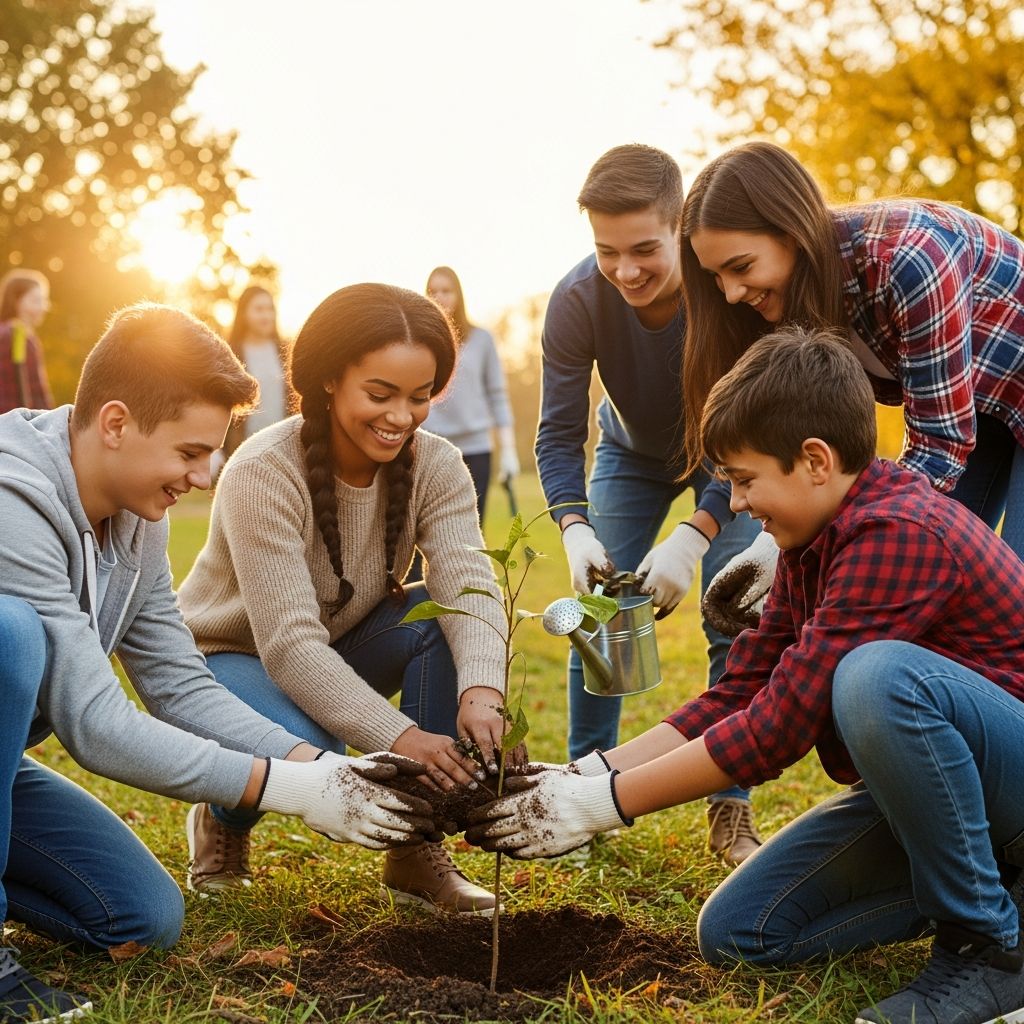
After-school activities play a pivotal role in shaping teenagers into compassionate individuals by promoting empathy, teamwork, and emotional intelligence. These programs provide structured environments where teens develop essential life skills, reducing isolation and fostering meaningful connections.
Why After-School Engagement Matters for Teen Development
Adolescence is a critical period for forming identity and social bonds. Participation in extracurriculars allows teens to explore interests, build resilience, and channel energy positively. A 2023 study across U.S. families showed that teens in these activities report better mental health, with lower anxiety and depression rates, especially when sharing pursuits with peers.
These programs counteract unstructured time, which can lead to risky behaviors like substance use. Instead, they offer supervised settings that encourage discipline and goal-setting, directly linking to improved academic outcomes and self-esteem.
Core Benefits of Extracurricular Involvement
Extracurriculars deliver multifaceted advantages, from personal growth to social proficiency. Teens gain self-discipline, time management, and leadership through consistent engagement.
- Boosted Self-Esteem: Achieving in sports or arts builds confidence and resilience.
- Academic Gains: Structured activities correlate with higher engagement, better attendance, and test scores.
- Peer Connections: Shared interests make friendships 2-3 times more likely.
- Teamwork Skills: Collaborative efforts teach accountability and cooperation.
Long-term, these experiences prepare teens for college and careers, enhancing portfolios with demonstrated commitment.
Fostering Empathy Through Social Interactions
Central to raising compassionate teens is nurturing empathy—the ability to understand others’ feelings. After-school programs excel here by facilitating peer interactions, conflict resolution, and group projects.
In team sports or clubs, teens learn to support teammates, celebrate diverse strengths, and navigate disagreements kindly. This mirrors real-world scenarios, building emotional intelligence vital for healthy relationships.
| Activity Type | Empathy-Building Element | Key Outcome |
|---|---|---|
| Sports Teams | Supporting wins/losses | Resilience and mutual respect |
| Arts Clubs | Collaborative creation | Appreciation for diverse perspectives |
| Community Service | Helping others | Heightened compassion and civic duty |
| Debate/Music | Active listening | Improved communication and understanding |
Such involvement teaches teens to respond with kindness, reducing behavioral issues and enhancing overall well-being.
Reducing Risks and Promoting Safety
Unsupervised afternoons pose risks for delinquency or poor choices. After-school programs provide safe havens with adult mentors, slashing substance abuse and violence risks by offering engaging alternatives.
Boys & Girls Clubs exemplify this, with programs emphasizing character development and healthy lifestyles. Teens in these settings form trusting bonds, gaining guidance that steers them toward positive paths.
Academic and Future Success Ties
Beyond empathy, extracurriculars bolster academics. Homework help, tutoring, and enrichment spark learning love, while skills like critical thinking from debate aid school performance.
Participants show higher high school graduation rates and postsecondary enrollment. Sports and arts even improve math and reading comprehension, extending benefits into adulthood.
Practical Tips for Parents
Guiding teens into activities requires balance. Parents should prioritize interests over overload, ensuring rest and family time.
- Discuss passions to match activities.
- Attend events to show support.
- Set collaborative goals for motivation.
- Encourage friendships through group involvement.
- Monitor for burnout, adjusting as needed.
Transportation can be a barrier; solutions like coordinated rides expand access.
Types of Programs and Their Unique Impacts
Physical and Team Sports
Sports promote fitness, body positivity, and mental health. They reduce depression risks via peer acceptance and coach mentorship.
Creative Arts and Performing
Music, drama, and visual arts unleash expression, fostering empathy through shared narratives and collaboration.
Service and Leadership Clubs
Volunteering instills civic responsibility, teaching teens to empathize with community needs and contribute meaningfully.
Academic and STEM Groups
Clubs like robotics or debate hone skills while building inclusive teams that value diverse input.
Evidence from Research and Programs
Peer-reviewed studies confirm after-school impacts. Programs with at-risk youth improve attendance and skill acquisition via positive peer and adult interactions.
Organizations like Afterschool Alliance report lifelong gains: stronger learners, earners, and leaders emerge from these experiences.
Frequently Asked Questions
How do after-school activities build compassion in teens?
They promote empathy via teamwork, conflict resolution, and service, helping teens understand diverse viewpoints.
Can too many activities harm teens?
Yes, overload leads to stress; aim for 2-3 balanced pursuits with downtime.
Do extracurriculars improve grades?
Often yes, through discipline and engagement, with better attendance and test scores.
What if transportation is an issue?
Seek school shuttles, carpool groups, or virtual options to ensure access.
Are benefits long-lasting?
Absolutely; skills like leadership and resilience support college, careers, and mental health.
Overcoming Barriers to Participation
Equity gaps persist; low-income or rural teens face access hurdles. Community centers and policy advocacy can bridge this, ensuring all reap benefits.
Parents play key roles by advocating locally and prioritizing quality over quantity.
References
- The Value of Extracurricular Activities for Teens — HopSkipDrive. 2023. https://www.hopskipdrive.com/blog/the-value-of-extracurricular-activities-for-teens/
- How AfterSchool Activities Benefit Development for Kids & Teens — Boys & Girls Clubs of the Capital Area. N/A. https://www.bgccapitalarea.org/post/how-afterschool-activities-benefit-kids-and-teens
- The Benefits of Afterschool Programs for Students — GraduateProgram.org. N/A. https://www.graduateprogram.org/blog/the-importance-of-afterschool-programs-for-students/
- Extracurricular Activities: Benefits and Balance — ParentAndTeen.com. N/A. https://parentandteen.com/extracurricular-benefits-balance/
- 10 Benefits of Afterschool Programs for Teens — Self4Kids. N/A. https://self4kids.com/blog/benefits-of-afterschool-programs-for-teens/
- Report: Afterschool benefits kids for life — Afterschool Alliance. 2025-03-11. http://www.afterschoolalliance.org/afterschoolSnack/Report-Afterschool-benefits-kids-for-life_03-11-2025.cfm
- Effects of After-School Programs with At-Risk Youth on Attendance — PMC (PubMed Central). 2015. https://pmc.ncbi.nlm.nih.gov/articles/PMC4597889/