Understanding the Role of Pull-Ups in Potty Training
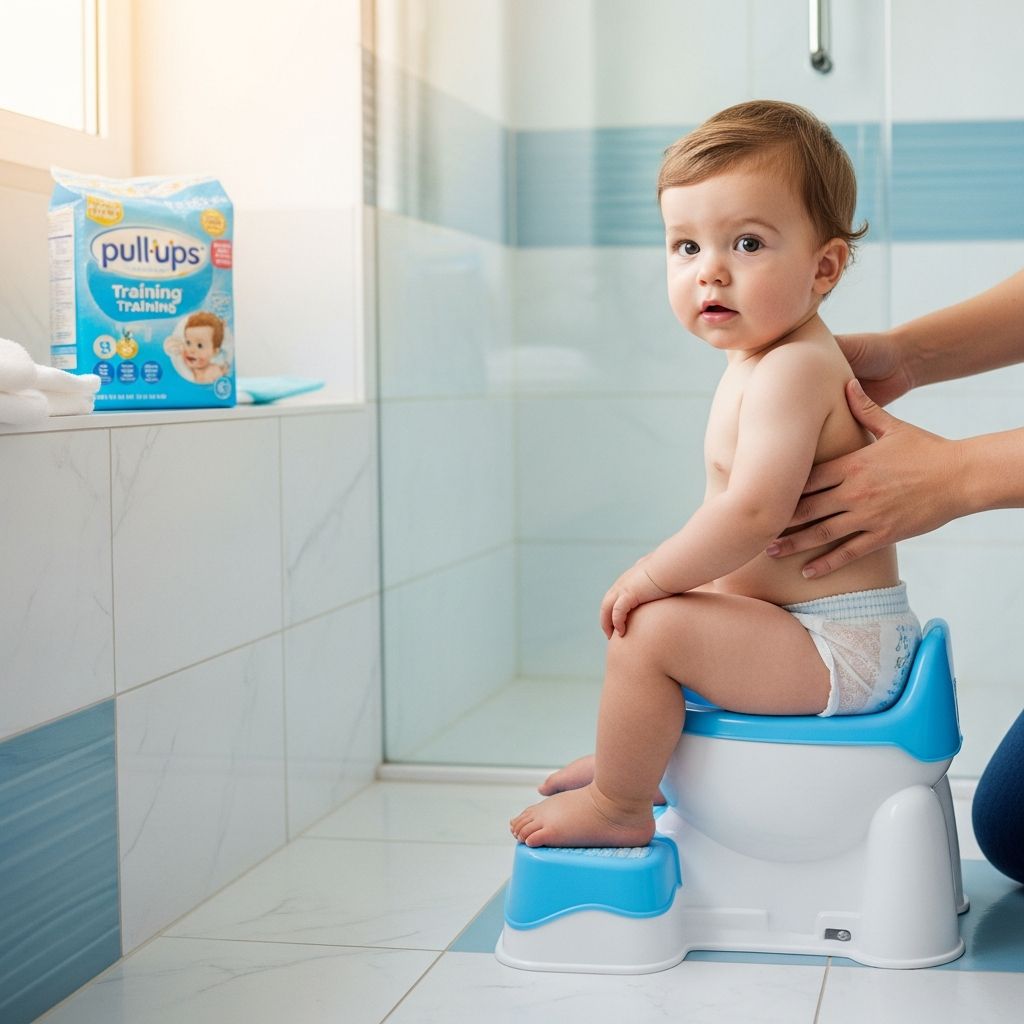
Pull-ups are a bridge between diapers and underwear, designed to help toddlers gain confidence as they learn to use the potty. Unlike traditional diapers, pull-ups are easy for little hands to pull on and off, encouraging independence and making the transition to big-kid pants smoother . They also provide a sense of accomplishment, as children often feel more grown-up wearing them.
Recognizing Readiness Signs
Every child is unique, and readiness for potty training can vary. Watch for these key indicators that your child may be ready to try pull-ups:
- Staying dry for at least two hours at a time
- Regular bowel movements at predictable times
- Showing interest in the bathroom or copying others’ behavior
- Expressing discomfort with a wet or soiled diaper
- Being able to pull pants up and down independently
- Awakening dry from naps or overnight
These signs suggest your child is physically and emotionally prepared for the next step in their development .
Creating a Supportive Potty Training Environment
Setting up a comfortable and accessible bathroom space is crucial for successful potty training. Consider these tips:
- Place a potty chair or seat adapter in a location your child can easily reach
- Use a step stool to help your child climb onto the toilet or wash hands
- Keep pull-ups, wipes, and a change of clothes within easy reach
- Decorate the bathroom with fun stickers or books to make it inviting
A welcoming environment encourages your child to use the potty regularly and reduces anxiety about the process .
Step-by-Step Potty Training Routine
Consistency is key when introducing pull-ups and potty training. Follow this gradual approach:
| Week | Focus | Actions |
|---|---|---|
| 1 | Introduction & Observation | Introduce pull-ups, explain their purpose, and watch for readiness cues . |
| 2–3 | Scheduled Potty Breaks | Encourage potty visits after waking, before meals, before naps, and before bedtime . |
| 4 | Daytime Independence | Use pull-ups consistently during the day, celebrate successes, and reinforce routine . |
| 5–6 | Transition to Underwear | Begin introducing underwear at home, continue using pull-ups for outings or naps . |
Encouraging Independence and Confidence
Empower your child by involving them in the process:
- Let your child choose their own pull-ups or underwear with fun designs
- Use simple, encouraging language to explain the process
- Offer praise and rewards for successful potty trips or dry periods
- Allow your child to help with cleanup and changing
Positive reinforcement helps build confidence and makes potty training a positive experience .
Managing Accidents and Setbacks
Accidents are a normal part of potty training. Handle them with patience and understanding:
- Remind your child that everyone makes mistakes and learning takes time
- Avoid scolding or shaming; instead, focus on effort and progress
- Keep extra pull-ups and clothes on hand for quick changes
- Reinforce the routine and celebrate small victories
Consistency and encouragement will help your child overcome setbacks and continue making progress .
Nighttime Potty Training Tips
Nighttime training often takes longer than daytime training. Consider these strategies:
- Use pull-ups designed for nighttime for added absorbency and comfort
- Encourage a bathroom trip right before bedtime
- Limit drinks 1–2 hours before bed (unless advised otherwise by a pediatrician)
- Use waterproof mattress and pillow covers for protection
- Add a nightlight to make late-night trips less intimidating
Most children will continue to use pull-ups at night until they consistently stay dry overnight .
FAQs About Potty Training with Pull-Ups
When should I start using pull-ups for potty training?
Begin using pull-ups when your child shows physical and behavioral readiness signs, such as staying dry for longer periods and showing interest in the potty .
Are pull-ups better than diapers for potty training?
Pull-ups are designed to be easier for children to manage independently, making them a helpful tool during the transition from diapers to underwear .
How long does potty training with pull-ups usually take?
Most children take several weeks to a few months to become consistently dry during the day, with nighttime training often taking longer .
Should I use pull-ups at night during potty training?
Yes, pull-ups designed for nighttime use provide extra protection and comfort, helping your child stay dry and confident as they learn .
What if my child resists using pull-ups or the potty?
Be patient and avoid pressure. Offer encouragement, make the process fun, and let your child set the pace. If resistance continues, consider pausing and trying again in a few weeks .