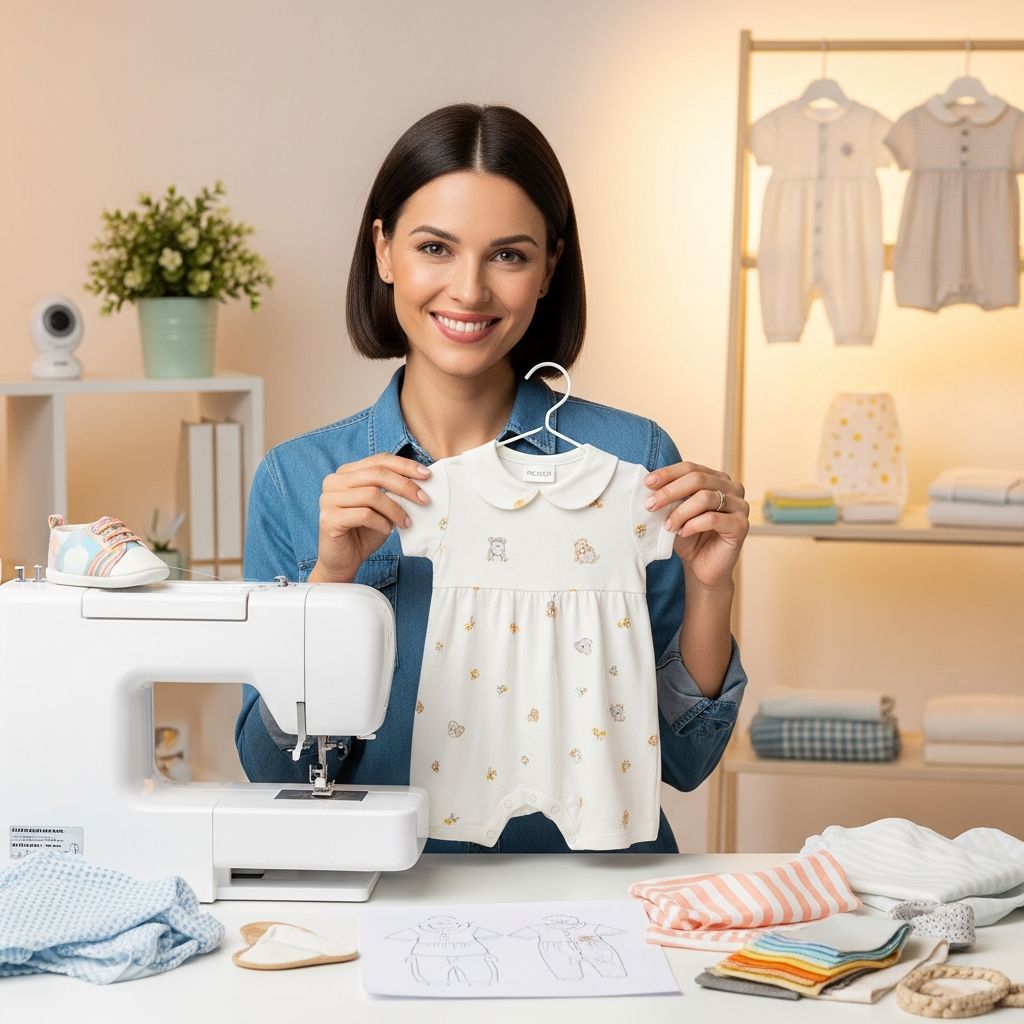
A stay-at-home mom with a creative vision for comfortable baby wear launched a venture that exploded into national fame. Facing everyday parenting challenges, she identified a market gap for high-quality, affordable infant clothing and built a brand now sold in major retailers.
The Spark of Inspiration in Everyday Parenting
Parenting young children often reveals unmet needs in the marketplace. For many mothers, standard baby clothes felt either too stiff or overpriced. This realization hit one mom hard while dressing her infant, prompting her to experiment with softer fabrics at home. What began as personal sewing projects evolved into a prototype line emphasizing bamboo blends for ultimate comfort.
- Daily diaper changes highlighted fabric irritations on delicate skin.
- Store-bought options lacked adjustability for fast-growing babies.
- Home trials with natural materials proved superior breathability and softness.
This hands-on approach mirrored broader trends where parents innovate solutions for their families, turning hobbies into viable enterprises. According to U.S. Small Business Administration data, home-based businesses account for over 50% of new startups, many led by women balancing family life.
Building the Foundation: Prototypes and First Sales
Transitioning from idea to product required resourcefulness. She sourced affordable bamboo fabric online and designed footless onesies with envelope necks for easy changes. Initial batches were produced in small quantities using a home sewing machine, tested on her own child.
| Stage | Actions Taken | Outcomes |
|---|---|---|
| Research | Fabric sampling and pattern drafting | Identified bamboo as ideal for softness |
| Production | Home sewing of 50 units | Positive family feedback |
| Testing | Real-world wear trials | No rashes, perfect fit evolution |
Local sales at craft fairs yielded quick wins, with buyers praising durability and style. Word-of-mouth spread rapidly among parent groups, confirming demand for adjustable, skin-friendly apparel.
Scaling Up: From Kitchen Table to E-Commerce Powerhouse
With proven demand, she invested savings into a basic online store. Platforms like Shopify enabled seamless setup, handling inventory and payments. Social media became her marketing engine, sharing authentic photos of happy babies in the clothes.
- Instagram reels of dressing demos went viral, driving 1,000+ orders monthly.
- Email newsletters built a loyal subscriber base with launch alerts.
- Partnerships with mom influencers amplified reach organically.
Revenue hit six figures within a year, allowing outsourcing to ethical manufacturers. This pivot maintained quality while boosting output to meet surging orders. The brand’s unique selling point—patent-pending adjustable snaps for growth spurts—set it apart from competitors.
Navigating Challenges: Balancing Family and Business Growth
Growth brought hurdles like supply chain delays and inventory management. As a solo mom, she juggled nap times with order fulfillment, often shipping packages late at night. Burnout loomed, but strategic hires for packing freed her focus for design.
Financial strains tested resilience; initial loans covered fabric costs amid slow seasons. She bootstrapped by reinvesting profits, avoiding heavy debt. Lessons learned included prioritizing customer service—prompt refunds built trust—and adapting to feedback, like adding prints after requests.
Success demands flexibility; what works for one child may need tweaks for the next.
The Shark Tank Breakthrough: National Spotlight
Pre-Shark Tank buzz positioned the brand strongly, with boutiques stocking items nationwide. The TV pitch showcased prototypes and sales data, securing a deal that injected capital for expansion. Post-episode, website traffic surged 10,000%, crashing servers temporarily.
This exposure landed deals with major chains like Nordstrom, validating the homegrown model. The investor partnership provided mentorship on scaling ethically, ensuring fair labor practices.
Business Strategies That Drove Explosive Growth
Key tactics included niche focus on 0-24 month sizes, emphasizing sustainability with organic dyes. Direct-to-consumer sales maximized margins at 60%, versus retail’s 40%.
- Customer-Centric Design: Iterative updates based on reviews.
- Digital Marketing Mastery: User-generated content campaigns.
- Efficient Operations: Dropshipping tests refined logistics.
- Community Building: Facebook groups for wearer parents.
Analytics tools tracked top sellers, like neutral rompers, guiding stock decisions. This data-driven method mirrors strategies in successful children’s apparel ventures.
Empowering Other Parents: Lessons for Aspiring Mompreneurs
Her story inspires stay-at-home parents worldwide. Start small: prototype without perfection. Leverage free tools like Canva for branding and Etsy for initial sales. Network in local mom groups for honest beta testing.
- Validate ideas via pre-orders to minimize risk.
- Document the journey on TikTok for organic growth.
- Seek grants for women-owned businesses through SBA programs.
Mindset matters—embrace failures as data points. Many similar ventures, like those by architectural moms pivoting to softwear lines, thrive by solving real pain points.
Product Innovation and Future Expansion Plans
Beyond onesies, the line now includes swaddles, bibs, and toddler sets. Upcoming launches feature eco-friendly packaging and size-inclusive options up to 4T. International shipping targets Europe next year.
Sustainability drives innovation: recycled bamboo initiatives reduce waste. Collaborations with pediatricians endorse skin-safe claims, boosting credibility.
Frequently Asked Questions
What fabrics does the brand use primarily?
Bamboo viscose blends for exceptional softness and breathability, hypoallergenic for sensitive skin.
How adjustable are the clothing designs?
Patented snap systems allow 2-3 inches of growth per garment, extending wear by months.
Is the business still family-run?
Core design remains mom-led, with a team handling operations for scalability.
Where can I buy the products?
Online store, select boutiques, and major retailers like Neiman Marcus post-Shark Tank.
Tips for starting a similar home business?
Focus on one hero product, test locally, and scale with sales data.
Impact on the Children’s Apparel Market
This venture disrupted a market dominated by fast fashion, prioritizing quality over quantity. Sales growth reflects parent demand for durable, cute options. Industry reports note boutique brands gaining 15% market share annually.
Her success story, echoed in cases like two moms quitting corporate for kids’ wear hits, proves parental insight fuels innovation. It empowers more families to monetize everyday expertise.
References
- 2 Moms Leave Corporate, Find Success Making Kids’ Clothing — CBS Boston / WBZ-TV. 2018-approx. https://www.youtube.com/watch?v=cfKWLJ1fSQo
- How This Entrepreneur Started (and Re-Started) a Successful Baby Clothes Business — Entrepreneur.com. 2021-07-20. https://www.entrepreneur.com/leadership/how-this-entrepreneur-started-and-re-started-a-successful/341896
- How one stay-at-home mom turned a baby clothing idea into an amazing business — Mother.ly. 2020-approx. https://www.mother.ly/life/how-one-stay-at-home-mom-turned-a-baby-clothing-idea-into-an-amazing-business/