In 2020, the global COVID-19 pandemic reshaped nearly every aspect of daily life, including cherished holiday traditions like visiting Santa Claus. Families faced tough choices: skip the magic altogether or find innovative ways to connect with the jolly old elf while prioritizing health and safety. This article delves into the creative adaptations that kept the Christmas spirit alive, drawing from real-world examples of virtual encounters, distanced interactions, and tech-driven experiences.
The Shift to Virtual Santa Experiences
One of the most prominent changes was the rapid pivot to virtual Santa visits. With in-person gatherings deemed too risky due to surging case numbers, professional Santas turned to video platforms like Zoom to bring joy directly into homes. These sessions, often priced between $20 and $100 depending on duration and add-ons like personalized video recordings, allowed children to chat with Santa from the comfort of their living rooms.
For many performers, this transition wasn’t seamless. Santa Bob Jordan, a seasoned portrayer from outside Boston, exemplified the challenges. Accustomed to lively private parties, he invested in a webcam and “Zoom for Dummies” guides to master the technology. Despite initial glitches—like connectivity issues during test runs—these virtual visits proved rewarding, offering a personal touch that felt surprisingly intimate.
Virtual options exploded in popularity. Malls like the Mall of America introduced “The Santa Experience,” a live Zoom call straight from the North Pole, complete with elf interactions. Another innovation, the Candy Cane Institute, provided an 8-to-12-minute interactive adventure ending with a Santa chat, available by reservation for $20 plus tax. These setups ensured no physical contact while delivering tailored messages about wish lists and good behavior.
Safe In-Person Alternatives: Distance, Barriers, and Masks
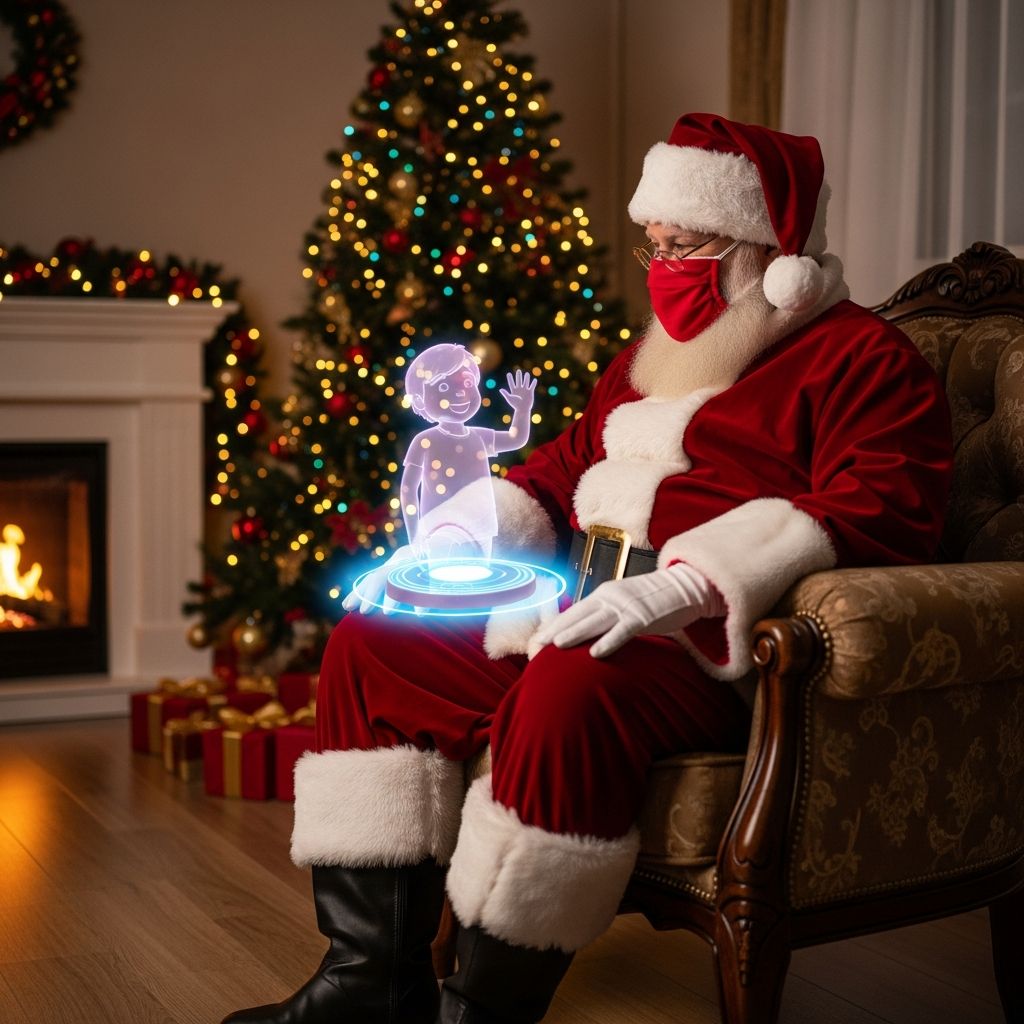
Not all families opted for screens; some venues crafted contactless in-person experiences. Santas combined outdoor settings, physical barriers, masks, and social distancing to minimize risks. At places like Bass Pro Shop, children stood behind sanitized acrylic panels separating them from Santa, who wore protective gear. This setup allowed for traditional photo ops without direct touch.
Malls and retail centers got creative too. While some paused experiences due to local restrictions—like Minnesota’s temporary ban on entertainment activities in stores—others persisted with touch-free innovations. Rosedale Center in Roseville planned an augmented reality sleigh ride where kids steered Santa’s sleigh via hand gestures on a screen, though it was briefly postponed.
- Key safety measures included:
- Acrylic barriers wiped down between families.
- Santas and staff in masks or face shields.
- Outdoor venues to leverage fresh air and space.
- Pre-booked time slots to control crowds.
- No sitting on Santa’s lap—waving from afar instead.
These protocols aligned with public health guidelines, emphasizing ventilation, hygiene, and limited exposure. Parents appreciated the balance of tradition and caution, often sharing photos of beaming kids waving excitedly.
Challenges Faced by Santa Performers
Behind the beard, Santas grappled with their own hurdles. Many, like those in Minnesota, navigated state-mandated pauses on mall events. Others, tech novices, spent hours troubleshooting video calls. The emotional toll was real—missing the hugs and squeals of delight that define the role—but perseverance paid off. Virtual visits sometimes fostered deeper connections, as families gathered around devices for shared storytelling.
Some Santas chose to sit out the season entirely, prioritizing health amid high community transmission rates. Those who continued often underwent regular testing and followed strict hygiene routines, modeling responsibility for young audiences.
Family Perspectives: Keeping the Magic Alive
From a parent’s viewpoint, 2020 Santa visits tested adaptability. Weekend TODAY’s Dylan Dreyer shared her son Calvin’s remote chat, where he proudly declared himself ‘nice’ and requested race cars. Such moments reinforced belief in holiday wonder, even through a screen.
Families reported high satisfaction with hybrids: virtual for convenience, in-person for photos when feasible. The emphasis shifted from physical proximity to emotional presence, teaching kids about resilience and empathy in tough times.
| Visit Type | Pros | Cons | Cost Range |
|---|---|---|---|
| Virtual (Zoom) | Fully contactless, home-based, personalized videos | Tech glitches, less ‘real’ feel | $20-$100 |
| Barrier Photos | Traditional photos, quick visits | Weather-dependent, queues | $10-$40 |
| AR/Interactive | Fun, engaging tech | Availability limited by rules | $15-$25 |
| Outdoor Distanced | Fresh air, no indoor crowds | Cold weather challenges | Free-$30 |
Lessons for Future Holidays
The 2020 adaptations set precedents for inclusive, flexible traditions. Virtual Santa became a staple, expanding access for remote or mobility-limited families. Barriers and distancing influenced event planning beyond holidays, promoting safer public interactions.
Health experts from the CDC recommended similar strategies for respiratory illnesses, underscoring handwashing, masks, and ventilation—principles Santas embodied. This era highlighted community ingenuity, proving holidays thrive on creativity over convention.
Frequently Asked Questions
Can kids still sit on Santa’s lap in 2020?
No, laps were off-limits to prevent germ spread. Alternatives like barriers or virtual hugs replaced physical contact.
How much do virtual Santa visits cost?
Prices ranged from $20 for basic chats to $100 for extended sessions with recordings.
Were all malls offering Santa experiences?
Not initially; some paused due to restrictions but resumed with modifications post-guideline updates.
Did Santa wear masks during visits?
Yes, in in-person settings, Santas donned masks or shields while maintaining a festive appearance.
Can virtual visits feel as magical?
Absolutely—personalized interactions and elf helpers made them engaging and memorable.
Broader Impacts on Holiday Traditions
Beyond Santa, 2020 prompted reevaluations of parades, markets, and gatherings. Drive-thru light displays and masked carolers emerged, blending nostalgia with necessity. Parents wove these stories into lessons on science and kindness, enhancing the season’s educational value.
Economically, virtual services boosted small businesses run by independent Santas, who marketed via social media. This democratization allowed more diverse portrayals, enriching cultural representations of the holiday icon.
Psychologically, maintaining rituals supported mental health amid isolation. Studies later affirmed that adapted traditions reduced anxiety in children, fostering security. Santas’ efforts symbolized unwavering joy, a beacon in uncertain times.
References
- He’s making a safety list, checking it twice: Santa adjusts to pandemic visits — MPR News. 2020-12-11. https://www.mprnews.org/story/2020/12/11/santa-adjusts-to-pandemic-visits
- Santa is spreading Christmas cheer in a new way in 2020 | TODAY — TODAY (YouTube). 2020. https://www.youtube.com/watch?v=HNO7ClmCJ_Q
- Santa adjusts to new normal of coronavirus pandemic — CBS News. 2020-12. https://www.cbsnews.com/news/santa-coronavirus-pandemic-new-normal/
- Photos With Santa May Look A Lot Different in 2020 [VIDEO] — 1079ishot. 2020. https://1079ishot.com/photos-with-santa-may-look-a-lot-different-in-2020-video/
- Photos with Santa: How has 2020 changed a family tradition? — KOAA News. 2020. https://www.koaa.com/open/photos-with-santa-how-has-2020-changed-a-family-tradition