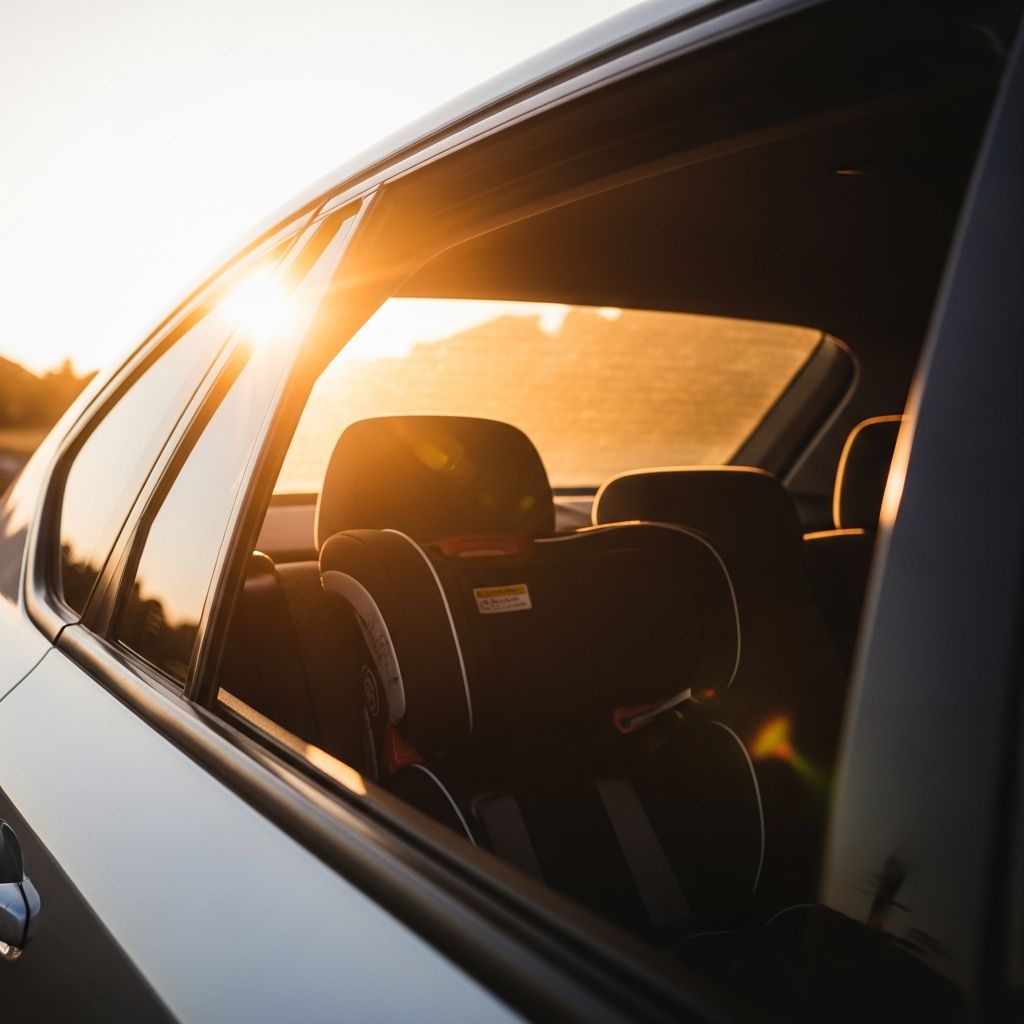
Every year, preventable tragedies claim the lives of young children left in hot vehicles, with interior temperatures soaring to lethal levels in minutes. These incidents, known as pediatric vehicular heatstroke, highlight a critical safety gap that demands awareness and action from parents, caregivers, and communities.
The Alarming Reality of Child Heatstroke Fatalities
Pediatric vehicular heatstroke stands as the leading non-crash cause of vehicle-related deaths for children aged 14 and under in the United States. Data reveals a grim pattern: since 1990, at least 1,083 children have perished in hot cars, averaging 38 deaths annually or one every nine days. More recent figures from the National Highway Traffic Safety Administration (NHTSA) report 39 such fatalities in the previous year, up from 29 the year before, underscoring a rising trend amid changing climates.
From 1998 to 2024, comprehensive tracking shows nearly three-fourths of victims were 2 years old or younger, emphasizing the extreme vulnerability of infants and toddlers. In 2025 alone, reports indicate 14 deaths by mid-year, with spikes during warmer months. These numbers span all 50 states, though certain regions like Alabama, Arizona, California, Florida, Georgia, Louisiana, North Carolina, Tennessee, Texas, and Virginia report higher incidences due to prolonged heat exposure.
Tragedies occur year-round, not just in summer. Even mild weather poses risks, as seen in cases during spring or fall when outdoor temperatures hover around 60°F (15°C), yet car interiors can exceed 110°F (43°C). Climate change exacerbates this, promising more frequent hot days and heightened dangers.
Why Car Interiors Turn Deadly So Quickly
Vehicles act like greenhouses, trapping solar radiation and converting it into intense heat. Studies demonstrate that on a clear day with ambient temperatures between 72°F and 96°F (22°C-35°C), interior temperatures rise an average of 3.2°F (1.8°C) every five minutes, with 80% of the increase happening in the first 30 minutes. Cracking windows offers negligible protection; dark-colored cars heat faster than light ones, but both become hazardous rapidly.
| Outdoor Temp (°F) | Interior After 30 Min (°F) | Interior After 60 Min (°F) |
|---|---|---|
| 72 | 100 | 117 |
| 78 (light sedan) | ~95 | 104+ |
| 78 (dark sedan) | ~100 | 109+ |
| 96 | 120+ | 140+ |
Consumer Reports testing confirms these patterns: on a 78°F day, a light sedan’s interior hit over 104°F in one hour, while a dark one reached 109°F, continuing to climb thereafter. NHTSA warns that at 60°F outside, interiors can still reach 110°F over hours. Children’s bodies overheat 3-5 times faster than adults’, with heatstroke onset at 104°F core temperature and death risk at 107°F.
Common Scenarios Leading to Tragedy
Fatalities stem from three primary situations, each requiring specific vigilance.
- Forgotten Children (53% of cases): Caregivers, overwhelmed by routine changes or distractions, unintentionally leave kids behind. Nearly half of these occur when intending to drop off at daycare.
- Children Accessing Vehicles Unsupervised (25%): Curious toddlers play and climb into unlocked cars, unable to exit as heat builds. This peaks on warmer days when kids are outdoors.
- Intentional Short Leaves (21%): Parents leave sleeping babies or run quick errands, underestimating speed of heat buildup.
End-of-week days like Thursdays and Fridays see the most incidents, often in home driveways or parking lots. From 2000-2016, analysis of 541 cases across 45 states showed most were accidental, with criminal charges in 58%.
Physiological Vulnerabilities in Young Children
Infants and toddlers lack effective cooling mechanisms. Their higher surface-area-to-body-mass ratio causes faster heat absorption, while immature sweat glands hinder evaporation. A child left briefly can suffer irreversible organ damage or death; simulations show heatstroke in under an hour at 79°F starting interior temps, or minutes at higher.
Core symptoms include hot dry skin, rapid heartbeat, and unconsciousness. Survival rates drop sharply without immediate cooling and medical intervention.
Proven Prevention Strategies for Families
Eliminating risks requires habit changes and tools. NHTSA outlines a multi-layered approach:
- Establish Routines: Place a personal item like phone or purse in the back seat to prompt checking. Set phone reminders for drop-offs.
- Lock Vehicles Always: Keep cars secured, even in driveways, to block child access. Store keys remotely.
- Use Tech Aids: Install rear seat alerts on new cars (mandated post-2025). Apps or devices chime if back doors opened without trunk.
- Awareness Campaigns: Talk to childcare providers about confirming child arrival. Look before locking.
- Community Vigilance: If seeing a child alone in a car, call emergency services immediately—every minute counts.
Additional tips:
- Park in shade when possible.
- Use reflective sunshades.
- Never leave kids unattended, even briefly, regardless of weather.
Broader Implications and Policy Advances
With over 1,165 deaths since 1990 and 7,500 injuries, advocacy groups push for federal mandates. The 2025 H.R. 3780 requires rear seat reminders in all new vehicles by 2028, potentially saving lives. States with laws prosecuting caregivers see varied enforcement, but education remains key.
Climate shifts mean more hot days, urging proactive measures. Communities must normalize checking cars daily for forgotten children or animals.
Frequently Asked Questions
Is it safe to leave a child in a car with windows cracked on a mild day?
No. Even at 57°F outside, interiors heat lethally fast; cracking windows does little.
How quickly does a car get too hot for a child?
In 10 minutes, temps can rise 20°F; most rise occurs in first 30 minutes.
What should I do if I see a child alone in a hot car?
Call 911 immediately. Assess responsiveness; if safe, attempt rescue after alerting authorities.
Are hot car deaths only a summer problem?
No, they occur year-round, especially in warmer climates.
Do car color or features matter much?
Dark cars heat faster, but all pose risks; no feature fully mitigates.
Empowering Action: A Call to Protect
Knowledge equips us to break this cycle. Commit to routines, tech, and vigilance—simple steps avert irreversible harm. Share this with networks to amplify safety.
References
- Children left in hot cars: Data and research on vehicular heatstroke — Journalist’s Resource. 2025-06-25. https://journalistsresource.org/health/child-dead-left-hot-car-research/
- Hot Cars and Heatstroke — Child Care Aware of Virginia. N/D. https://vachildcare.com/safety-resources/vehicle-safety/hot-cars-and-heatstroke/
- Hot Car Fatalities Are a Year-Round Threat to Children and Pets — Consumer Reports. 2015-09-09 (updated data 2025). https://www.consumerreports.org/cars/car-safety/hot-car-fatalities-year-round-threat-to-children-pets-heat-stroke-a2015990109/
- You Can Help Prevent Hot Car Deaths — National Highway Traffic Safety Administration (NHTSA). N/D. https://www.nhtsa.gov/child-safety/you-can-help-prevent-hot-car-deaths
- Children, Pets and Vehicles — National Weather Service. N/D. https://www.weather.gov/safety/heat-children-pets
- 2025 Child Hot Car Deaths — Kids and Car Safety. N/D. https://www.kidsandcars.org/2025-child-hot-car-deaths