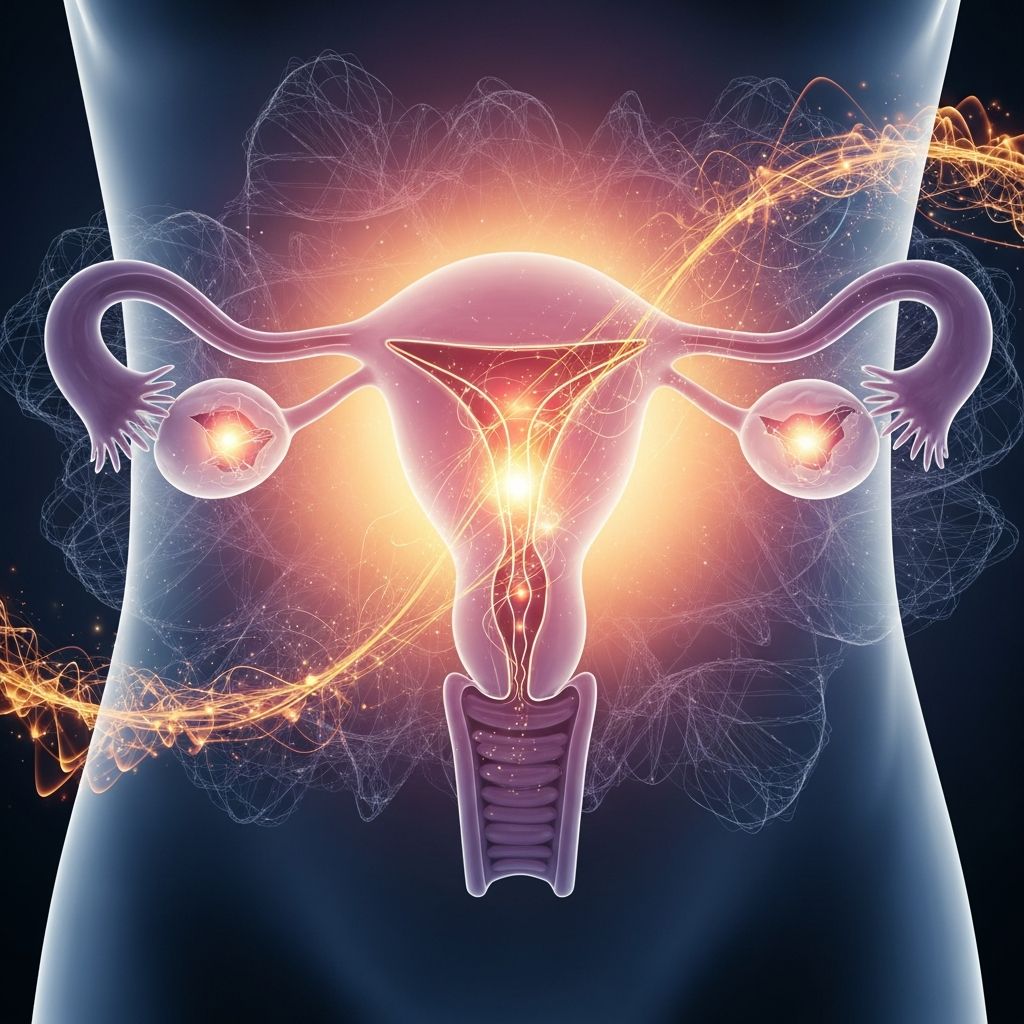
Recent large-scale research has illuminated the relationship between hormonal contraceptives and breast cancer, showing a modest increase in risk that varies by formulation and usage patterns. While the absolute risk remains low, understanding these findings empowers women to weigh benefits against potential drawbacks.
Understanding the Science Behind Hormonal Contraceptives
Hormonal birth control methods, including pills, implants, injections, and intrauterine devices (IUDs), work by delivering synthetic versions of estrogen and progestin to prevent ovulation, thicken cervical mucus, and alter the uterine lining. These hormones mimic natural cycles but can influence cell growth in hormone-sensitive tissues like the breast.
Breast tissue contains receptors for these hormones, which may promote proliferation in some cases. Studies consistently note that current or recent use elevates risk slightly, but this effect diminishes over time after discontinuation.
Key Findings from Major Population Studies
A comprehensive Swedish study tracking over 2 million women aged 13-49 from 2006-2019 found that hormonal contraceptive users had a 24% higher relative breast cancer risk compared to non-users. This translated to about 13 additional cases per 100,000 women annually, or roughly one extra case per 7,800 users yearly.
Earlier research, such as a 2017 Danish cohort analysis, reported similar patterns: a 20% increased risk for current or recent users of combined oral contraceptives, varying by specific hormone types from 0% to 60%.
- Combined estrogen-progestin pills: Modest risk elevation during use.
- Progestin-only methods: Comparable or slightly higher risks in some formulations.
- Risk peaks with longer duration but resolves 5-10 years post-use.
Variations in Risk by Contraceptive Type
Not all hormonal methods carry identical risks. Progestin type plays a critical role, as highlighted in the Uppsala University analysis published in JAMA Oncology.
| Contraceptive Type | Relative Risk Increase | Notes |
|---|---|---|
| Desogestrel (pill/implant) | Up to 50% (long-term) | Highest risk among studied progestins. |
| Levonorgestrel IUD | ~20% (long-term) | Lower than desogestrel; common in Sweden. |
| Drospirenone + estrogen pills | No increase | Potentially safer for high-risk women. |
| Depot medroxyprogesterone injections | No increase | Neutral risk profile. |
| Etonogestrel implant | 24-26% | Recent use drives risk; persists in former long-term users. |
An Australian nested case-control study of over 176,000 women confirmed elevated breast cancer odds with levonorgestrel IUDs (OR=1.26) and etonogestrel implants (OR=1.24), with risks tied to recency and duration.
Absolute vs. Relative Risk: Putting Numbers in Perspective
Relative risks sound alarming—a 24% increase—but absolute risks are small because breast cancer is rare in premenopausal women. Baseline incidence is about 54 cases per 100,000 annually, rising to 67 with hormonal use.
For context:
- A young woman’s lifetime breast cancer risk is ~12% without contraceptives.
- Hormonal methods prevent hundreds of ovarian and endometrial cancers per user.
- Benefits often outweigh breast cancer risks for most, per expert consensus.
Duration of Use and Risk Trajectory
Risk escalates with prolonged exposure: 5-10 years of desogestrel use linked to nearly 50% higher odds, versus under 20% for levonorgestrel. Current/recent users face the highest short-term elevation, consistent across decades of data.
Post-discontinuation, risks normalize: no elevation after 10 years for oral pills per a meta-analysis of 54 studies (n=150,000+ women). Progestin-only methods show similar fade-out, though long-term implant data is emerging.
Other Factors Influencing Breast Cancer Risk
Hormonal contraceptives interact with personal risk profiles:
- Family history/genetics: BRCA mutations amplify baseline risk; consult providers for tailored advice.
- Age at first use: No consistent pre-full-term pregnancy risk per large reviews.
- Lifestyle: Obesity, alcohol, and nulliparity compound risks independently.
- Screening: Regular mammograms detect issues early, mitigating impacts.
Combined pills reduce ovarian (30-50%) and endometrial cancers long-term, balancing the equation.
Protective Effects on Other Cancers
Beyond breast cancer concerns, hormonal methods offer substantial protections:
- Ovarian cancer: 30-50% risk reduction with 5+ years use.
- Endometrial cancer: Up to 50% lower incidence.
- Colorectal cancer: Modest decrease observed in cohorts.
These offsets are crucial for holistic risk assessment.
Navigating Choices: What Women Should Discuss with Providers
Individualized counseling is key. Factors like medical history, preferences, and alternatives (e.g., non-hormonal copper IUDs, barriers) guide decisions. Recent users should monitor via self-exams and screenings.
Emerging formulations like drospirenone pills show promise as lower-risk options. Research evolves; stay informed via reputable sources.
Frequently Asked Questions (FAQs)
Does all hormonal birth control increase breast cancer risk equally?
No, risks vary: desogestrel elevates more than levonorgestrel or drospirenone combos. Overall increase is ~20-24% for current use.
How long does the risk last after stopping?
Typically 5-10 years; no elevation after a decade for most oral methods.
Are progestin-only options safer?
Not necessarily; some like implants show similar risks to combined pills.
Should I stop birth control due to cancer fears?
Not without provider input—benefits for other conditions/cancers often prevail, and absolute risk is low.
Who faces higher risks from hormonal contraceptives?
Those with family history, long-term users of high-risk progestins, or current smokers.
Future Research Directions
Ongoing studies refine understandings, focusing on newer progestins, genetic interactions, and global populations. Registries like Sweden’s enable robust tracking. Women benefit from evidence-based updates for proactive health management.
References
- Breast Cancer and Birth Control: A Huge New Study Shows How … — KFF Health News. 2024-10-15. https://kffhealthnews.org/news/article/breast-cancer-hormonal-contraceptives-birth-control-social-media-misinformation/
- Long-acting, progestin-based contraceptives and risk of breast … — Journal of the National Cancer Institute (Oxford Academic). 2025-05-01. https://academic.oup.com/jnci/article/117/5/1046/7951389
- Oral Contraceptives (Birth Control Pills) and Cancer Risk – NCI — National Cancer Institute. 2023-08-09. https://www.cancer.gov/about-cancer/causes-prevention/risk/hormones/oral-contraceptives-fact-sheet
- Study Finds Breast Cancer Risk Varies Between Different Hormonal … — The ASCO Post. 2025-11-01. https://ascopost.com/news/november-2025/study-finds-breast-cancer-risk-varies-between-different-hormonal-contraceptives/
- Oral Contraceptives and Breast Cancer: A Review of the … – NCBI — National Center for Biotechnology Information. 1991-01-01. https://www.ncbi.nlm.nih.gov/books/NBK234348/
- Birth Control & Cancer: Which Methods Raise, Lower Risk — American Cancer Society. 2024-06-12. https://www.cancer.org/cancer/latest-news/birth-control-cancer-which-methods-raise-lower-risk.html
- The birth control pill and cancer: Is there a link? | UT MD Anderson — MD Anderson Cancer Center. 2023-05-17. https://www.mdanderson.org/cancerwise/the-pill-and-cancer-is-there-a-link.h00-159779601.html