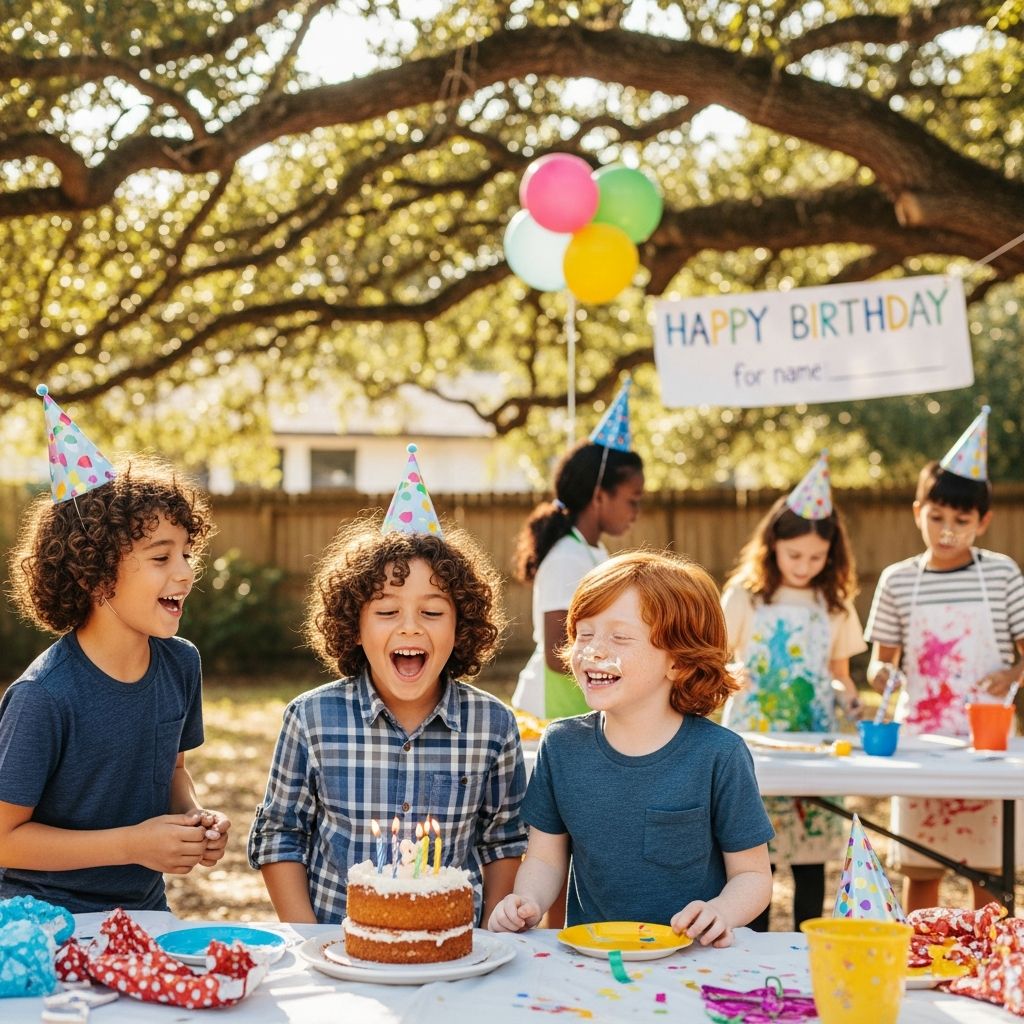
Modern parenting often grapples with the delicate balance of fostering genuine experiences amid societal expectations. One emerging trend gaining traction is the use of refreshingly straightforward birthday invitations for children. These invites ditch sugarcoating in favor of clear, direct language that outlines exactly what guests can expect or not expect at the event. This approach not only reduces confusion but also models authenticity for young minds navigating social norms.
Why Straightforward Invites Are Gaining Popularity
In an era where social media amplifies every celebration, parents are rethinking traditional party norms. Honest invitations address common pain points like overwhelming gift piles, mismatched expectations, and exclusionary drama. By being upfront, hosts prevent awkward moments and promote a culture of transparency. For instance, specifying “no gifts” or “modest fun only” sets the tone early, allowing families to focus on joy rather than obligations.
This shift aligns with broader child development goals. Experts note that clear communication helps children understand boundaries, manage disappointment, and appreciate shared experiences over material gains. Parents report less stress in planning, as guests arrive prepared and unburdened by gift-giving pressure.
Core Elements of an Effective Honest Invitation
Crafting an invitation that balances candor with warmth requires thoughtfulness. Key components include:
- Date, Time, and Venue: Precise details eliminate guesswork.
- Guest Expectations: State dress code, activities, or dietary needs upfront.
- Gift Policy: Clearly declare “no gifts,” suggest alternatives like donations, or cap spending.
- Tone Setter: Use light-hearted language to convey fun without pretense, e.g., “Come for cake and chaos, leave your wallet at home!”
Visuals matter too opt for playful designs that match the honest vibe, perhaps with cartoon characters holding “no presents” signs for humor.
Navigating the Guest List Dilemma
Deciding whom to invite tops the list of parental headaches. School rules often mandate all-class invites to avoid hurt feelings, leading to bloated rosters and budget strains. Yet, enforcing blanket inclusion ignores natural friendships and teaches unrealistic social dynamics.
A balanced strategy: Prioritize close friends and siblings’ circles, aiming for 10-15 attendees for manageability. For larger groups, hybrid events like park picnics work well. Discreet distribution is crucial hand delivers via backpacks or digital sends prevent public snubs. This respects privacy while modeling empathy.
| Scenario | Pros of Selective Invites | Cons | Best Practice |
|---|---|---|---|
| Small Class (<15 kids) | Intimate, cost-effective | Potential exclusion | Invite all or core group discreetly |
| Large Class (20+ kids) | Builds broad skills | Overwhelming logistics | Theme-based subsets (e.g., sports fans) |
| Mixed Ages | Inclusive family feel | Activity mismatches | Age-appropriate zones |
Gift Policies: From ‘No Gifts’ to Thoughtful Alternatives
The phrase “no gifts, please” sparks universal anxiety does it mean truly nothing, or is a token expected? Honest invites clarify this, often proposing creative swaps like:
- Books for a classroom library.
- Donations to charities in the birthday child’s name.
- Shared experiences, such as group craft supplies.
Research from child psychologists supports minimalism; excess toys contribute to clutter and entitlement. Instead, emphasize presence over presents. If gifts arrive despite requests, graciously redirect to communal use, teaching abundance mindset.
Party Flow: Managing Presents and Gratitude
Should gifts be opened during the party? Opinions vary, but etiquette leans toward yes it honors givers’ excitement and practices gracious receiving. Schedule a dedicated 15-20 minute slot post-games, with the birthday child verbally thanking each presenter.
Post-party, instill gratitude rituals. For ages 4+, co-write thank-yous detailing why the gift mattered. Younger kids can dictate while parents scribe. Digital options like photo thank-yous add personalization without handwriting hassles.
Real Parent Stories: Lessons from the Trenches
Take Sarah, a mom of two, who issued an invite reading: “Join us for pizza, games, and zero pressure gifts not needed, your smiles are!” Relief swept through parent chats; attendance soared without the usual gift-shopping frenzy. Her kids learned contentment from a modest haul, focusing on friendships.
Conversely, Mike’s all-class bash for his son’s 6th birthday ballooned to 25 guests. Despite fun, cleanup chaos ensued, and his son felt overwhelmed by unopened piles. Next year, a honest “top 10 friends only” invite restored sanity.
These anecdotes highlight a truth: Authenticity breeds better memories than perfection.
Age-Specific Tips for Honest Party Planning
Toddlers (Ages 1-3)
Keep it tiny family plus 2-3 peers. Invites: “Short playdate with cake; no gifts needed.” Focus on sensory fun like bubbles and music.
Preschoolers (Ages 4-5)
5-8 kids max. Specify active themes: “Outdoor adventure wear play clothes, skip presents.” Teach sharing via group toys.
Early School Age (6-8)
10-12 invitees. “Nerf wars and treats donate a book instead of gifts?” Incorporate choice-making for ownership.
Digital Invites: Modern Twists on Honesty
E-invites via apps like Evite allow polls for preferences (e.g., “Pizza or tacos?”). Embed RSVPs with gift opt-outs. Pros: Eco-friendly, trackable. Cons: Digital divide for some families offer print alternatives.
Common Pitfalls and How to Avoid Them
- Overpromising: Match invite hype to reality; underdeliver breeds disappointment.
- Ignoring Allergies: Query needs in RSVP.
- Forgetting Inclusivity: For selective lists, avoid school talk.
- Skipping Follow-Up: Always express thanks promptly.
Frequently Asked Questions
What if a guest brings a gift anyway?
Thank them warmly and integrate it into group play to avoid favoritism.
Is it rude to request no gifts?
Not at all it’s thoughtful, reducing waste and pressure if stated kindly.
How do I handle kids upset about not being invited?
Validate feelings, redirect to their own friendships, and plan low-key playdates.
Should thank-yous be handwritten?
Personalized efforts count most; format fits the age and family style.
What’s the ideal party length?
1-2 hours for under 8s; attention spans wane quickly.
Building Lifelong Social Skills Through Parties
Beyond logistics, honest invites are tools for emotional intelligence. Children learn negotiation (“Can my friend come too?”), resilience (not every event includes everyone), and generosity (choosing charity over toys). Parents model these by staying composed amid chaos.
Long-term, this fosters adults who communicate directly, value experiences, and navigate rejection healthily. In a world of filtered facades, such grounding is invaluable.
References
- Child Development and Social Etiquette Guidelines American Academy of Pediatrics. 2023-05-15. https://www.aap.org/en/patient-care/developmental-milestones/
- Birthday Party Etiquette for Families Today’s Parent (official parenting resource). 2024-08-20. https://www.todaysparent.com/family/birthday-parties/birthday-party-etiquette/
- Teaching Gratitude in Early Childhood Harvard Graduate School of Education. 2022-11-10. https://www.gse.harvard.edu/ideas/usable-knowledge/22/11/teaching-gratitude
- Social Skills Development in School-Age Children Centers for Disease Control and Prevention. 2025-01-08. https://www.cdc.gov/children-mental-health/about/social-skills.html
- Minimalism and Child Well-Being World Health Organization Family Health Report. 2023-09-22. https://www.who.int/publications/i/item/9789240074270