Why Homemade Citrus Beverages Matter for Growing Children
In an era where sugary drinks dominate store shelves, creating beverages at home offers parents a meaningful opportunity to control ingredients and nutritional content. Orange spritzers represent an excellent solution for families seeking refreshing options without artificial additives, excessive sugar, or questionable preservatives. These drinks combine the natural sweetness of fresh citrus with the hydrating properties of sparkling water, creating a beverage that appeals to children while supporting their nutritional needs.
The appeal of orange spritzers extends beyond mere taste—they offer a chance for children to participate in food preparation, learn about natural ingredients, and develop healthier beverage habits from an early age. Whether served at family gatherings, afternoon snacks, or warm-weather celebrations, these drinks provide a foundation for understanding nutrition and the joy of creating something from scratch.
Understanding the Nutritional Value of Fresh Citrus
Oranges serve as nutritional powerhouses, delivering substantial quantities of essential vitamins and minerals that support children’s growth and development. The most prominent nutrient in fresh orange juice is vitamin C, a water-soluble vitamin critical for immune system function, wound healing, and the maintenance of strong bones and teeth. A single medium orange can provide a significant percentage of a child’s daily vitamin C requirements.
Beyond vitamin C, oranges contain folate, which supports cell division and development, potassium for cardiovascular health, and dietary fiber—particularly when consuming whole fruit or juice that includes pulp. These nutrients work synergistically to promote overall wellness in growing children. When parents choose fresh-squeezed orange juice rather than processed alternatives, they retain most of these beneficial compounds.
The natural sugars present in oranges differ meaningfully from added refined sugars found in commercial beverages. While oranges contain natural fructose and glucose, these arrive packaged with fiber and water that slow sugar absorption, preventing the rapid blood sugar spikes associated with processed drinks. This distinction makes homemade orange spritzers fundamentally different from sugary commercial options.
Essential Ingredients and Where to Find Them
Creating a quality orange spritzer requires just a handful of basic components, making preparation straightforward even for novice kitchen cooks:
- Fresh oranges: Select varieties with good juicing properties such as navel oranges, Valencia oranges, or blood oranges when in season. Choose fruits that feel heavy for their size and have slightly soft skin that yields gently to pressure.
- Sparkling water or club soda: This provides carbonation and hydration without added calories or sugar. Options include mineral water brands like S. Pellegrino or Topo Chico, or simple store-brand club soda.
- Natural sweetener base: Instead of refined sugar, consider honey, maple syrup, or agave nectar. A simple syrup combining these sweeteners with lemon juice provides balance and depth.
- Fresh lemon juice: This ingredient adds brightness and natural acidity, enhancing flavor complexity while reducing reliance on added sweeteners.
- Optional garnishes: Fresh mint leaves, lemon slices, orange wheels, or a light rim of kosher salt elevate presentation and flavor.
Preparation Techniques for Maximum Flavor
The foundation of an excellent orange spritzer begins with proper juice extraction. Using a mechanical citrus juicer or hand-squeezed method preserves the juice’s vibrant character and nutritional integrity. Manual juicing requires minimal equipment—simply cut oranges in half and apply downward pressure with a hand-held juicer, catching juice in a bowl below.
Creating a simple syrup enhances flavor uniformity and sweetness distribution. Combine equal parts honey or maple syrup with fresh lemon juice and water, warming the mixture gently either through brief microwave heating (20-30 seconds) or low-heat stovetop warming. This gentle approach allows the sweetener to fully integrate while lemon juice distributes evenly. Allow the syrup to cool to room temperature before combining with other ingredients.
Assembly follows a logical progression: begin with a glass containing ice cubes or crushed ice, add the cooled sweetened syrup, pour the freshly squeezed orange juice, and finally top with sparkling water added immediately before serving. This final step of adding carbonation last preserves the fizz that makes these drinks special.
Single-Serving Versus Batch Preparation
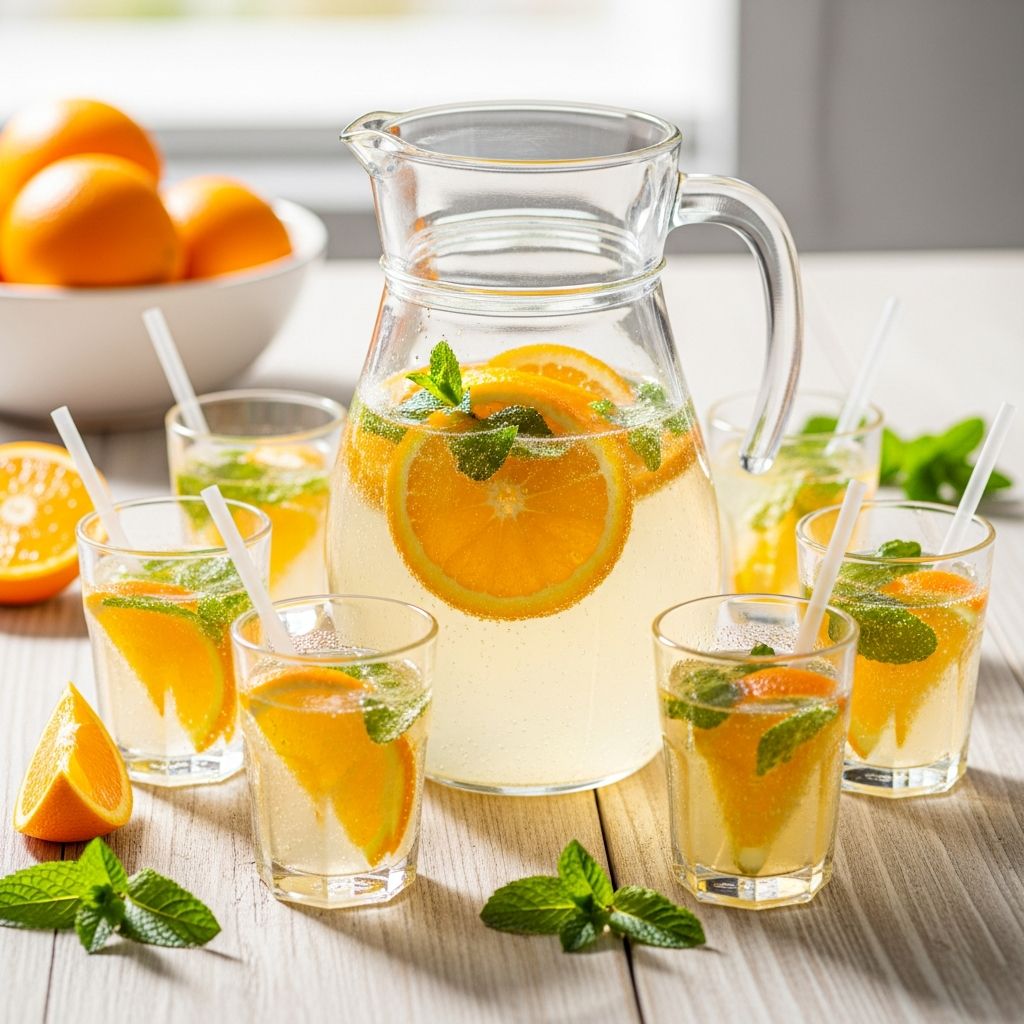
Homemade orange spritzers accommodate different serving scenarios, from quick individual drinks to large gatherings. A single-serving spritzer typically incorporates three ounces of fresh orange juice, three-quarters ounce of lemon honey syrup, and three ounces of sparkling water, yielding a balanced beverage with appropriate sweetness and citrus brightness.
For gatherings or multiple servings, scaling the recipe proportionally simplifies preparation. A four-serving pitcher combines twelve ounces of fresh orange juice with one-half cup of prepared lemon honey syrup, with sparkling water added to individual glasses rather than the pitcher. This approach maintains carbonation quality and allows guests to customize fizz levels according to preference.
A critical preparation principle deserves emphasis: never add sparkling water to a pitcher intended for storage. Carbonation dissipates rapidly, and adding it only to individual servings ensures each drink maintains its characteristic effervescence and refreshing quality throughout consumption.
Creating Flavor Variations for Diverse Preferences
While classic orange spritzers satisfy most palates, creative modifications accommodate varied taste preferences and introduce children to flavor exploration:
- Herbal infusions: Fresh mint or basil additions introduce aromatic complexity without calories. Muddle herbs gently against the glass bottom before adding other ingredients.
- Expanded citrus combinations: Mixing orange juice with grapefruit, lime, or meyer lemon juice creates multi-layered flavor profiles with interesting taste complexity.
- Tropical elements: A splash of coconut water adds subtle tropical character while increasing hydration benefits.
- Ginger and warming spices: Fresh ginger adds spicy warmth and aids digestion, particularly appealing during cooler months.
- Frozen variations: Blending juice ingredients with ice creates slushy versions perfect for warm afternoons.
Converting Spritzers into Older-Kids Beverages
While the basic orange spritzer serves wonderfully for young children, the recipe adapts easily for family gatherings including older family members. Adults may enjoy adding 1.5 ounces of vodka, gin, or tequila to create a light cocktail version. Alternatively, substituting prosecco for regular sparkling water and adding two ounces of Aperol produces a sophisticated aperol spritz variation.
This adaptability means a single basic recipe can serve multiple family members regardless of age, with additions made individually rather than to shared batches. Parents appreciate beverages that accommodate the entire family’s preferences without requiring separate preparation processes.
Practical Tips for Success
Several straightforward techniques significantly improve results when preparing orange spritzers:
- Select oranges at peak ripeness—ripe fruits with slightly yielding skin produce superior juice quantity and flavor intensity compared to harder, underripe options.
- Roll oranges gently under hand pressure before cutting; this simple action breaks down internal membranes and increases juice yield.
- Use only fresh-squeezed juice; concentrate versions produce noticeably inferior flavor and lose volatile aromatic compounds.
- Chill glasses in the freezer before assembly to maintain optimal serving temperature throughout consumption.
- Prepare the lemon honey syrup in advance and store refrigerated for several days, allowing quick drink assembly during busy schedules.
- Add sparkling water immediately before serving to preserve carbonation quality.
Nutritional Considerations and Health Benefits
A typical single-serving orange spritzer contains approximately seventy-nine calories, primarily derived from natural fruit sugars and honey. This modest caloric content makes these beverages appropriate for regular consumption without contributing to excessive calorie intake. The sugar content—approximately eighteen grams per serving—represents natural sugars rather than refined additions, with the fiber and water content of fresh juice moderating absorption rates.
The hydration component deserves particular attention when considering children’s beverages. Sparkling water contributes to daily fluid intake, supporting physical activity, cognitive function, and overall physiological processes. The combination of hydrating water with vitamin-rich citrus and antioxidant properties creates what many nutritionists consider a genuinely healthful beverage choice.
Unlike commercial beverages laden with artificial sweeteners, food coloring, or preservatives, homemade spritzers contain only identifiable ingredients families can pronounce and understand. This transparency allows parents confidence in what their children consume while supporting healthy developmental patterns.
Making Preparation a Family Activity
Beyond nutritional benefits, preparing orange spritzers offers valuable opportunities for family engagement and children’s learning. Young children can participate in washing oranges, measuring honey, and assembling final drinks under supervision. Older children might independently create the lemon honey syrup, operate juice extractors, and customize flavor variations.
This participatory approach builds confidence, teaches basic cooking skills, and creates positive associations with nutritious foods and beverages. Children who invest effort in food preparation demonstrate increased likelihood of consuming the finished products, transforming nutritious options from parental directives into personal achievements.
Common Questions About Orange Spritzers
Can I prepare orange spritzers in advance for events?
Prepare the lemon honey syrup and fresh orange juice separately in advance, storing both refrigerated. Assemble individual drinks shortly before serving by adding syrup, juice, ice, and sparkling water to preserve carbonation and optimal presentation quality.
What if fresh oranges aren’t available in my area?
Substitute cara cara oranges, regular navel oranges, or Valencia varieties. While blood oranges provide distinctive flavor during peak season, standard orange varieties create equally refreshing beverages with excellent nutritional profiles.
Are there sugar-free sweetening alternatives?
While honey and maple syrup provide the most natural approach, stevia or monk fruit sweeteners work for families preferring reduced sugar content. Begin with smaller quantities, as these alternatives often provide greater sweetness intensity than honey.
How long does the lemon honey syrup remain shelf-stable?
Refrigerated syrup maintains quality for approximately one week. Store in sealed containers and discard if mold or off-odors develop. For longer storage, prepare fresh batches as needed for optimal flavor.
Can sparkling water alternatives work equally well?
Yes, club soda, mineral water, seltzer, or generic sparkling water all produce excellent results. Select options without added sodium or artificial sweeteners for the healthiest choice, though most plain sparkling waters work perfectly.
References
- Blood Orange Spritzer Recipe and Nutritional Information — Flavorful Life. Accessed January 2026. https://flavorfulife.com/blood-orange-spritzer/
- Summer Orange Spritz: Healthy Citrus Beverage Recipe — Munching with Mariyah. Accessed January 2026. https://munchingwithmariyah.com/summer-orange-spritz/
- Aperol Spritz: Nutritional Benefits and Recipe Variations — The Epicurean Trader. Accessed January 2026. https://theepicureantrader.com/blogs/collections/aperol-spritz-on-a-low-sugar
- Lavender Orange Spritz: Healthy Beverage Benefits — St. Vincent’s Medical Center. Accessed January 2026. https://stvincents.org/about-us/news-press/news-detail?articleId=69988&publicid=395
- Orange Spritzer: A Healthy Low Calorie Non-Alcoholic Drink — Spicie Foodie. Accessed January 2026. https://www.spiciefoodie.com/orange-spritzer-a-healthy-low-calorie-non-alcoholic-drink-2/
- Nutritional Content and Health Benefits of Oranges — Divine Lifestyle. Accessed January 2026. https://divinelifestyle.com/orange-spritz-recipe-a-refreshing-citrus-cocktail/