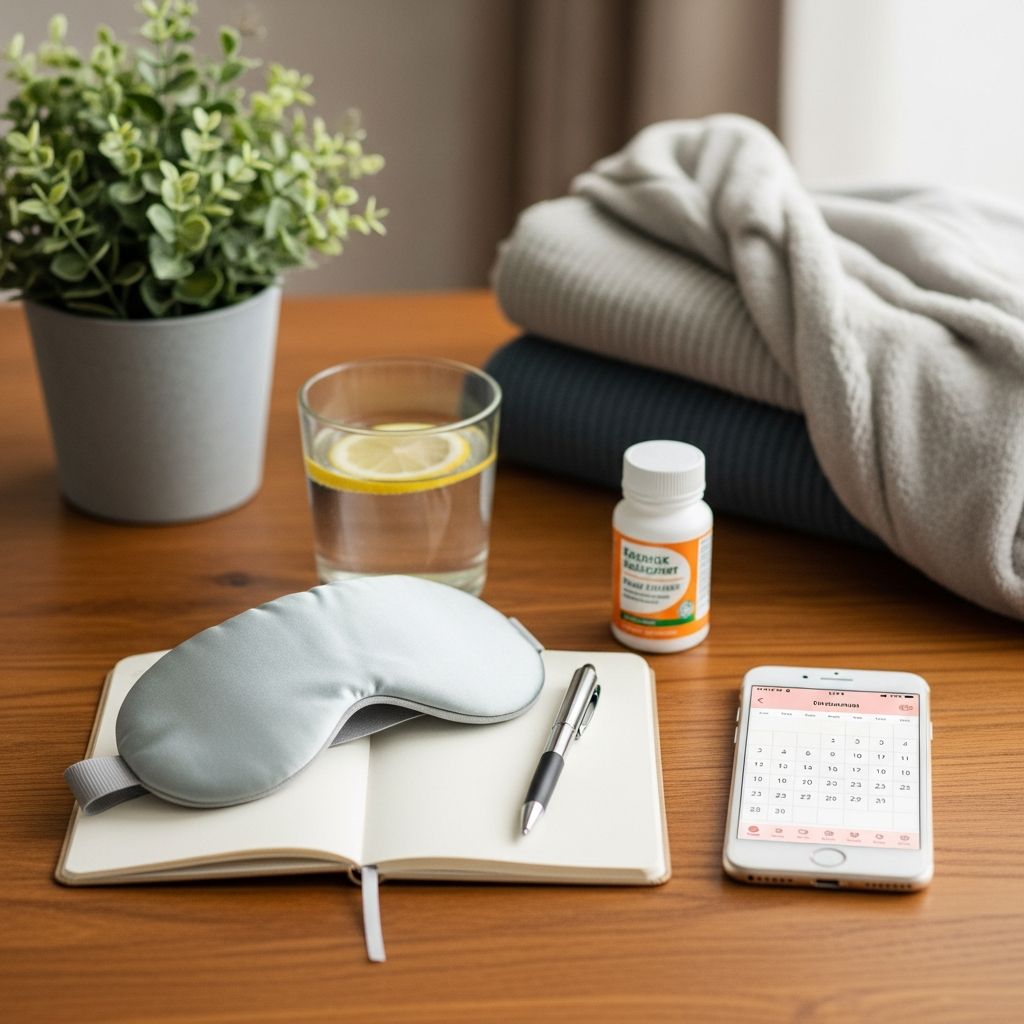
Creating a Functional Migraine Management System at Home
Living with migraines while managing a household and raising children presents unique challenges that extend beyond simple pain management. Parents experiencing migraine attacks must balance their own health needs with the constant demands of childcare, creating a complex situation that requires both preparation and practical solutions. The key to maintaining quality family life while managing chronic migraines lies in establishing a comprehensive system that includes essential tools, environmental modifications, and support strategies. By assembling the right combination of migraine relief items and implementing organized approaches, parents can reduce the impact of migraine episodes on their daily responsibilities and their children’s routines.
Thermal Therapy Solutions for Immediate Relief
Temperature-based interventions represent some of the most accessible and effective migraine management tools available to parents. Cold and warm therapies work through different mechanisms to address migraine pain, allowing individuals to discover which approach works best for their specific needs.
Cold compress applications help reduce inflammation and numb pain signals in affected areas. Parents can keep cold packs or ice bags readily accessible in their home, applying them to the temples, neck, or forehead when migraine symptoms begin to develop or intensify. The cooling effect provides relatively quick relief without requiring medication, making it particularly useful for parents who need to remain functional while caring for children. Reusable gel packs that can be stored in the freezer offer a cost-effective solution that eliminates the need to repeatedly purchase ice.
Warm compress therapy serves different migraine sufferers equally well, particularly those whose pain stems from muscular tension in the neck and shoulders. Heating pads applied to these tension-prone areas can release muscle tightness and improve circulation to compressed nerves. However, safety considerations are essential—compresses should never remain in place longer than fifteen minutes, and caregivers should avoid falling asleep while heating pads are active to prevent burns or equipment damage.
Parents may find that alternating between cold and warm applications, or experimenting with each method separately, helps identify which thermal approach provides optimal relief for their individual migraine patterns.
Creating an Optimized Rest Environment
The physical space where parents retreat during migraine episodes significantly influences the severity and duration of symptoms. Establishing a dedicated migraine-friendly room represents an investment in long-term wellness management.
Environmental factors that trigger or worsen migraines should be systematically eliminated from the rest space:
- Install blackout curtains or heavy drapes to block natural light and reduce photosensitivity discomfort
- Replace bright overhead lighting with softer, dimmer bulbs or remove them entirely in favor of low-level ambient light
- Maintain cool room temperatures, as overheating frequently exacerbates migraine symptoms
- Minimize noise exposure by closing doors, using white noise machines, or utilizing sound-dampening materials
- Avoid strong odors from perfumes, air fresheners, or cleaning products that commonly trigger attacks
- Provide comfortable seating or bedding where you can rest while maintaining awareness of children’s activities
For parents with younger children, creating a safe playroom adjacent to or visible from the rest area allows supervision while minimizing sensory stimulation. Older children can understand that quiet activities—such as reading, building with blocks, or listening to audiobooks—help their parent recover more quickly.
Medical Devices and Modern Migraine Technology
Technological advances have introduced several non-pharmaceutical options that parents can incorporate into their migraine management routines. These devices offer medication-free alternatives for individuals seeking to reduce pharmaceutical dependency or who experience medication side effects.
Non-invasive vagus nerve stimulators represent an emerging tool for migraine relief. Portable, handheld devices use gentle nerve stimulation to reduce migraine pain and prevent future attacks, with treatment sessions typically lasting less than five minutes—ideal for busy parents managing multiple responsibilities. These devices can be integrated seamlessly into daily routines without requiring significant time commitments.
Transcutaneous electrical nerve stimulation (TENS) devices and massage guns provide targeted pain relief through mechanical stimulation and electrical impulses. These tools can address the muscular tension that frequently accompanies or triggers migraine episodes. Regular use before migraines develop may help prevent episodes, while application during active attacks provides symptomatic relief.
Specialized migraine devices designed specifically for headache management have gained recognition within the migraine community. These FDA-cleared devices work through various mechanisms including cooling, stimulation, or pressure application to provide relief during acute episodes. Many manufacturers offer trial periods allowing parents to determine effectiveness before making financial commitments.
Preparing an Accessible Migraine Supply Kit
Organization is essential for parents managing migraines with children in the home. A well-stocked migraine kit ensures that essential items remain readily accessible during attacks, reducing stress and enabling quicker pain management.
Essential items for the migraine kit include:
- Over-the-counter pain relievers (ibuprofen, acetaminophen) and prescription medications prescribed by healthcare providers
- Anti-nausea medications, as nausea frequently accompanies migraine episodes
- Cold compresses, ice packs, or cooling masks designed specifically for headache relief
- Eye masks or blackout eye covers to block light while resting
- Electrolyte drinks or water bottles to address dehydration, a common migraine trigger
- Healthy snacks that are easy to consume without preparation
- Emergency contact information and migraine action plans
- Noise-canceling headphones to minimize auditory sensory overload
Storing this kit in an easily accessible location—rather than buried in a cabinet or bathroom—ensures parents can quickly gather necessary items when symptoms emerge. Some parents find that preparing multiple smaller kits for different areas of the home (bedroom, living room, car) eliminates the need to search when an attack begins.
Nutritional and Hydration Strategies
Preventive approaches that address common migraine triggers significantly reduce attack frequency and severity. Nutrition and hydration management represent foundational elements of any comprehensive migraine prevention plan.
Consistent hydration serves as one of the most underutilized migraine prevention strategies. Dehydration can trigger migraine attacks in susceptible individuals, yet busy parents often neglect their own water intake while managing children’s needs. Keeping water bottles in multiple locations throughout the home, carrying portable water containers during outings, and establishing regular hydration reminders helps maintain adequate fluid intake.
Regular meal timing prevents blood sugar fluctuations that can initiate migraine episodes. Parents should maintain consistent eating schedules and keep healthy snacks available throughout the day. Preparing meals during periods of good health eliminates the need to cook during migraine episodes, when sensory sensitivity and reduced functionality make food preparation challenging.
Identifying food triggers through dietary tracking and migraine diaries helps parents recognize patterns specific to their individual physiology. Common migraine triggers include certain cheeses, processed foods, caffeine, and additives, though triggers vary significantly between individuals.
Sleep and Rest Optimization
Sleep disturbances both trigger migraines and result from migraine episodes, creating a complex relationship that requires careful management. Establishing consistent sleep patterns represents a cornerstone of effective migraine prevention for parents.
Sleep optimization strategies include:
- Maintaining a consistent wake time and bedtime, even on weekends, to establish stable sleep-wake cycles
- Ensuring adequate sleep duration (typically 7-9 hours for adults), as both sleep deprivation and excessive sleep can trigger attacks
- Creating a bedroom environment that promotes restful sleep through darkness, coolness, and quiet
- Avoiding caffeine and stimulating activities in the hours before bedtime
- Developing a wind-down routine that signals the body it’s time to transition to sleep
During acute migraine episodes, rest in a dark, cool, quiet room often provides significant relief without medication. Parents should prioritize even short rest periods when possible, as brief recovery time can prevent attacks from escalating into prolonged episodes.
Stress Management and Relaxation Techniques
Stress represents a significant migraine trigger for many parents, yet stress reduction is often overlooked in favor of pharmaceutical interventions. Incorporating structured relaxation practices into daily routines provides preventive benefits while offering symptomatic relief during episodes.
Yoga and gentle stretching address both the physical tension and mental stress components of migraine development. Poses that target the neck, shoulders, and upper back—common sites of tension that precedes migraine attacks—help release accumulated physical strain. Regular practice establishes baseline tension reduction that decreases overall migraine susceptibility.
Meditation and mindfulness practices reduce stress reactivity and help parents develop awareness of early migraine warning signs. Even brief daily meditation sessions of ten to fifteen minutes provide measurable stress reduction and improved emotional regulation.
Scalp massages and manual pressure applied to neck and shoulder muscles release tension while increasing blood flow and promoting relaxation. Parents can perform self-massage techniques or utilize massage devices to address muscular tension regularly.
Seasonal Adjustments and Environmental Planning
Migraine triggers and management needs vary across seasons, requiring parents to develop flexible strategies that adapt to changing environmental conditions and family schedules.
Summer considerations focus on managing heat-related migraine triggers. Scheduling outdoor activities during cooler morning and evening hours rather than midday heat reduces temperature-triggered attacks. Consistent sunglasses use protects eyes from intense sunlight exposure that exacerbates photosensitivity. Lightweight, breathable clothing and readily available hydration help maintain comfortable body temperature throughout warm months.
Fall and winter strategies address schedule intensification during school-year months. Maintaining consistent daily routines allows children to function independently when parents experience migraine episodes. Meal preparation during wellness periods prevents reliance on convenience foods during attack periods. Coordinating with other parents to share transportation responsibilities for school activities reduces parental stress and potential migraine triggers. Utilizing school hours for medical appointments and self-care activities optimizes recovery time.
Working with Healthcare Providers for Personalized Management
While home-based relief items and lifestyle strategies provide valuable support, professional medical guidance remains essential for comprehensive migraine management. Healthcare providers including primary care physicians and neurologists can develop personalized treatment plans addressing individual migraine patterns and family circumstances.
Maintaining a migraine diary helps identify personal patterns and triggers while providing valuable information for healthcare discussions. Recording attack timing, severity, duration, potential triggers, and relief strategies that proved effective creates a personalized roadmap for optimizing management approaches.
Treatment plans may include preventive medications that reduce attack frequency, acute medications for symptom management, lifestyle modifications, or combinations of these approaches. Trial-and-error periods are common, as individual response to different treatments varies significantly.
Supporting Family Function During Migraine Episodes
Beyond personal relief strategies, parents benefit from structured approaches that maintain household function and children’s routines during migraine attacks.
Practical parenting strategies during episodes include:
- Preparing collections of quiet, engaging activities that children can independently enjoy while parents rest
- Creating flexible screen time policies that allow television or video games as acceptable quiet activities during migraine periods
- Establishing simple, no-preparation meal options (pre-made food, easy snacks) that children can access independently or that require minimal parental involvement
- Setting up safe play areas where children can remain engaged while parents supervise from a resting position
- Developing communication plans with family members and friends who can provide emergency support during severe episodes
Teaching children about migraine in age-appropriate language helps them understand behavioral changes and participate in symptom management. Even young children can learn that quiet voices and gentle movements help their parent feel better faster.
Frequently Asked Questions
Q: How quickly do cold compresses provide migraine relief?
A: Cold compresses typically provide relief within fifteen to thirty minutes of application, though individual response times vary. Some people experience immediate numbing sensations, while others benefit from sustained application over longer periods. Experimenting with duration and application location helps identify optimal personal response patterns.
Q: Can migraine relief devices replace medication?
A: Modern migraine devices can reduce medication dependency for some individuals, but they work best as complementary tools rather than complete replacements. Healthcare providers can recommend whether devices are appropriate for specific migraine patterns and help integrate them into comprehensive treatment plans.
Q: What is the safest way to use heating pads for migraine relief?
A: Never fall asleep with heating pads applied, limit continuous use to fifteen minutes or less, and ensure pads don’t directly contact bare skin. These precautions prevent burns and equipment damage while allowing safe heat therapy benefits.
Q: How much water should parents drink daily to prevent dehydration-triggered migraines?
A: While individual needs vary based on activity level and climate, generally aiming for eight to ten glasses of water daily supports adequate hydration. Parents should increase intake on warm days and during physical activity to prevent dehydration-triggered episodes.
Q: How long does it take for lifestyle modifications to reduce migraine frequency?
A: Most lifestyle changes require consistent implementation for four to eight weeks before noticeable improvements in migraine frequency emerge. Patient persistence with stress reduction, sleep optimization, hydration, and trigger avoidance gradually establishes baseline improvement in migraine patterns.
References
- 5 Everyday Tips for Parents with Migraine — Healthgrades. 2024. https://resources.healthgrades.com/right-care/migraine-and-headache/everyday-tips-for-parents-with-migraine
- Managing Migraine as a Parent: Tips for Managing Family Life with Chronic Headaches — gammaCore. 2024. https://www.gammacore.com/how-to-manage-migraine-as-a-parent-tips-for-managing-family-life-with-chronic-headaches/
- Migraines and Parenting: 6 Tips for Moms and Dads — WebMD. 2024. https://www.webmd.com/migraines-headaches/features/migraines-and-parenting
- Q&A: How to Help a Family Member or Friend with Migraine — Migraine Trust. 2024. https://migrainetrust.org/qa-how-to-help-a-family-member-or-friend-with-migraine/
- Migraine Home Remedies — American Migraine Foundation. 2024. https://americanmigrainefoundation.org/resource-library/migraine-home-remedies/
- 6 Remedies for Migraine Relief — Alliance Orthopedics. 2024. https://allianceortho.com/6-remedies-for-migraine-relief/
- Migraine Headaches — Nemours KidsHealth. 2024. https://kidshealth.org/en/parents/migraines.html