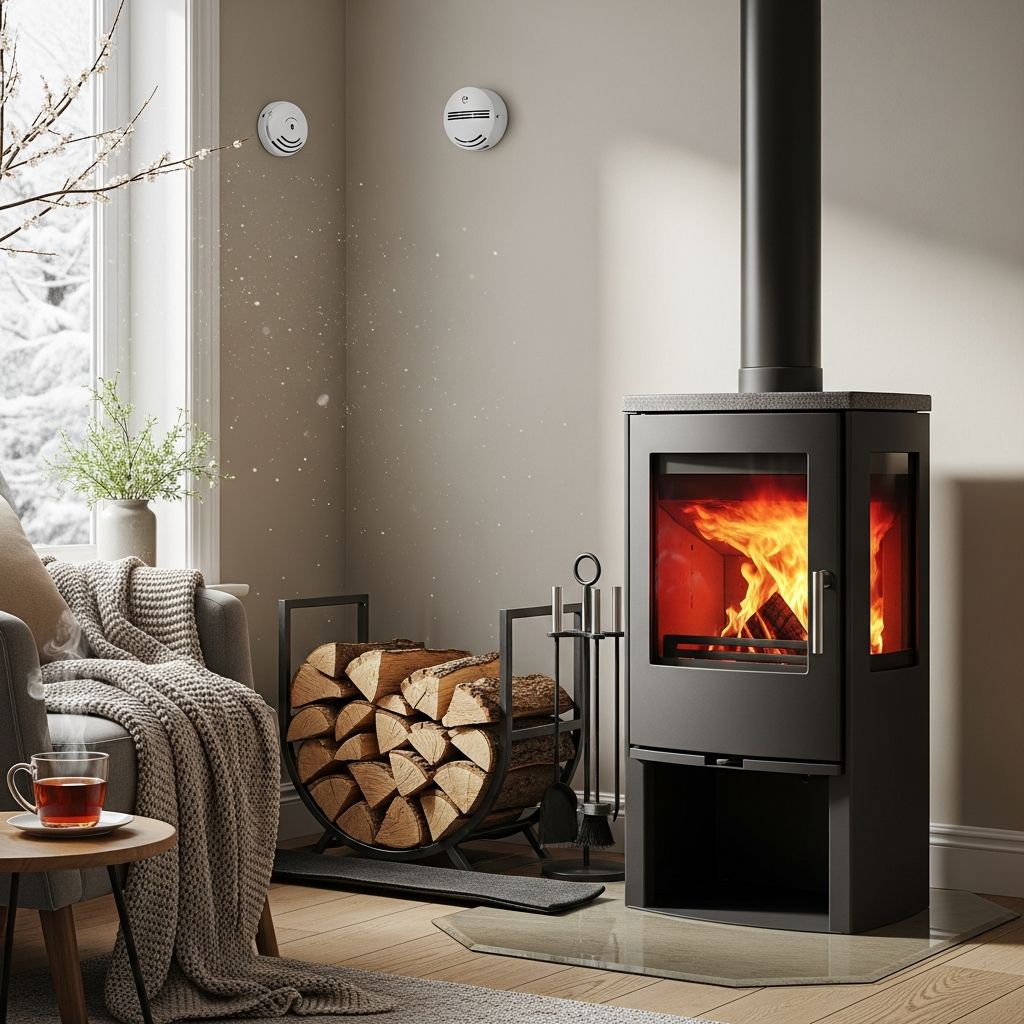
Keeping your home warm during cold months is essential, but heating equipment poses significant risks if not properly maintained. Fires from space heaters, carbon monoxide poisoning from faulty furnaces, and chimney blockages contribute to thousands of incidents annually. This guide provides a step-by-step checklist to ensure your heating systems are safe, drawing on expert recommendations from fire safety authorities.
Understanding Common Heating Hazards
Winter heating accounts for a large portion of residential fires and injuries. Space heaters alone cause over 1,000 home fires yearly, while improper venting leads to deadly carbon monoxide buildup. Regular inspections and adherence to safety protocols can drastically reduce these dangers. Key risks include electrical overloads from portable heaters, lint accumulation in dryer vents, and creosote buildup in chimneys.
Central Heating System Maintenance
Your furnace or boiler is the heart of home heating. Neglect can lead to inefficiency, breakdowns, and hazards like gas leaks or CO emissions.
- Schedule Professional Inspection: Arrange an annual tune-up by a certified technician before winter. They will check burners, heat exchangers, and controls for issues like cracks or blockages.
- Replace Air Filters: Swap out filters monthly or as recommended. Clogged filters strain the system, reduce airflow, and increase fire risk.
- Inspect Vents and Ducts: Ensure all supply and return vents are unblocked by furniture or rugs. Clean ducts if dust buildup is visible.
- Check Thermostat and Controls: Test for proper operation. Faulty automatic shutoffs can prevent emergencies.
For oil systems, examine the tank for rust, peeling paint, or leaks. Internal corrosion is a primary failure cause; address signs immediately with a pro.
Safe Use of Portable Space Heaters
Portable heaters offer quick warmth but are leading fire causes due to tip-overs, overheating, and proximity to flammables.
| Safety Feature | Check/Action | Why It Matters |
|---|---|---|
| Cord Inspection | Look for frays, cracks, or exposed wires. Replace if damaged. | Prevents electrical fires. |
| Tip-Over Switch | Test by tilting; unit should shut off. | Stops fires from knockdowns. |
| Clearance Zone | Maintain 3 feet from fabrics, pets, kids. | Avoids ignition of nearby items. |
| Power Source | Plug directly into wall; no extensions or strips. | Reduces overload risk. |
- Vacuum dust from grills, vents, and elements annually.
- Turn off when leaving room or sleeping; never unattended.
- For fuel types, use correct grade, refuel outdoors when cool, and store fuels safely.
Avoid using in bathrooms unless rated for moisture, and never cover units with blankets.
Fireplace and Wood-Burning Appliance Care
Cozy fires require vigilance. Chimney fires from creosote and stray embers are common threats.
- Annual Chimney Sweep: Hire a professional to remove soot, creosote, and debris. Inspect for cracks or blockages.
- Install Spark Arrestor and Screen: Use metal mesh on chimney top and sturdy screen in front.
- Clean Ash Properly: Let cool 48 hours, then store in metal container outside.
- Gas Fireplaces: Dust logs, burners, glass. Sniff for gas leaks; test ignition.
Never burn trash, charcoal, or use accelerants like gasoline. Keep flammables away from hot surfaces.
Preventing Dryer Vent Fires
More laundry in winter clogs vents, causing overheating. These fires spread rapidly.
- Clean lint screen every load.
- Vacuum behind and under dryer.
- Schedule professional duct cleaning yearly, more for large families.
- Ensure vent pipe is rigid metal, shortest path possible to outside.
Critical Role of Smoke and CO Alarms
No heating checklist is complete without functional detectors. They provide early warnings for invisible threats.
- Test Monthly: Press button; audible alarm should sound.
- Battery Replacement: Change twice yearly or if chirping; use non-rechargeable lithium for longevity.
- Age Check: Replace smoke alarms after 10 years, CO after 5-7.
- Placement: One on every level, outside bedrooms. CO near fuel-burning appliances.
Interconnected units alert the whole home. Never disable chirping alarms—fix the issue.
General Home Fire Prevention Tips
Beyond specific systems, adopt these habits:
- Never use ovens or stoves for whole-home heating.
- Store flammables outside in approved cans.
- Keep kids and pets away from all heaters.
- Practice escape plans: two ways out per room, meeting spot outside.
Signs of Trouble and When to Call Pros
Act fast on these red flags:
- Unusual odors, soot, or smoke from vents.
- Furnace short-cycling or not heating evenly.
- Yellow flame (should be blue) on gas appliances.
- Headaches, nausea—possible CO exposure.
If red-tagged by inspectors, evacuate and call for emergency service.
Frequently Asked Questions
How often should I service my furnace?
Annually before heating season, by a qualified professional to check for CO leaks and efficiency.
Are electric space heaters safer than fuel ones?
Not necessarily; both have risks. Choose UL-listed models and follow all rules.
What if my CO alarm goes off?
Evacuate immediately, call 911 from outside, and have systems inspected before re-entering.
Can I clean my chimney myself?
Better to hire certified sweepers for thorough inspection and safety.
How do I dispose of fireplace ashes safely?
Wait 48 hours, place in metal container, store outdoors away from structures.
This comprehensive approach minimizes risks, ensuring a warm, safe winter. Stay proactive—prevention saves lives.
References
- Home Heating Safety Checklist — Lawley Insurance. 2023. https://www.lawleyinsurance.com/personal/home-heating-guide/
- Heating System Safety Checklist — TLC Plumbing. 2024. https://www.tlcplumbing.com/heating-system-safety-checklist/
- Home Safety Checklist — City of Marietta, GA. 2023. https://www.mariettaga.gov/764/Home-Safety-Checklist
- Home Fire Safety Checklist — Georgetown Fire Protection District. 2022. https://www.geofire.org/home-fire-safety-checklist
- Home Heating Safety — City of Orange, TX. 2024. https://orangetexas.gov/452/Home-Heating-Safety
- Home Heating Safety Checklist — Supreme Energy. 2023. https://supremeenergy.com/home-heating-safety-checklist/