Homes are sanctuaries, yet they harbor hidden risks leading to frequent injuries among children and adults alike. From kitchen slips to bathroom tumbles, knowing immediate response protocols can prevent minor issues from escalating. This guide equips you with actionable steps for six prevalent incidents, drawing on established protocols to ensure safety and swift recovery.
Building a Reliable First Aid Kit
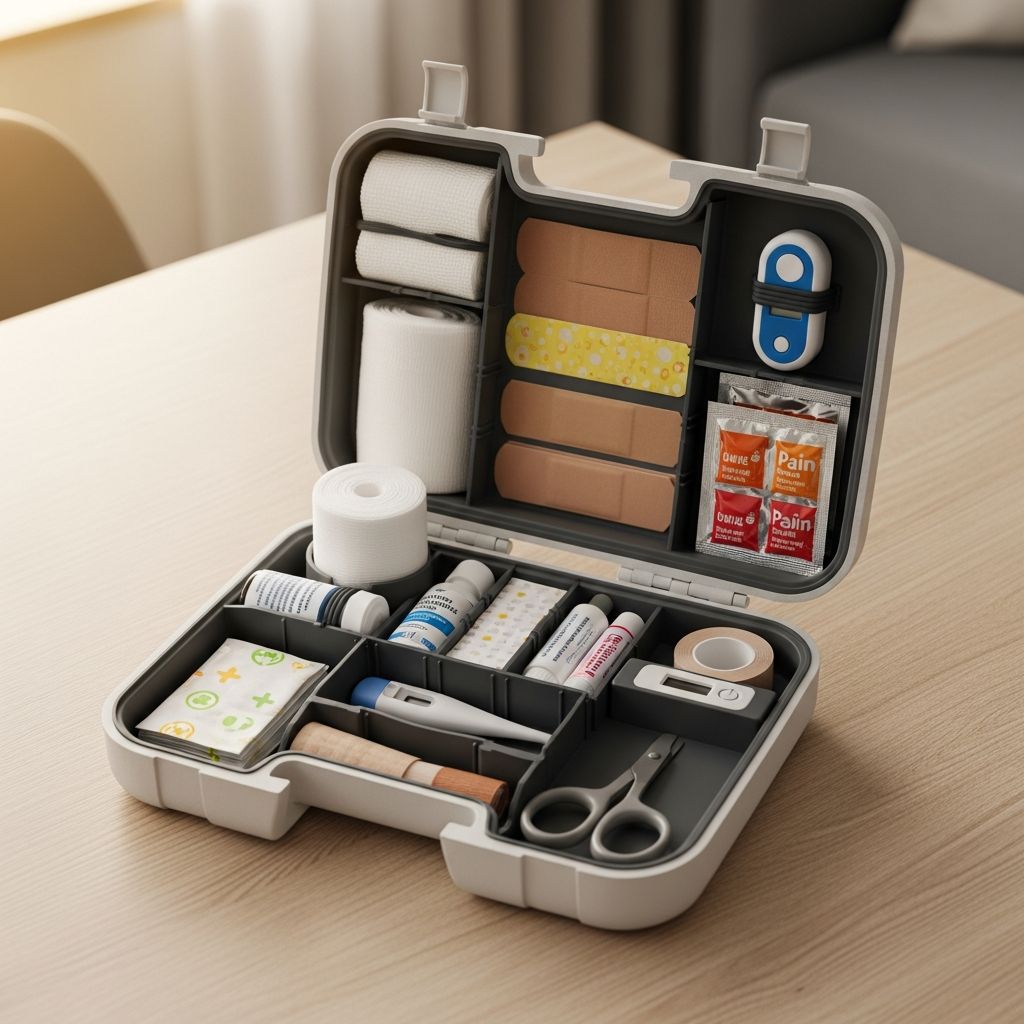
Preparation starts with a well-stocked kit accessible in every home. Include adhesive bandages in various sizes, sterile gauze pads, antibiotic ointment, antiseptic wipes, tweezers, scissors, instant cold packs, disposable gloves, and oral rehydration salts. For families with young children, add child-sized bandages, fever reducers like acetaminophen or ibuprofen (age-appropriate), and a digital thermometer. Store in a cool, dry place away from little hands, and check expiration dates biannually.
Adequate supplies empower confident action, minimizing panic during crises. Customize based on household needs—such as hydrocortisone cream for allergy-prone members or burn gel for cooking enthusiasts.
Managing Cuts and Scrapes Effectively
Sharp tools in kitchens or gardens often cause superficial wounds, but improper care invites infection. Begin by washing hands thoroughly to avoid contamination. Rinse the injury under lukewarm running water for five minutes, gently removing debris with clean tweezers if embedded. Pat dry with sterile gauze, apply a thin layer of petroleum jelly or antibiotic ointment, and cover with a bandage. Change daily or if soiled.
- Depth check: If the cut gapes wider than a quarter-inch, bleeds profusely after 10 minutes of pressure, or exposes fat/muscle, seek stitches promptly.
- Infection watch: Monitor for increasing redness, warmth, pus, or fever—signs warranting medical review.
- Joint/face priority: These areas heal slower and scar noticeably; professional evaluation ensures optimal outcomes.
Prevention hinges on secure storage: Use knife blocks, wear cut-resistant gloves during prep, and supervise children’s craft activities.
Cooling Burns to Promote Healing
Hot stovetops, irons, or spilled oils inflict burns varying from red first-degree to blistered third-degree damage. For minor cases, hold under cool (not ice-cold) running water 10-20 minutes to dissipate heat and ease pain. Loosely cover with non-stick dressing; avoid butter, oils, or popping blisters, which trap bacteria.
| Burn Degree | Symptoms | First Aid Action | Seek Help If |
|---|---|---|---|
| First | Red, painful, no blisters | Cool water, moisturize, OTC pain relief | Large area (>3 inches) |
| Second | Blisters, swelling | Cool water, loose bandage, no popping | Face/hands/genitals, infection signs |
| Third | White/charred, numb | Do not cool deeply; cover sterilely, call 911 | Always immediate |
Chemical burns demand rinsing with copious water while removing contaminated clothing; electrical ones require power shutoff first. Child burns or those impairing breathing signal emergencies. Safeguard by turning pot handles inward, using mitts, and installing splash guards.
Responding to Sudden Falls
Slippery floors or stair missteps cause falls, yielding bruises, sprains, or fractures. Ensure scene safety, then check responsiveness. Help the person to a comfortable position, apply RICE: Rest, Ice (20 minutes hourly), Compression bandage, Elevation above heart. Monitor for concussion symptoms like vomiting or confusion.
- Head impact: Prevent sleeping for 2 hours; observe for unequal pupils or seizures.
- Limb deformity: Immobilize with splint; do not realign.
- Hip/elderly: Assume fracture if unable to stand; call ambulance.
Enhance safety with non-slip rugs, handrails, adequate lighting, and clutter-free paths—especially vital for toddlers and seniors.
Clearing Choking Hazards Swiftly
Small toys, grapes, or hard candies obstruct airways, particularly in kids under 5. For conscious victims coughing effectively, encourage continues; if grasping throat/silent, deliver abdominal thrusts (Heimlich): Stand behind, fist above navel, quick inward-upward thrusts until object ejects or help arrives. For infants, use back blows and chest thrusts.
Unconscious? Lower to floor, call 911, begin CPR: 30 chest compressions (2 inches deep), 2 breaths. Back blows first for babies under 1 year. Prevention: Cut food into pea-sized pieces, avoid balloons unsupervised, and teach “safe swallowing.”
Handling Sprains and Strains
Twisted ankles from uneven rugs or overexertion respond to prompt RICE protocol. Ice wrapped in cloth prevents skin damage; compression with elastic bandage reduces swelling without cutting circulation. Support with crutches if weight-bearing hurts. Most resolve in days, but persistent pain beyond 72 hours needs imaging for fractures.
- Pain scale: Mild (3/10) home care; severe (8+/10) or numbness signals pro help.
- Chronic risk: Repeaters may indicate ligament tears.
Strengthen with balance exercises; wear supportive shoes indoors.
Addressing Accidental Poisoning
Household cleaners, medications, or plants pose ingestion risks, especially to curious toddlers. Do not induce vomiting unless poison control directs. Call 1-800-222-1222 immediately (US) for guidance; have product labels ready. Activated charcoal may bind toxins if advised. Watch for drooling, burns, or lethargy—universal emergencies.
Secure cabinets with locks, use original containers, and post poison hotline visibly. Educate on “no taste, no touch” rules for kids.
Prevention Blueprint for a Safer Home
Proactive measures slash accident rates: Audit monthly for hazards, teach age-suited safety, and model habits like handwashing post-play. Install smoke/CO detectors, carbon monoxide alarms, and outlet covers. For pools or balconies, barriers save lives. Family drills build muscle memory.
Empower with certifications: Red Cross first aid courses refresh skills affordably.
Frequently Asked Questions
When should I call 911 for a home injury?
Immediately for unconsciousness, chest pain, severe bleeding uncontrolled after 10 minutes, suspected fractures with deformity, or breathing difficulties.
Is hydrogen peroxide safe for cleaning wounds?
No; it harms healthy cells, delaying healing. Stick to soap and water.
How long to ice a sprain?
20 minutes every 2-3 hours for 48-72 hours, then switch to heat.
Can I treat a child’s burn at home?
Only minor ones; anything blistered or larger than a quarter needs a doctor.
What if choking persists after Heimlich?
Continue CPR cycles; professional airway tools may be required.
References
- First Aid Steps | Perform First Aid — American Red Cross. 2023. https://www.redcross.org/take-a-class/first-aid/performing-first-aid/first-aid-steps
- First aid — Mayo Clinic. 2024-01-15. https://www.mayoclinic.org/first-aid
- First Aid for Common Household Accidents: Cuts, Burns, and Falls — DrKMH. 2023-05-10. https://www.drkmh.com/blogs/first-aid-for-common-household-accidents-cuts-burns-and-falls/
- First Aid for Common Home Injuries — Doctor Urgent Medical Care. 2024. https://doctorumc.com/blog/first-aid-for-common-home-injuries/
- Basic First Aid Guide for Common Injuries — CPR Educators, Inc. 2023-08-20. https://cpreducatorsinc.com/basic-first-aid-guide-for-common-injuries/