Hip pointer injuries are common in active teens and young athletes, especially in contact and high-speed sports. A hip pointer is a painful bruise to the top or side of the hip bone that can make walking, running, and even rolling over in bed uncomfortable for a while. Understanding what is happening inside the body can make the pain less scary and help you make smart choices about treatment and recovery.
This guide explains hip pointer injuries in clear language: what they are, what causes them, how they are diagnosed, what treatments are used, and how to safely return to your activities.
What Exactly Is a Hip Pointer?
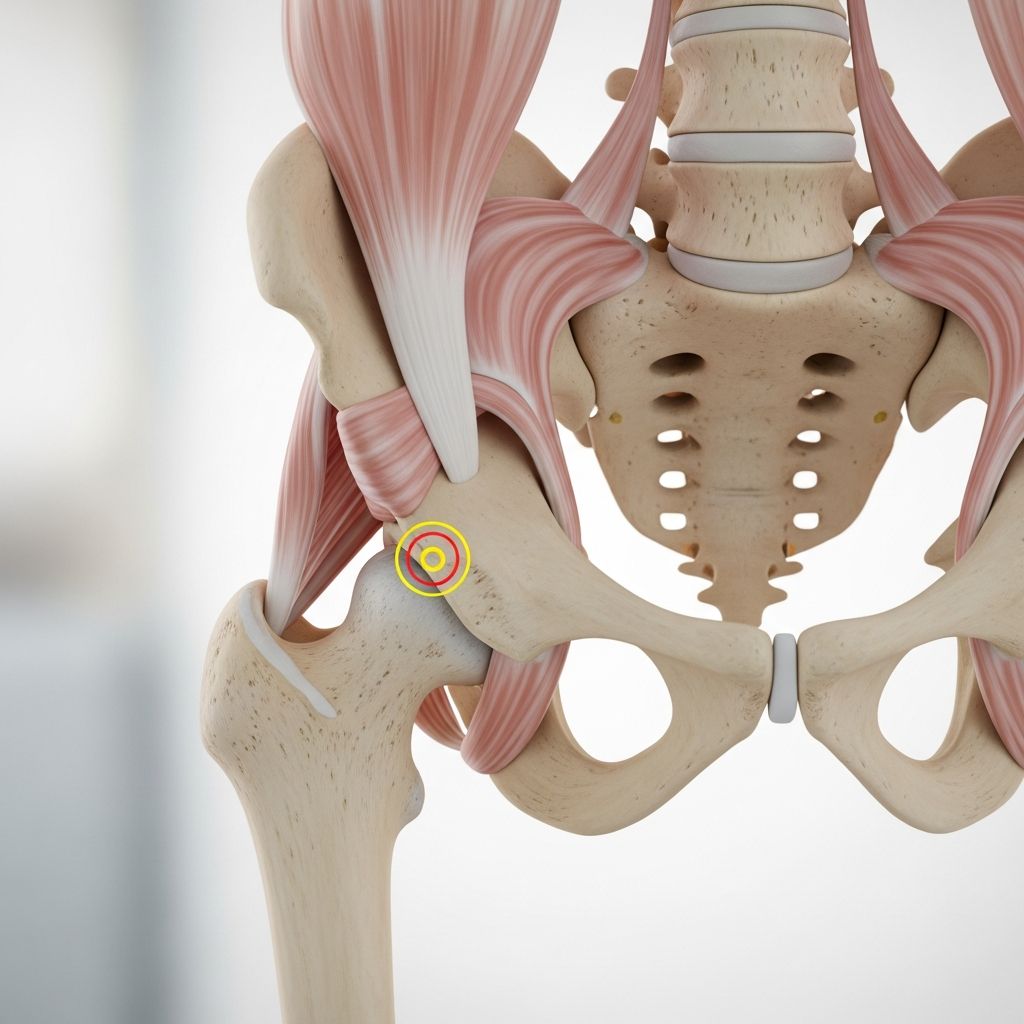
The hip bones form a strong ring that supports the body and anchors powerful muscles used for walking, running, and jumping. At the very top of this ring, near the waistline on each side, is a bony area that you can feel under the skin. A hip pointer happens when this bony edge and the surrounding soft tissues are sharply bruised by a direct blow.
This injury is technically a deep contusion (bruise) of the bone and overlying muscles and connective tissue. The impact causes tiny blood vessels to break, leading to bleeding into the tissues, swelling, and significant tenderness. Even though the structure of the bone usually stays intact, the injury can feel severe because the area is so close to the surface and full of nerve endings.
- The pain is usually on the upper outer part of the hip.
- The skin may look normal at first, then become discolored over hours or days.
- Movement that stretches or tightens the hip muscles often makes the pain worse.
Who Tends to Get Hip Pointers?
Hip pointers can happen to anyone who takes a hard hit to the side of the hip, but they are especially common in teens who play sports or do energetic activities. The thin layer of tissue over the bony edge of the hip offers limited cushioning, so a strong impact can easily bruise the area.
Activities that often lead to hip pointer injuries include:
- Contact sports such as football, rugby, hockey, and lacrosse, where collisions and tackles are frequent.
- Court and field sports like basketball, soccer, and field hockey, where athletes may fall or collide while running or jumping.
- Individual sports such as gymnastics, skateboarding, or cycling, where falls onto a hard surface can strike the side of the hip.
- Recreational activities like playground games, snowboarding, or roughhousing, where accidental bumps and falls occur.
Thin athletes or those who do not wear hip padding are often more vulnerable because there is less natural cushioning around the bone. However, even well-padded athletes can still get a hip pointer if the force of impact is strong enough or hits at the wrong angle.
How a Hip Pointer Injury Happens
Most hip pointer injuries are the result of a sudden, forceful impact to the outer edge of the hip. The force may come from another person, the ground, or sports equipment. The energy of the blow compresses the soft tissues against the hard bone, causing damage and bruising.
Typical injury situations include:
- Being tackled or checked and landing directly on the side of the hip.
- Falling sideways onto a hard court, turf, or packed ground.
- Sliding into another player’s knee, helmet, or equipment.
- Crashing into the boards, goal posts, or other solid obstacles.
After the impact, pain is usually immediate. Many athletes instinctively reach for the side of the hip and may limp or have to leave the game. Even if the pain seems manageable at first, swelling and stiffness often increase over the next several hours.
Signs and Symptoms to Watch For
Hip pointers can range from mild to quite severe. Recognizing the typical symptoms helps you decide when to rest at home and when to see a health professional. While every injury is different, several features are common.
Key symptoms may include:
- Sharp, localized pain on the upper outer hip, especially right over the bony ridge.
- Tenderness to touch; even light pressure or clothing rubbing on the area can hurt.
- Swelling and bruising that may appear quickly or develop gradually.
- Stiffness when trying to bend at the waist, twist, or lift the leg.
- Difficulty walking or running; some people develop a limp.
- Pain when coughing, laughing, or using the core muscles, because these movements tug on the injured tissues.
In more serious cases, the bruise can be very large or extend into the surrounding muscles, making it hard to put weight on the leg. There may also be a firm, tender lump where blood has collected (a hematoma) in the tissues.
Quick Self-Check vs. Emergency Warning Signs
A simple self-check can help you understand whether the problem is likely a hip pointer or something more serious. A typical hip pointer produces sharp, well-localized pain on the side of the hip bone, but does not usually cause severe internal symptoms like shortness of breath or intense abdominal pain.
Seek urgent medical care right away if you notice any of the following after a fall or impact to the hip area:
- Severe pain deep in the abdomen, groin, or lower back.
- Numbness, tingling, or weakness in the leg that does not improve with rest.
- Inability to move the hip or leg at all.
- Heavy bleeding or an obvious deformity of the hip or pelvis.
- Dizziness, fainting, nausea, or vomiting after the injury.
These signs may indicate a fracture, internal bleeding, or other serious condition that needs prompt evaluation. When in doubt, it is always safer to be checked by a medical professional.
How Doctors Diagnose a Hip Pointer
If the pain is significant or lasts more than a few days, visiting a doctor, urgent care, or sports medicine clinic is a smart step. The evaluation usually starts with questions about how the injury happened, where the pain is located, and what movements make it worse. The provider will also ask about your sports, training schedule, and any previous hip injuries.
During the physical exam, the provider may:
- Press gently around the hip bone and surrounding muscles to find the most tender spot.
- Check the range of motion by asking you to lift, rotate, or move the leg in different directions.
- Test muscle strength, especially the muscles that move the leg outward or help you stand on one leg.
- Look for swelling, bruising, or a firm lump under the skin.
Imaging tests such as X-rays or, less commonly, an MRI or ultrasound may be ordered to rule out fractures, muscle tears, or other injuries. These tests are especially useful if the impact was very forceful, you cannot bear weight, or the pain does not match what is expected from a simple bruise.
Treatment Basics: Rest and Protection
Most hip pointer injuries heal without surgery. The main goals of early treatment are to reduce pain, limit swelling, and protect the area from further damage while the body begins to repair itself. The first few days after the injury are especially important.
Common early care steps include:
- Rest: Take a break from sports, running, and heavy physical activity. Avoid movements that cause sharp pain.
- Ice: Apply a cold pack wrapped in a thin cloth to the sore area for about 15–20 minutes at a time, several times a day during the first 48 hours.
- Compression: An elastic bandage or compression shorts can help limit swelling and provide gentle support.
- Elevation: When possible, lie down with the injured side slightly elevated on pillows to promote fluid drainage.
Pain-relief medicine such as acetaminophen or, if approved by a parent or doctor, nonsteroidal anti-inflammatory drugs may help with pain and swelling. Always follow dosing instructions and talk with a health professional if you have questions about which medicine is safest for you.
Using Crutches and Supports
For moderate to severe hip pointer injuries, putting full weight on the injured side can be very painful. In these cases, a doctor may recommend using crutches for a few days. Crutches help reduce the load on the hip while still allowing some movement, which keeps other muscles and joints from getting stiff.
Other supports that may be recommended include:
- Hip pads or padded shorts to protect the injured area as it heals.
- Wraps or athletic tape to provide gentle compression and remind you to move carefully.
- Soft cushions for sitting or sleeping to reduce pressure on the bruised bone.
Recovery Timeline: What to Expect
The healing time for a hip pointer varies depending on the severity of the bruise, your overall health, and how quickly you begin proper treatment. Mild injuries may improve noticeably within a week, while more serious bruises can take several weeks before you feel ready to return to full activity.
The table below gives a general idea of how recovery may progress. These time frames are averages, not exact rules, and your health provider’s guidance should always come first.
| Stage | Time frame (approx.) | Typical experience |
|---|---|---|
| Acute phase | Days 1–3 | Significant pain and tenderness, possible swelling and bruising, difficulty with walking and daily tasks. |
| Early healing | Days 4–10 | Pain gradually decreases, walking becomes easier, gentle motion and stretching may begin. |
| Strength rebuilding | Weeks 2–4 | Range of motion improves, light strengthening and low-impact exercise added. |
| Return to sport | Weeks 3–6+ | Sport-specific drills and full activity once pain-free with normal strength and motion. |
Stretching and Strengthening (When Cleared)
Once the worst pain and swelling have settled, carefully reintroducing movement is an important part of recovery. This stage usually starts under the guidance of a doctor, athletic trainer, or physical therapist who can recommend safe exercises and monitor your progress.
Typical rehabilitation may include:
- Gentle range-of-motion exercises to restore comfortable bending, straightening, and rotation of the hip.
- Light stretching of the hip flexors, gluteal muscles, and thigh muscles to reduce stiffness.
- Strength exercises such as leg raises, bridges, and side-lying hip abductions using body weight or light resistance.
- Balance and core work to stabilize the pelvis and lower back.
The key is to move without triggering sharp pain. Mild soreness or a feeling of tightness can be normal, but sudden, intense pain is a signal to stop and rest. Pushing too hard or returning to intense training too early can prolong the injury or cause new problems.
Returning to Sports and Activities
Going back to your sport too soon is one of the biggest risks for athletes with hip pointer injuries. Even when pain has improved, the tissues may still be healing and vulnerable. Most professionals recommend a gradual return, starting with light activity and building intensity only when the hip feels good and the provider gives the all-clear.
Before returning fully to sports, you should generally be able to:
- Walk, jog, and run in a straight line without hip pain.
- Perform sport-specific movements like cutting, jumping, or pivoting without discomfort.
- Move the hip through its full range of motion on both sides without stiffness or sharp pain.
- Match the strength and flexibility of the uninjured side.
When you first return, using extra padding over the hip, warming up thoroughly, and listening closely to any warning signals from your body can make the transition smoother and safer.
Preventing Future Hip Pointer Injuries
Although not every collision or fall can be avoided, several simple strategies can lower your risk of another hip pointer. Prevention focuses on protection, body awareness, and overall physical conditioning.
Helpful prevention tips include:
- Wear appropriate padding for your sport, including padded shorts or hip pads if recommended.
- Use proper technique for tackling, sliding, and falling to reduce the force on the hip.
- Build strong core and hip muscles to support the pelvis and absorb impact more effectively.
- Warm up thoroughly before practice or games with dynamic stretches and light cardio activity.
- Check playing surfaces for hazards and avoid areas with hard, uneven, or slippery surfaces when possible.
Coaches, athletic trainers, and physical education teachers can also help by reinforcing safe techniques and ensuring that athletes use proper equipment and protective gear.
Living with a Hip Pointer: Coping Tips
Being sidelined with any sports injury can be frustrating, especially if it happens during an important season or event. While your body heals, it can help to focus on things you still can do, rather than only what you cannot. Staying connected with your team and maintaining a positive mindset make the recovery period easier to handle.
Consider these ideas while healing:
- Attend practices or games when possible to support teammates and keep up with strategies.
- Use the downtime to work on upper-body strength, flexibility, or mental skills like visualization.
- Talk openly with coaches and parents about how you are feeling physically and emotionally.
- Follow your treatment plan closely so you can return healthier and stronger.
Frequently Asked Questions About Hip Pointers
Is a hip pointer the same as a broken hip?
No. A hip pointer is a bruise to the outer bone and soft tissues, while a broken hip involves a fracture of the bone itself. A fracture usually causes much more severe pain, difficulty moving, and sometimes obvious deformity. If there is any concern about a break, medical imaging is needed to check the bones.
How long will the pain last?
Pain from a mild hip pointer can start improving within a few days, but more serious bruises may be sore for several weeks. The pain usually lessens gradually as swelling goes down and the tissues repair. Following treatment advice, resting early, and not rushing back to intense activity can shorten the overall recovery time.
Can I walk with a hip pointer?
Many people with a hip pointer can walk, but they may limp or feel sharp pain with each step. Using crutches or limiting walking for a short period may be recommended if walking is very painful. Over time, as swelling and tenderness decrease, walking typically becomes more comfortable.
Do hip pointers cause long-term problems?
Most hip pointers heal without lasting issues, especially when treated properly and given enough time to recover. Incomplete healing or repeatedly injuring the same area may lead to chronic tenderness, so protecting the hip during and after recovery is important. If pain persists for a long time, a follow-up visit with a health professional is a good idea.
When should I see a doctor?
You should see a doctor if hip pain is severe, makes it hard to walk, or does not begin to improve after several days. A medical visit is also important if the bruise is very large, if there are signs of numbness or weakness in the leg, or if you suspect a more serious injury like a fracture. Getting checked early can confirm the diagnosis and ensure you have the right treatment plan.
Key Takeaways
A hip pointer is a deep bruise to the top or outer side of the hip bone, usually caused by a fall, collision, or other strong impact. The injury can be quite painful and limit activity, but it almost always heals with time, rest, and proper care. Recognizing symptoms early, following medical advice, and returning to activity gradually help protect your hip and allow you to get back to the sports and activities you love.