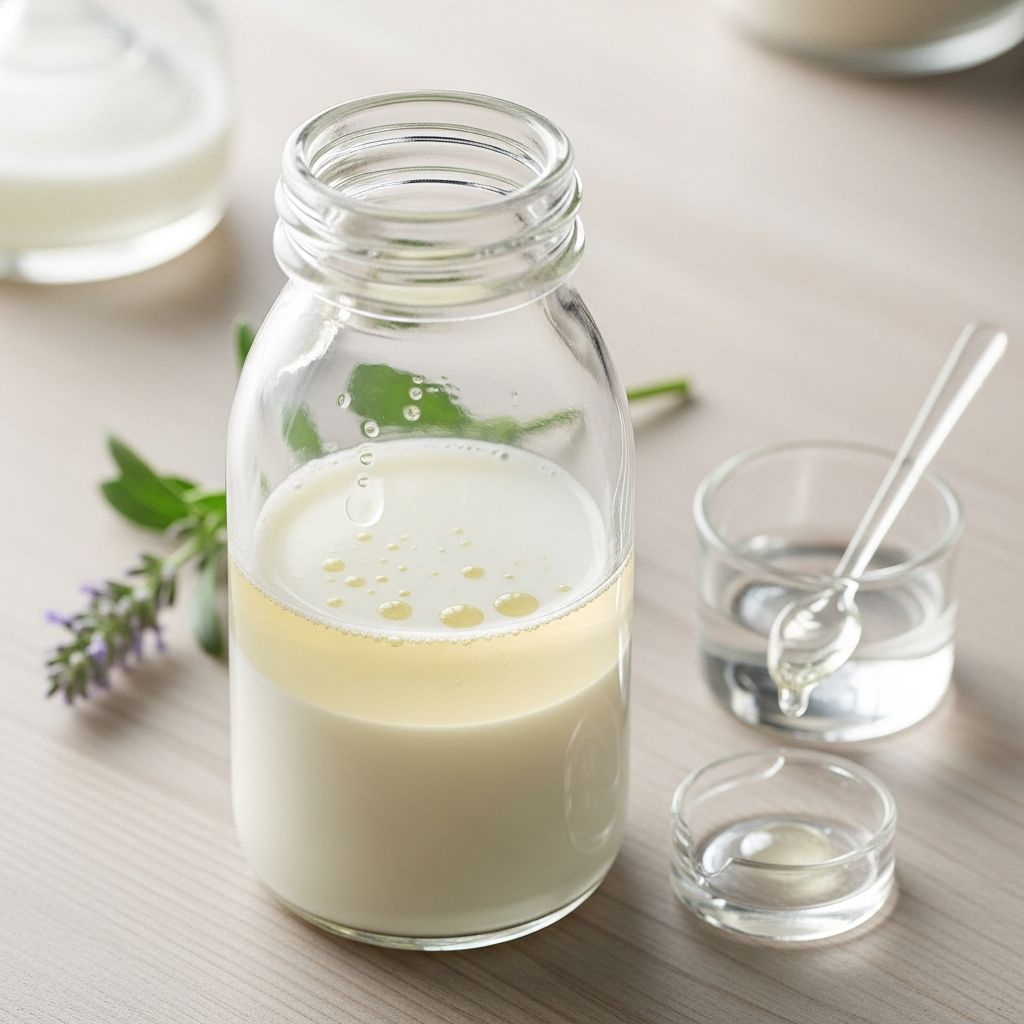
High lipase breast milk occurs when the natural enzyme lipase breaks down fats rapidly, leading to a soapy or metallic taste and odor in stored milk. This condition affects some breastfeeding parents but poses no health risks to infants, as the milk retains full nutritional value.
The Role of Lipase in Human Milk
Lipase is an essential enzyme present in breast milk that aids in fat digestion. It helps break down lipids into smaller components, making them easier for a baby’s immature digestive system to process and absorb vital nutrients like fatty acids. In typical milk, this activity occurs at a balanced rate, but elevated lipase levels accelerate the process, particularly during storage.
During nursing directly from the breast, babies consume fresh milk where lipase functions optimally without noticeable flavor changes. Issues arise mainly with expressed and stored milk, as cooling allows lipase to continue acting on fats, producing free fatty acids that create the off-putting smell.
Recognizing Signs of Elevated Lipase Activity
Parents may first notice high lipase when refrigerated or frozen milk develops a sour, soapy, or metallic profile after a short time. This change can happen within hours or days, depending on individual enzyme levels. Importantly, fresh milk tastes normal, confirming the issue ties to storage rather than spoilage.
To differentiate from bacterial contamination, ensure pumping equipment and containers are sterilized. Contaminated milk often smells rancid or foul, unlike the clean soapy scent of lipase-affected milk. A simple test involves expressing a small amount, storing it per guidelines, and checking after 24-48 hours—if the odor shifts to soapy, high lipase is likely.
Factors Influencing Lipase Levels in Milk
- Natural Variation: Some individuals produce higher lipase activity inherently, unrelated to diet, health, or pumping habits.
- Storage Conditions: Room temperature or fridge time accelerates breakdown; longer durations worsen the effect.
- Not Caused by Freezing: Freezing halts lipase temporarily, but thawing restarts activity, intensifying changes if milk sat beforehand.
Research indicates the precise cause of variation remains unclear, but it affects a minority of nursing parents and recurs consistently once identified.
Is High Lipase Milk Safe for Infants?
Absolutely—high lipase milk is nutritionally complete and safe. Babies digest it without issues, gaining the same benefits as standard milk, including enhanced fat absorption and antimicrobial properties from lipolysis products. Some infants reject bottled versions due to taste, while others accept it readily; direct breastfeeding bypasses the problem.
| Aspect | High Lipase Milk | Regular Milk |
|---|---|---|
| Nutritional Value | Intact; full fats, proteins, antibodies | Intact |
| Digestibility | Excellent due to pre-broken fats | Good |
| Safety | No risks; antimicrobial benefits | No risks |
| Taste/Smell (Stored) | Soapy/metallic | Neutral |
This table highlights equivalence in health benefits despite sensory differences.
Practical Strategies to Manage High Lipase Milk
While lipase cannot be reduced, several methods preserve milk usability:
- Scalding Technique: Heat fresh milk to 180°F (82°C) until steaming but not boiling, then cool rapidly and store. This denatures lipase, preventing breakdown without full nutrition loss.
- Mixing Fresh and Stored: Blend small amounts of affected milk with fresh to dilute taste.
- Short-Term Storage: Use milk within hours or freeze immediately post-pumping.
- Prioritize Direct Feeding: Nurse when possible to avoid expression needs.
Scalding slightly reduces some antibodies but retains most value; test acceptability with your baby.
Testing and Confirmation Methods
Confirm high lipase with a taste test: Fresh milk should be sweet; stored samples tasting bitter or soapy indicate activity. Sniff tests work too—soapy without rancidity points to lipase. Consult a lactation specialist if unsure, ruling out other factors like diet-influenced odors from garlic or spices.
Storage Best Practices for Affected Milk
- Express directly into chilled containers.
- Freeze in small portions for quick thawing.
- Thaw in fridge, not room temp, and use promptly.
- Label with dates; discard after safe periods per guidelines.
These steps minimize lipase impact while maximizing supply.
Common Myths About High Lipase Debunked
- Myth: It’s spoiled milk. No—clean equipment and proper storage distinguish it.
- Myth: Diet causes it. Unlinked to food; inherent trait.
- Myth: Harmful to baby. False; fully digestible.
Frequently Asked Questions
Why does stored breast milk smell soapy?
Lipase breaks down fats into free fatty acids during storage, creating a soapy odor. This intensifies with time in fridge or after thawing.
Can I reduce lipase in my milk?
No direct treatment exists, as it’s natural. Scalding fresh milk deactivates it effectively.
Will my baby get sick from it?
No evidence of harm; it’s safe and nutritious.
Does diet affect lipase levels?
Not directly; variations are individual.
How soon does the smell develop?
Varies: hours to days based on activity level.
Seeking Professional Support
If baby refuses bottles repeatedly, consult an IBCLC for personalized advice. They can assess supply, latch, and alternatives like donor milk if needed. Most cases resolve with management techniques.
High lipase highlights breast milk’s complexity—embrace it as a sign of effective digestion support.
References
- What is High Lipase Breast Milk & How Does It Affect Your Baby? — MuMilk. 2023. https://www.mumilk.com.au/blogs/guides/what-is-high-lipase-breast-milk
- Lipase in breastmilk — Milky Goodness. 2023. https://milkygoodness.com.au/blogs/news/lipase-in-breastmilk
- CG High Lipase Milk — Her Source Health. 2024. https://www.hersourcehealth.com/cg-high-lipase-milk/
- High Lipase Milk: Cause, Effects, and How to Manage — Healthline. 2023-05-10. https://www.healthline.com/health/breastfeeding/high-lipase-milk
- High lipase breast milk FAQs: Keep that milk mama…here’s what to do! — It’s My Leche. 2023. https://itsmyleche.com/blogs/resources/high-lipase-breast-milk-keep-that-milk-mama-heres-what-to-do
- 3 Things That Can Impact Breast Milk Taste & Smell — Medela. 2024. https://www.medela.com/en-us/breastfeeding-pumping/articles/pumping-tips/3-things-that-can-impact-breast-milk-taste-and-smell