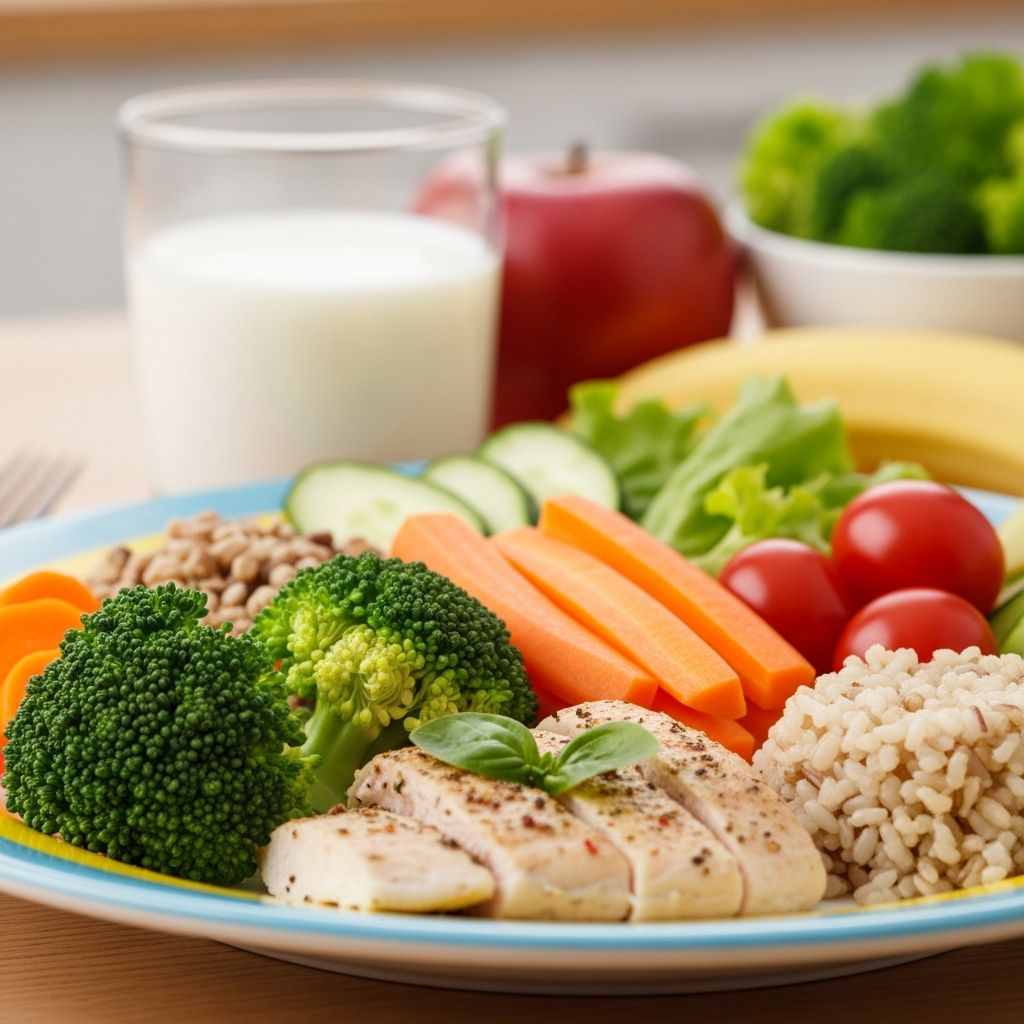
Children with cystic fibrosis (CF) face unique nutritional challenges due to the disease’s impact on digestion and nutrient absorption. A high-calorie, high-fat diet is essential to support growth, energy levels, and overall health. This guide provides practical strategies, meal ideas, and expert-backed tips to help parents meet these needs effectively.
Understanding Nutritional Needs in CF
Cystic fibrosis affects the pancreas, leading to malabsorption of fats, proteins, and fat-soluble vitamins. Children require 120-150% more calories than typical peers to maintain weight and growth. Pancreatic enzyme replacement therapy (PERT) is crucial to aid digestion, alongside supplements for vitamins A, D, E, and K.
Key goals include preventing undernutrition, which impacts lung function and immunity. Regular monitoring of weight, height, and BMI is recommended at every clinical visit.
Building a High-Energy Daily Eating Plan
Structure meals around three main meals and 2-3 snacks daily to maximize calorie intake without overwhelming appetite. Avoid grazing; instead, schedule eating times for the family to build hunger.
- Breakfast: Fortified oatmeal with whole milk, peanut butter, and bananas.
- Mid-morning snack: Full-fat yogurt topped with granola and honey.
- Lunch: Cheese quesadilla with avocado and whole-grain chips.
- Afternoon snack: Trail mix with nuts, dried fruit, and cheese cubes.
- Dinner: Grilled chicken with buttered rice, creamy vegetables, and milk.
- Evening snack: Homemade milkshake with added powdered milk.
This plan delivers dense calories while incorporating variety. Adjust portions based on age and activity.
Boosting Calories with Simple Additions
Enhance everyday foods by incorporating healthy fats and extras. These modifications increase energy without changing flavors drastically.
| Food Base | Calorie Boosters | Examples |
|---|---|---|
| Cereals & Grains | Powdered milk, butter, syrup | Add 4 tbsp powdered milk to oatmeal; glaze rice with maple syrup. |
| Proteins | Cheese, oils, nut butters | Melt cheese on eggs; mix peanut butter into ground meat. |
| Fruits & Veggies | Cream, dressings, nuts | Puree veggies with heavy cream; dip apples in almond butter. |
| Dairy & Drinks | Whole milk, ice cream | Make ‘super milk’ with extra powdered milk for shakes. |
Aim for liberal fat use—avoids low-fat trends unsuitable for CF.
Role of Pancreatic Enzymes and Vitamins
Administer enzymes with every fat-containing meal or snack. Dosage depends on food type and child’s weight; consult dietitians for adjustments. Give CF-specific multivitamins at enzyme times for better absorption.
Common tips: Crush enzymes into soft foods for infants; teach older kids to take with meals independently.
Increasing Salt Intake Safely
CF causes excessive salt loss in sweat, risking dehydration and hyponatremia. Add 1/4-1/2 tsp salt daily to infants’ formula or food, more in hot weather or activity.
- Salt baby foods, bottles, and purees.
- Offer salty snacks: pickles, pretzels, cheese puffs.
- Use salt shaker freely at family meals.
Monitor for signs of low salt like fatigue; especially vital in summer.
High-Calorie Snack and Dessert Ideas
Snacks should match meal calorie density. Focus on portable, appealing options.
- Cheese sticks wrapped in salami.
- Apple slices with cream cheese and nuts.
- Mini muffins baked with oil and dried fruit.
- Smoothies blended with avocado, yogurt, and honey.
- Hummus with whole-grain crackers and olives.
For desserts: Layer pudding with whipped cream and crushed cookies; serve fruit pies with ice cream.
Strategies for Picky Eaters
Appetite challenges are common. Introduce new foods gradually: Offer one bite alongside favorites, praise efforts, and repeat exposure over meals.
Involve kids in prep to build interest. If oral intake falls short, consider tube feeding for growth support.
Age-Specific Nutrition Tips
Infants (0-12 Months)
Breast milk or high-calorie formula (24-30 kcal/oz) forms the base. Add enzymes to every feed; introduce solids around 4-6 months with extra fats and salt.
Toddlers and Preschoolers
Encourage self-feeding high-fat finger foods. Avoid choking hazards like whole nuts; opt for butters.
School-Age and Teens
Pack calorie-dense lunches; teach enzyme management for school. Combat activity-related needs with extra snacks.
Monitoring Progress and Adjustments
Track growth charts quarterly. If underweight, intensify calories, tweak enzymes, or add supplements. Multidisciplinary teams guide personalized plans.
Frequently Asked Questions
What if my child refuses high-fat foods?
Start small, mix into favorites, and use fun presentations. Consult a dietitian for custom plans.
Are sugary foods okay?
In moderation; prioritize nutrient-dense calories over empty sugars that curb appetite.
How much extra salt for active kids?
Increase during sweat-heavy activities; aim for salty snacks post-play.
When to start enzymes?
From first feeds if pancreatic insufficient; dose per guidelines.
Can CF kids follow low-fat diets?
No—high-fat is cornerstone for energy and absorption.
References
- Dietary Tips for Kids With Cystic Fibrosis — Nemours KidsHealth. 2023. https://kidshealth.org/en/parents/cystic-fibrosis-dietary-tips.html
- Feeding A Child Who Has Cystic Fibrosis — Nationwide Children’s Hospital. 2023. https://www.nationwidechildrens.org/conditions/health-library/feeding-a-child-who-has-cystic-fibrosis
- Nutritional Care in Children with Cystic Fibrosis — PubMed (Wabbersen et al.). 2023-02-10. https://pubmed.ncbi.nlm.nih.gov/36771186/
- Eating well for children with cystic fibrosis — Cystic Fibrosis Trust. 2019-03. https://www.cysticfibrosis.org.uk/sites/default/files/2020-12/Eating%20well%20for%20children%20with%20CF%20March%202019.pdf
- What to Feed Your Baby with CF (0-12 months) — Lurie Children’s Hospital. 2023. https://www.luriechildrens.org/en/specialties-conditions/cystic-fibrosis-program/ongoing-care-health-maintenance/what-to-feed-your-baby-with-cf-0-12-months/
- Nutrition in Children and Adults Clinical Care Guidelines — Cystic Fibrosis Foundation. 2023. https://www.cff.org/medical-professionals/nutrition-children-and-adults-clinical-care-guidelines
- ESPEN-ESPGHAN-ECFS guideline on nutrition care for cystic fibrosis — ESPEN. 2023. https://www.espen.org/files/ESPEN-Guidelines/ESPEN-ESPGHAN-ECFS-guideline-on-nutrition-care-for-cystic-fibrosis.pdf
- Nutrition — Johns Hopkins Cystic Fibrosis Center. 2023. https://hopkinscf.org/clinical-care/nutrition/