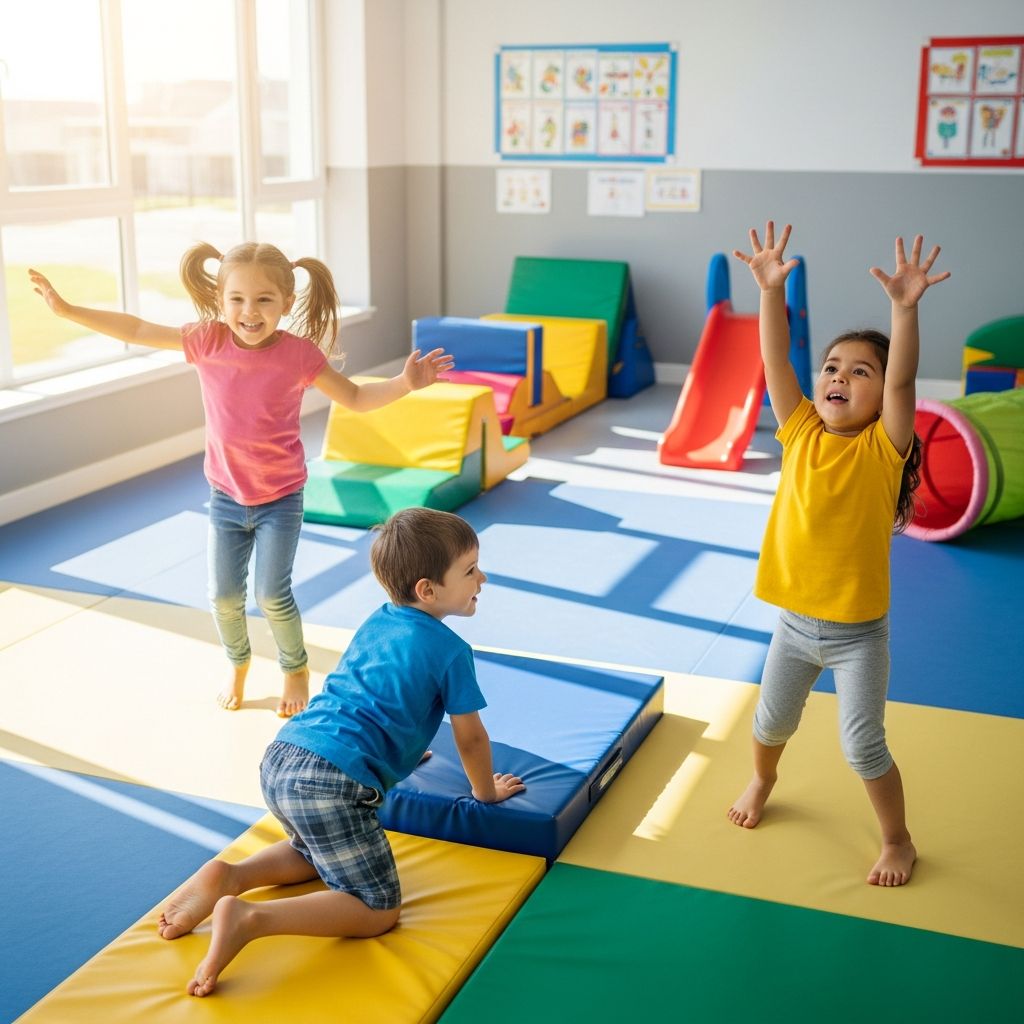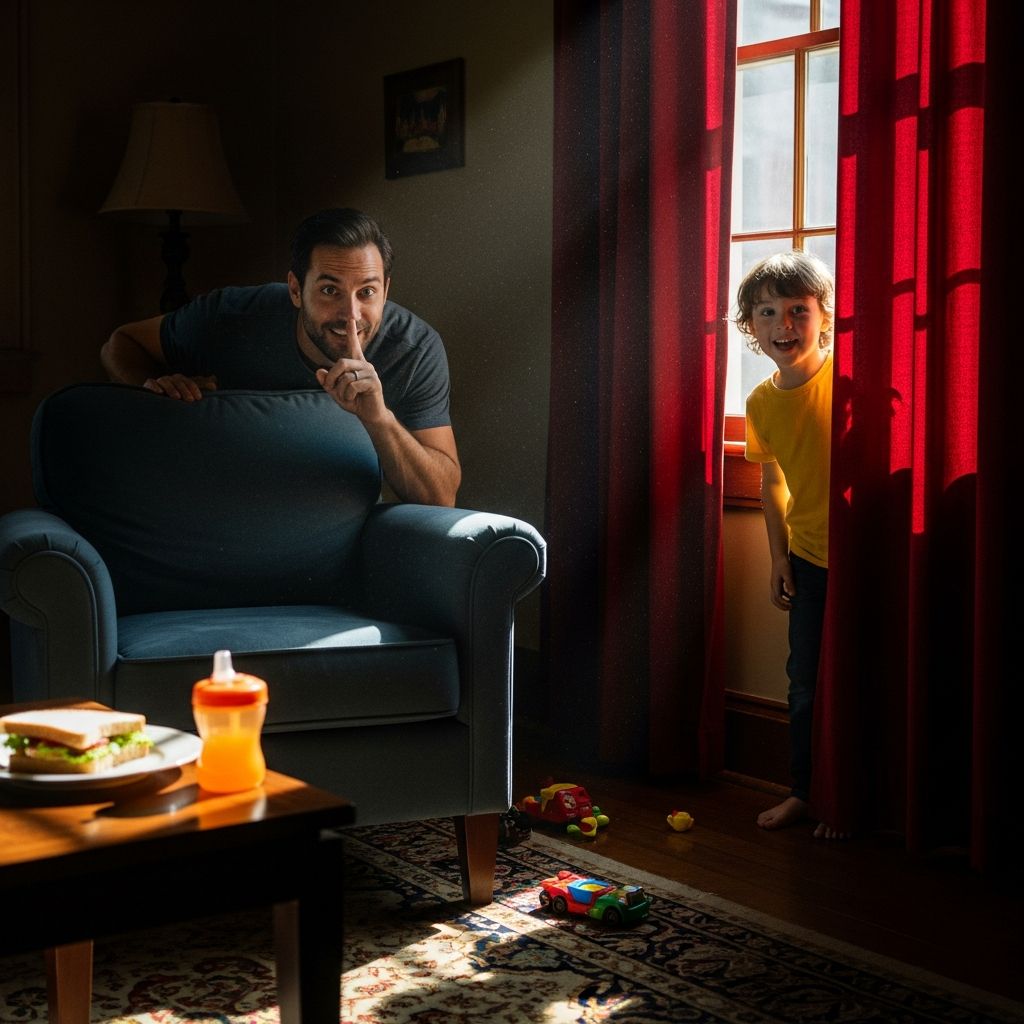
Hide-and-seek looks like a simple children’s game, but it can quietly teach your child focus, patience, body awareness, and creative problem-solving. With a few smart strategies, you can turn each round into an exciting lesson in how to move, think, and adapt under pressure—without losing the joy and silliness that make the game magical in the first place.
Why Hide-and-Seek Is Secretly a Life Skill
When kids treat hide-and-seek as more than just “find a corner and wait,” they practice skills that show up later in sports, school, and social settings. They learn to scan a space, anticipate what someone else might do, and stay calm when they feel nervous or excited.
As a parent, you can guide them to see the game as a mix of strategy and fun rather than pure luck. That shift helps them feel capable and confident, even when they are playing just for laughs in the living room.
Setting Up the Perfect Game Environment
Strong hide-and-seek skills start with a good environment. Before the countdown begins, walk through the space with your child and agree on what is safe, what is off-limits, and where the boundaries are. This keeps the game exciting without turning it into a safety gamble.
- Define the play zone clearly: which floors, rooms, or yard areas are in.
- Mark off high-risk spots like stair railings, appliances, tight gaps, and unstable furniture.
- Decide on a time limit for each round, so no one stays hidden long enough to feel scared or forgotten.
Smart Clothing: Blending In Without Overdoing It
Kids love the idea of “invisibility,” and clothing is an easy way to introduce that concept in a playful, safe way. The goal is not full camouflage, but breaking up the obvious outline of a standing, moving kid. The more they blend with their surroundings, the harder it is for a seeker to spot them at a glance.
- Choose colors that echo the environment: greens and browns for the yard, mid-tone or patterned clothes for indoor spaces.
- Avoid bright, high-contrast outfits that draw the eye, like neon shirts or stark black-and-white combos.
- Use long sleeves and pants when possible to keep skin from catching the light and revealing their position.
Choosing Hiding Spots Like a Pro
Most children start by hiding in the nearest closet or under the most obvious table. You can nudge them toward smarter options by teaching them what makes a strong hiding place. Good spots don’t just hide them from one angle; they hide them from most directions a seeker is likely to approach.
- Favor places that cover the whole body from several sides, such as behind big furniture, inside spacious closets, or between large objects.
- Show them how corners and shadows make them harder to notice, even when the space itself seems simple.
- Discourage cramped or unsafe spaces like tight gaps, chests with heavy lids, or anywhere they cannot exit quickly.
Shaping the Space: Harmless Misdirection
Once children understand basic hiding, introduce the idea of “shaping the battlefield”—altering the space in small, safe ways that nudge seekers to look in the wrong place. This keeps the game playful and adds a puzzle-solving layer for everyone involved.
- Place harmless decoys, like a blanket over some pillows or a toy left in an unusual spot, to draw attention.
- Move a chair, box, or curtain slightly so it looks recently disturbed, then hide somewhere entirely ordinary a few steps away.
- Keep changes reversible and minimal, and always help restore the room after play.
Movement: Quiet, Low, and Controlled
Most kids give themselves away not by where they hide, but by how they move getting there. Loud footfalls, heavy breathing, and rushing from room to room all make them easy to track. Teaching smoother movement turns their natural energy into silent, deliberate action.
- Encourage walking instead of running: short, soft steps instead of pounding feet.
- Teach them to stay low when crossing open areas, which reduces both noise and visibility.
- Practice moving around obstacles instead of bumping into them, turning it into a mini “stealth obstacle course” between rounds.
Using Sound and Silence Wisely
Many children forget that seekers rely more on hearing when their eyes are covered or turned away. A clever hider can use this to their advantage by guiding where the seeker thinks they are, then repositioning while the seeker is distracted.
- Make noise in one direction—like quick steps or a playful giggle—then stop and slip quietly to a different hiding area.
- Practice a “freeze on sound” rule: when the seeker stops counting or you hear them nearby, everyone becomes still and silent.
- Remind kids that laughter, whispering, and fidgeting are often what finally give them away.
Breathing and Staying Calm in the Hide
Even confident kids can feel nervous when hiding in the dark or waiting in silence. That jittery feeling leads to restless movement, sudden bursts of laughter, or a panicked dash out of a decent hiding spot. Calm breathing turns the hide from a tense wait into a self-control exercise.
- Teach them to inhale slowly, hold gently for a second, and exhale even more slowly.
- Suggest counting quiet breaths instead of seconds to pass the time while hidden.
- Encourage them to focus on what they can control (stillness, soft breathing) rather than worrying about being found.
Moving After the Search Begins
Kids often think they must pick a spot and stay frozen until the round ends. Introducing safe, limited movement gives them more options and keeps the game interesting as rounds progress. The key is timing: moving only when the seeker’s attention is somewhere else.
- Teach them to relocate only when the seeker is clearly in another room or distracted.
- Use rooms with more than one entrance as “escape hubs,” where they can slip out quietly while the seeker checks the opposite doorway.
- Set a house rule that no one may run past or push the seeker, keeping these maneuvers playful, not chaotic.
Simple Strategy Table for Kids
The table below gives you an easy way to explain which tactics work best in different situations. Refer back to it when your child asks what they should try next round.
| Situation | Best Kid-Friendly Tactic | Why It Helps |
|---|---|---|
| Indoor game in a small apartment | Use corners, curtains, and behind-furniture hides instead of squeezing into tight spaces. | Maximizes cover without risking getting stuck or scared. |
| Outdoor game in a yard | Blend with trees, bushes, and playground structures using mid-tone clothing. | Natural shadows and textures make kids harder to spot at a distance. |
| Seeker knows all the usual spots | Introduce harmless decoys and slightly rearranged items. | Pulls the seeker’s attention away from ordinary-looking but effective hides. |
| Kids feel anxious about hiding alone | Use paired hides with another child or an adult nearby. | Shared hiding lowers anxiety and keeps the game fun and safe. |
| Very energetic group of children | Add movement rules, like “slow walk only” or “freeze when you hear your name.” | Channels energy into controlled behavior and avoids reckless running. |
Teaching Kids to Be Good Seekers Too
The hiding side is exciting, but seeking builds a different set of skills: focus, pattern recognition, and patience. Great seekers do more than rush around opening every door; they think about where they would hide if they were the other players.
- Encourage them to pause and listen before moving, picking up on creaks, whispers, and shifting objects.
- Suggest checking areas from multiple angles, such as looking behind furniture and not just inside obvious containers.
- Model calm, methodical searching yourself so they see that slow and thoughtful often beats frantic and loud.
Sports and Life Lessons Hidden in the Game
Hide-and-seek echoes many demands of team sports and real-world challenges. Kids practice reacting to changing conditions, noticing small details, and keeping their minds steady when they are excited or under pressure. Those skills help them in everything from soccer to group projects at school.
- Awareness: scanning the environment for hiding options or listening clues mirrors reading the field in sports.
- Emotional control: staying patient while hiding or accepting being found gracefully supports resilience.
- Respect: following safety rules and boundaries teaches responsibility while still having fun.
Staying Safe While Raising Little Ninjas
Whenever you sharpen a child’s ability to hide effectively, safety has to stay front and center. The goal is to play “invisible” in a controlled, supervised environment—not to encourage hiding from adults in real-life situations that involve danger or confusion.
- Explain clearly that hide-and-seek rules apply only during the agreed game in a safe place, never in public areas or emergencies.
- Set a maximum hiding time for each round and call the game off if anyone goes quiet or missing unexpectedly.
- For younger kids, keep games limited to one or two rooms and always know roughly where each child is allowed to be.
Fun Variations to Keep the Game Fresh
Repeating the same version of hide-and-seek eventually gets predictable, especially for older or very active kids. A few playful variations maintain the thrill and give your child fresh opportunities to apply their new skills.
- Shadow seeker: The seeker walks slowly with a flashlight in a darkened room, and hiders must stay completely still whenever the light passes near them.
- Reverse hide-and-seek: One person hides and everyone else seeks; each seeker who finds the hider quietly joins the hide until only one player is still searching.
- Movement rounds: Add rules like “you must change spots every two minutes” to emphasize timing, noise control, and awareness.
Parent Coaching Tips: Keeping It Playful
The way you talk about hide-and-seek shapes whether your child sees it as a rigid test or a sandbox for learning. If you emphasize experimentation and curiosity, they will be more willing to try new approaches and less likely to get discouraged when they are found quickly.
- Praise the thought process (“You picked a great angle there”) rather than only whether they won the round.
- Ask questions after each game: “What worked well? What would you change next time?”
- Rotate roles so every child experiences both hiding and seeking and learns from each side.
Frequently Asked Questions
How old should kids be before learning advanced hide-and-seek tactics?
Most children around five or six years old can understand simple ideas like choosing better hiding spots, moving more quietly, and staying within boundaries. Younger kids can still enjoy basic hide-and-seek, but keep the focus on safety and obvious hiding places rather than elaborate strategies.
Is it possible to take hide-and-seek too seriously?
Yes, if the game starts to feel like a test instead of play, kids may become anxious or competitive in an unhealthy way. The goal of teaching strategy is not to create a “perfect” player but to show your child how thinking ahead and staying calm can be fun and rewarding.
What if my child gets scared while hiding?
Fear is common, especially in darker rooms or when kids are hiding alone. Use short rounds, allow pair hides, keep some lights on, and encourage them to call out or come out at any time if they feel uncomfortable. Over time, they usually gain confidence from successful, positive experiences.
How can I make the game fair for younger siblings?
Give younger children simpler tasks, like hiding only in one room, while older kids can range further. You can also let younger players hide with an adult or older sibling so they feel involved without being overwhelmed by complex tactics.
What should I do if the kids argue about hiding spots or rules?
Decide on rules together before the first round and stick to them for the whole game. If conflict still arises, take a short break, listen to each side, and adjust the boundaries or roles if needed so everyone can return to play in good spirits.
With thoughtful guidance, hide-and-seek becomes more than a way to pass a rainy afternoon. It turns into a playground for strategic thinking, self-control, and courage—skills your child can carry into every challenge that comes after the final “Ready or not, here I come.”