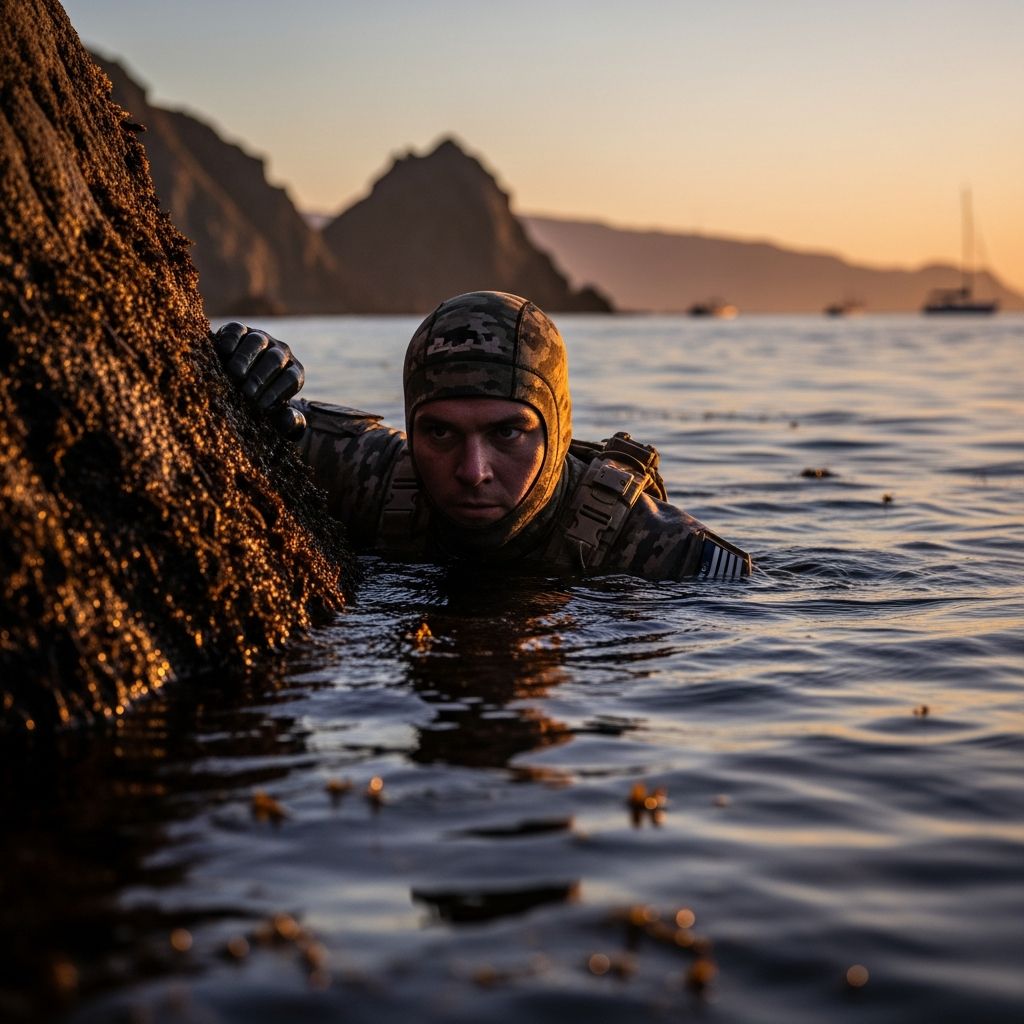
Hide-and-seek is more than a simple childhood game—it’s an opportunity to teach children essential skills like strategy, patience, and quick thinking. Drawing inspiration from real-world experts in concealment, these tactics transform ordinary playtime into a thrilling mastery of evasion. Parents can empower their kids to outsmart seekers using time-tested principles adapted for home environments.
Building a Foundation: Pre-Game Planning Essentials
Success in hide-and-seek begins long before the countdown starts. Just as elite operatives prepare their terrain, children should scout and adapt their surroundings to gain an edge. This phase focuses on observation, adaptation, and subtle modifications that blend seamlessly into the environment.
- Environmental Scouting: Encourage kids to map out the play area mentally. Identify spots with natural cover like furniture clusters, drapery, or underutilized corners. Prioritize locations offering protection from various sightlines, such as behind bulky items or within layered fabrics.
- Pattern Disruption: Teach the importance of blending silhouettes. Clothing with varied colors and textures breaks up outlines, making detection harder. Everyday items like patterned shirts or blankets mimic surroundings effectively.
- Site Conditioning: Subtly prepare chosen hides by arranging everyday objects to appear undisturbed. A casually draped cloth or rearranged cushions can create plausible deniability, allowing repeated use across rounds without suspicion.
These steps level the playing field, turning the home into a strategic playground. By investing time upfront, kids build confidence and reduce panic during active play.
Launching into Action: Countdown Maneuvers
With eyes closed and counting underway, the game shifts to execution. Seekers’ heightened senses demand clever countermeasures. Focus on sensory deception and positional discipline to slip away undetected.
| Tactic | Purpose | Execution Tip |
|---|---|---|
| Audio Misdirection | Divert attention | Make noise toward a false path, then pivot silently opposite. |
| Profile Minimization | Avoid shadows | Crouch low to ground level during transit. |
| Breath Control | Prevent motion cues | Inhale deeply and exhale slowly to stay still. |
These maneuvers exploit human perception limits. Noise draws focus away, while low posture evades peripheral vision. Controlled breathing ensures no chest movement betrays the position.
Advanced Evasion: Multi-Round Domination
Single-round wins are fleeting; true mastery shines in extended games. As patterns emerge, adapt with decoys and mobility to keep seekers guessing.
- Decoy Deployment: After initial hides, layer fakes. Pile soft items under covers to mimic a body shape, then relocate with fresh cover. This sows doubt and buys time.
- Mobile Repositioning: Exploit checked zones. In multi-door rooms, lurk externally, slip in post-search via the exit path. This reclaims ‘safe’ spaces undetected.
- Rotation Discipline: Vary spots per round. Predictable choices invite elimination; novelty maintains unpredictability.
These techniques foster adaptability, mirroring real-life problem-solving. Kids learn to read opponents and pivot under pressure.
Psychological Edges: Outthinking the Seeker
Beyond physical hides, mental games tip the scales. Understand seeker psychology: they favor likely spots first, tire over time, and overlook the obvious.
Instill these mindsets:
- Anticipate searches: Obvious closets get hit early; counter with overlooked nooks.
- Feign vulnerability: Brief exposures lure chases away from true hides.
- Endurance mindset: Patience outlasts hasty seekers, rewarding stillness.
Discuss post-game: What gave positions away? This reflection hones instincts over repetitions.
Safety First: Fun Without Risks
Stealth training must prioritize well-being. Set boundaries: no high climbs, tight squeezes, or breath-holding extremes. Supervise to prevent mishaps, emphasizing low-risk innovates over daring stunts. Hydration breaks and space limits keep energy high and accidents low.
Why These Skills Matter Beyond the Game
Hide-and-seek builds more than winners—it cultivates resilience, spatial awareness, and tactical thinking. Parents report improved focus and confidence in school tasks. These sessions strengthen family bonds, creating joyful memories laced with achievement.
Expand play: Theme nights with ‘missions’ or team variants add variety. Track win streaks to motivate, turning practice into passion.
Frequently Asked Questions
What age is best for these tactics?
Children 5+ grasp basics; refine complexities by 8-10. Start simple, scale with maturity.
Do these work outdoors?
Yes—adapt to bushes, play structures. Camouflage and sound tricks translate seamlessly.
How to fairly handicap for younger siblings?
Shorten counts or limit zones. Rotate roles to build empathy.
Can seekers use counters?
Absolutely: Systematic sweeps, call-outs for movement. Balance keeps it engaging.
Evidence these from SEAL training?
Adapted from concealment doctrines; core principles align with military stealth manuals.
Skill Progression Table
| Level | Core Skills | Practice Focus |
|---|---|---|
| Beginner | Camouflage, basic hides | Pre-game prep |
| Intermediate | Misdirection, breathing | Countdown execution |
| Expert | Decoys, mobility | Multi-round adaptation |
Progress kids via levels for structured growth, celebrating milestones.
Integrate tech sparingly: Flashlight ‘night ops’ variants add thrill without screens dominating.
Family Game Night Integration
Elevate evenings: Pair with snacks, scoreboards. Alternate hider/seeker shifts ensure equity. Variations like ‘shadow tag’ hybrids extend sessions.
Parental involvement models composure—stay calm when outwitted. Laughter cements lessons.
References
- A Navy SEAL’s Tips On How To Dominate Hide-And-Seek — Fatherly. 2016. https://www.fatherly.com/love-money/a-navy-seals-tips-on-how-to-dominate-hide-and-seek
- A Navy SEAL’s Guide To Dominating Hide-And-Seek — Task & Purpose. 2016. https://taskandpurpose.com/news/a-navy-seals-guide-to-dominating-hide-and-seek/
- FM 3-05.70: Survival — U.S. Army Field Manual (via public domain archives). 2002 (authoritative on camouflage basics). https://www.globalsecurity.org/military/library/policy/army/fm/3-05-70/fm3-05-70.pdf
- Child Development: Play and Learning — American Academy of Pediatrics. 2023. https://publications.aap.org/pediatrics/article/151/6/e2023061281/192284