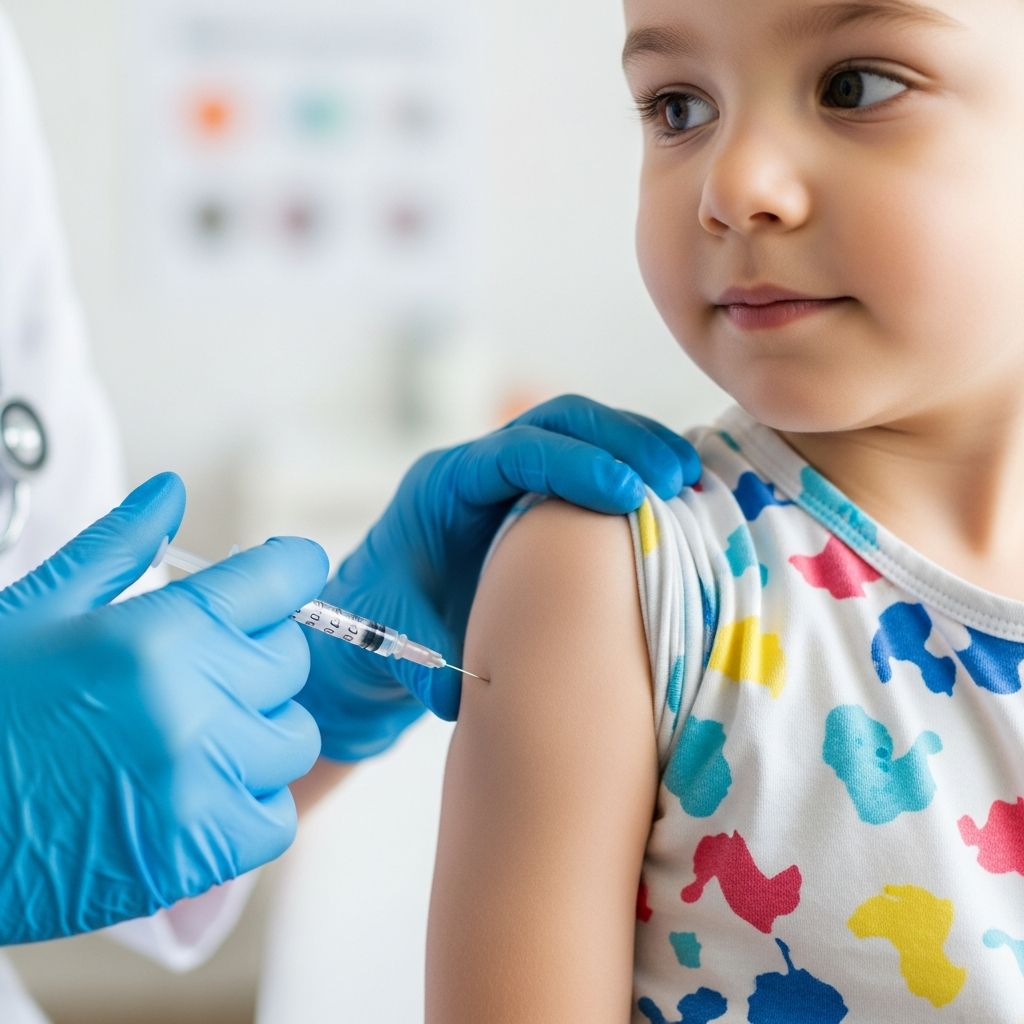
Haemophilus influenzae type b, commonly known as Hib, is a dangerous bacterium that primarily affects infants and young children, leading to potentially fatal illnesses such as meningitis and pneumonia. Despite its name suggesting a link to influenza, Hib is not a virus but a bacterial pathogen that thrives in respiratory secretions.
Understanding the Hib Bacterium and Its Types
The bacterium Haemophilus influenzae exists in multiple forms, classified into serotypes a through f, plus non-typeable strains. Among these, type b stands out due to its polysaccharide capsule, which enables it to evade the immune system and cause invasive disease in sterile body sites like the bloodstream or brain membranes.
Prior to widespread vaccination, Hib accounted for approximately 95% of invasive Haemophilus influenzae cases in children, making it a leading cause of bacterial meningitis worldwide. Non-typeable strains now dominate milder infections like ear infections post-vaccination, but type b remains the focus of preventive efforts.
How Hib Spreads in Communities
Hib transmits through respiratory droplets from coughing, sneezing, or close contact with an infected person’s nasal or throat secretions. The incubation period typically spans 2 to 4 days, and individuals remain contagious until antibiotics eliminate the bacteria, usually within 24 to 48 hours.
Children in daycare or crowded settings face higher exposure risks. While adults and older children often carry Hib asymptomatically, unvaccinated infants under 5 years are most vulnerable, especially those aged 6 to 18 months.
- Primary transmission mode: Airborne droplets or direct contact with secretions.
- Contagious period: Until bacteria are cleared by treatment.
- High-risk environments: Daycares, households with infected individuals.
Recognizing Early Warning Signs of Hib Infection
Symptoms vary by the infected body part but often escalate rapidly, demanding immediate medical intervention. General indicators include high fever, lethargy, irritability, and poor feeding in babies.
| Infection Type | Key Symptoms |
|---|---|
| Meningitis | Fever, stiff neck, drowsiness, seizures, bulging fontanelle in infants. |
| Epiglottitis | Severe breathing difficulty, drooling, high-pitched sounds, restlessness. |
| Pneumonia | Cough, chest pain, shortness of breath, rapid breathing. |
| Septic Arthritis | Joint swelling, pain, limited movement, fever. |
| Cellulitis | Facial swelling, redness, tenderness. |
Parents should watch for danger signs like blue-tinged skin, unresponsiveness, or a non-blanching rash, which signal sepsis or severe progression.
Potential Long-Term Consequences of Untreated Hib
Even with prompt treatment, Hib can leave lasting damage. Survivors of meningitis may experience hearing loss, developmental delays, seizures, or cognitive impairments. Epiglottitis survivors risk airway scarring, while pneumonia or joint infections might cause chronic respiratory issues or mobility limitations.
Historically, before vaccines, Hib killed thousands annually. In the U.S. alone, it caused over 20,000 invasive cases yearly in the pre-vaccine era, with 3-6% mortality and 15-30% neurological sequelae among survivors.
The Breakthrough of Hib Vaccination
Introduced in the late 1980s and refined with conjugate vaccines in the 1990s, Hib immunization has dramatically reduced disease incidence. In Australia, cases plummeted post-1993 rollout; similar declines occurred globally.
The vaccine, often combined in pediatric schedules (e.g., DTaP-IPV-Hib), uses a protein-conjugated polysaccharide to boost infant immune responses. It provides over 95% efficacy against invasive Hib disease.
- Doses: Typically 3-4 in infancy, booster at 12-15 months.
- Coverage goal: >90% to achieve herd immunity.
- High-risk groups: Asplenia, HIV, immunodeficiencies require catch-up doses.
Current Vaccination Schedules for Children
Health agencies recommend Hib shots starting at 2 months. In many countries:
- 2 months: First dose.
- 4 months: Second dose.
- 6 months: Third dose (some schedules).
- 12-15 months: Booster.
Unvaccinated older children or at-risk adults may need catch-up series. Immunization prevents not just Hib but contributes to broader protection via combination vaccines.
Common Side Effects and Safety Profile
Hib vaccines are safe, with mild reactions like injection-site redness, low fever, or fussiness resolving quickly. Rare severe events, like allergic reactions, occur in fewer than 1 in a million doses. No evidence links them to long-term issues.
Benefits far outweigh risks: Vaccination has nearly eradicated invasive Hib in immunized populations, saving countless lives.
Diagnosis and Urgent Treatment Approaches
Suspected Hib requires immediate hospitalization. Diagnosis involves blood cultures, spinal taps for meningitis, or imaging. Antibiotics like ceftriaxone are first-line, administered intravenously for 7-10 days depending on the site.
Supportive care includes oxygen, fluids, and monitoring for complications. Early intervention boosts survival rates above 90%.
Why Hib Vaccination Matters Today
Though rare in vaccinated communities, outbreaks persist in under-immunized areas. In 2009, U.S. incidents highlighted vulnerabilities in unvaccinated groups. Global travel and waning immunity underscore ongoing needs.
Maintaining high coverage protects vulnerable populations, including those unable to vaccinate. Public health campaigns emphasize no complacency.
Frequently Asked Questions (FAQs)
What age group is most at risk for Hib disease?
Infants and children under 5 years, particularly 6-18 months, face the highest risk, though immunocompromised individuals of any age are susceptible.
Is Hib the same as the flu?
No, despite the name, Hib is a bacterium unrelated to influenza viruses. The misnomer dates to 1892 when it was wrongly linked to flu outbreaks.
Can vaccinated children still get Hib?
Fully vaccinated children have over 95% protection, but rare breakthrough cases occur, emphasizing complete schedules.
What should I do if my child shows Hib symptoms?
Seek emergency care immediately for fever, stiff neck, breathing issues, or lethargy to prevent rapid deterioration.
Are Hib vaccines safe for all children?
Yes, they are rigorously tested and recommended for all infants unless contraindicated by severe allergy. Consult pediatricians for concerns.
Empowering Parents: Steps to Safeguard Your Family
Stay current with vaccinations, recognize symptoms promptly, practice hygiene like handwashing, and advocate for community immunization rates. Consult healthcare providers for personalized advice.
By prioritizing prevention, families can shield children from Hib’s devastating effects, ensuring healthier futures.
References
- Haemophilus influenzae type b (Hib) — Better Health Channel, Victoria Government. 2023-10-01. https://www.betterhealth.vic.gov.au/health/healthyliving/haemophilus-influenzae-type-b-hib
- Haemophilus Influenzae Type B — Florida Department of Health. 2024-05-15. https://www.floridahealth.gov/diseases-and-conditions/disease/haemophilus-influenzae-type-b/
- Haemophilus influenzae type b (Hib): Questions and Answers — Immunize.org. 2023-01-01. https://www.immunize.org/wp-content/uploads/catg.d/p4206.pdf
- Haemophilus influenzae type b (Hib) — NHS UK. 2024-08-20. https://www.nhs.uk/conditions/hib/
- Haemophilus influenzae Infection — StatPearls, NCBI Bookshelf, NIH. 2024-07-10. https://www.ncbi.nlm.nih.gov/books/NBK562176/
- Hib (Haemophilus influenzae type b) — History of Vaccines, College of Physicians of Philadelphia. 2023-11-05. https://historyofvaccines.org/diseases/hib-haemophilus-influenzae-type-b/
- About Haemophilus influenzae Disease — Centers for Disease Control and Prevention (CDC). 2025-03-12. https://www.cdc.gov/hi-disease/about/index.html