The Infant’s Experience: Understanding Your Child’s Inner World
Motherhood transforms the way we see the world, yet we rarely pause to consider how our children perceive us during these formative years. The relationship between a mother and her infant exists as one of the most profound connections in human experience, characterized by an intensity of emotion and dependency that shapes the trajectory of a child’s entire life. From the infant’s perspective, their mother represents far more than a caregiver—she embodies safety, comfort, identity, and the entire known universe.
During the earliest months and years of life, a child’s cognitive abilities are still developing rapidly. Their vision remains somewhat limited, their understanding of the world is expanding gradually, and yet their emotional recognition of their primary caregiver develops with remarkable speed. This article explores the multifaceted ways in which infants experience and relate to their mothers, offering insights into the emotional landscape that mothers often wonder about but rarely hear articulated from their child’s perspective.
The Foundation of Identity: How Mothers Shape Early Self-Perception
Before an infant can comprehend complex language or understand abstract concepts, they begin developing their sense of self through their relationship with their mother. This process, known as attachment theory, has been extensively studied by developmental psychologists and remains central to understanding healthy childhood development.
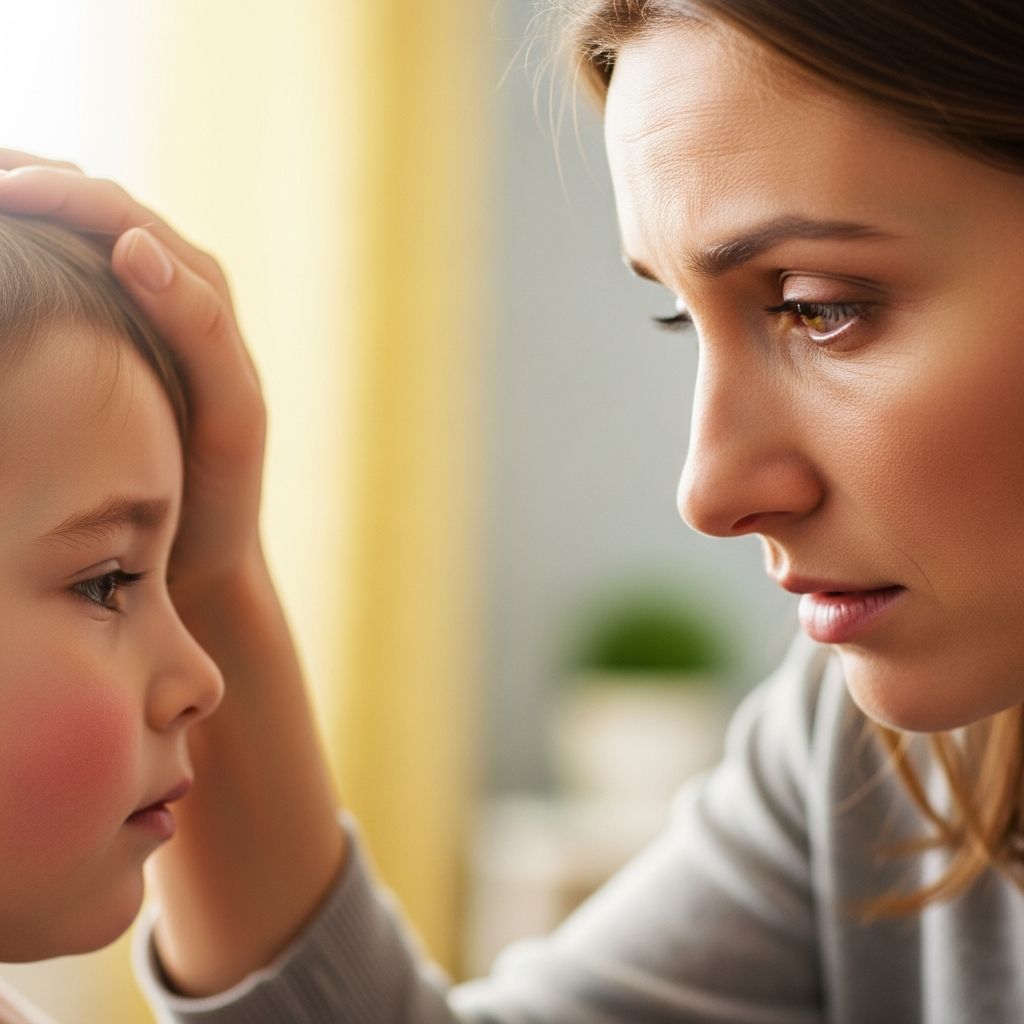
When a mother responds consistently to her child’s needs—whether through feeding, comfort, or emotional presence—the infant begins to internalize a fundamental belief about their own worth and the reliability of the world around them. The mother’s face becomes the child’s first mirror, reflecting back to them their own value and importance. As children grow and achieve milestones, they naturally turn toward their mothers seeking validation and recognition of their accomplishments.
This dynamic creates a feedback loop where the mother’s attention and affirmation become integral to the child’s developing self-esteem. The infant learns to seek their mother’s face in crowds, to recognize her unique presence among all other people, and to use her as a reference point for understanding whether situations are safe or concerning. This foundational role cannot be overstated—it influences everything from how children approach relationships to how they respond to challenges throughout their lives.
The Physical Needs That Carry Emotional Significance
While the physical necessities of infancy—feeding, diaper changes, sleep—might seem purely biological, they carry profound emotional weight for both mother and child. When a newborn cries, the mother experiences it not merely as a request for food or a clean diaper, but often as a summons that triggers deep physiological and emotional responses.
For the infant, their mother’s presence during these vulnerable moments communicates something fundamental: you matter enough for someone to respond to you. You are worthy of care. Your needs are important. This isn’t manipulation or neediness on the child’s part; it represents the child’s primary mechanism for understanding their place in the world and their inherent value.
The comfort derived from a mother’s familiar scent, the warmth of her body, and the rhythm of her heartbeat activate soothing neural pathways in the infant’s developing brain. Research in developmental neuroscience has demonstrated that these sensory experiences literally shape the architecture of the brain, influencing stress response systems and emotional regulation capabilities that persist throughout life.
Parental Doubt and the Child’s Unwavering Confidence
One of the most striking disconnects in early parenthood occurs between what mothers believe about their own competence and what their children actually perceive. Many mothers experience self-doubt, questioning whether they’re doing things correctly, worrying that they’re making mistakes, or feeling inadequate to the immense responsibility of raising another human being.
Yet from the child’s perspective, this internal uncertainty is largely invisible. What children observe instead is their mother’s actions, her consistency, and her commitment to meeting their needs. When a mother picks up her crying infant despite not knowing exactly why they’re crying, she is demonstrating capability. When she tries different soothing techniques, she is demonstrating problem-solving. When she shows up for her child day after day, she is demonstrating reliability.
Children develop profound trust not in perfect mothers, but in present ones. They trust mothers who try, who persist, who adjust their approach when something isn’t working. The confidence that infants and young children place in their mothers often outstrips what the mothers themselves feel, creating a beautiful asymmetry where the child’s faith in the parent can actually sustain the parent through moments of self-doubt.
Sleep Deprivation, Loneliness, and the Child’s Awareness
Many mothers speak of the isolation that accompanies early parenting—the long nights awake with a crying infant, the days spent at home while the outside world continues without them, the sense that time has become unmeasured and endless. These experiences can create profound loneliness, particularly when mothers feel that no one understands the magnitude of their isolation.
What mothers in these moments may not fully realize is that their children are acutely aware of their presence. In the quiet hours of the night, when a mother feels most alone, her infant is experiencing the opposite—they are completely and utterly engaged with their mother. The focus is entirely on her. To the child, she is not isolated; she is, in fact, their entire world.
As the child matures and develops the capacity to understand time and relationships more complexly, they may later realize that their mother sacrificed sleep, social engagement, and personal time for them. But in the present moment of infancy, the child’s experience is simply that their mother is there, available, and present. This presence, even when it feels burdensome to the mother, represents pure security to the child.
Achievements and the Importance of Witness
Every developmental milestone—the first smile, the first roll-over, the first word, the first steps—carries emotional significance beyond its developmental importance. These moments matter not merely because they represent progress in the child’s growth, but because they occur within a relational context. The child achieves something, and then seeks their mother’s face to confirm that this achievement has been witnessed and matters.
This need for witness continues throughout childhood and, in truth, throughout life. The mother becomes the child’s first and most important audience, the person whose recognition of their growth and capabilities shapes how the child comes to understand their own potential. When a mother celebrates her child’s small victories—even when exhausted or struggling with her own sense of accomplishment—she is providing something psychologically essential.
The irony is that many mothers feel as though they have accomplished nothing, lost in the routine of caregiving tasks that go unrecognized by the wider world. Yet from their child’s perspective, the mother’s world-building activities are precisely the accomplishments that matter most. By showing up, by being present for the small moments, by witnessing growth, mothers are achieving something profound.
Identity Loss and Rediscovery
One of the unexpected challenges of motherhood involves the question of personal identity. Many women experience a sense of having disappeared into the role of mother, losing sight of who they were before children. This identity confusion can lead to periods of disconnection from self, where looking in the mirror reveals someone they don’t quite recognize.
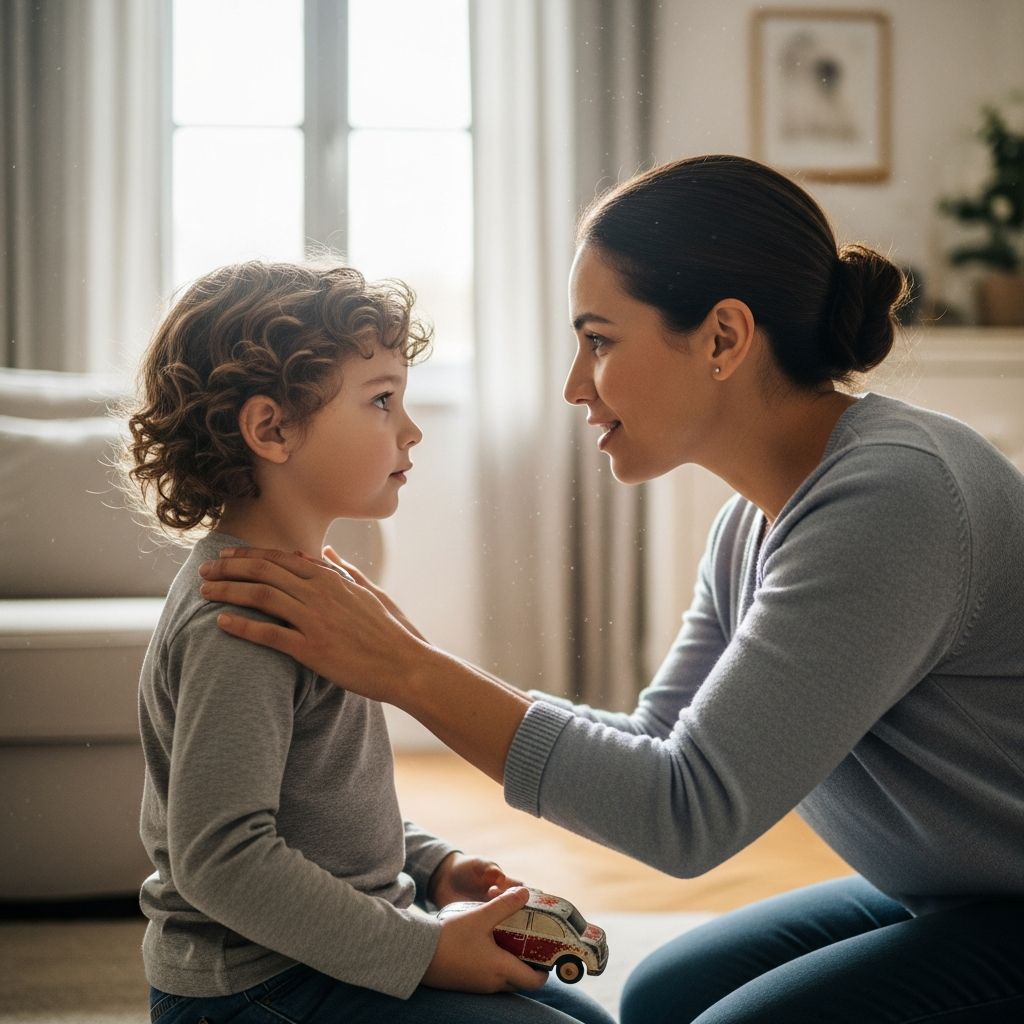
Yet for the child, the mother’s face represents something entirely different—it represents identity itself. The child learns who they are, in part, by seeing themselves reflected in their mother’s expressions and reactions. As the child grows and achieves things, they will look to their mother’s face for confirmation of their success. When they feel fear or uncertainty, they will search for their mother’s face to gauge whether they are safe. The mother’s face becomes the child’s internal compass for navigating the world.
This means that at the very moment a mother feels she has lost herself, her child is discovering themselves through her. The mother’s presence and attention, even when given with reluctance or exhaustion, become the framework within which the child constructs their sense of self. This is both a profound responsibility and, potentially, a source of deep meaning for mothers struggling with identity questions.
The Weight of Responsibility and the Child’s Lightness
Motherhood, particularly in the early years, can feel extraordinarily heavy. The weight of responsibility for another human being, the pressure to do everything correctly, the awareness that one’s actions and choices influence someone else’s development and wellbeing—this weight can feel crushing.
Simultaneously, from the child’s perspective, the presence of the mother creates a sense of lightness. When an infant is held, they experience not heaviness but comfort. When a toddler is near their mother, they experience not burden but safety. The psychological weight that the mother carries—the worry, the responsibility, the doubt—is largely invisible to the child. What the child experiences is the benefit of having someone who carries these concerns on their behalf.
There exists an inverse relationship where the mother’s internal heaviness corresponds to the child’s external lightness. This doesn’t diminish the mother’s burden, but it does contextualize it within a meaningful purpose. The weight that feels so overwhelming to the mother is, in some sense, protection and care being given to the child.
Impermanence and the Desire to Extend the Present Moment
As children grow, there emerges an awareness that the intensity of early bonding cannot last forever. Children gradually need their mothers less directly—they develop independence, they go to school, they build relationships with others, they eventually leave home. This natural progression, while necessary and healthy, also carries an undercurrent of sadness for many mothers who recognize that the intense early years are finite.
The child, still embedded in the present moment, does not yet fully understand this impermanence. When a small child asks their mother to lay with them a little longer, or when they resist bedtime, or when they prefer their mother’s presence to other activities, they are not consciously aware that they are in a limited chapter of life with their mother. They are simply expressing their current reality: right now, they need this, and they want the mother to stay.
This creates a poignant dynamic where the mother might feel the weight of impermanence while the child exists fully in the present. The mother’s awareness of time’s passage can create urgency around presence, while the child’s lack of awareness allows them to experience each moment without the overlay of knowing it will eventually end.
The Mysterious Choice of Connection
Perhaps one of the most mysterious aspects of the parent-child relationship involves the question of why. When mothers reach the breaking point—exhausted, depleted, without resources—they sometimes wonder why they continue. Yet from the child’s perspective, there is no mystery. The child, in their own pre-linguistic or developing understanding, might recognize something that adults struggle to articulate: that they were meant to be together, that this particular relationship exists for profound reasons.
Many mothers report intuiting a deep sense of rightness in their connection with their child, a feeling that transcends logical explanation. This intuition, whether understood as spiritual, psychological, or biological, represents a recognition of the profound significance of the bond. The child’s trust—their willingness to depend entirely on this one person—reflects a kind of knowing that the child was right to be vulnerable with this particular mother.
Frequently Asked Questions
Q: How early can infants recognize their mothers?
A: Infants can recognize their mothers’ voices within days of birth and their faces within the first weeks of life. Newborns show preference for their mother’s scent and voice very early in development, establishing the foundation for attachment.
Q: Is it normal for mothers to feel isolated during early parenting?
A: Yes, feelings of isolation are extremely common, particularly during the infant and toddler years. Many mothers experience a dramatic change in their social life and personal freedom, which can contribute to loneliness and identity confusion.
Q: How does early maternal bonding affect long-term development?
A: Strong maternal attachment in infancy is associated with better emotional regulation, improved social relationships, increased resilience, and stronger self-esteem throughout childhood and adulthood. The quality of early bonding influences how children relate to others and approach challenges.
Q: Can mothers damage their children through parental doubt and imperfection?
A: Research suggests that children actually benefit from witnessing parental imperfection when it’s coupled with accountability and repair. Children learn resilience and healthy relationship patterns by seeing parents acknowledge mistakes and work through conflicts.
Q: When do children begin to need their mothers less?
A: This varies by individual child, but gradual independence typically begins around age two or three. The intensity of dependency decreases as children develop skills, but the emotional significance of the maternal relationship continues throughout development.
Q: How can mothers cope with the impermanence of early parenting stages?
A: Many parenting experts recommend practicing mindfulness and presence, taking photographs or journaling about meaningful moments, connecting with other mothers who understand this stage, and recognizing that each phase brings new forms of connection and meaning.
Key Takeaways for Understanding Your Child’s Perspective
- Your presence and consistency matter far more than perfect parenting; children develop trust through reliable responsiveness, not perfection.
- When your child seeks your face, searches for you in a crowd, or asks you to stay a little longer, they are not being manipulative or clingy—they are expressing their current developmental reality and their emotional needs.
- The weight of responsibility that feels so heavy to mothers often corresponds to a sense of safety and security for children.
- Your own self-doubt is largely invisible to your child; what they observe is your effort, your commitment, and your presence.
- The early years of parenting are finite, which carries both sadness and significance—recognizing this impermanence can deepen appreciation for present moments.
- Children develop their sense of self partly through their mother’s recognition and witness of their experiences and achievements.
- The intense bonding of early parenting serves a purpose that extends beyond the childhood years, shaping how individuals relate to others and navigate the world throughout their lives.
References
- Attachment Theory in Development: Introduction and Overview — American Psychological Association. 2023. https://www.apa.org/science/about/psa/attachment
- Early Brain Development and Health — Centers for Disease Control and Prevention. 2024. https://www.cdc.gov/ncbddd/childdevelopment/early-brain-development.html
- The Impact of Parental Sensitivity on Child Development — National Institute of Child Health and Human Development. 2023. https://www.nichd.nih.gov/research/supported/parenting
- Parental Mental Health and Child Outcomes — American Academy of Pediatrics. 2024. https://publications.aap.org/pediatrics/article/149/2/e2021052582/181380
- Mother-Infant Interaction and Secure Attachment Patterns — Journal of Developmental Psychology, Oxford University Press. 2023. https://academic.oup.com/jop