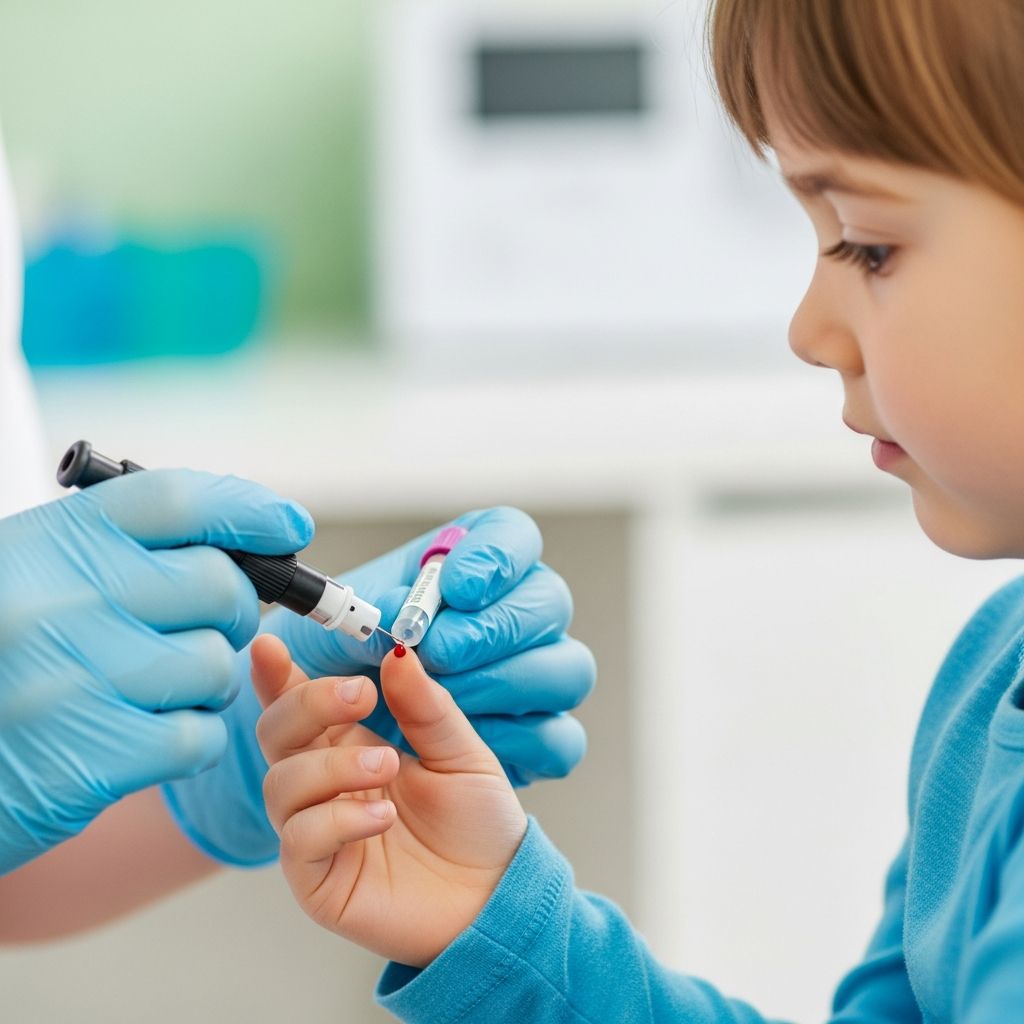
When a doctor orders a blood test for a child, parents often feel nervous and unsure about what will happen and what the results might show. A hemoglobin test is one of the most common blood tests, and understanding it can make the process less stressful for everyone.
What Is Hemoglobin?
Hemoglobin is a protein inside red blood cells that carries oxygen from the lungs to the rest of the body and helps transport carbon dioxide back to the lungs to be exhaled. When hemoglobin is at a healthy level, the body’s cells receive the oxygen they need to create energy and function properly. If hemoglobin is too low or, less commonly, too high, it may signal an underlying health problem that needs attention.
- Hemoglobin + oxygen: This partnership allows organs and tissues to stay active and healthy.
- Color of blood: Hemoglobin also gives red blood cells their characteristic color.
- Indicator of health: Measuring hemoglobin offers a quick snapshot of how well a child’s blood can carry oxygen.
Why Doctors Order a Hemoglobin Test for Children
Pediatricians order hemoglobin tests for many reasons, and the test is often part of a routine screening called a complete blood count (CBC). In some cases, doctors are checking a child’s general health; in others, they are looking for specific conditions such as anemia or monitoring how a known condition is progressing.
Common reasons a child may need a hemoglobin test include:
- Routine health screening during well-child visits or school physicals.
- Symptoms such as fatigue, pale skin, irritability, or shortness of breath.
- A history of low iron intake or a very restricted diet.
- Chronic illnesses that may affect the blood or bone marrow.
- Monitoring recovery after surgery, significant blood loss, or serious illness.
How the Hemoglobin Test Is Done
Although it can be intimidating for young children, the hemoglobin test is a quick procedure. It requires a small sample of blood, and medical professionals take special steps to keep children as calm and comfortable as possible.
Blood Sample Methods
- Finger or heel prick: Often used for babies and very young children; a tiny puncture is made and a few drops of blood are collected.
- Venous draw: For older children, blood is usually taken from a vein in the arm using a small needle.
The area is cleaned with antiseptic first, and a bandage is placed after the sample is collected. The actual blood draw usually takes less than a minute, though preparation and comforting the child may take a bit longer.
Helping Your Child Cope With the Test
Parents can make the experience easier by preparing their child in simple, honest terms and offering comfort during the procedure.
- Explain that the test might feel like a quick pinch but will be over fast.
- Offer a favorite toy, book, or video as a distraction in the waiting room and during the test if allowed.
- Hold your child’s hand, maintain eye contact, and use calm, reassuring words.
- Plan a small reward afterward, like extra story time or a fun activity.
Typical Hemoglobin Ranges in Children
Normal hemoglobin levels vary with age and, for older children, sometimes by sex. Laboratories may use slightly different reference ranges, so the exact “normal” values printed on your child’s result form may not match those from another lab, but they should be in a similar range.
The table below shows general reference ranges often used as a guide. Your doctor will interpret your child’s results in the context of these ranges and your child’s overall health.
| Age Group | Typical Hemoglobin Range (g/dL) |
|---|---|
| Newborn | About 14 – 24 |
| 2 weeks – 6 months | About 10 – 20 |
| 6 months – 6 years | About 9.5 – 14 |
| 6 – 18 years | About 10 – 15.5 |
These ranges are broad and intended only as general guidance. A result that is slightly above or below the range may still be normal for your child, depending on their unique situation and the lab’s specific standards.
What Low Hemoglobin Can Mean (Anemia)
Low hemoglobin is often referred to as anemia. Anemia in children is common and can have many different causes, ranging from simple nutritional issues to more complex medical problems. The hemoglobin test helps doctors decide whether further evaluation is needed.
Potential causes of low hemoglobin in children include:
- Iron deficiency: The most frequent cause, often related to low iron intake, rapid growth, or blood loss.
- Vitamin deficiencies: Low levels of folate or vitamin B12 can affect red blood cell production.
- Chronic illnesses: Long-term infections or inflammatory conditions can interfere with blood production.
- Inherited blood disorders: Conditions like sickle cell disease or thalassemia affect hemoglobin quantity or structure.
- Bone marrow problems: Less common but serious, these conditions impact the body’s ability to make blood cells.
Signs and Symptoms of Low Hemoglobin
Some children with mild anemia have no obvious symptoms, and the problem is discovered only through routine blood work. When symptoms do appear, they often relate to the body’s reduced ability to carry oxygen.
- Pale or yellowish skin and inner eyelids.
- Unusual tiredness, weakness, or reduced activity.
- Shortness of breath or rapid breathing, especially with exertion.
- Dizziness, headaches, or difficulty concentrating.
- Feeling cold more often than usual.
Because many of these symptoms can occur with common childhood illnesses or even normal growth phases, a blood test is important to confirm whether anemia is present.
What High Hemoglobin Can Mean
High hemoglobin levels in children are less common than low levels, but they can occur and may point to certain medical situations or environmental factors. Sometimes a mildly elevated result is temporary and not a sign of disease, especially if a child is slightly dehydrated when the blood is drawn.
Possible explanations for higher-than-expected hemoglobin include:
- Living at high altitudes, where the body produces more hemoglobin to capture extra oxygen from thinner air.
- Dehydration, which can make the blood appear more concentrated.
- Lung or heart conditions that reduce oxygen levels, prompting the body to make more red blood cells.
- Less common blood or bone marrow disorders that increase red blood cell production.
Your child’s doctor will compare the hemoglobin result with other blood values and the child’s medical history before deciding if further testing is needed.
What Happens After Abnormal Results
An abnormal hemoglobin result is not a diagnosis on its own; it is a clue that guides the next steps. The follow-up plan depends on how far the result is from the expected range and whether the child has symptoms.
Possible Next Steps for Low Hemoglobin
- Repeating the test to confirm the result, especially if it was only slightly low.
- Ordering additional blood tests, such as iron levels, ferritin, or other vitamin measurements.
- Reviewing the child’s diet, growth pattern, and any history of blood loss (for example, heavy menstrual periods in teens).
- Recommending iron-rich foods, iron supplements, or both if iron deficiency is suspected.
- Referring to a pediatric specialist if a more complex condition is possible.
Possible Next Steps for High Hemoglobin
- Checking hydration levels and repeating the test after good fluid intake.
- Evaluating for breathing problems, heart issues, or exposure to high altitude.
- Ordering specialized tests if a bone marrow or blood production problem is suspected.
In many cases, mild abnormalities can be managed with lifestyle and dietary changes, along with periodic monitoring. More serious issues may need ongoing medical care but benefit from early detection.
Supporting Healthy Hemoglobin Levels at Home
Parents play a key role in supporting healthy blood and hemoglobin levels through daily nutrition and routines. While not every cause of abnormal hemoglobin is preventable, healthy habits can reduce the risk of deficiencies and help the body recover.
Iron-Rich Foods for Children
- Lean meats such as beef, turkey, and chicken.
- Fish and eggs, if part of the family’s diet.
- Beans, lentils, chickpeas, and tofu.
- Iron-fortified cereals, breads, and pastas.
- Dark leafy greens like spinach and kale, finely chopped or blended into child-friendly dishes.
Vitamin C helps the body absorb iron better, so pairing iron-rich foods with fruits and vegetables such as oranges, strawberries, tomatoes, or bell peppers can be helpful.
Everyday Habits That Support Healthy Blood
- Offering a balanced diet with a variety of food groups.
- Limiting excessive cow’s milk in toddlers if advised, since large amounts can reduce iron absorption.
- Encouraging age-appropriate physical activity, which supports overall circulation and health.
- Keeping up with routine well-child visits so potential issues are detected early.
Key Terms Parents May See on the Lab Report
Lab reports are full of abbreviations that can be confusing. Understanding a few common terms helps parents have a more informed discussion with the child’s doctor.
| Term | What It Means |
|---|---|
| Hgb or Hb | Hemoglobin level, indicating how much oxygen-carrying protein is in the blood. |
| Hct | Hematocrit, or the percentage of blood made up of red blood cells. |
| RBC | Red blood cell count, the number of red blood cells in a specific amount of blood. |
| MCV, MCH, MCHC | Measurements describing the size and hemoglobin content of red blood cells, which help identify the type of anemia. |
The doctor will usually focus on the big picture rather than each number alone, explaining how the results relate to your child’s health.
When to Call the Doctor
Parents should contact their child’s healthcare provider if there are worrisome symptoms or if they have concerns about test results. Emergencies are rare but can occur if hemoglobin levels are very low or if other serious symptoms are present.
- Call promptly if your child is unusually tired, pale, or short of breath.
- Seek urgent care if there is chest pain, extreme difficulty breathing, fainting, or confusion.
- Ask for clarification any time test results are unclear or were not fully explained.
Good communication with the healthcare team ensures that any issues are addressed quickly and that parents feel confident about the plan of care.
Frequently Asked Questions About Hemoglobin Tests in Kids
1. Does my child need to fast before a hemoglobin test?
Most hemoglobin tests do not require fasting, especially when the test is part of a basic screening or when evaluating symptoms like tiredness. If other blood tests are being done at the same time that do require fasting, the medical team will provide specific instructions in advance.
2. How long does it take to get the results?
In many clinics and hospitals, hemoglobin results are available the same day and sometimes within minutes. If the sample is sent to an outside laboratory or combined with other tests, it may take a day or longer for the full report to be ready.
3. Can my child’s hemoglobin level change quickly?
Hemoglobin levels can change over time, especially if a child has an illness, blood loss, or a significant change in diet. However, most shifts occur over days to weeks rather than from hour to hour, so doctors often repeat abnormal results to confirm a trend.
4. Will my child always have anemia if they have a low result once?
No. A single low hemoglobin reading does not necessarily mean a lifelong problem. Some children have temporary anemia that improves with dietary changes, supplements, or treatment of an underlying illness.
5. When is a blood transfusion needed?
Blood transfusions are reserved for situations where hemoglobin is very low or symptoms are severe, and they are usually done in a hospital setting. The decision is based on the actual number, how quickly the hemoglobin dropped, the child’s age, overall health, and how the child is feeling.
6. What if my child is afraid of needles?
Fear of needles is extremely common in children. Parents and healthcare professionals can work together to use calming techniques, distraction, child-friendly explanations, and, when appropriate, numbing creams to make the experience less frightening.
Helping Your Child Feel Confident About Blood Tests
Understanding the purpose of a hemoglobin test and how it fits into your child’s care can turn a scary experience into a manageable one. When parents stay informed, ask questions, and offer steady reassurance, children often feel safer and more secure during medical procedures.
- Prepare in advance with age-appropriate explanations.
- Stay calm and supportive, modeling the attitude you hope your child will adopt.
- Follow up with positive reinforcement and honest discussion about the results.
A hemoglobin test is a simple yet powerful tool that helps doctors monitor a child’s health, detect problems early, and guide effective treatment. With the right information and support, families can approach these tests with confidence rather than fear.