Understanding Your Child’s Social Challenges
When a child comes home upset or withdrawn after school, parents often wonder what’s happening in their social world. Peer aggression and bullying represent significant challenges that many children face during their school years. Unlike isolated conflicts, bullying involves repeated negative behavior directed at someone who has difficulty defending themselves. As a parent, recognizing the signs that your child is struggling with peer aggression is the crucial first step toward providing meaningful support and intervention.
Children who experience peer aggression may display behavioral changes such as reluctance to attend school, changes in appetite, sleep disturbances, or expressions of anxiety about social situations. Some children become withdrawn, while others may act out aggressively themselves as a way of coping. Understanding that these responses are normal reactions to difficult social situations can help parents approach the situation with empathy rather than judgment.
The Foundation: Open Communication at Home
Creating an environment where your child feels safe discussing their experiences is paramount. Children often hesitate to tell parents about peer aggression due to shame, fear of not being believed, or worry about parental overreaction. Establishing regular, low-pressure conversations about their day helps normalize discussing problems before they become crises.
Ask open-ended questions that encourage sharing rather than yes-or-no questions. Instead of “Did anything bad happen today?” try “Tell me about your interactions with friends today” or “How did you feel during lunch?” This approach demonstrates genuine interest and creates space for your child to share concerns at their own pace.
When your child does disclose experiences with peer aggression, listen without immediately jumping to problem-solving mode. Validate their feelings by reflecting back what you hear: “That sounds really frustrating” or “I can see why that would hurt your feelings.” This validation strengthens your relationship and encourages continued communication.
Building Confidence Through Skill Development
Children who feel competent in handling social situations demonstrate greater resilience when facing peer aggression. Developing specific skills helps children respond more effectively rather than feeling helpless or trapped.
Assertive Communication Techniques
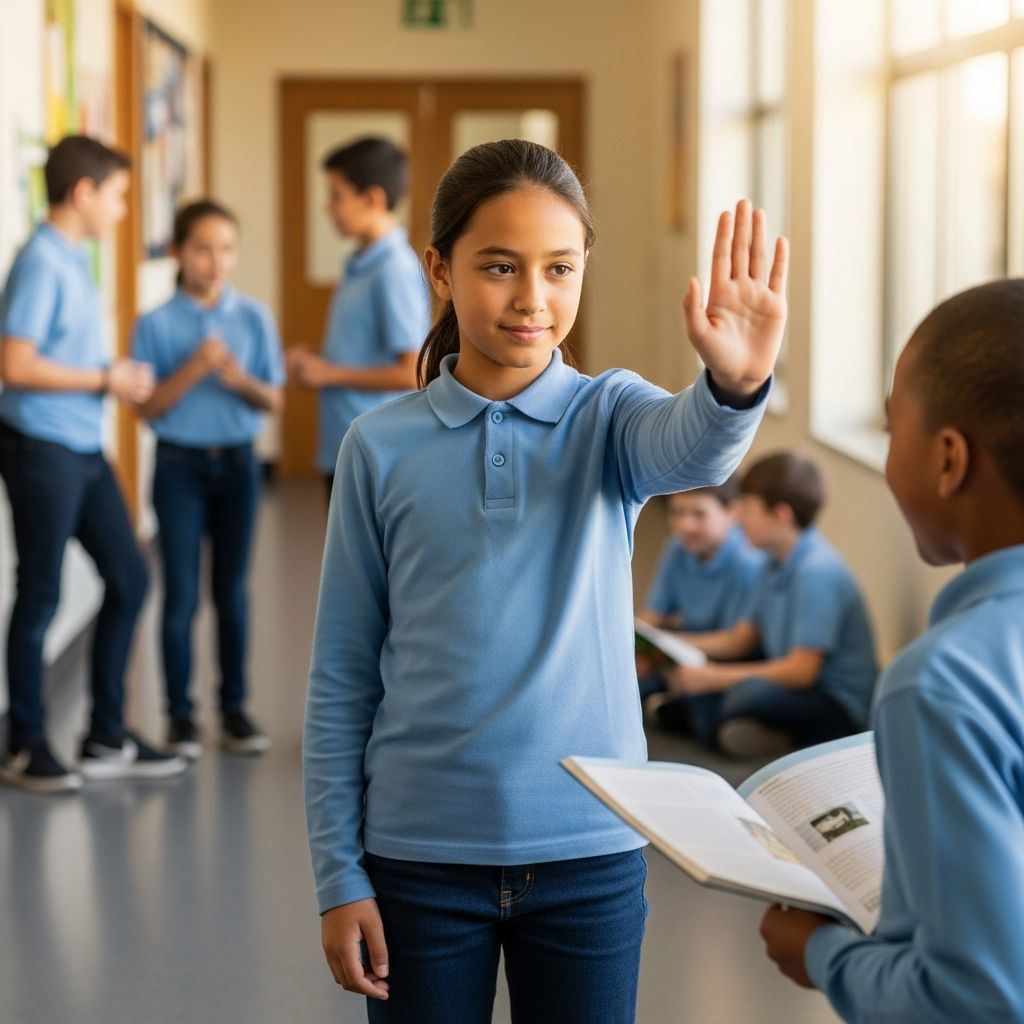
Teaching your child to communicate assertively—distinct from aggression or passivity—provides a practical tool for addressing peer conflicts. Assertive communication involves expressing needs and boundaries clearly and respectfully. Role-playing scenarios at home allows children to practice in a safe environment before applying these skills with peers.
For example, teach your child to use “I” statements: “I don’t like when you speak to me that way” rather than “You’re mean.” Help them practice maintaining eye contact, speaking in a calm tone, and keeping their body language open. These non-verbal elements communicate confidence even when a child feels anxious internally.
Problem-Solving and Coping Strategies
Equipping children with multiple strategies for handling challenging situations reduces their sense of powerlessness. Collaborate with your child to develop a menu of responses they might use depending on the situation:
- Walking away and seeking an adult when safety is at risk
- Using humor to defuse tension in non-threatening situations
- Finding support from trusted peers or friends
- Engaging in preferred activities that rebuild confidence after difficult interactions
- Using calming techniques such as deep breathing when emotions escalate
Children benefit from understanding that different situations call for different responses. A strategy that works for managing exclusion from a game might differ from the approach needed when facing verbal insults or physical aggression.
Collaboration With School Systems
Schools bear responsibility for creating safe learning environments. Parents can advocate effectively by communicating clearly with school personnel about concerns regarding peer aggression.
Schedule a meeting with your child’s teacher or counselor to discuss what’s occurring. Come prepared with specific examples: dates, times, individuals involved, and the nature of the interactions. Request information about your school’s anti-bullying policies and the specific steps the school will take to address the situation. Understanding the school’s framework helps you reinforce consistent messaging at home.
Ask about schoolwide bullying prevention programs already in place. Many schools implement social-emotional learning curricula, peer mediation programs, or restorative practices designed to reduce aggression and build empathy among students. Learning about these programs helps you understand the broader context supporting your child.
Creating a Supportive Home Environment
The home serves as a refuge where children can process difficult experiences and rebuild confidence. Creating this supportive space involves both emotional and practical elements.
Emotional Support and Validation
Children facing peer aggression often experience shame and self-doubt. Your consistent messaging that their worth isn’t determined by peer interactions helps counteract this. Avoid pressuring your child to “just ignore it” or suggesting that if they ignore aggression it will stop—research demonstrates that passivity often escalates bullying behavior rather than resolving it.
Instead, validate that peer aggression hurts and that their feelings are justified. Share age-appropriate stories about how you’ve faced social challenges, normalizing the experience while modeling resilience.
Building Strengths Outside School
Involvement in activities where your child experiences competence and success builds overall confidence that transfers to challenging social situations. Whether through sports, arts, academic clubs, or community organizations, these experiences provide:
- Opportunities to develop mastery and feel capable
- Connections with peers who share common interests
- Access to adult mentors who can provide additional support and perspective
- Activities that redirect focus and provide positive social experiences
Even one area where your child feels genuinely confident can significantly buffer against the negative effects of peer aggression in other contexts.
Understanding When Professional Support Is Needed
Some situations require intervention beyond what parents can provide alone. Consider involving a school counselor, therapist, or other mental health professional if:
- Your child shows signs of depression, anxiety, or significant behavioral changes
- Your child expresses thoughts of self-harm or suicide
- The peer aggression involves physical violence or threats
- Your child becomes socially isolated or shows signs of disordered eating or sleep
- Home-based strategies and school communication haven’t improved the situation after several weeks
A mental health professional can help your child process their experiences, develop additional coping skills, and address any emerging mental health concerns. They can also collaborate with schools to ensure coordinated support.
Teaching Empathy and Social Awareness
Beyond defensive strategies, fostering your child’s capacity for empathy and understanding different perspectives builds a foundation for healthier peer relationships. Children who understand how their actions affect others develop more positive social patterns.
Discuss what might motivate peers who engage in aggressive behavior. While never excusing harmful actions, helping your child understand that aggression often stems from insecurity, stress, or modeling of poor behavior at home can reduce the personalization of the aggression. “They’re treating others poorly because they’re struggling with something” differs from “They’re treating me poorly because something is wrong with me.”
Simultaneously, help your child recognize their own behavior and its impact on others. Modeling accountability and apologizing when you make mistakes demonstrates how healthy people handle interpersonal conflicts.
The Role of Peers and Friendships
Having at least one supportive peer friendship significantly protects children from the harmful effects of peer aggression. A single friend who accepts and values your child provides emotional support and reduces isolation.
Help your child identify and nurture positive friendships. Facilitate opportunities for your child to spend time with peers they connect with, whether through organized activities or informal gatherings. Teaching your child what makes a good friend and how to be a good friend builds the relational skills that support healthy peer networks.
Managing Your Own Emotional Responses
Parenting a child facing peer aggression triggers strong emotions—anger at the child engaging in aggression, guilt about not protecting your child, frustration with school systems. Managing these responses matters because children are attuned to parental emotion and may internalize parental anger or anxiety.
Acknowledge your feelings privately, perhaps with your partner, a friend, or a therapist. Then return to your child with calm presence and solution-focused energy. Your ability to remain relatively composed models emotional regulation and communicates to your child that this challenge, while real and painful, is manageable.
Long-Term Perspective and Resilience Building
Experiences with peer aggression, while difficult, can contribute to long-term resilience and character development when handled thoughtfully. Children who navigate these challenges with parental support develop problem-solving skills, emotional awareness, and understanding of their own values and boundaries that serve them throughout life.
The goal isn’t to eliminate all conflict—conflict is normal in human relationships—but rather to equip your child to navigate challenges effectively and maintain their sense of worth and capability despite peer difficulties.
Frequently Asked Questions
Q: How do I know if what my child is experiencing is bullying versus normal peer conflict?
A: Bullying involves repeated aggressive behavior, an imbalance of power, and intent to harm. Isolated conflicts between peers who have equal power are normal peer interactions. If aggression occurs repeatedly over time and your child feels unable to defend themselves, it likely meets the definition of bullying.
Q: Should I encourage my child to physically defend themselves against peer aggression?
A: Physical retaliation often escalates situations and may result in your child facing consequences at school. Instead, focus on developing communication skills, problem-solving strategies, and knowing when to involve adults. Exception: if your child faces physical danger, they should prioritize their safety by leaving the situation and getting help from adults.
Q: What if my child is the one engaging in aggressive behavior toward peers?
A: If your child is the aggressor, work with the school and potentially a mental health professional to understand what’s driving the behavior. Often, children who act aggressively toward peers are struggling with their own difficulties. Teaching social skills, emotional regulation, and empathy becomes the priority.
Q: How can I help my child maintain friendships while dealing with peer aggression?
A: Encourage your child to invest in positive friendships outside the immediate conflict. Help them join activities where they can meet like-minded peers. Support regular contact with friends through playdates or group activities, which provides both enjoyment and a protective buffer.
Q: Is it normal for my child to not want to go to school because of peer aggression?
A: School avoidance is a common response to bullying and indicates your child is experiencing significant distress. This warrants immediate communication with the school and possibly professional support. However, help your child attend school while strategies are being implemented, as complete avoidance can reinforce anxiety and give the aggression more power.
References
- Bullying Prevention and Intervention Strategies — Nebraska Department of Education and Workforce. Accessed January 2026. https://www.education.ne.gov/safety/bullying-cyberbullying/bullying-prevention-and-intervention-strategies/
- Building a Safe Space: Strategies for Bullying Prevention Year-Round — Elite DNA Behavioral Health. https://elitedna.com/building-a-safe-space-strategies-for-bullying-prevention-year-round/
- Preventive Interventions – Preventing Bullying Through Multimodal Approaches — National Center for Biotechnology Information (NCBI), National Institutes of Health. https://www.ncbi.nlm.nih.gov/books/NBK390407/
- Strategies for Preventing School Bullying—A Life Education Perspective — Frontiers in Psychology, 2024. https://www.frontiersin.org/journals/psychology/articles/10.3389/fpsyg.2024.1429215/full