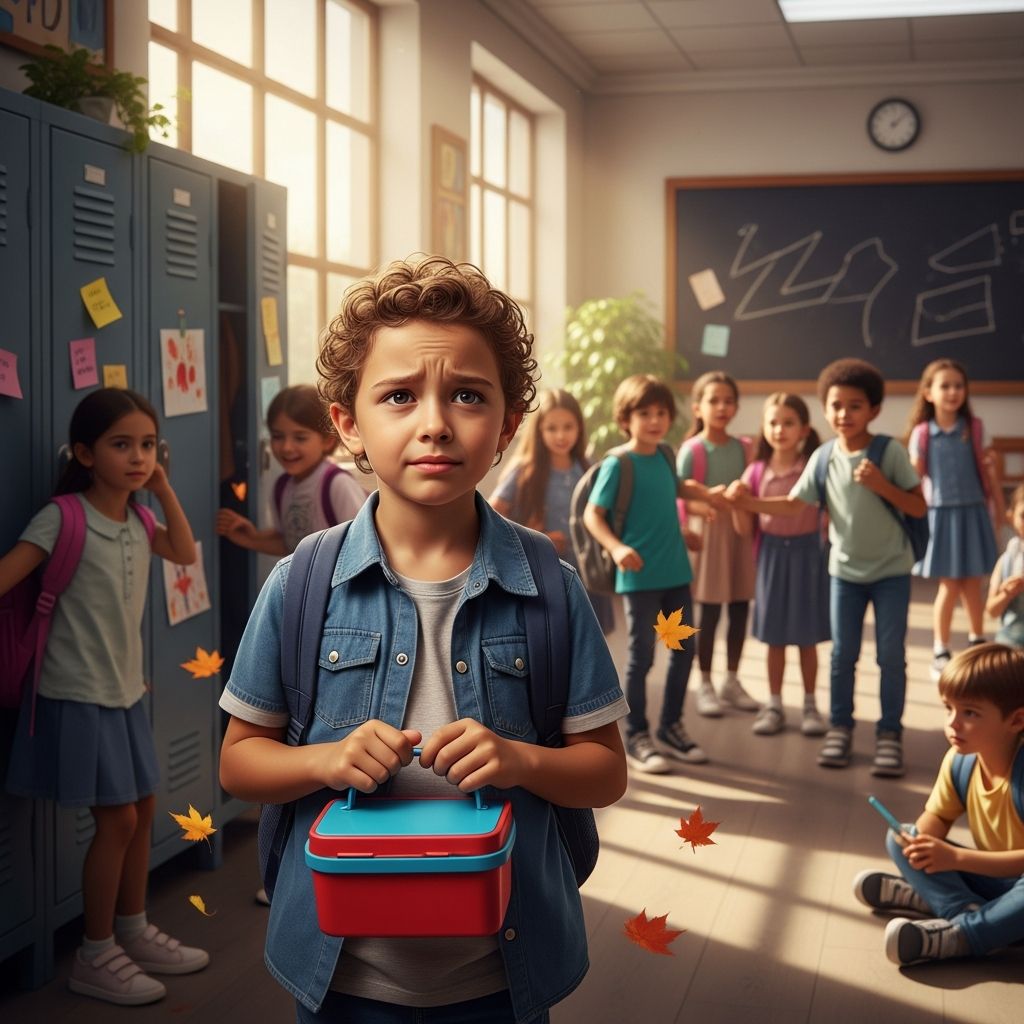
The transition back to school often stirs a whirlwind of emotions in children, from excitement to deep apprehension. Parents play a pivotal role in guiding kids through this period, helping them build emotional strength and confidence.
Understanding the Emotional Rollercoaster of School Starts
Every fall, children face a profound shift from summer’s freedom to school’s structure. This change disrupts routines, introducing new teachers, classmates, and expectations that can trigger stress. Even outgoing kids may feel the weight of uncertainty, while those with prior anxieties experience amplified worries.
Research highlights how these transitions impact young minds. The sudden demand for early wake-ups, homework, and social navigation contrasts sharply with lazy summer days, leading to emotional turbulence. Recognizing this as a normal phase empowers parents to respond effectively rather than reactively.
Common Emotional Challenges Children Face
Children encounter diverse hurdles when resuming school life. Key issues include adapting to novel environments, rekindling friendships, and coping with heightened academic loads.
- New School Levels: Transitioning from elementary to middle school brings larger classes and unfamiliar layouts, sparking fear of getting lost or overlooked.
- Social Dynamics: After summer separations, reforming peer bonds or facing potential exclusion creates social anxiety.
- Academic Demands: Older students grapple with tougher curricula and future pressures like college prep.
- Post-Pandemic Worries: Lingering health fears and safety protocols add layers of concern.
These factors don’t affect all kids equally. Those with learning differences or past traumas may struggle more intensely, underscoring the need for tailored support.
Spotting Signs of Emotional Distress
Emotional strain often manifests subtly before escalating. Vigilant parents can intervene early by noting these indicators.
| Category | Symptoms | Examples |
|---|---|---|
| Physical | Sleep disruptions, unexplained aches | Insomnia, stomach pains, constant fatigue |
| Emotional | Mood fluctuations, withdrawal | Irritability, tearfulness, clinginess |
| Behavioral | Avoidance, perfectionism | School refusal, excessive reassurance-seeking |
Addressing these promptly prevents escalation. For instance, somatic complaints like headaches frequently signal underlying anxiety rather than illness.
Proven Strategies to Build Emotional Resilience
Equipping children with coping tools fosters long-term resilience. Parents can implement these evidence-based approaches.
Open Conversations and Validation
Encourage daily dialogues about feelings. Phrases like “What are you looking forward to? What worries you?” validate emotions without judgment. This normalizes mixed sentiments, reducing isolation.
Routine Establishment and Preparation
Gradually reintroduce school-like schedules weeks ahead. Practice packing bags, setting alarms, and touring campuses to demystify the unknown. Consistent bedtime routines regulate sleep, crucial for mood stability.
- Simulate school days with timed activities.
- Visit school grounds to familiarize environments.
- Stock healthy snacks for energy maintenance.
Fostering Independence and Problem-Solving
Empower kids by brainstorming solutions together. Teach them to identify problems, generate options, and select actions. Role-playing scenarios like “What if I forget my lunch?” builds confidence.
Age-Specific Guidance for Success
Tailor support to developmental stages for optimal impact.
For Younger Children (Ages 5-8)
Focus on fun transitions. Use stories, drawings, or playdates to express fears. Short, positive school visits ease first-day jitters.
For Tweens and Teens (Ages 9-14)
Respect growing autonomy while monitoring social media’s role. Discuss cyberbullying and curate positive online habits. Encourage clubs for belonging.
Teens benefit from goal-setting sessions, linking efforts to personal aspirations like sports or hobbies.
Leveraging School and Community Resources
Collaborate beyond home. Schools offer counselors for check-ins; advocate for emotional learning programs.
- Attend orientation events together.
- Connect with teachers early about concerns.
- Explore after-school activities for social outlets.
Professional help is vital if symptoms persist beyond two weeks or impair daily life. Pediatricians or therapists provide specialized interventions.
Self-Care for Parents: Staying Balanced
Parental stress influences children. Prioritize your well-being through exercise, sleep, and peer support networks. Model calm by managing your anxieties visibly.
Long-Term Habits for Emotional Wellness
Embed practices year-round: mindfulness exercises, gratitude journals, and family meals strengthen bonds. Track progress, celebrating small victories to reinforce growth mindsets.
Frequently Asked Questions
What if my child refuses to go to school?
Validate fears, then use gradual exposure like half-days. Consult professionals if avoidance lasts.
How does social media affect back-to-school stress?
It amplifies comparisons; set limits and discuss realistic portrayals.
When should I seek professional help?
If distress disrupts sleep, eating, or school for over two weeks.
Can routines really reduce anxiety?
Yes, predictability soothes the nervous system.
How to help with friendship worries?
Role-play conversations and encourage interest-based clubs.
References
- How Parents Can Support Their Child’s Mental Health During Back-to-School Season — Child Focus. 2023. https://www.child-focus.org/news/how-parents-can-support-their-childs-mental-health-during-back-to-school-season/
- Back-to-School Transitions: How to Help a Child With Anxiety — LifeBridge Health. 2023. https://www.lifebridgehealth.org/blogs/back-school-transitions-how-help-child-anxiety
- Addressing Social-Emotional Needs: Back to School Edition — Parallel Learning. 2023. https://www.parallellearning.com/post/addressing-social-emotional-needs-back-to-school-edition
- 3 Tips to Manage Back-To-School Emotions — Atlantic Health System. 2024. https://ahs.atlantichealth.org/about-us/stay-connected/news/content-central/2024/back-to-school-emotions.html
- Preparing Kids Emotionally for the New School Year — Community Choice Pediatrics. 2023. https://communitychoicepeds.com/preparing-kids-emotionally-for-the-new-school-year/
- 9 Tips for Supporting Children During the Back-to-School Transition — Calm Health. 2023. https://health.calm.com/resources/blog/9-tips-for-supporting-children-during-the-back-to-school-transition/