How Children Learn to Navigate Social Environments
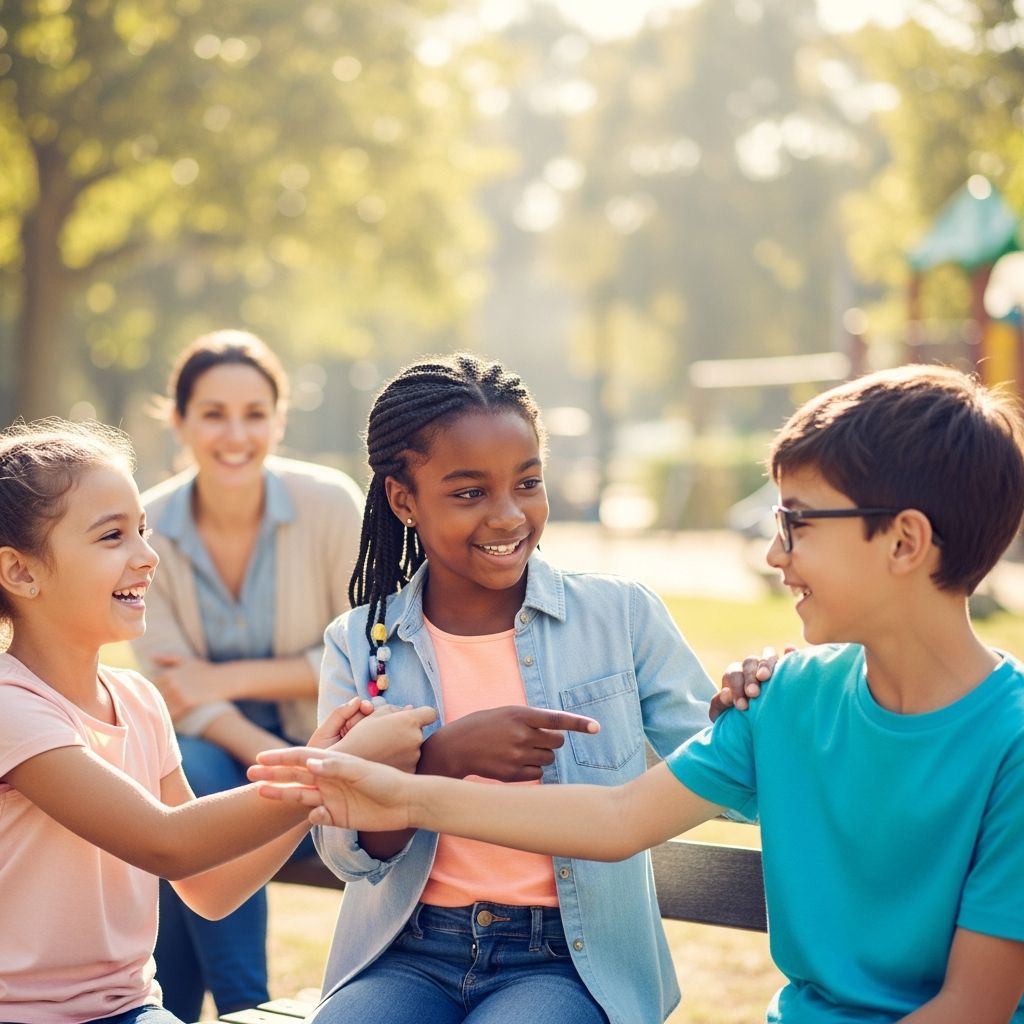
Every child develops at their own pace, and nowhere is this more evident than in their ability to interpret the unspoken language of social interaction. Facial expressions, tone of voice, body language, and contextual clues form a complex communication system that most children gradually master as they mature. However, some children struggle significantly with this process, leading to misunderstandings, conflict, and behavioral challenges that can affect their academic performance and peer relationships.
The capacity to read and appropriately respond to social signals is not innate—it is learned through observation, experience, and guided practice. Children who successfully develop these skills tend to have fewer conflicts, build stronger friendships, and navigate school and social settings with greater confidence. For those who struggle, the consequences can be far-reaching and emotionally taxing for both the child and their family.
What Happens When Social Interpretation Falls Behind
Children who misread social cues often find themselves in a perplexing cycle of confusion and rejection. They may believe that peers or adults dislike them when no such negative feeling exists, or they may behave in ways that annoy or frustrate others without realizing their impact. This disconnect between intention and perception creates friction in relationships and can trigger anxiety or defensive behaviors.
Consider a common classroom scenario: a teacher provides an instruction, and most students comply immediately because they recognize this as a directive requiring obedience. A child with poor social cue recognition, however, might interpret the same situation differently—perhaps viewing it as a suggestion rather than a command, or failing to notice the teacher’s serious tone and expression that typically signals compliance is expected. When the child doesn’t comply and receives correction, the experience may generate frustration or anxiety, further impairing their ability to process social information in future similar situations.
This pattern repeats across various contexts: playground interactions, family gatherings, classroom participation, and extracurricular activities. Each misreading reinforces the child’s confusion and can lead to the development of behavioral patterns rooted in social misinterpretation rather than deliberate misbehavior.
Why Some Children Struggle More Than Others
The ability to interpret social cues depends on multiple neurological and developmental factors. Children with learning disabilities, autism spectrum disorder, ADHD, and other developmental conditions often process social information differently than their peers. A learning disability, by definition, represents an immature or malfunctioning component of the neurological system—the same information enters the brain, but it is processed differently, resulting in different conclusions and behavioral responses.
Research indicates that children with ADHD frequently miss subtle social signals due to attention regulation challenges, may interrupt conversations impulsively, and struggle to recognize when peers are frustrated or upset. Similarly, children on the autism spectrum often have difficulty interpreting facial expressions and understanding implicit social rules, which can lead to unintentional rudeness or social awkwardness.
Even children without a formal diagnosis can experience social cue difficulties due to developmental delays, speech and language disorders, or sensory processing challenges. The key insight is that these difficulties are not character flaws or intentional misbehavior—they represent genuine gaps in a specific skill set that can be taught and improved.
The Broader Impact on Confidence and Relationships
When children repeatedly misinterpret social situations, the consequences extend far beyond isolated incidents. Their confidence erodes as they experience social rejection or conflict. Peers may begin to avoid them, either because they find interactions awkward or because they interpret the child’s behavior as rude or hostile. This exclusion reduces opportunities to practice and refine social skills, creating a self-reinforcing negative cycle.
The emotional toll is significant. Children become increasingly anxious in social settings, may withdraw from peer interactions altogether, and may develop secondary behavioral issues stemming from frustration and low self-esteem. What began as a skill deficit transforms into a broader social and emotional challenge that affects academic performance, motivation, and overall well-being.
How Misreading Impacts Different Age Groups
- Younger children: May struggle with basic understanding of emotions in others, difficulty following play routines, and challenges with turn-taking in conversations
- School-age children: Often misinterpret facial expressions, struggle with personal space awareness, and experience anxiety in group settings
- Adolescents: May be unaware of how their behavior affects peer perception, struggle with understanding implicit social rules, and experience increased social pressure and vulnerability to isolation
Building Social Cue Recognition Through Structured Practice
The encouraging news is that social cue recognition, like any skill, improves dramatically with targeted instruction and consistent practice. Parents and educators can implement evidence-based strategies to help children develop this critical ability.
Visual Learning and Emotional Identification
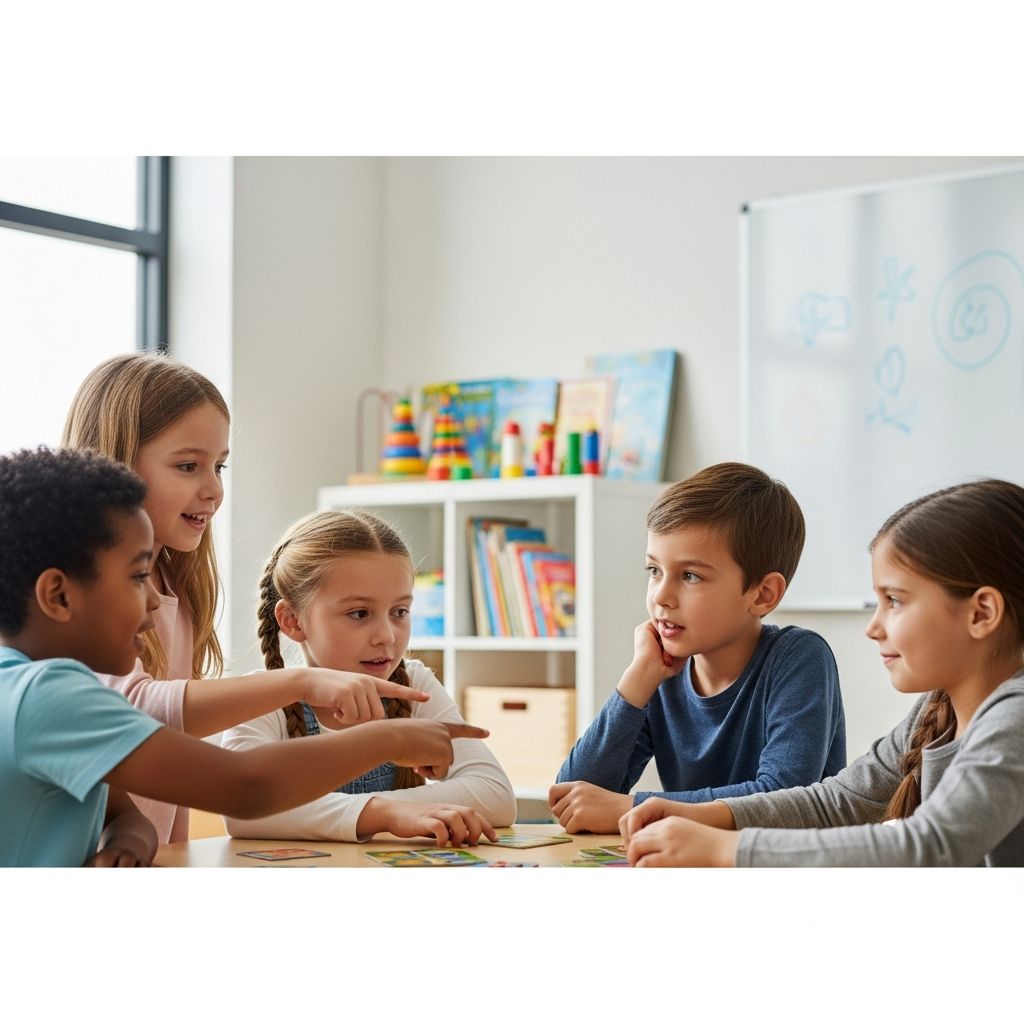
For younger children and pre-teens, visual-based learning is particularly effective. Parents can work with their children to examine photographs or images of people and discuss what each person might be feeling or thinking based on their facial expression, body position, and other visual cues. This builds foundational emotional literacy—the ability to recognize and name emotions in others.
Watching movies together provides another valuable opportunity. Parents can pause scenes and discuss how characters are feeling, what they might do next, and why their emotions are changing. Using reward systems during these sessions can increase engagement and motivation.
Direct Communication and Interpretation Teaching
For younger children, narrative-based approaches work well. Parents can describe situations using simple language: “When someone looks away from you while you’re talking, that might mean they’re distracted or ready to do something else. Let’s practice what that looks like.” This explicit instruction fills gaps that other children may have filled through observation and experience.
Teaching children to ask clarifying questions is equally important. A child who struggles with social cue reading should learn to say, “Is something wrong? Are we okay?” when uncertain about an adult’s emotional state or attitude. This transforms potential misinterpretation into direct communication.
Honest Feedback for Older Children and Adolescents
Adolescents require a different approach. They typically resist acknowledging any perceived deficiency in social awareness, making sensitivity to their feelings crucial. However, research shows that frank, specific feedback tied to observable behavior is effective. Rather than vague criticism, parents might say: “When you look at a social situation, you don’t interpret it the same way most other people do. When the teacher asks everyone to sit down, other kids immediately comply because they recognize that as a clear directive. You sometimes see it as optional. That’s why you keep getting corrected. The good news is that this is learnable, and once you understand how to read these situations correctly, things will change significantly.”
This approach accomplishes several goals: it validates the child’s experience, explains the specific skill gap, provides hope for improvement, and emphasizes that the deficit is correctable rather than permanent.
Therapeutic Approaches to Social Skill Development
Professional interventions, such as Applied Behavior Analysis (ABA) therapy, have demonstrated effectiveness in teaching social cue recognition systematically. These evidence-based approaches target specific skills—making eye contact, recognizing emotional expressions, responding appropriately to social signals—and use repetition, reinforcement, and demonstration to build competence.
Children engaged in structured social skills therapy from an early age benefit from long-term improvements in friendship quality, academic success, and emotional well-being. Therapy also builds self-confidence as children experience success in social interactions and receive positive reinforcement for appropriate responses.
Key Components of Effective Social Skills Intervention
- Explicit instruction: Teaching specific social rules and expectations that other children may have absorbed naturally
- Modeling and demonstration: Showing the child exactly what appropriate behavior looks like in specific contexts
- Practice and rehearsal: Repeated opportunities to apply skills in safe, controlled settings before attempting them in real-world situations
- Feedback and reinforcement: Providing immediate, specific feedback about performance and reinforcing successful attempts
- Generalization strategies: Helping the child apply learned skills across different settings and with different people
Parental Support and Addressing Peer Rejection
Parents play a central role in their child’s social skill development. Creating a safe environment where the child feels comfortable asking questions and practicing new behaviors is essential. Parents should also monitor for signs of peer rejection or bullying, as children with social difficulties are more vulnerable to these experiences.
If a child is being excluded from activities, experiencing peer conflict, or showing signs of bullying, parental intervention with schools is appropriate and necessary. In cases of physical harm, law enforcement involvement may be warranted.
The Role of Repetition and Consistency
Research and clinical experience consistently demonstrate that repetition and rehearsal are the foundational mechanisms through which social skills develop. Just as a child improves their writing through practice, they improve their social interpretation through repeated exposure, feedback, and reinforcement. This is not a process that typically resolves through insight alone—it requires active, ongoing practice.
Parents should expect this process to take time and should celebrate incremental improvements. A child who now asks a clarifying question instead of reacting defensively has made progress. A child who pauses to observe peers before joining an activity has taken a step forward. These small wins compound over time into meaningful behavioral change.
Assessment and When to Seek Help
Parents concerned about their child’s social skills should consider seeking professional evaluation if the child shows persistent difficulty with peer relationships, frequently misinterprets others’ emotions or intentions, struggles with conversation skills, or experiences significant anxiety in social situations. Early intervention is particularly effective, so waiting for a child to “grow out of” social difficulties is generally not advisable.
A comprehensive evaluation by a developmental pediatrician, psychologist, or speech-language pathologist can identify underlying conditions and inform intervention planning. Many children benefit from a combination of parent coaching, direct therapy, and school-based support services.
Frequently Asked Questions
Q: At what age should children begin understanding social cues?
A: Children typically begin recognizing basic emotions and responding to simple social signals around age 2-3, with more sophisticated understanding developing gradually throughout early and middle childhood. However, the full suite of social skills continues developing into the teenage years and beyond.
Q: How can I tell if my child’s social difficulties are a symptom of a larger developmental condition?
A: Children with persistent social challenges, particularly when combined with other developmental concerns, should be evaluated by professionals. Autism spectrum disorder, ADHD, learning disabilities, and speech-language disorders often involve social cue difficulties as one component among other symptoms.
Q: What’s the difference between a child who’s just shy and a child with social cue difficulties?
A: Shyness involves anxiety or reluctance in social situations but typically preserved understanding of social rules. A child with social cue difficulties may be quite willing to engage socially but genuinely misinterprets what others mean or expect, leading to behavioral missteps even when well-intentioned.
Q: How long does it take to see improvement in social skills?
A: This varies significantly based on the child’s age, the severity of the difficulty, consistency of intervention, and individual learning style. Some children show noticeable improvement within weeks of targeted practice, while others require months or years of consistent work. Progress is often gradual and nonlinear.
Q: Should I tell my child they have difficulty reading social cues?
A: Age-appropriate honesty is generally helpful. Younger children can be told they’re learning to understand feelings better. Older children and adolescents often benefit from direct acknowledgment that this is a skill they’re working on, framed positively as something that’s learnable and worth the effort.
References
- Misreading Social Cues and Your Child’s Behavior — Empowering Parents. Retrieved from https://www.empoweringparents.com/article/misreading-social-cues-and-your-childs-behavior/
- The Importance of Teaching Children Social Cues Using ABA Therapy — New Patterns ABA. Retrieved from https://www.newpatternsaba.com/blog/the-importance-of-teaching-children-social-cues-using-aba-therapy
- Understanding Social Cues in Autism: Examples & Challenges — Pops Therapy. Retrieved from https://popstherapy.com/social-cues-in-autism/
- How Can ADHD Affect Your Child’s Social Skills? — Little Feet Therapy. Retrieved from https://littlefeettherapy.com/how-can-adhd-affect-your-childs-social-skills/
- Social Skills Development: Signs of Challenges — PedsTeam. Retrieved from https://pedsteam.com/social-skills-development-how-pediatric-therapy-can-help/
- Autism and Social Cues: Understanding the Challenges — Autism Parenting Magazine. Retrieved from https://www.autismparentingmagazine.com/autism-and-social-cues/
- Social Skills and Learning Disabilities — Learning Disabilities Association of America. Retrieved from https://ldaamerica.org/info/social-skills-and-learning-disabilities/