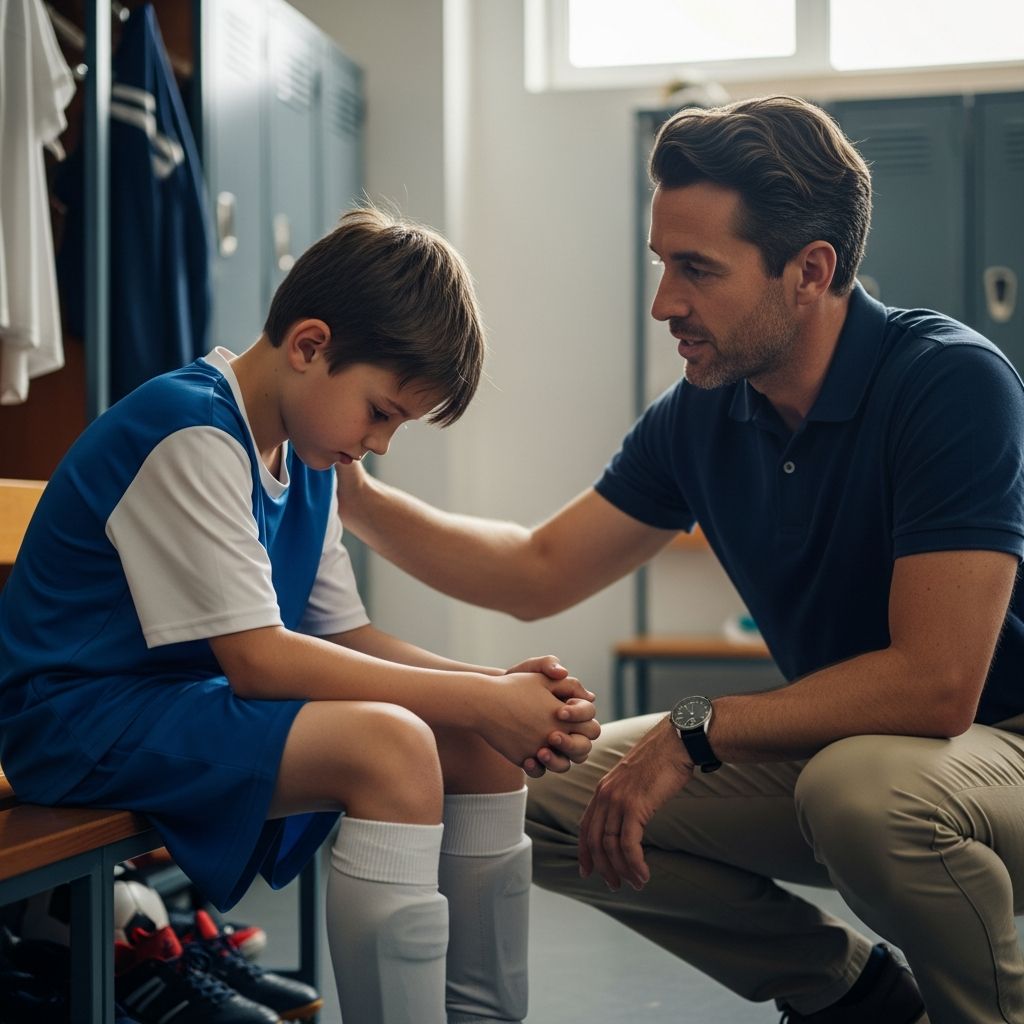
Many boys encounter difficulties in sports, leading to frustration, low self-esteem, and disinterest in physical activity. Parents can help by focusing on emotional support, alternative activities, and fostering a growth mindset to turn these challenges into opportunities for personal development.
Understanding the Emotional Toll of Sports Struggles
Boys who lag behind in sports often experience heightened anxiety and self-doubt, particularly in competitive environments where performance defines value. Research indicates that pressure from coaches, peers, and parents can exacerbate these feelings, leading to avoidance behaviors and emotional withdrawal. For instance, constant exposure to high expectations disrupts focus, shifting attention from skill-building to fear of failure.
This emotional strain manifests in various ways. Younger boys may show irritability or reluctance to participate, while teens could develop deeper issues like depression or disordered eating as they internalize perceived inadequacies. Injuries or poor performance further compound isolation, as youth tied to athletic identity grapple with loss and uncertainty.
Common Psychological Challenges in Youth Sports
Sports specialization, increasingly common among boys, intensifies risks. Extended training hours correlate with social isolation, sleep deficits, and burnout, predisposing kids to anxiety and poor academic outcomes. Negative parental sideline behavior amplifies this, triggering shame and diverting mental energy from the game.
- Anxiety from Unrealistic Expectations: Fear of disappointing adults leads to performance anxiety, choking under pressure.
- Self-Esteem Erosion: Repeated failures foster self-criticism, especially when winning overshadows effort.
- Burnout and Dropout: Overemphasis on elite success prompts early exits, risking obesity and mental health comorbidities.
- Social Withdrawal: Struggling athletes may isolate, preferring online validation over real interactions.
These challenges highlight the need for balanced approaches prioritizing fun and development over victory.
The Role of Parents in Shaping Mindsets
Parental actions profoundly influence boys’ sports experiences. Unruly cheering or visible disappointment instills perfectionism, equating worth to scores. Conversely, supportive parents emphasize enjoyment, praising effort to cultivate resilience.
Experts recommend modeling calm during games and discussing emotions post-event. Avoid questions like “Why did you miss that?” Instead, ask “What did you learn?” This reframes setbacks as growth opportunities.
| Negative Parental Behaviors | Positive Alternatives |
|---|---|
| Yelling criticisms from sidelines | Cheering encouragement quietly |
| Focusing on wins/losses | Highlighting personal improvements |
| Comparing to peers | Celebrating unique strengths |
| Pressuring for specialization | Encouraging multi-sport play |
Building Resilience Through Alternative Activities
Not every boy thrives in team sports; many excel in individual pursuits like swimming, martial arts, or cycling, which allow paced progress without direct comparison. Non-competitive options such as hiking, yoga, or dance build fitness and confidence minus score pressure.
Encourage exploration: enroll in clubs emphasizing skill mastery over competition. This combats isolation by fostering friendships based on shared interests rather than athletic prowess. Resilience grows when boys discover competencies outside traditional sports, bolstering overall self-worth.
Strategies to Foster a Growth Mindset
A growth mindset views abilities as developable through effort, countering fixed notions of “not athletic.” Parents can instill this by sharing stories of athletes who overcame early struggles and celebrating persistence.
- Reframe failures: “Mistakes help us improve.”
- Set process goals: Aim for better technique, not victories.
- Practice mindfulness: Techniques reduce game-time anxiety.
- Seek coaching focused on development, not just results.
These tactics enhance motivation and performance, as fun-driven play outperforms stress-fueled efforts.
Recognizing When to Seek Professional Help
Persistent signs warrant intervention: chronic mood swings, physical complaints without cause, or total sports avoidance signal deeper issues like depression. Consult pediatricians or sports psychologists early; therapies address injury-related fears or identity crises.
Injury recovery poses unique hurdles, with fears delaying return and bidirectional links to depression. Structured support restores confidence safely.
Long-Term Benefits of Balanced Physical Engagement
Boys supported through struggles develop superior emotional regulation and adaptability, traits vital beyond sports. Diverse activities prevent burnout, promoting lifelong health. Families prioritizing holistic growth reap stronger bonds and happier kids.
Ultimately, redefining success as personal fulfillment equips boys for diverse challenges, ensuring physical activity remains a joy, not a burden.
Frequently Asked Questions (FAQs)
What if my son hates team sports?
Introduce individual or recreational activities like biking or gymnastics, focusing on fun to rebuild interest in movement.
How can I handle my frustration during games?
Practice deep breathing and remind yourself: effort matters more than outcomes. Discuss feelings privately afterward.
Is sports specialization harmful?
Yes, it risks burnout and injury; diversify sports for balanced development.
When do sports struggles indicate mental health issues?
Watch for withdrawal, irritability, or sleep changes—seek professional advice promptly.
Can non-athletic boys still benefit from sports?
Absolutely; adapted programs build skills, friendships, and resilience without elite pressure.
References
- Experts Speak – Psychological Consequences of Bad Sportsmanship — USA Lacrosse. 2023-05-15. https://www.usalacrosse.com/news-media-blog/experts-speak-about-psychological-consequences-bad-sportsmanship
- The Impact of Youth Athletics on Your Child’s Mental Health — Greater Boston Behavioral Health. 2024-08-20. https://greaterbostonbehavioralhealth.com/rehab-blog/youth-athletics-mental-health-impact/
- How to Recognize When Sports Are Hurting Your Child’s Mental Health — Zencare Blog. 2023-11-10. https://blog.zencare.co/when-sports-are-hurting-childs-mental-health/
- The Psychosocial Implications of Sport Specialization in Pediatric Athletes — National Library of Medicine (PMC). 2019-10-01. https://pmc.ncbi.nlm.nih.gov/articles/PMC6805069/
- Pediatric Sports: The Mental Health and Psychological Impact — National Library of Medicine (PMC). 2024-06-12. https://pmc.ncbi.nlm.nih.gov/articles/PMC12194377/
- When Athletes Have Bad Days: Tips for Athletes and Parents — Boston Children’s Hospital. 2023-03-22. https://answers.childrenshospital.org/athletes-bad-day/
- Unruly Sports Parents’ Effect on Children’s Mental Health — Baylor College of Medicine. 2024-02-14. https://cdn.bcm.edu/news/unruly-sports-parents-effect-on-childrens-mental-health