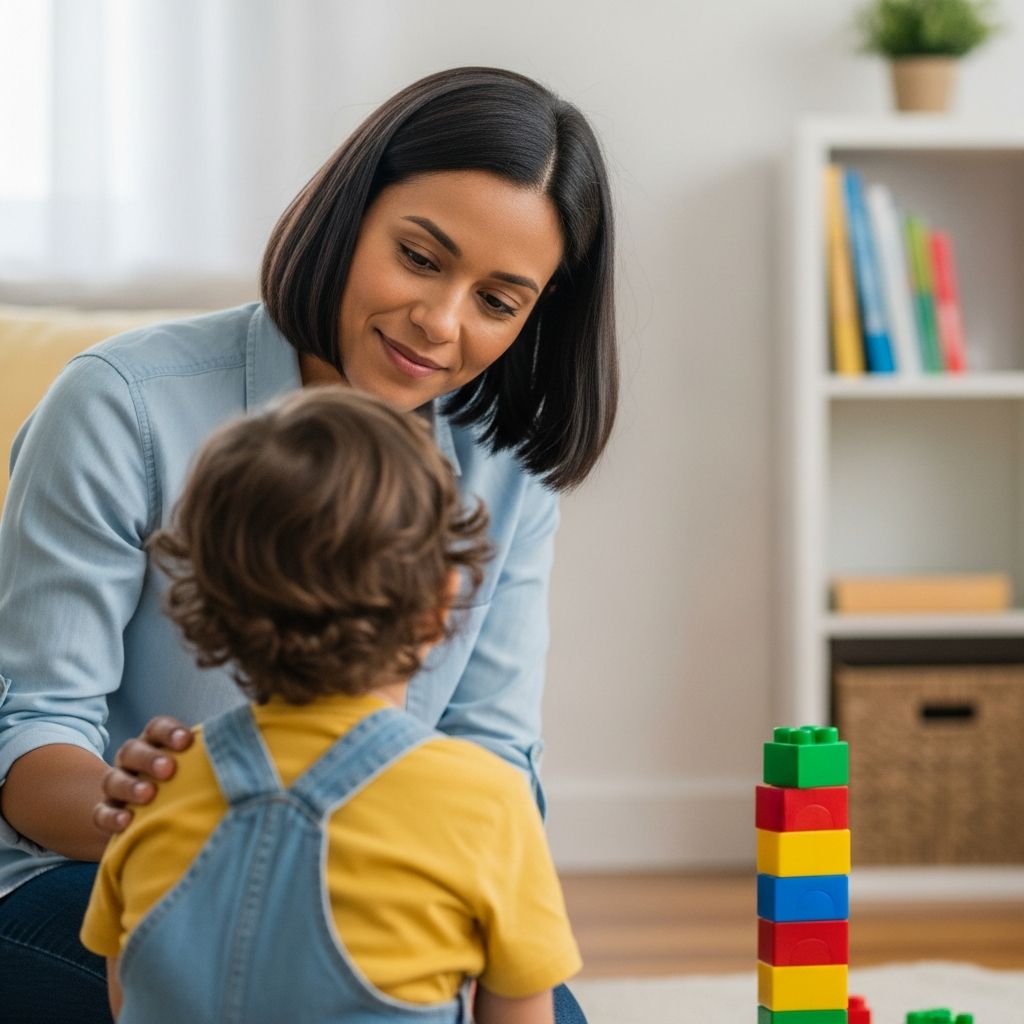
Bringing a new baby home is a joyful milestone, but for an older child it can feel confusing, overwhelming, and even threatening. This guide offers practical, compassionate strategies to support your child emotionally before, during, and after the baby’s arrival so the whole family can navigate this transition with more connection and less conflict.
Why the New Baby Feels So Big to Your Older Child
For adults, a new baby is another beloved family member; for an older child, it can feel like their entire world has been rearranged. Their daily routines change, parents are more tired, and suddenly someone else seems to get all the attention. Understanding this perspective helps you respond with empathy instead of frustration. When your child senses that their mixed feelings are understood and accepted, they are more likely to cooperate, open up, and eventually develop a warm relationship with their new sibling.
Normal Feelings and Behaviors to Expect
Many parents worry that something is “wrong” when an older child acts out after a baby arrives. In reality, a wide range of emotions and behaviors are completely normal responses to a major life change. Recognizing these signs early means you can respond calmly and prevent small issues from becoming entrenched patterns.
- Common emotions: Excitement, curiosity, jealousy, sadness, anger, worry about losing your love, and pride in being the older sibling.
- Typical behaviors: Clinginess, tantrums, regression (like potty setbacks or baby talk), testing limits, more demands for attention, and occasional roughness or bossiness toward the baby.
- Your goal: Treat these as communication, not misbehavior. Your child is saying, “Please show me I still matter.”
Preparing Your Child Before the Baby Arrives
Thoughtful preparation before the baby’s birth can soften the shock of change. Rather than presenting the baby as a source of constant fun, aim for realistic, age-appropriate expectations that balance excitement with honesty about the challenges of newborn life.
- Use simple, honest language: Explain that babies cry, sleep a lot, and need help eating and being changed. Emphasize that the baby cannot play right away.
- Describe concrete changes: Who will take care of your child when you are at the hospital, where the baby will sleep, and how daily routines might shift at first.
- Invite questions: Encourage your child to share worries or curiosities. Validate feelings instead of quickly reassuring them away.
Involving Your Child in Baby Preparations
Inclusion helps your older child feel like a valued member of the team rather than a bystander watching adults make all the decisions. When they contribute in meaningful ways, they begin to see themselves as a capable big sibling with an important role.
- Offer real choices: Let them pick between two outfits, blankets, or stuffed animals for the baby.
- Make them the “expert”: Ask their opinions about nursery decorations or where certain items should go.
- Hands-on practice: Give them a doll or stuffed animal to practice gentle holding, diapering, and rocking, while you role-play being the baby’s parent together.
Age-Specific Ideas to Support Adjustment
Children of different ages experience the arrival of a sibling differently. Tailoring your approach to your child’s developmental stage makes your support more effective and easier to receive.
| Age Group | How They May Feel | Helpful Strategies |
|---|---|---|
| Toddlers (1–3 years) | Confused by change, clingy, limited language to explain feelings. |
|
| Preschoolers (3–5 years) | Curious but easily jealous; may fear losing your love. |
|
| School-age children (6+ years) | More aware of fairness, may resent extra responsibilities. |
|
Protecting Your Bond: One-on-One Time That Counts
The fear of being replaced is often at the core of sibling jealousy. Intentionally nurturing your connection with the older child reassures them that, even though your family is expanding, your love for them is non-negotiable.
- Daily “special time” ritual: Aim for 10–15 minutes focused solely on your older child, with no phone, no chores, and no baby in your arms if possible.
- Let them lead: During this time, follow their ideas for play or conversation. Even simple activities, like drawing together or building with blocks, can feel deeply nourishing.
- Use consistent language: Calling it something like “our time” or “big-kid time” helps them know they can rely on it, even if the exact hour shifts day to day.
Balancing Attention Between Baby and Older Child
Parents often feel torn when both children need them at once. While the baby’s needs are urgent, the older child’s emotional needs are just as important for the long-term harmony of your family. The goal is not perfect balance but mindful flexibility.
- Rotate your focus: When possible, invite a partner, grandparent, or friend to hold the baby so you can fully engage with your older child for short stretches.
- Talk to the baby out loud: Say something like, “Baby, I’m helping your big brother right now; I’ll come to you next,” so your older child hears that their needs matter too.
- Include, don’t exclude: When feeding or soothing the baby, invite your older child to sit nearby with a book, a snack, or a small activity so they feel part of the moment.
Handling Jealousy, Regression, and Acting Out
Regression and big feelings can test any parent’s patience, especially when sleep is scarce. Responding with calm boundaries and empathy sends your child the message that their feelings are manageable and that you remain a safe anchor.
- Respond to regression gently: If they want to be “the baby” sometimes, consider playful moments of carrying them, wrapping them in a blanket, or feeding them a snack by hand while also celebrating their growing skills at other times.
- Set clear limits on harmful behavior: Firmly block hitting or roughness toward the baby: “I won’t let you hit. If you’re angry, let’s stomp on this pillow or roar together.”
- Label and accept feelings: Say things like, “It’s hard when I’m holding the baby and you want me,” to show that big emotions are welcome but hurtful actions are not.
Encouraging a Positive Sibling Relationship
Your goal is not to force affection but to create many small chances for positive contact. Over time, these repeated experiences lay the foundation for a warm, lasting bond.
- Invite gentle involvement: Ask your older child to sing a song to the baby, choose a bedtime story, or gently touch the baby’s feet while you supervise.
- Praise specific behaviors: Instead of general compliments, highlight concrete actions: “You were so careful handing me the wipes,” or “The baby really liked hearing your song.”
- Emphasize team identity: Use phrases like “our family,” “you two together,” or “what a great team you make” to foster a sense of shared belonging.
Practical Routines That Support Everyone
Clear, predictable routines help children feel safe when everything else feels new and uncertain. While perfection is impossible with a newborn, a few intentional habits can create a calmer atmosphere for the whole household.
- Anchor points in the day: Choose one or two “non-negotiable” routines—such as bedtime stories or a quick morning check-in—that you protect as much as possible.
- Involve your child in caregiving rituals: Turn diaper changes, bath time, or stroller walks into mini-jobs for your older child, such as passing the shampoo or counting the baby’s toes.
- Prepare for busy moments: Keep a small basket of toys, books, or art supplies that only comes out during feeds or baby naps, so your older child has something special to look forward to.
Looking After Yourself as a Parent
Supporting two or more children through a major transition requires emotional energy, and your own well-being directly affects the tone of your home. Taking even brief moments to recharge is not selfish; it is a gift to your children.
- Lower the bar where you can: This is not the season for perfection. Simple meals, extra laundry piles, and occasional screen time can be temporary, useful tools.
- Ask for and accept help: Invite trusted adults to play with your older child, hold the baby while you shower, or drop off a meal.
- Notice small wins: Keep a mental or written list of tiny successes—a shared laugh, a gentle pat on the baby, a shorter tantrum—to remind yourself that progress is happening.
Frequently Asked Questions
How long does it usually take for an older child to adjust to a new baby?
The adjustment period varies widely. Some children seem to adapt within a few weeks, while others show waves of jealousy and regression over several months or even the first year. What matters most is consistent reassurance, predictable routines, and plenty of chances for connection. If distress or aggressive behavior remains very intense for a long period, or if you are worried about your child’s emotional health, consider talking with a pediatrician or child mental health professional for tailored support.
Should I punish my child for being rough with the baby?
Safety must always come first, so it is important to stop any behavior that could hurt the baby immediately and firmly. Instead of harsh punishment, focus on close supervision, clear limits (“I won’t let you hit”), and guidance toward safe ways to express anger, like stomping, squeezing a pillow, or talking about the feeling. Over time, pairing firm boundaries with empathy helps children learn self-control without feeling shamed for their emotions.
Is it okay to give my older child gifts “from the baby”?
Small gifts framed as being “from the baby” can be a sweet way to create positive associations with the new sibling, especially in the early days at home. However, gifts alone cannot replace emotional connection. Combine this strategy with devoted one-on-one time, acknowledgment of mixed feelings, and many chances for your older child to feel proud of their new role.
What if my child says they hate the baby or want the baby to go back?
Hearing those words can be painful, but they are often an honest expression of overwhelm rather than a literal wish. Try to stay calm and reflect what you hear: “You’re really upset. It feels like everything changed when the baby came.” Giving permission to talk about these feelings reduces their intensity over time. You can gently remind your child that all feelings are okay, but hurtful actions are not allowed.
How can I involve my older child without overburdening them?
Think of your older child as a valued helper, not a co-parent. Offer simple, optional tasks that feel like privileges—choosing the baby’s sleep suit, shaking the rattle, or helping push the stroller—while making it clear that caring for the baby is the adults’ responsibility. If they decline to help sometimes, that is fine; preserving their right to say no actually protects the relationship and prevents resentment.
The arrival of a new baby will always bring some bumps, but with patience, empathy, and a few intentional strategies, your older child can move from feeling replaced to feeling irreplaceable in a larger, more connected family. Each small moment of understanding and connection lays another brick in the bridge between siblings—and between you and your growing child.