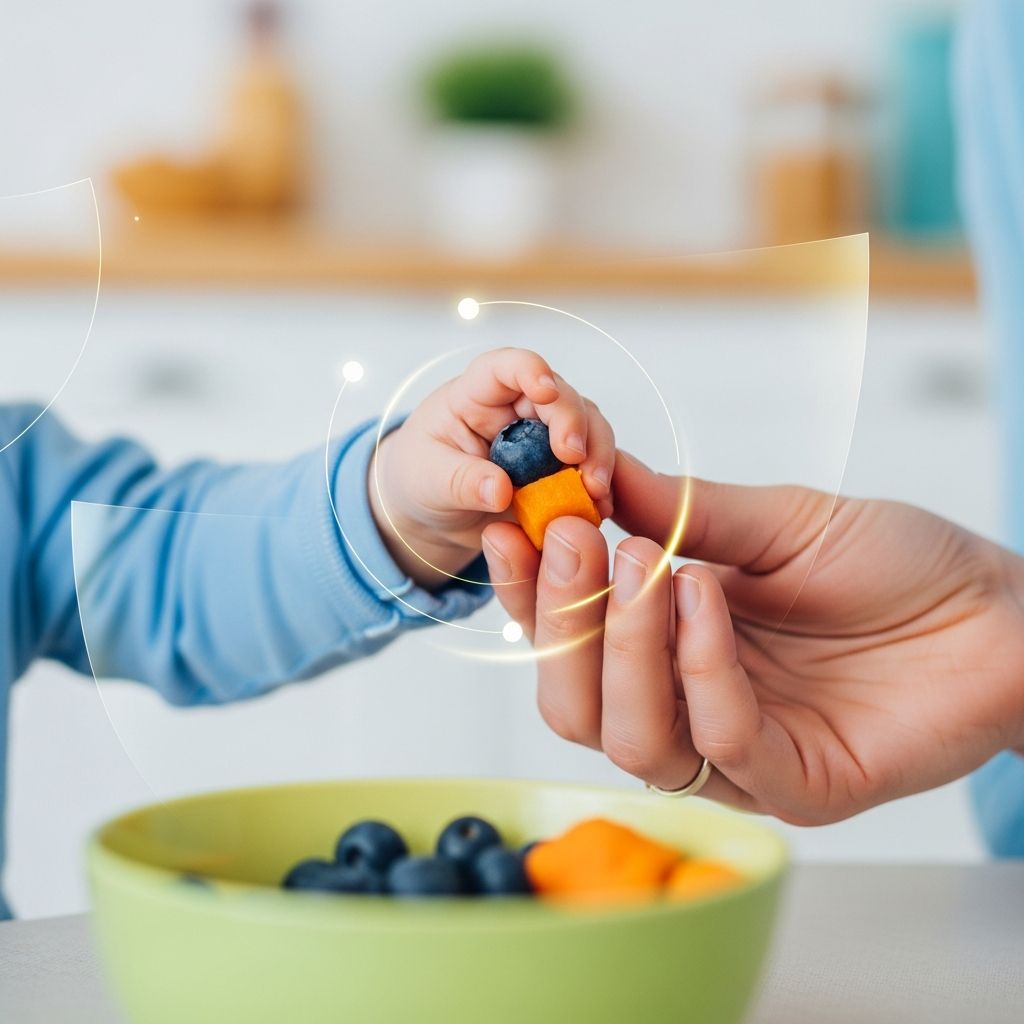
Heavy metals such as lead, arsenic, cadmium, and mercury pose significant risks to infant development, entering baby foods through soil, water, and processing. Parents can take proactive steps by understanding contamination sources, supporting rigorous testing, and selecting verified products to reduce exposure.
Understanding the Hidden Dangers in Everyday Baby Nutrition
Infants’ rapidly developing brains and bodies make them particularly vulnerable to even trace amounts of toxic heavy metals. These neurotoxins can disrupt neurological growth, impair cognitive function, and increase long-term health risks like behavioral issues and reduced IQ. Unlike adults, babies consume more food relative to body weight and absorb contaminants more efficiently, amplifying dangers from everyday items like formula, purees, and cereals.
Soil contamination from industrial activities, pesticides, and natural deposits allows heavy metals to accumulate in crops such as rice, root vegetables, and leafy greens commonly used in baby products. Processing can sometimes concentrate these elements, turning nutritious foods into potential hazards without visible signs. Recent independent analyses confirm widespread presence, with up to 94% of tested baby foods containing detectable levels.
Recent Testing Revelations: What Studies Show
Comprehensive evaluations of over 40 infant formulas revealed varying levels of lead and inorganic arsenic, though improvements are evident compared to prior decades. No mercury was detected, and cadmium remained at negligible concentrations, offering some reassurance. However, experts stress there is no safe threshold for lead exposure, urging manufacturers to minimize all traces.
Broader surveys of baby foods, including fruits, vegetables, and cereals, found heavy metals in products from multiple brands, often exceeding conservative safety benchmarks like California’s Proposition 65 limits. A key takeaway: while levels are typically low, cumulative daily intake from multiple sources heightens concerns for long-term effects.
| Heavy Metal | Primary Health Risk | Common Sources in Baby Food |
|---|---|---|
| Lead | Neurological damage, IQ reduction | Root vegetables, formula |
| Inorganic Arsenic | Cancer risk, developmental delays | Rice-based products |
| Cadmium | Kidney damage, bone issues | Leafy greens, grains |
| Mercury | Nervous system impairment | Fish-derived ingredients (rare) |
This table summarizes key heavy metals, their impacts, and prevalent entry points into infant diets, based on peer-reviewed analyses.
Regulatory Progress: Stricter Standards Emerging
Federal and state actions are ramping up oversight. The FDA’s Closer to Zero initiative aims to slash childhood exposure through enhanced monitoring and guidance, prompting industry-wide testing for contaminants in formulas. Post-testing announcements in 2024 led to immediate FDA commitments for better surveillance.
Virginia’s Baby Food Protection Act, effective January 2025, mandates monthly testing of finished products for heavy metals by accredited labs. Results must be posted online and accessible via product QR codes, empowering consumer choice. California’s AB-899 similarly requires disclosure of arsenic, cadmium, lead, and mercury levels, setting a transparency precedent[10].
These measures address prior gaps, where testing focused on raw ingredients rather than final products, as highlighted in congressional reviews recommending FDA-enforced limits and labeling.
Industry Commitments: Testing Protocols and Certifications
Forward-thinking companies exceed minimum requirements. Some adhere to the strictest global standards, like EU limits for arsenic, mercury, and cadmium alongside FDA lead thresholds, conducting routine tests on finished meals. Certifications from independent bodies provide verified safety seals, evaluating against ultra-low contaminant benchmarks and promoting cleaner sourcing.
- Rigorous lab analysis: Uses advanced methods to detect trace levels beyond standard regulations.
- Public transparency: Shares batch-specific results online for consumer verification.
- Sourcing focus: Prioritizes low-risk ingredients like organic produce from monitored farms.
- Continuous improvement: Collaborates with regulators and peers to phase out high-risk components.
These practices not only mitigate risks but also build parental trust through accountability.
Empowering Parents: Practical Strategies to Minimize Risks
While regulations evolve, parents can act now. Diversify feeding with a variety of fruits, vegetables, and grains to avoid over-reliance on high-risk items like rice cereals. Opt for products with third-party testing seals and scan QR codes for recent results.
Breastfeeding when possible offers natural protection, as levels in milk are typically lower, though not absent. For formula-fed babies, choose brands with published low-contaminant profiles. Introduce solids thoughtfully, prioritizing fresh, home-prepared options from washed, peeled produce.
Stay informed via FDA updates and state health departments. Advocate for stronger policies by supporting transparency laws. Simple habits like varying menus weekly can significantly cut cumulative exposure.
Health Impacts: Why Early Intervention Matters
Chronic low-level exposure links to ADHD-like symptoms, learning challenges, and immune suppression in children. Arsenic elevates cancer odds over time, while lead irreversibly affects brain architecture. Early detection through pediatric blood tests allows monitoring, but prevention via diet remains paramount.
Positive industry trends show declining BPA and other chemicals, crediting proactive reforms. Continued vigilance ensures progress sustains.
Frequently Asked Questions
Are heavy metals unavoidable in all baby foods?
No, while common, certified products and diverse diets keep exposure minimal. No safe level exists for lead, but low-detect options abound.
How do I access testing results for specific brands?
Look for QR codes on labels linking to websites, as required in states like Virginia and California. Independent certifiers publish aggregated data.
Is organic baby food safer from heavy metals?
Organic reduces pesticides but not always metals from soil. Check for additional purity certifications for best assurance.
What should I do if concerned about my baby’s exposure?
Consult a pediatrician for screening. Switch to tested-low products and vary diet. FDA resources guide safe choices.
Have regulations eliminated the problem?
Not yet; they enhance testing and disclosure. Ongoing FDA initiatives aim closer to zero exposure.
Future Outlook: Toward Safer Infant Nutrition
With bipartisan pushes for federal maximum levels and global alignment on limits, the landscape improves. Parents partnering with regulators and ethical brands accelerates safer products. Prioritizing transparency and science-driven policies protects the next generation’s health.
References
- We Tested 41 Baby Formulas for Lead and Arsenic — Consumer Reports. 2024-03-18. https://www.consumerreports.org/babies-kids/baby-formula/baby-formula-contaminants-test-results-a7140095293/
- New Baby Food Testing and Labeling Law Becomes Effective Jan. 1 — Virginia Department of Agriculture and Consumer Services. 2024-12-30. https://www.vdacs.virginia.gov/press-releases-251230-new-baby-food-testing-and-labeling-law.shtml
- A Narrative Review of Toxic Heavy Metal Content of Infant and… — National Library of Medicine (PMC). 2022-06-28. https://pmc.ncbi.nlm.nih.gov/articles/PMC9271943/
- Heavy Metals in Baby Food: A Parent’s Guide… — Clean Label Project. Accessed 2026. https://cleanlabelproject.org/heavy-metals-in-baby-food-a-parents-guide-to-safeguarding-your-little-one-with-clean-label-project/
- Heavy Metals in Baby Food: How this California Regulation Will… — Pure Earth. 2024. https://www.pureearth.org/heavy-metals-in-baby-food-ca-regulation/
- Our Safety Standards & Heavy Metals Testing — Nurture Life. Accessed 2026. https://www.nurturelife.com/blog/safety/
- Baby Food & Heavy Metals — Healthy Children Project. Accessed 2026. https://healthychildrenproject.org/baby-food/
- Heavy Metals in Baby Food: Reducing Risk of Exposure — American Academy of Pediatrics. Accessed 2026. https://www.healthychildren.org/English/ages-stages/baby/feeding-nutrition/Pages/Metals-in-Baby-Food.aspx
- Closer to Zero: Reducing Childhood Exposure to Contaminants from… — U.S. Food and Drug Administration. Accessed 2026. https://www.fda.gov/food/environmental-contaminants-food/closer-zero-reducing-childhood-exposure-contaminants-foods