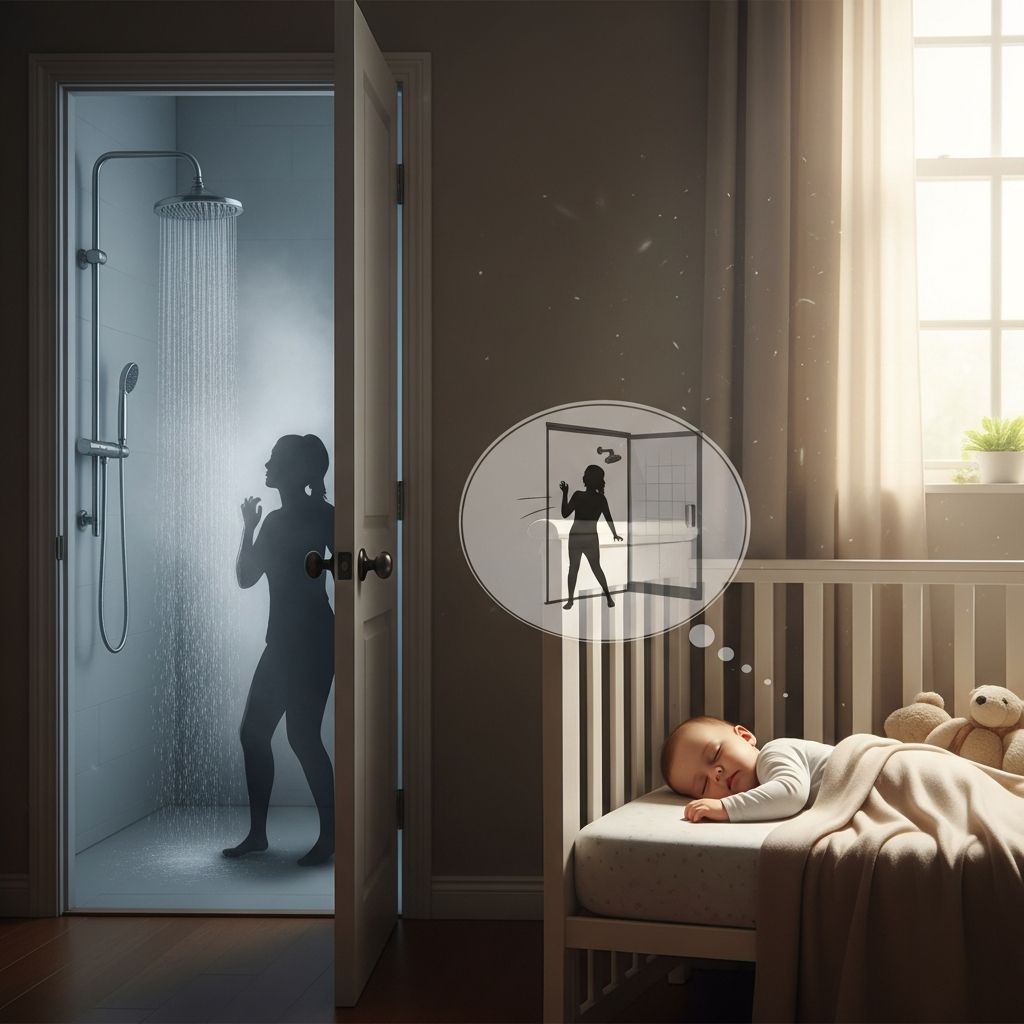
New parents quickly learn that naps feel like gold: rare, fragile, and far too short. It is tempting to squeeze your entire life into those quiet minutes, including a hot, uninterrupted shower. Yet turning nap time into personal grooming time often creates more stress than relief. This guide explains why showering during your baby’s nap is usually a bad trade, and how to protect both your baby’s sleep and your own sanity with a different approach.
The Hidden Pressure Of Nap Time Productivity
Once a baby finally drifts off, many parents feel an urgent rush to “use the time well.” The mental checklist might include dishes, laundry, meal prep, messages, and yes, finally washing your hair. This pressure makes naps feel like a race against the clock instead of a moment of rest or slow, steady progress.
When you step into the shower while your baby sleeps, that urgency often intensifies. Every creak in the pipes or noise from the street can trigger a spike of anxiety: Is the baby awake? Did I miss a cry? Instead of a relaxing break, the shower becomes another task performed on high alert.
Why Showering During Naps Feels So Stressful
At first glance, showering while the baby sleeps sounds efficient. In reality, several factors make it emotionally and practically draining:
- You cannot easily check on the baby. With water running and doors closed, most parents feel cut off from what is happening in the other room.
- Every sound feels like a potential crisis. That dripping faucet or neighbor’s door slam can send your heart racing and ruin whatever calm you hoped to find.
- You may rush and skip real self-care. Instead of a soothing shower, you speed-wash while half-listening for cries, leaving you just as frazzled as before.
- Naps are unpredictable. A nap that you hoped would last 90 minutes might abruptly end after 15, leaving you soapy, stressed, and scrambling.
When a supposedly relaxing activity becomes a source of tension, it is worth rethinking the routine behind it.
Protecting Nap Time As Sacred Sleep
Nap time is not just a pause in your day; it is a crucial part of your baby’s growth and regulation. Young children do a lot of brain development while they sleep, and short or constantly interrupted naps can add up to overtired evenings and more frequent night waking.
Treating naps as a sacred block of rest rather than a productivity sprint can help both you and your baby. When you remove high-stakes tasks—like showering—from the nap window, you may feel less desperate and more flexible about what actually gets done.
Reframing Your Expectations Of “Getting Things Done”
One of the biggest mindset shifts in early parenthood is redefining what a successful day looks like. Before baby, showering, dressing, working, and tackling a list of chores could all fit neatly into one morning. With an infant, that list might be more realistic spread over several days.
Instead of treating every nap as the only chance to accomplish everything, try choosing one gentle priority per nap block. Some naps might be for replying to messages. Others may be for folding laundry. And some should be unapologetically reserved for your own rest—no multitasking required.
Smart Alternatives To Showering During Naps
Giving up the nap-time shower does not mean giving up on hygiene or self-care. It simply means placing that activity in a different part of your day where it does not compete with fragile baby sleep. Here are practical alternatives that many parents find more sustainable.
1. Shower While A Partner Or Helper Is On Duty
If you live with a partner, family member, or trusted roommate, consider carving out a predictable daily or near-daily window when that person is wholly responsible for baby duty and you are free to shower.
- Build it into a routine. For example, you might always shower immediately after a morning feeding while another adult handles playtime.
- Keep it non-negotiable when possible. Treat it like a tiny standing appointment rather than an optional luxury.
- Prepare quickly. Keep towels, clothes, and toiletries organized so you can step into the shower the moment the handoff happens.
2. Use “Content Awake Time” Instead
Many babies have short windows when they are happily alert—lying on a play mat, watching a mobile, or kicking in a safe bassinet. These pockets of time are great candidates for quick showers.
- Set the baby up in a safe place. A crib, bassinet, or play yard near the bathroom gives you peace of mind.
- Use audio and visual checks. Keep the bathroom door cracked or use a baby monitor so you can hear and see what is happening.
- Think “efficient,” not perfect. On some days a three-minute rinse truly is enough.
3. Bring Baby Safely Into The Bathroom
If being far from your baby is what spikes your anxiety, it may help to move the baby into the bathroom in a secure spot while you shower.
- Use safe gear. A bouncer, portable bassinet, or infant seat placed away from any water spray can allow you to keep your baby in sight.
- Offer simple entertainment. A soft toy, gentle music, or white noise can be enough to keep your little one content for several minutes.
- Keep expectations low. If your baby fusses after three minutes, you can always pause and finish up later.
4. Try Nighttime Or Early-Morning Showers
Some parents find it easier to shower when their baby has fuller, longer stretches of sleep at night or early morning. Once another adult is resting nearby, you may be able to slip away briefly.
- Pair it with your evening wind-down. A warm shower after bedtime routines can help you transition out of “on-call” mode.
- Prepare for interruptions. Leave pajamas and towels within reach so you can step out quickly if needed.
- Stay flexible. Some nights will go smoothly, others will not—and that is normal.
A Simple Table Of When To Shower
The quick-reference table below can help you decide where showering fits best into your day at different baby ages and temperaments.
| Situation | Shower Timing To Try | Why It Works |
|---|---|---|
| Newborn with very short naps | While partner or helper is on duty | Removes pressure from brief, unpredictable naps and keeps you more relaxed. |
| Baby has a happy, calm morning wake window | Right after feeding, while baby is alert | Uses content awake time instead of fragile sleep time. |
| Solo parent most of the day | With baby in a safe seat in the bathroom | Lets you see and hear baby while you shower. |
| Baby takes one longer stretch of sleep at night | Evening shower after bedtime | Aligns self-care with a more predictable sleep block. |
| High-anxiety parent about leaving baby alone | Awake-time shower with visual monitor | Reduces the fear of missing cries and supports mental health. |
Shifting Your Self-Care Mindset
Early parenthood often turns basic self-care into a negotiation: “Do I eat or do I shower? Do I sleep or clean the kitchen?” It helps to remember that you do not have to do everything every day. Rotating priorities is normal and healthy.
Instead of thinking, “I failed; I did not shower today,” consider a broader view: over the week, did you get some time for hygiene, some for rest, some for nourishment, and some for connection? Looking at patterns instead of single days can relieve a lot of guilt.
Quick Hygiene Strategies For Extra-Tough Days
There will be days when a full shower simply does not happen. Rather than labeling those days as failures, prepare a few fallback options that let you feel reasonably fresh without needing 15 uninterrupted minutes.
- Stock wipes and washcloths. A quick sponge-off of underarms, neck, and face can make you feel surprisingly better.
- Use dry shampoo or simple hairstyles. A messy bun or braid can carry you through to tomorrow’s shower.
- Keep a “refresh basket.” Include deodorant, face mist, lip balm, a comb, and hair ties in one grab-and-go spot.
- Change clothes, even if you cannot shower. Fresh leggings and a clean top can shift your mood more than you expect.
Managing Anxiety About Not Hearing Your Baby
For many caregivers, the main discomfort of showering during nap time is the fear of missing a cry or emergency. That anxiety is understandable and common, especially in the newborn phase. A few small adjustments can make bathing feel safer and calmer.
- Use a baby monitor with sound and video. Position the screen where you can glance at it through the shower door.
- Lower water noise when possible. If your shower has adjustable settings, choose a gentler spray so you can hear more easily.
- Check before and after. Take 20 seconds to look in on your baby before stepping in, and again right after getting out.
- Start small. Begin with very brief showers to rebuild trust in your ability to care for the baby and yourself at the same time.
Creating A Gentle Daily Rhythm
Instead of forcing everything into narrow nap windows, many parents find it helpful to create a loose, forgiving daily rhythm. This is not a strict schedule but a pattern you roughly follow when possible.
- Morning: Feed, brief connection time, then your quick shower while baby is awake but content.
- Midday: Use one nap for a meal and a tiny rest for yourself, rather than chores.
- Afternoon: Reserve light tasks like folding laundry or replying to messages for another nap.
- Evening: Wind-down routine for baby, then optional additional shower time or self-care if energy allows.
When you think in terms of flow instead of fixed “productivity blocks,” you may feel less pressure to maximize every second of every nap.
FAQs About Showering And Baby Naps
Is it ever okay to shower while my baby naps?
Yes, there will be situations where showering during a nap is the most practical choice. The key is to reduce the pressure around it. If your baby tends to take reliably long naps and you have a monitor, a quick shower can be reasonable—just do not treat it as the only acceptable time to get clean. Giving yourself multiple possible shower windows keeps nap time from feeling like a single point of failure.
What if my baby wakes and cries while I am in the shower?
Most babies will be okay if they cry briefly while you finish rinsing off and getting out. Safety always comes first, so step out if you sense something urgent, but occasional short waits are usually not harmful. Having your towel and clothes within reach can help you respond more quickly and lower your anxiety when this happens.
How often do new parents realistically shower?
Frequency varies widely. Some manage a daily shower; others find that every second or third day is more realistic in the early months. Instead of comparing yourself to ideals or social media, pay attention to what keeps you feeling physically comfortable and emotionally stable, and allow that to fluctuate as your baby’s needs change.
Can I shower with my baby instead of alone?
Showering with a baby can be done, but it requires careful attention to safety: secure footing, appropriate water temperature, and a firm hold on a slippery infant. It is not the best choice for every caregiver, especially when you are exhausted or anxious. Many parents prefer to keep baby nearby in a safe seat and reserve shared bathing for times when another adult is present to help with transfers in and out.
What if skipping showers affects my mood?
Feeling unwashed can absolutely drag down your mood and self-image, especially when so much of your identity is already in flux after welcoming a baby. If daily showers are strongly tied to your emotional well-being, treat them as a core mental-health tool rather than a negotiable luxury. This might mean more coordination with a partner or leaning on brief, efficient showers at consistent times each day.
Making Peace With Imperfect Routines
Early parenthood is full of trade-offs, and no schedule will work perfectly every day. Letting go of the idea that naps must carry your entire to-do list—including your shower—can reduce anxiety and protect your baby’s rest. By experimenting with alternate times to bathe, simplifying your hygiene routine on hard days, and giving yourself permission to lower expectations, you create a kinder rhythm for both you and your baby.
You deserve to feel clean, cared for, and human, even in the messiest months of raising a little one. A small mindset shift away from the high-pressure nap-time shower is often enough to open up new, gentler ways to meet both your needs and your baby’s needs without exhausting yourself in the process.