Heat rash, often called prickly heat or sweat rash, is a common skin problem in babies and young children. It can look alarming, but it is usually mild, short-lived, and easy to manage with simple home care when you know what to do.
This guide explains what heat rash is, why it happens, how to tell it apart from other rashes, and when to call your child’s doctor.
What Is Heat Rash?
Heat rash is a skin irritation that develops when sweat becomes trapped under the skin instead of evaporating normally. Sweat ducts get blocked, so sweat leaks into the surrounding skin, causing tiny bumps, redness, and sometimes a prickly or itchy feeling.
In medical terms, heat rash is called miliaria. You may also hear the names:
- Miliaria crystallina – very small, clear blisters that look like droplets of water, usually not itchy.
- Miliaria rubra – red bumps that can feel prickly or itchy; this is the type most people mean by “prickly heat.”
Heat rash is especially common in the first weeks of life but can affect older babies, toddlers, and school-age children too.
Why Babies and Kids Get Heat Rash Easily
Children are more prone to heat rash than adults for several reasons:
- Immature sweat glands: Newborns and young babies have developing sweat ducts that clog more easily.
- Less efficient temperature control: Babies cannot regulate body temperature as well as older children and adults, making them more likely to overheat.
- Extra layers and tight clothing: Bundling in blankets, snug outfits, or non-breathable fabrics traps heat and sweat next to the skin.
- Skin folds: Folds in the neck, armpits, and diaper area have more friction and less air flow, so sweat stays on the skin longer.
- Hot, humid environments: High humidity makes sweat evaporate slowly, increasing the chance of blockage.
What Does Heat Rash Look and Feel Like?
The appearance of heat rash can vary slightly depending on the child and the type of miliaria, but some patterns are typical.
Common Signs Parents Notice
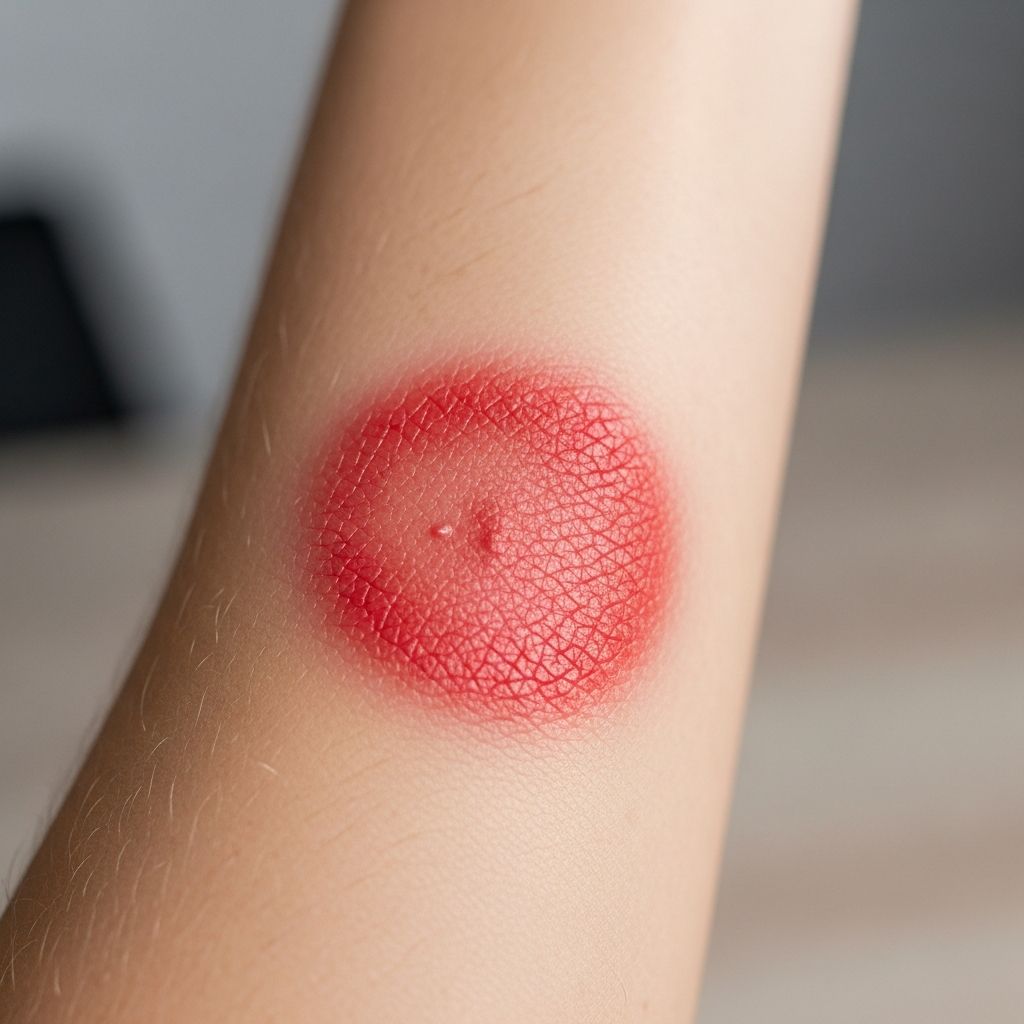
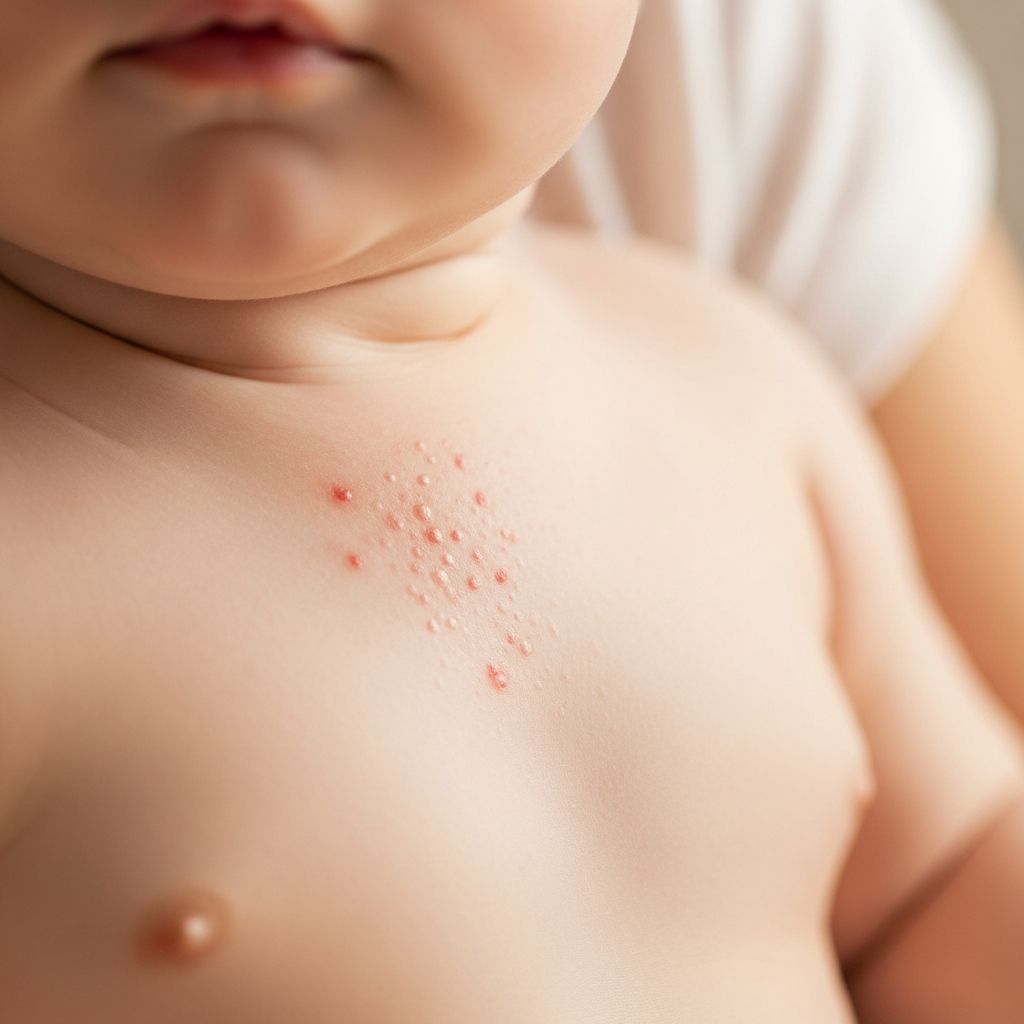
- Tiny bumps on the skin – they may be red, pink, or the child’s normal skin color.
- Small clear blisters that look like drops of water (more common in newborns).
- Mild redness around or between the bumps, especially on lighter skin; on darker skin, the area may look slightly darker, grayish, or less obviously red.
- Itchiness or prickling – older children may complain that the skin feels “scratchy” or “pins and needles.”
- Fussiness in babies – they might be more irritable, squirmy, or uncomfortable when clothing or blankets rub the rash.
Where Heat Rash Usually Appears
Heat rash can show up anywhere, but it favors warm, covered, or folded areas of the body:
- Neck and neck folds
- Upper chest and back
- Shoulders
- Armpits and elbow creases
- Groin and inner thighs
- Under the diaper area
- Hairline and scalp edges (especially under hats or headbands)
| Feature | Typical for Heat Rash |
|---|---|
| Onset | After overheating, sweating, or being overdressed |
| Appearance | Tiny bumps or blisters; mild redness or color change |
| Location | Areas covered by clothing and skin folds |
| Contagious? | No – cannot be spread from person to person |
| Typical severity | Mild discomfort; child otherwise well |
Is Heat Rash Dangerous?
Most cases of heat rash are harmless and temporary. When the skin cools down and stays dry, the blocked ducts usually clear and the rash fades within a few days.
However, heat rash is a sign that a child is too warm. If overheating continues, there is a risk of more serious heat-related illness, such as heat exhaustion or heat stroke. Parents should always make cooling the child a priority.
Occasionally, heat rash can become irritated or infected, especially if a child scratches the area and breaks the skin. Watch closely for changes such as increased redness, swelling, or pus.
Home Care: How to Soothe Heat Rash
Most of the time, you can manage heat rash at home with simple steps that cool the skin and reduce sweating.
Immediate Cooling Steps
- Move to a cooler place: Bring your child into a shaded, air-conditioned, or fan-cooled room.
- Remove extra layers: Take off hats, socks, and one or more layers of clothing or blankets.
- Use light, breathable fabrics: Dress your child in loose cotton or similar breathable materials.
- Offer cool fluids if age-appropriate and safe, to help the body cool from the inside (breast milk or formula for babies; water for older children).
Gentle Skin Care for the Rash
- Cool baths or sponging: A lukewarm or slightly cool bath can soothe irritated skin. Gently pat dry instead of rubbing.
- Keep the area dry: Let the skin air-dry for a few minutes. Avoid heavy lotions or oily products on the rash, as they may block pores further.
- Avoid scratching: Keep your child’s nails short and consider soft mittens for young babies if they tend to scratch.
- Loose clothing after bathing: Dress your child in soft, loose clothes to reduce friction over the rash.
Medications and Creams
Most children do not need prescription medication for simple heat rash. However, your child’s health care provider may sometimes suggest:
- Mild anti-itch lotions (for older children) to reduce scratching, if the provider approves.
- Topical treatments to ease inflammation if the skin is very irritated, used only as directed by a clinician.
Always talk with a pediatrician before using steroid creams, medicated powders, or any over-the-counter anti-itch product on a baby or young child.
What Parents Should Avoid
Some well-meant home remedies can actually make heat rash worse by trapping heat or irritating the skin.
- No thick ointments or petroleum-based products on rash areas unless a clinician recommends them. These may block sweat ducts further.
- No heavy oils on the scalp or skin folds when the weather is hot and humid.
- Avoid strong fragrances or alcohol-based lotions that can sting or dry the skin.
- Do not overdress “just in case” – if you would be comfortable in one layer, your baby usually will be too.
Preventing Heat Rash in Babies and Children
Prevention focuses on avoiding overheating and keeping the skin cool and dry, especially in warm or humid weather.
Clothing and Bedding Tips
- Dress children in one light layer more than an adult would wear for the same conditions, not several layers.
- Choose breathable fabrics like cotton rather than synthetic, non-breathable materials.
- Avoid very tight clothing, elastic bands, and thick hats in hot environments.
- Use lightweight sleepwear and avoid heavy blankets for naps and nighttime in warm rooms.
Environment and Daily Habits
- Keep indoor temperatures comfortable and consider using a fan or air conditioning during heat waves.
- Avoid long periods in hot, closed spaces like cars, strollers with plastic covers, or carriers with lots of padding.
- Give extra breaks in the shade during outdoor play, especially at midday.
- Change wet clothing or diapers promptly to reduce friction and moisture in folds.
Special Considerations for Babies
- Check the back of your baby’s neck or chest: if they feel sweaty or hot, remove a layer.
- Avoid covering the stroller with thick blankets; use a breathable cover that allows air to circulate.
- Be careful with ointments on the chest or back during illness, as some thick products can block sweat glands.
When to Call the Doctor
Although simple heat rash can usually be treated at home, you should seek medical advice if:
- The rash does not improve within a few days of cooling and gentle care.
- Your baby has a rash and you are not sure what it is or feel uneasy about it.
- The skin becomes very red, swollen, painful, or warm to the touch.
- You see yellow crusts, pus, or open sores that could suggest infection.
- Your child develops a fever, chills, nausea, or seems very unwell along with the rash.
- The rash appears in a newborn and is spreading quickly or looks unusual to you.
Possible Complications to Watch For
Complications from heat rash are uncommon but can include:
- Skin infection – scratching can introduce bacteria into irritated skin, leading to redness, warmth, swelling, or pus.
- More serious heat illness – if a child continues to overheat, they may develop heat exhaustion or heat stroke, which are emergencies and need urgent care.
Seek emergency help right away if your child with a rash also has trouble waking up, confusion, very hot or dry skin, rapid breathing, or vomiting.
Heat Rash vs. Other Childhood Rashes
Many childhood rashes can look similar. While only a health professional can diagnose for sure, a few clues can help you suspect heat rash:
- It tends to appear after sweating or being in a hot environment.
- It is usually limited to covered or folded areas rather than the whole body.
- The child is often otherwise well and active, without significant fever (unless another problem is also present).
Because some rashes can signal infections or allergies, always contact your child’s doctor if the rash looks unusual, spreads quickly, is associated with high fever, or if you are unsure.
Key Takeaways for Parents
- Heat rash happens when sweat gets trapped, causing tiny bumps and irritation.
- Babies and young children are more likely to develop it because their sweat ducts and temperature control are still developing.
- Most cases are mild, not contagious, and clear once the skin is cooled and allowed to breathe.
- Prevent overheating with light clothing, cool environments, and regular checks for sweating or damp skin folds.
- Seek medical advice if the rash worsens, shows signs of infection, or your child seems unwell.
Frequently Asked Questions About Heat Rash
Q: Can heat rash spread from one child to another?
A: No. Heat rash is not contagious. It develops from blocked sweat glands in the child’s own skin and cannot be passed to others through contact.
Q: How long does heat rash usually last?
A: With cooler temperatures, loose clothing, and dry skin, simple heat rash often improves within a couple of days and may clear completely within a week. If it does not get better in a few days, contact your child’s doctor.
Q: Is it safe to use baby powder on heat rash?
A: Talk with your child’s clinician before using any powder. Some powders can irritate the lungs if inhaled, and heavy use may worsen clogged pores. In many cases, cooling and air exposure are enough, without powders or ointments.
Q: Does my child need to stop playing outdoors if they get heat rash?
A: Outdoor play is usually fine once the skin is more comfortable, as long as you take steps to prevent overheating: play during cooler parts of the day, offer plenty of fluids, use shade, and dress your child in lightweight, breathable clothing.
Q: Can adults in the family get the same type of rash?
A: Yes. Adults can also develop heat rash, particularly in skin folds and areas where clothing rubs, such as the neck, armpits, and groin. The prevention and cooling steps are similar.
References
- Heat Rash (Prickly Heat) in Babies & Young Children — HealthyChildren.org / American Academy of Pediatrics. 2023-08-07. https://www.healthychildren.org/English/ages-stages/baby/bathing-skin-care/Pages/Heat-Rash.aspx
- Heat rash (prickly heat) — NHS. 2024-05-09. https://www.nhs.uk/conditions/heat-rash-prickly-heat/
- Heat Rash – Symptoms & Causes — Mayo Clinic. 2022-10-20. https://www.mayoclinic.org/diseases-conditions/heat-rash/symptoms-causes/syc-20373276
- Heat Rash (Prickly Heat) Symptoms & Treatment — Cleveland Clinic. 2023-06-28. https://my.clevelandclinic.org/health/diseases/22440-heat-rashprickly-heat
- Heat Rash — Seattle Children’s Hospital. 2023-07-01. https://www.seattlechildrens.org/conditions/a-z/heat-rash/
- How to Prevent and Treat Heat Rash in Children — Children’s Health. 2022-06-01. https://www.childrens.com/health-wellness/how-to-prevent-and-treat-heat-rash-in-children
- Heat Rash in Children: Care Instructions — MyHealth.Alberta.ca. 2021-10-01. https://myhealth.alberta.ca/Health/aftercareinformation/pages/conditions.aspx?hwid=abk9750