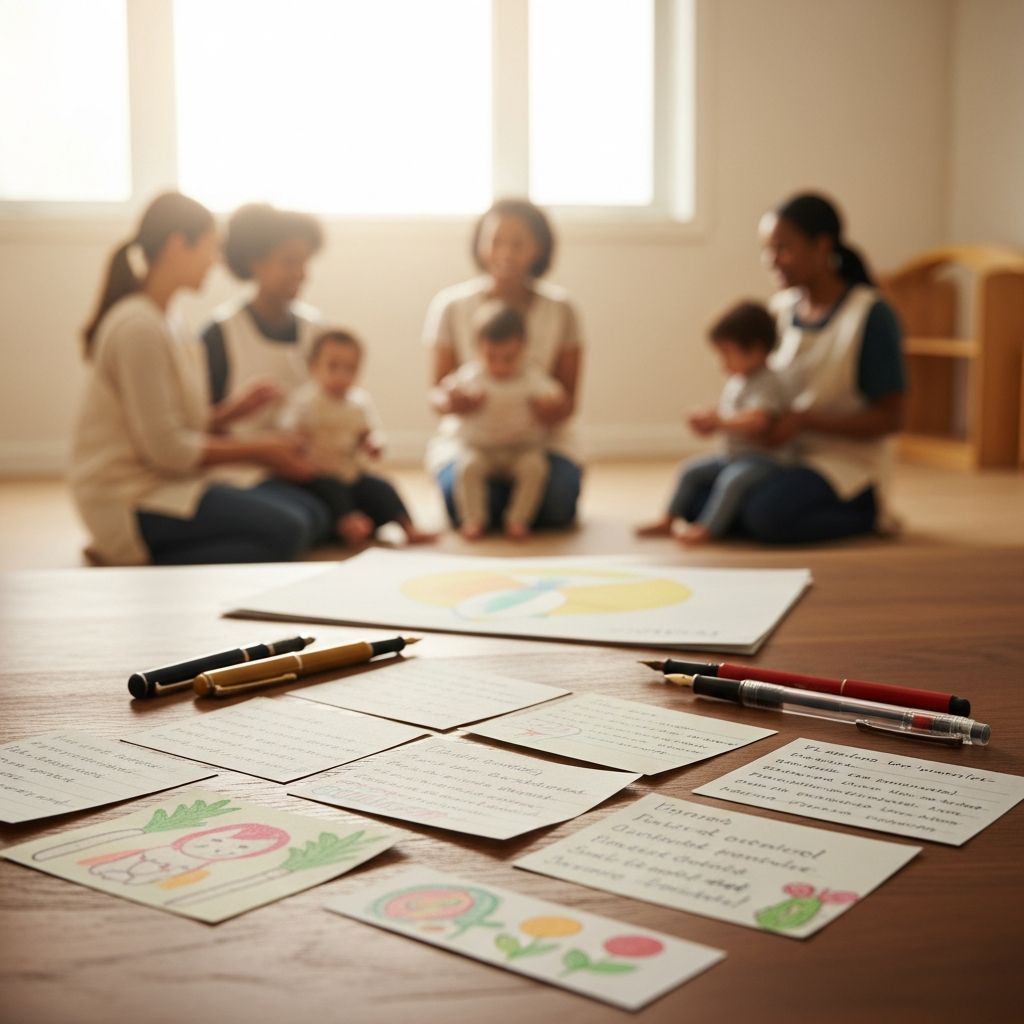
Childcare providers like babysitters and nannies often step into roles far beyond simple supervision. They nurture young hearts, ease parental burdens, and weave themselves into the fabric of family life. This collection of inspired messages captures the deep appreciation parents feel for these everyday heroes who make modern parenting possible.
The Emotional Bond Between Families and Caregivers
From the moment parents hand over their little ones, a unique relationship begins. Babysitters become temporary guardians, trusted with the most precious responsibilities. This bond is built on mutual respect, shared joy in children’s milestones, and the quiet understanding of a parent’s heartfelt longing to be present.
Parents frequently express how caregivers transform routine evenings into magical adventures. Children light up at their arrival, engaging in games, stories, and cuddles that foster security and happiness. This connection extends beyond the clock; it creates lasting memories that echo through family stories for years.
- Caregivers provide a safe space for kids to explore emotions and creativity.
- They offer parents rare moments to recharge, strengthening family dynamics.
- The trust involved deepens over time, turning professional arrangements into familial ties.
Why Parents Cherish Their Babysitters
Busy schedules demand reliable help, but the gratitude runs deeper than convenience. Parents value how caregivers handle the unpredictable—tantrums, giggles, and everything in between—with patience and warmth. It’s this genuine care that allows parents to focus on work or self-care without constant worry.
Imagine returning home to find your child beaming, recounting tales of park escapades or craft projects. That relief is priceless. Caregivers don’t just watch; they actively contribute to a child’s growth, teaching manners, encouraging curiosity, and modeling kindness.
| Parent Need | Caregiver Contribution |
|---|---|
| Emotional Support | Comfort during separations, building resilience |
| Daily Routines | Meals, bedtime, hygiene with love and consistency |
| Skill Development | Reading, play-based learning, social skills |
| Parental Break | Quality time for rest, errands, or couple connection |
A Message of Thanks from a Working Mom
Dear devoted sitter,
Your willingness to step in during my busiest hours means the world. I cherish every second with my toddler, yet life pulls me away for meetings and deadlines. Knowing you’re there, holding her through fussy moments and celebrating her tiny triumphs, fills me with peace.
She may cling and cry at first, her little world shaken by my absence. Your gentle arms and soothing voice bridge that gap until sleep claims her. You’ve become her safe harbor, a extension of our family’s love. Thank you for your endless patience and for seeing the joy beneath the chaos.
Rushing back each time, my heart swells seeing her light up for you too. You’ve taught me that love multiplies when shared. With deepest gratitude,
A Mom Who Can’t Thank You Enough
From Babysitter’s View: A Lifelong Privilege
Flipping the script, caregivers often feel profound fulfillment. One sitter shares how her young charges aren’t just clients—they’re her spark of joy amid college stresses. Planning weekends around them, boasting to friends about their antics, she views this role as a cherished privilege.
To these kids, she’s more than a watcher; she’s a playmate, confidante, and cheerleader. Even amid wild energy bursts or endless requests, pure delight prevails. The hope? That bonds endure past ‘too old for sitters,’ evolving into lifelong friendships rooted in trust and fun.
You kids are my heartbeat, a blessing inviting me into your world. I treasure every laugh and hug.
Building Trust: The Foundation of Great Care
Selecting a babysitter is an act of faith. Parents seek those who intuitively grasp their child’s needs—bedtimes, favorite snacks, quirky fears. Over time, this trust blossoms as caregivers prove reliable, adapting to personalities and emergencies with calm expertise.
For families, it’s transformative. A sitter who disciplines kindly, plays imaginatively, and communicates openly becomes indispensable. Children thrive, parents exhale. This partnership underscores childcare’s essence: shared commitment to a child’s well-being.
Navigating Challenges with Grace
No childcare stint is perfect. Mornings may bring overtired kids; evenings, meltdowns. Yet exceptional caregivers shine here, turning trials into growth opportunities. Parents apologize for chaos, but gratitude flows for the calm child returned—happy, fed, and loved.
Strategies include clear instructions, open dialogues, and flexibility. When challenges arise, viewing them through patience lenses builds virtues in all—empathy for kids, resilience for parents, steadiness for sitters.
- Communicate expectations upfront: schedules, allergies, preferences.
- Check in regularly to foster rapport.
- Celebrate wins, like smooth transitions or new skills learned.
- Express thanks often—notes, small gestures amplify bonds.
Long-Term Impacts on Children and Families
Babysitters influence far beyond hours spent. They model positive behaviors, spark interests, and provide diverse interactions enriching development. Kids learn independence, social graces, and emotional regulation in these nurturing settings.
Families gain balance, preventing burnout. Parents return refreshed, more present. Over years, caregivers like long-term nannies witness growth—from first steps to school triumphs—becoming family fixtures woven into milestone tapestries.
Statistics from child development experts affirm consistent caregiving boosts security and cognitive gains. Reliable sitters contribute to stable environments where children flourish.
Frequently Asked Questions (FAQs)
What makes a babysitter irreplaceable?
A standout sitter combines reliability, intuition, and genuine affection, becoming a family ally who eases transitions and delights children.
How can parents show appreciation effectively?
Verbal thanks, written notes, fair pay, holiday gifts, and involving them in family events convey heartfelt gratitude.
Should babysitters expect emotional attachments?
Yes, bonds form naturally; embracing them enriches experiences while maintaining professional boundaries ensures sustainability.
What age is best to start babysitters?
From infancy for short stints building familiarity, scaling with needs—always prioritizing trusted, vetted caregivers.
How to handle first-time separation anxiety?
Short trials, familiar routines, comfort items, and reassuring goodbyes pave the way for confident goodbyes.
Extending Gratitude into Everyday Practice
Beyond letters, weave appreciation into routines. Quick texts post-sitting, involving caregivers in updates, or annual thank-you rituals sustain positivity. For sitters, cherishing these roles nurtures mutual respect.
In a world of juggling acts, childcare heroes deserve spotlight. Their dedication crafts harmonious homes where kids thrive and parents persevere. Let’s champion these vital partners with voices of thanks.
References
- Child Care and Early Education Research Connections — U.S. Department of Health and Human Services. 2024-03-15. https://childcare.gov/consumer-education/child-care-research-connections
- Effects of Child Care on Child Development — National Institute of Child Health and Human Development. 2023-11-20. https://www.nichd.nih.gov/research/supported/seccyd
- Quality Child Care Supports Healthy Development — American Academy of Pediatrics. 2025-01-10. https://publications.aap.org/pediatrics/article/151/1/e2022056831/190000
- Parenting and Childcare Provider Relationships — Zero to Three. 2024-06-05. https://www.zerotothree.org/resource/partnering-with-families/
- Impact of Non-Parental Care on Child Outcomes — CDC Early Care and Education. 2025-02-18. https://www.cdc.gov/early-care-education/research.html