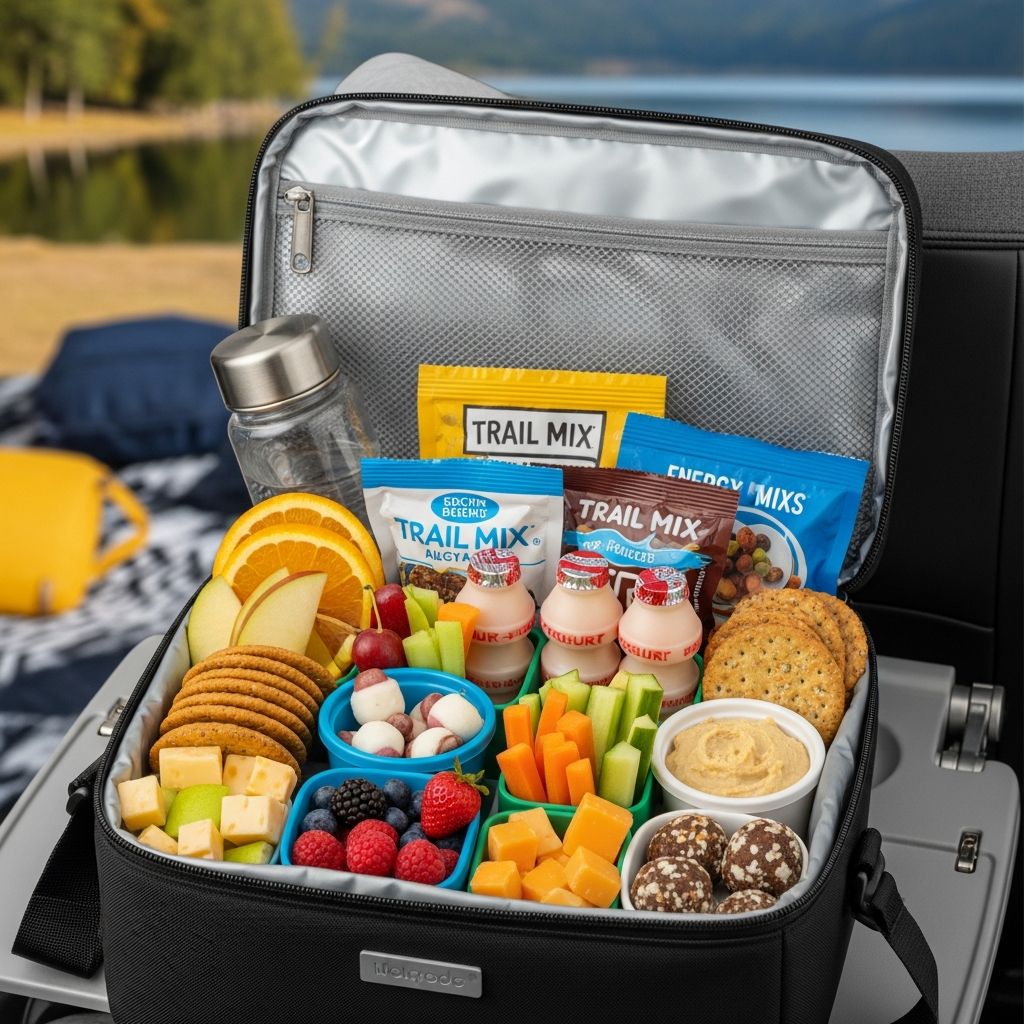
Nourishing Young Travelers: A Complete Approach to Portable Snacking
Travel with children introduces unique nutritional challenges that extend beyond typical meal planning. When families venture away from home, maintaining stable energy levels, preventing hunger-related irritability, and ensuring adequate nutrition becomes significantly more complicated. The solution lies in thoughtful snack preparation that prioritizes both nutritional value and practical convenience. By understanding which foods travel well, provide sustained energy, and appeal to young palates, parents can transform potentially stressful journeys into smoother experiences where children remain satisfied and engaged.
The foundation of successful travel nutrition rests on recognizing that children’s metabolic needs don’t pause during transit. Whether traveling by car, plane, or train, young bodies continue burning calories and requiring consistent nutrient intake. Strategic snack selection ensures blood sugar stability, prevents the energy crashes that lead to behavioral challenges, and maintains the nutritional standards families typically uphold at home.
The Protein Foundation: Building Lasting Satiety
Protein serves as the cornerstone of satisfying snacks because it digests slowly, providing prolonged fullness and stable energy levels. Unlike refined carbohydrates that produce rapid blood sugar spikes followed by crashes, protein-containing foods sustain children through extended travel periods without requiring constant feeding.
Nuts represent an excellent portable protein source that delivers additional nutritional benefits. Cashews, almonds, and walnuts provide heart-healthy unsaturated fats, dietary fiber, and essential minerals including magnesium and zinc. For children with developing teeth, softer nuts like cashews reduce chewing difficulty while maintaining nutritional density. Parents concerned about sugar content will appreciate that unsalted nuts contain minimal added sugars and no chemical preservatives.
Cheese-based options offer another protein avenue that children universally enjoy. String cheese and cheese sticks require no preparation, generate minimal mess, and provide calcium alongside protein. Individual cheese wheels individually wrapped offer portion control and easy distribution. For families managing refrigeration concerns, hard cheeses maintain stability better than soft varieties during extended travel without cooling access.
Protein-concentrated meat products designed for portable consumption deserve consideration as well. Beef jerky, grass-fed beef sticks, and similar options pack substantial protein in lightweight, shelf-stable packages. These alternatives eliminate refrigeration requirements while delivering satisfying chewing experiences that occupy children’s attention during downtime.
Prepared eggs offer surprising versatility despite their delicate reputation. Hard-boiled eggs prepared at home and stored in small containers provide complete protein containing all essential amino acids. While requiring slightly more careful packing than other options, their nutritional completeness justifies the minimal additional effort.
Fruits and Vegetables: Nutrient Density Meets Practicality
Fresh produce provides essential vitamins, minerals, and fiber while satisfying children’s natural preference for variety. Strategic fruit and vegetable selection focuses on options that maintain their integrity during transport without requiring refrigeration or creating significant mess.
Berries present an ideal fruit option for travel scenarios. Blueberries’ small size and firm texture withstand jostling without becoming damaged, and their natural sweetness appeals to children while providing anthocyanins and other protective phytonutrients. Halving larger berries creates safer portions for younger children while maintaining practicality. Grapes similarly travel well, though families should monitor consumption given their choking potential for very young children.
Dried fruit concentrates natural sugars while eliminating water weight, making transport efficient. Raisins, cranberries, and freeze-dried fruit chips maintain shelf stability and require no preparation. Parents seeking to limit refined sugar should prioritize unsweetened varieties and appreciate that fruit’s natural sugars arrive packaged with fiber that moderates blood sugar impact.
Fresh whole fruits including bananas, apples, and pears require minimal packaging while providing substantial nutritional value. These fruits’ natural protective skins eliminate the need for refrigeration during typical travel durations. Sliced apples paired with individual nut butter packets create complete snacks combining fruit, protein, and fat in single-serving packages.
Vegetables often receive less attention in travel snack planning despite their nutritional merit. Pre-cut carrot sticks, cucumber slices, and bell pepper strips paired with individual hummus or guacamole packs provide crunchy satisfaction alongside plant-based nutrition. The dipping component transforms ordinary vegetables into more engaging snacks that children consume with greater enthusiasm.
Applesauce pouches represent processed fruit options that maintain nutritional value without excess additives. Individual packaging prevents mess while delivering vitamin C and fiber. Parents should examine ingredient lists to ensure minimal added sugars, selecting brands that rely on fruit concentration rather than supplementary sweetening.
Shelf-Stable Prepared Options: Convenience Without Compromise
Commercial baby and toddler food pouches have evolved significantly, offering parents alternatives that balance convenience with nutritional integrity. Organic brands utilizing whole-food ingredients and avoiding refined sugars provide portable nutrition for younger children without the empty calories typical of many processed snacks.
Crackers and baked goods occupy an important category for travel snacking, though selection requires discernment. Whole-grain varieties deliver sustained energy through complex carbohydrates, and options with minimal added sodium preserve nutritional value. Cheese-flavored crackers appeal to children while providing protein through cheese content. Alphabet-shaped cookies transform snacking into learning opportunities, adding developmental value to nutritional fueling.
Granola and energy bars offer portable carbohydrate and protein combinations in individually wrapped formats. Homemade versions allow complete control over ingredients, enabling parents to optimize nutrition while accommodating allergies. Store-bought options should feature whole grains, nuts or seeds, and minimal refined sugar, with bars that maintain structural integrity during transport rather than crumbly varieties that create mess.
Trail mix prepared at home provides customization benefits that commercial mixes cannot match. Parents select specific nuts, seeds, dried fruits, and minimal chocolate or candy, creating balanced snacks aligned with family nutritional philosophies. Pre-portioned containers prevent overindulgence while maintaining convenient grab-and-eat accessibility.
Strategic Packing and Presentation Methods
Container selection significantly impacts snacking success during travel. Reusable containers with secure lids prevent spillage while maintaining accessibility. Stasher bags and similar reusable pouches reduce plastic waste while enabling easy portion separation. Individual small containers for dips, spreads, and condiments maintain portion control and prevent cross-contamination between foods.
Layering strategy optimizes temperature management for perishable items. Insulated bags with ice packs maintain proper temperatures for cheese, yogurt, and other items requiring cooling. Positioning frozen items strategically allows gradual temperature increase as travel progresses, extending the safe consumption window.
Accessibility planning ensures frequently needed snacks remain easily reachable. Front-facing container arrangement prevents children from excavating through entire food supplies seeking preferred items. Rotating snack options throughout travel prevents palatability fatigue where children reject previously enjoyed foods after extended exposure.
Nutritional Balance Across Multiple Snack Occasions
Travel schedules frequently compress eating patterns, creating opportunities where snacks become quasi-meals. Approaching snack selection with this perspective ensures that interim eating occasions provide meaningful nutritional contribution rather than empty calories.
Combining macronutrient categories creates complete nutrition profiles. Pairing fruits with nuts or nut butters, vegetables with protein-containing dips, or crackers with cheese ensures that no single snack occasion provides only carbohydrates or only fat. This combination approach extends satiety while balancing blood sugar impact.
Micronutrient density receives less attention than macronutrient balance but proves equally important for growing children during potentially stressful travel. Selecting colorful produce, nuts and seeds rich in minerals, and whole grains providing B vitamins ensures that snacking occasions contribute meaningfully to daily nutritional requirements rather than simply filling calories.
Managing Practical Constraints and Special Considerations
Different travel modes impose distinct snacking limitations. Airplane travel restricts certain liquids and requires TSA-compliant packing, eliminating yogurt, applesauce, and nut butters from carry-on bags unless purchased post-security screening. Road travel permits greater flexibility but emphasizes mess-prevention through contained, handleable options that won’t stain vehicle interiors or create difficult cleanup.
Allergies and dietary restrictions require advance planning that extends beyond typical travel preparation. Families managing nut allergies must identify cross-contamination risks in seemingly nut-free foods, while vegan families need protein-abundant alternatives like seeds, legumes, and plant-based products. Establishing these parameters before travel prevents mid-journey scrambling and ensures children receive appropriate nutrition.
Temperature and storage duration affect food safety and palatability. Fresh produce consumed within reasonable timeframes maintains quality, while shelf-stable options enable longer travel without spoilage concerns. Families should assess their specific travel duration and available storage capacity when finalizing snack selections.
Addressing Common Parental Concerns
How can parents prevent snacking from becoming a constant request during travel?
Establishing structured snack times rather than permitting continuous grazing helps regulate appetite and prevents children from viewing snacking as entertainment. Pairing substantive snacks with engaging activities creates natural transitions and prevents boredom-driven eating. Parents should also recognize that some increased snacking during travel reflects genuine metabolic need from the physical and mental stimulation of traveling.
What should parents do if children reject snacks they normally enjoy?
Travel stress and unfamiliar environments sometimes shift food preferences temporarily. Rather than forcing rejected foods, parents should offer alternatives while understanding that nutritional perfection during travel matters less than maintaining reasonable adequacy. Introducing new snack options during planning stages rather than debut them during travel helps establish familiarity and acceptance.
How much snacking is appropriate during extended travel days?
Children’s increased activity and stimulation during travel genuinely elevates caloric needs. Offering snacks every two to three hours during waking travel hours provides reasonable nutrition without enabling constant eating. Parents should adjust quantities based on actual meal timing and individual child metabolic patterns rather than adhering to rigid schedules.
Are homemade snacks worth the preparation effort for travel?
Homemade options offer cost savings, ingredient control, and customization benefits that justify advance preparation for many families. Energy balls, granola bars, and muffins prepared before travel provide nutritional superiority to many commercial options while addressing allergy concerns. The advance time investment typically proves worthwhile for families managing multiple children or special dietary needs.
How can parents encourage children to eat vegetables during travel when familiar foods feel more appealing?
Pairing vegetables with appealing dips, selecting particularly colorful varieties, and involving children in pre-travel snack preparation increases enthusiasm. Presenting vegetables alongside established favorite foods normalizes their consumption. Parents should maintain reasonable expectations, recognizing that some travel-related resistance to vegetables reflects normal childhood development rather than permanent rejection.
Creating Sustainable Travel Snacking Systems
Successful family travel nutrition doesn’t require perfection or elaborate meal planning. Instead, it reflects thoughtful consideration of children’s genuine nutritional needs combined with practical recognition of travel’s inherent limitations. Building a mental toolkit of reliable snack options enables confident packing regardless of trip duration or destination.
The most effective travel snack strategy personalizes recommendations to individual family circumstances, food preferences, and specific travel parameters. Families establishing their own snacking systems before anticipated trips generate confidence and reduce decision fatigue during hectic travel periods. Recognizing that adequate nutrition significantly impacts children’s behavior, mood, and overall travel experience justifies the planning effort, transforming snacking from an afterthought into an intentional travel strategy that contributes meaningfully to family trip success.
References
- Academy of Nutrition and Dietetics — Academy of Nutrition and Dietetics. 2024. https://www.eatright.org/
- USDA MyPlate Guidelines — U.S. Department of Agriculture. 2024. https://www.myplate.gov/
- American Academy of Pediatrics: Nutrition Guidelines — American Academy of Pediatrics. 2023. https://www.healthychildren.org/
- Food Safety Guidelines for Travel — U.S. Food and Drug Administration. 2024. https://www.fda.gov/food
- Pediatric Nutrition and Child Development — National Institutes of Health. 2024. https://www.nih.gov/