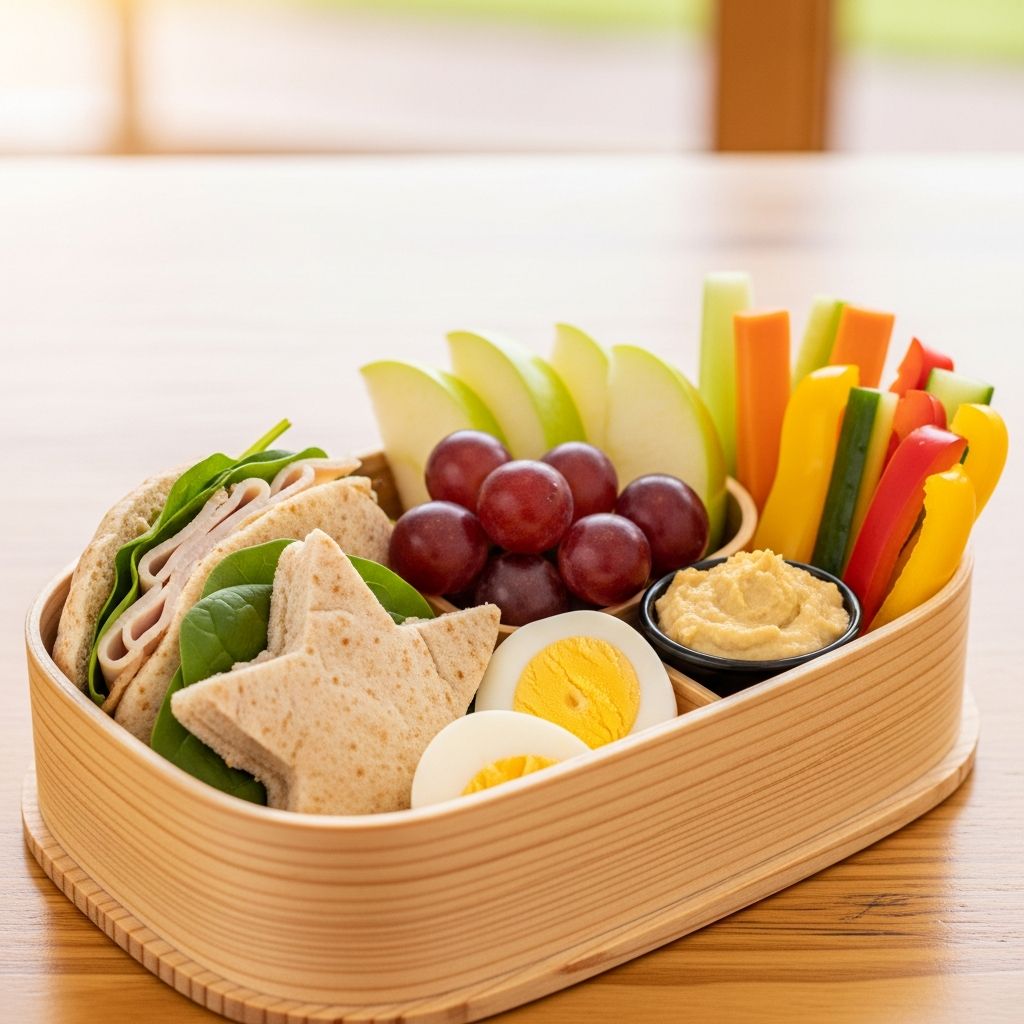
Preparing school lunches that are both healthy and exciting can transform mealtime into a positive experience for children. A well-balanced lunch provides essential nutrients to sustain energy levels, sharpen focus during classes, and support physical activity on the playground. By incorporating a mix of proteins, whole grains, fruits, vegetables, and healthy fats, parents can ensure their kids receive the fuel needed for optimal growth and development.
Why Balanced Nutrition Matters in School Lunches
Children’s bodies and brains demand consistent nourishment throughout the day. Skipping balanced meals can lead to mid-morning slumps, irritability, or overeating later. According to Harvard’s Nutrition Source, a healthy lunchbox should dedicate half to fruits and vegetables, one-quarter to whole grains, and one-quarter to proteins, with healthy fats enhancing satiety. This approach mirrors the Kid’s Healthy Eating Plate, promoting variety and quality to meet daily needs for hydration, protein, fiber, vitamins, and minerals.
Research from the U.S. Department of Agriculture emphasizes that school-age kids require about 25-30 grams of protein per lunch to maintain steady blood sugar and cognitive function. Pairing carbs with proteins and fats prevents energy crashes, keeping kids alert for learning.
Essential Components of a Healthy Lunchbox
Building a nutritious lunch follows a simple formula: include at least one item from each key food group. This ensures comprehensive nutrition without overwhelming prep time.
- Proteins: Build and repair tissues, sustain energy. Options include lean meats, eggs, dairy, nuts, seeds, or legumes.
- Whole Grains/Carbs: Primary energy source for brain and muscles. Choose fiber-rich picks like whole wheat bread or bean-based pasta.
- Fruits and Vegetables: Deliver vitamins, antioxidants, and fiber. Aim for color variety to maximize nutrient diversity.
- Healthy Fats: Promote fullness and nutrient absorption. Avocados, nuts, seeds, and olive oil-based dips fit perfectly.
- Hydration: Water or milk; avoid sugary drinks to prevent hyperactivity or crashes.
Creative Protein-Packed Main Dish Ideas
Proteins form the lunch foundation. Dietitians recommend versatile, portable options that kids enjoy.
- Mini meatballs made from turkey or beef, paired with lentil pasta for extra fiber and plant-based protein.
- Hard-boiled eggs or egg muffins baked with veggies and chicken sausage—prep a batch weekly for grab-and-go ease.
- Rotisserie chicken shreds mixed into pasta sauce or wrapped in tortillas with avocado.
- Greek yogurt cups topped with hemp hearts and nut butter for a creamy, satisfying bite.
- Tuna or chicken salad using olive oil mayo, served with whole grain crackers.
These mains provide 15-25 grams of protein, keeping hunger at bay until after-school snacks.
Veggie and Fruit Combinations Kids Love
Vegetables and fruits should dominate the lunchbox for their low-calorie density and high nutrient payoff. Fun presentations boost appeal.
| Color Category | Veggie Ideas | Fruit Pairings | Dip Suggestions |
|---|---|---|---|
| Green | Cucumber coins, snap peas, bell peppers | Kiwi slices, green grapes | Hummus, guacamole |
| Orange/Red | Carrot sticks, cherry tomatoes | Mandarin oranges, strawberries | Ranch or yogurt dip |
| Yellow/Purple | Sweet potato fries, jicama | Banana, blueberries | Nut butter |
Cut produce into sticks, ribbons, or shapes using cookie cutters to encourage eating. A rainbow plate like grape tomatoes, orange hummus, yellow cheese, green cucumbers, blueberries, and purple grapes makes nutrition playful.
Whole Grain and Crunchy Carb Options
Carbs fuel active days. Opt for nutrient-dense choices over refined versions.
- Whole grain crackers or seed-based varieties like almond flour or Mary’s Gone Crackers for fiber.
- Pita wedges or mini bagels filled with spreads.
- Brown rice cakes topped with cheese or nut butter.
- Homemade energy bites or mini muffins with oats and zucchini.
- Pasta salads using chickpea or lentil noodles.
These provide sustained energy without the spikes from white bread or sugary items.
Quick Assembly Lunchbox Themes
Theme-based lunches streamline packing while varying flavors.
Mediterranean-Inspired Box
- Turkey slices or hard-boiled eggs
- Seed crackers and hummus
- Cucumber, bell peppers, olives
- Fresh berries
Breakfast Remix
- Egg cups with sausage
- Avocado slices
- Banana with almond butter
- Oat muffin
Snack-Style Grazing Plate
- Cheese cubes or feta
- Crunchy veggies and popcorn
- Apple slices and yogurt
- Dark chocolate gem
Wrap and Roll Kit
- Tortilla with deli meat, avocado, microgreens
- Apple with peanut butter
- Veggie sticks
These combos take under 5 minutes to assemble, using leftovers for efficiency.
Practical Packing and Food Safety Tips
Safety ensures lunches stay fresh. Use insulated bags with ice packs; keep perishables below 40°F. Pre-portion dips to avoid sogginess. Involve kids in choices to increase consumption—let them pick fruits or assemble wraps at home.
For allergies, swap nuts for seeds; check school policies on shared tables. Label boxes with names and reheating instructions if microwaves are available.
Overcoming Picky Eater Challenges
Picky phases are common. Start small: hide pureed veggies in sauces or muffins. Offer familiar foods alongside new ones. Positive reinforcement, like praise for trying bites, builds habits. Consistency pays off—exposure to 10-15 tastes may be needed before acceptance.
Sample Weekly Lunch Planner
| Day | Main | Veggie/Fruit | Grain/Snack |
|---|---|---|---|
| Monday | Turkey roll-ups | Carrots, apples | Crackers, hummus |
| Tuesday | Egg muffins | Cucumber, berries | Pita, yogurt |
| Wednesday | Chicken pasta | Bell peppers, oranges | Cheese stick |
| Thursday | Tuna salad | Snap peas, grapes | Rice cakes |
| Friday | Cheese skewers | Tomatoes, bananas | Muffin, nuts |
Frequently Asked Questions (FAQs)
How much food should I pack for a school lunch?
Aim for portions fitting a divided lunchbox: 1/2 cup protein/grain, 1 cup veggies/fruits. Adjust by age and activity—elementary kids need 400-600 calories.
Can I pack cold lunches only?
Yes, most hold well with ice packs. For hot options, use thermos for pasta or soups.
What if my child trades food?
Discuss nutrition value at home; pack appealing, familiar items to minimize trades.
Are store-bought items okay?
Choose low-sugar, whole-food options like Applegate meats or Stonyfield yogurt.
How do I keep lunches eco-friendly?
Use reusable containers, cloth napkins, and stainless steel utensils to reduce waste.
Implementing these strategies empowers parents to send kids off with meals that nourish body and mind. With planning and creativity, lunchtime becomes a highlight of the school day.
References
- Healthy School Lunch Ideas for Kids (From a Dietitian Mom) — Rachaels Good Eats. 2023-08-15. https://rachaelsgoodeats.com/healthy-school-lunch-ideas-for-kids-from-a-dietitian-mom/
- Lunch Ideas For Kids — The Real Food Dietitians. 2024-05-20. https://therealfooddietitians.com/lunch-ideas-for-kids/
- Packing a Healthy Lunchbox — Harvard T.H. Chan School of Public Health Nutrition Source. 2023-01-10. https://nutritionsource.hsph.harvard.edu/kids-healthy-lunchbox-guide/