Preparing lunches and snacks for school-aged children can transform chaotic mornings into opportunities for nourishment and excitement. With the right balance of proteins, fruits, vegetables, and whole grains, these meals provide sustained energy for learning and play. This guide offers fresh ideas inspired by dietitian recommendations and family-tested recipes, focusing on variety, portability, and appeal to young tastes.
Why Balanced Nutrition Matters for School Days
Children need consistent fuel to maintain focus during lessons and activities. A typical school lunch should include lean proteins for muscle repair, complex carbohydrates for steady energy, healthy fats for brain health, and colorful produce for vitamins and fiber. According to guidelines from health authorities, meals with these components help prevent mid-morning slumps and support overall growth. Skipping processed sugars in favor of whole foods also stabilizes blood sugar, reducing hyperactivity or fatigue.
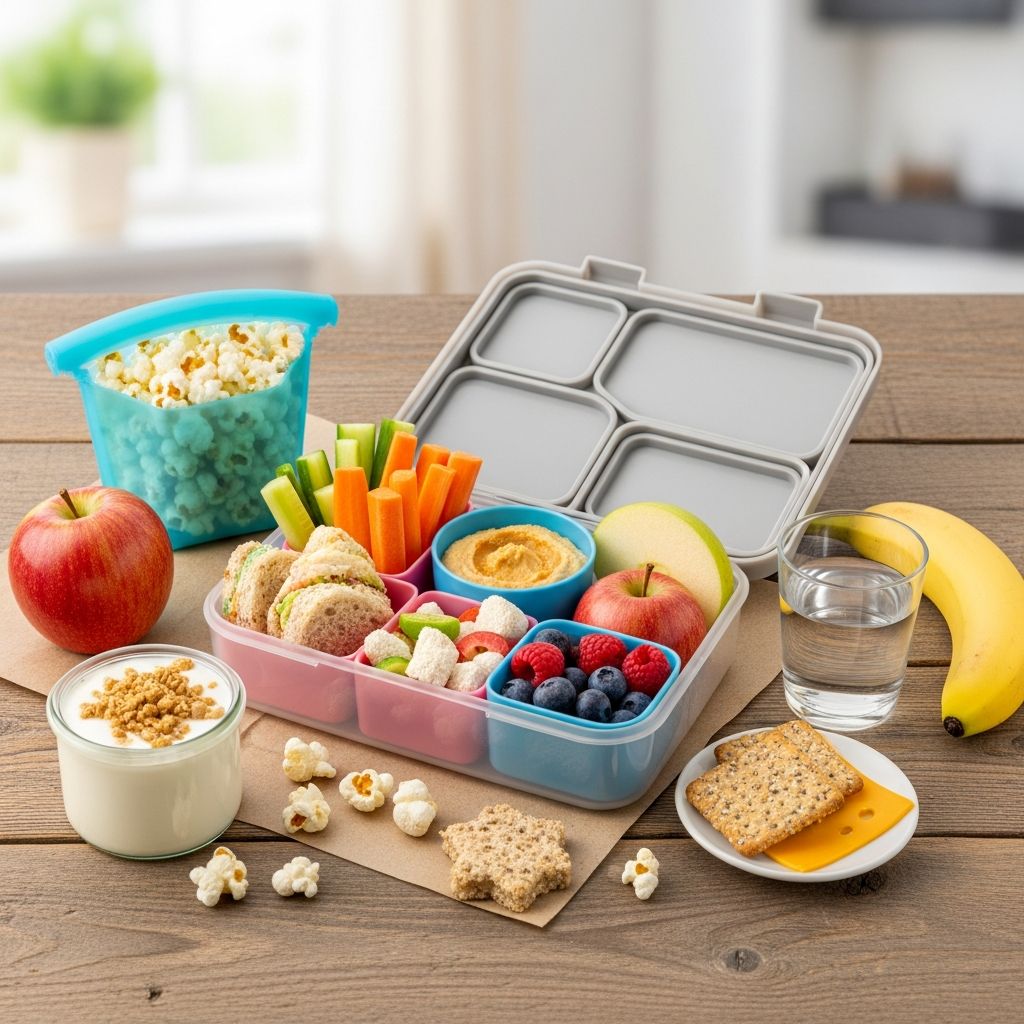
Make-ahead strategies save time: prep components on weekends, like chopping veggies or boiling eggs, and assemble in insulated containers to keep foods fresh. Bento-style boxes divide portions visually, encouraging kids to eat a rainbow of nutrients without complaints.
Protein-Packed Main Dish Ideas
Proteins form the foundation of satisfying lunches. Opt for options that are easy to eat with fingers or minimal utensils, ideal for school settings.
- Turkey Roll-Ups: Spread mustard or hummus on whole-grain tortillas, layer with turkey slices, spinach, and shredded carrots, then roll and slice into pinwheels. Pair with apple slices for natural sweetness.
- Chicken Salad Cups: Mix shredded chicken with Greek yogurt, diced celery, and grapes. Serve in lettuce leaves or with whole-grain crackers for a crisp, no-bread alternative.
- Egg Muffins: Bake eggs with diced veggies, cheese, and herbs in muffin tins. These portable bites reheat well in thermoses and freeze for quick grabs.
- Cheese and Meat Kabobs: Thread cheese cubes, salami, and cherry tomatoes on skewers. Add olives for a Mediterranean twist that kids find fun to eat.
These mains provide 15-25 grams of protein per serving, keeping hunger at bay until afternoon snack time.
Creative Bento Box Assemblies
Bento boxes turn ordinary ingredients into artistic displays, making healthy eating playful. Divide a compartmentalized container into sections for mains, sides, fruits, and treats.
| Bento Theme | Main | Veggie Side | Fruit | Treat |
|---|---|---|---|---|
| Classic Protein | Hard-boiled egg + nuts | Carrot sticks + dip | Grape halves | Dark chocolate bits |
| Apple Delight | Nut butter apple slices | Celery boats | Blueberries | Yogurt-covered raisins |
| Turkey Power | Turkey + sprouts wrap | Bell pepper strips | Strawberries | Pretzel twists |
| Avocado Boost | Chicken avocado mash | Cucumber rounds | Orange segments | Granola sprinkle |
These combinations ensure nutritional balance while looking Instagram-worthy, boosting kids’ enthusiasm. Customize based on allergies, using seed butters or dairy-free cheeses.
Quick and Energizing Snack Solutions
Snacks bridge meals, curbing irritability before dinner. Aim for 100-200 calories with a protein-carb mix for lasting fullness.
- Energy Balls: Blend oats, nut butter, honey, and seeds; roll into balls. Add cocoa or dried fruit for flavor variations that store well for weeks.
- Veggie Fritters: Grate zucchini or sweet potatoes, mix with egg and herbs, pan-fry into patties. Serve cold with yogurt dip.
- Fruit Skewers: Alternate berries, melon, and cheese chunks on sticks. Portable and mess-free for recess.
- Yogurt Parfaits: Layer Greek yogurt with granola and berries in small jars. Include a spoon for easy eating.
- Homemade Trail Mix: Combine nuts, seeds, dried fruits, and a few chocolate chips. Portion into bags for grab-and-go.
These snacks emphasize whole ingredients, avoiding added sugars common in store-bought packs.
Make-Ahead Meal Prep Strategies
Batch cooking streamlines weekdays. Dedicate Sunday evenings to:
- Boiling a dozen eggs and storing in fridge.
- Roasting veggies like potatoes or broccoli for skewers.
- Shredding rotisserie chicken for multiple uses.
- Pre-slicing fruits with lemon juice to prevent browning.
- Portioning dips like hummus into small containers.
Invest in quality thermoses: preheat with hot water, add warm foods like pasta or chili, and they stay hot for hours. For cold items, ice packs maintain freshness. This approach cuts morning stress, ensuring kids start the day nourished.
Allergy-Friendly and Dietary Adaptations
With rising food allergies, flexibility is key. Nut-free? Swap butters for sunflower seed spreads. Dairy-free? Use vegan cheeses or hummus. Gluten-sensitive? Choose sprouted grain breads or lettuce wraps.
- Seed Butter Sushi: Spread seed butter on whole-grain tortillas with banana slices, roll, and slice.
- Pea Protein Patties: Mash peas with rice and egg for fritters.
- Fruit and Veggie Chips: Bake kale or apple slices into crispy snacks.
Label lunches clearly and check school policies. These tweaks maintain nutrition without sacrificing taste.
Fun Twists to Keep Kids Excited
Engage picky eaters with themes: “Pizza Day” uses English muffins with sauce, veggies, and turkey pepperoni. “Taco Tuesday” offers ground chicken in mini cups with salsa. Involve children in assembly to foster ownership.
Seasonal produce keeps it fresh—fall pears with cheese, summer berries in salads. Track favorites in a family journal to refine rotations.
Frequently Asked Questions
How do I keep lunches cold without ice packs?
Use frozen water bottles or gel packs in insulated bags. Pre-chill containers overnight for extra chill.
What if my child is a picky eater?
Start with familiar foods alongside one new item. Fun shapes via cutters boost appeal.
Can these ideas work for preschoolers?
Yes, finger foods like kabobs and mini muffins suit small hands and short attention spans.
How many calories should a school lunch have?
Aim for 500-700 calories for grades K-5, adjusting for age and activity.
Are store-bought snacks okay occasionally?
Choose those with whole ingredients; pair with fresh produce to balance.
Shopping List Essentials
Stock up on:
- Proteins: Turkey, chicken, eggs, cheese, yogurt.
- Produce: Apples, berries, carrots, cucumbers, spinach.
- Grains: Whole wheat wraps, crackers, oats.
- Extras: Nut/seed butters, hummus, dark chocolate chips.
Buy in bulk for cost savings and variety.
Implementing these ideas supports academic performance and healthy habits long-term. Experiment to find your family’s favorites, and watch school days thrive.
References
- 30 Healthy Back to School Lunch Ideas — Physical Kitchness. 2023-08-15. https://physicalkitchness.com/30-healthy-back-to-school-lunch-ideas/
- 30 Healthy Snacks for Kids (Back-to-School Friendly) — The Real Food Dietitians. 2024-01-10. https://therealfooddietitians.com/healthy-snacks-for-kids-back-to-school-snacks/
- 30 Creative School Lunch Ideas Your Kids Will Actually Want to Eat — The Everymom. 2023-09-01. https://theeverymom.com/school-lunch-ideas-for-kids/
- Make-Ahead Back-to-School Lunch Ideas — Thirsties Baby. 2023-08-20. https://thirstiesbaby.com/blogs/simply-better-cloth-diapers/make-ahead-back-to-school-lunch-ideas
- 25+ Back-to-School Recipes — Sally’s Baking Addiction. 2024-02-14. https://www.sallysbakingaddiction.com/back-to-school-recipes/