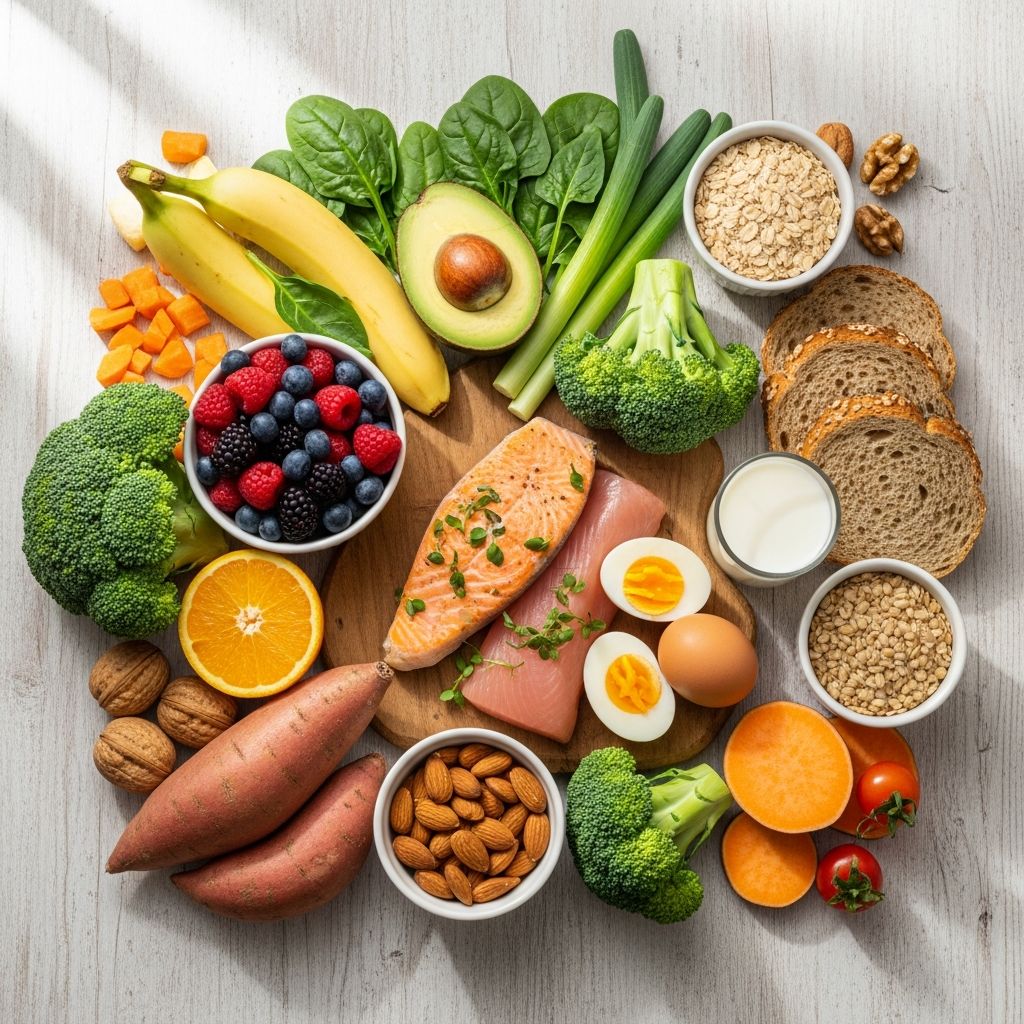
Proper nutrition during pregnancy plays a pivotal role in supporting the health of both the mother and the developing fetus. A well-planned diet ensures adequate energy, promotes fetal growth, and helps prevent common complications like anemia or gestational diabetes. Expectant mothers should aim for a balanced intake of macronutrients and micronutrients while staying hydrated and mindful of food safety.
Core Principles of Eating Well During Pregnancy
Building a strong nutritional foundation starts with three key concepts: sufficiency, diversity, and moderation. Sufficiency means consuming enough calories and nutrients to meet increased demands, typically adding 300-500 extra calories daily depending on the trimester. Diversity involves incorporating a wide range of foods to cover all essential vitamins and minerals. Moderation ensures no single nutrient dominates, preventing excesses like too much sugar or saturated fat.
- Adequacy: Focus on calorie-dense, nutrient-rich foods to fuel placental development and fetal organ formation.
- Variety: Rotate proteins, grains, fruits, and vegetables to avoid deficiencies.
- Balance: Maintain proportions of carbs (45-65%), proteins (10-35%), and fats (20-35%) for optimal energy and health.
Macronutrients: Fuel for Maternal and Fetal Growth
Macronutrients provide the energy and building blocks needed throughout pregnancy. Carbohydrates offer quick energy and fiber for digestion, proteins support tissue repair and expansion of maternal blood volume, and fats aid in hormone production and brain development.
Carbohydrates for Sustained Energy
Pregnant women need 45-65% of calories from carbs, prioritizing complex sources like whole grains, fruits, and vegetables. These help regulate blood sugar and prevent constipation, a common issue due to hormonal changes. Aim for 175 grams daily, including oats, quinoa, and sweet potatoes.
Proteins: The Building Blocks
Protein requirements rise to 71 grams per day to facilitate rapid fetal growth, uterine expansion, and increased blood production. Excellent sources include lean meats, poultry, fish, eggs, beans, lentils, nuts, and soy products. Vegetarians can meet needs through diverse plant-based options.
| Protein Source | Serving Size | Protein (g) |
|---|---|---|
| Lean chicken breast | 3 oz | 25 |
| Canned salmon with bones | 3 oz | 17 |
| Boiled lentils | 1/2 cup | 9 |
| Skim milk | 1 cup | 8 |
| Large egg | 1 | 6 |
Healthy Fats for Development
Fats should comprise 20-35% of intake, emphasizing unsaturated types from avocados, nuts, seeds, and fatty fish like salmon. Omega-3 fatty acids, particularly DHA, are crucial for fetal brain and eye health. Limit saturated fats to under 10% and avoid trans fats entirely.
Micronutrients: Small but Mighty Essentials
Micronutrients are vital in tiny amounts but critical for preventing birth defects, supporting immunity, and ensuring bone health. A daily prenatal vitamin bridges gaps, but food sources are preferable.
- Folate/Folic Acid (600 mcg): Prevents neural tube defects; found in leafy greens, fortified cereals, beans, and citrus.
- Iron (27 mg): Combats anemia; pair red meat, spinach, or fortified cereals with vitamin C-rich foods like oranges for better absorption.
- Calcium (1,000 mg) & Vitamin D (600 IU): Build strong bones; dairy, fortified plant milks, and sunlight exposure.
- Choline (450 mg): Supports brain development; eggs, beef liver, peanuts.
- Iodine (220 mcg): Aids thyroid function and cognition; iodized salt, seafood, dairy.
- Other Key Players: Vitamin C (85 mg) for immunity from broccoli and strawberries; B vitamins for energy from whole grains and meats; Zinc (11 mg) for immunity from nuts and lean meats.
Nutrition Needs Across Pregnancy Trimesters
Requirements evolve as pregnancy progresses. In the first trimester, focus on folate to support neural tube closure. Second trimester emphasizes iron for blood volume expansion. Third trimester prioritizes calcium and proteins for skeletal growth and lung maturation.
- First Trimester: 400-600 mcg folate, manage nausea with bland, small meals like crackers and ginger tea.
- Second Trimester: Increase iron to 27 mg, add protein-rich snacks.
- Third Trimester: Boost calcium, omega-3s; frequent small meals ease heartburn.
Hydration and Its Overlooked Importance
Aim for 8-12 cups of water daily to support increased blood volume, amniotic fluid, and digestion. Dehydration can lead to preterm labor risks. Include herbal teas and water-rich fruits like watermelon; limit caffeine to under 200 mg.
Practical Meal Planning Strategies
Structure meals around MyPlate guidelines: half fruits/veggies, quarter grains, quarter proteins, plus dairy. Plan ahead to avoid processed foods high in sodium or sugars.
Sample Daily Meal Plan
| Meal | Ideas | Key Nutrients |
|---|---|---|
| Breakfast | Oatmeal with berries, almonds, and low-fat yogurt | Fiber, folate, calcium |
| Mid-Morning Snack | Apple slices with peanut butter | Protein, vitamin C |
| Lunch | Grilled chicken salad with spinach, tomatoes, oranges, and vinaigrette | Iron, protein, vitamin C |
| Afternoon Snack | Greek yogurt with chia seeds | Calcium, omega-3s |
| Dinner | Baked salmon, quinoa, broccoli, and sweet potato | Omega-3s, protein, iron |
| Evening Snack | Cottage cheese with pineapple | Protein, vitamin C |
This plan provides around 2,200-2,500 calories, adjustable for activity level. Emphasize whole foods: 5-7 veggie servings, 2-3 fruits, lean proteins daily.
Grocery List Essentials
- Fruits: Berries, oranges, bananas, avocados
- Vegetables: Spinach, broccoli, sweet potatoes, tomatoes
- Grains: Oats, quinoa, whole-grain bread
- Proteins: Eggs, salmon, chicken, lentils, nuts
- Dairy/Alternatives: Yogurt, milk, fortified plant options
Navigating Common Challenges
Morning sickness? Opt for small, frequent meals with ginger or crackers. Heartburn? Avoid spicy foods and eat slowly. Cravings? Choose healthy swaps like fruit for sweets. Consult a doctor for persistent issues.
Food Safety Priorities
Avoid high-risk foods: unpasteurized dairy, raw/undercooked meats, certain fish (high mercury like shark), and deli meats unless heated. Wash produce thoroughly and cook eggs fully.
- Limit fish to 8-12 oz weekly, choosing low-mercury options like salmon.
- Refrigerate perishables promptly to prevent listeria.
Special Diets: Vegetarian and Vegan Adaptations
Plant-based eaters can thrive with planning. Combine beans with grains for complete proteins, use fortified foods for B12 and D, and consider algae oil for omega-3s. Supplements may be needed for iron, zinc, and iodine.
Frequently Asked Questions
Can I meet all nutrient needs through diet alone?
Most needs are met with a varied diet plus a prenatal vitamin, but consult your provider for personalized advice.
How much weight should I gain?
Depends on pre-pregnancy BMI: 25-35 lbs for normal weight. Nutrition supports healthy gain.
Is caffeine safe?
Limit to 200 mg daily (about one coffee); excess may affect fetal growth.
What about sugar and processed foods?
Minimize added sugars (<6 tsp/day) and processed items to avoid excess weight and gestational diabetes.
Do I need extra calories every trimester?
Nearly so in first; 340 in second, 450 in third.
References
- Nutrition for Maternal Health: A Comprehensive Guide — Monadnock Community Hospital. 2024. https://monadnockcommunityhospital.com/nutrition-for-maternal-health-2024/
- Healthy Eating During Pregnancy — American College of Obstetricians and Gynecologists (ACOG). 2023. https://www.acog.org/womens-health/faqs/healthy-eating-during-pregnancy
- Pregnancy diet: Focus on these essential nutrients — Mayo Clinic. 2025-01-10. https://www.mayoclinic.org/healthy-lifestyle/pregnancy-week-by-week/in-depth/pregnancy-nutrition/art-20045082
- Prenatal Nutrition Goals — U.S. Department of Veterans Affairs (VA.gov). 2023-09. https://www.va.gov/files/2023-09/Nutrition%20During%20Pregnancy.pdf
- Have a healthy diet in pregnancy — National Health Service (NHS). 2024. https://www.nhs.uk/pregnancy/keeping-well/have-a-healthy-diet/
- THE PREGNANCY FOOD GUIDE — Brigham and Women’s Hospital. 2023. https://www.brighamandwomens.org/assets/bwh/obgyn/pdfs/nob-bwh-pregnancy-food-guide.pdf
- Dietary Advice Before and During Pregnancy — U.S. Food and Drug Administration (FDA). 2024. https://www.fda.gov/food/people-risk-foodborne-illness/dietary-advice-and-during-pregnancy