Embarking on the journey of pregnancy requires proactive steps to nurture both maternal and fetal health. This guide draws from authoritative health organizations to outline key practices that promote optimal outcomes, from preconception planning to postpartum recovery.
Building a Strong Foundation Before Conception
Optimizing health prior to pregnancy sets the stage for success. Women should evaluate chronic conditions, update vaccinations, and adopt habits like balanced eating and regular activity. Prenatal vitamins with at least 400 mcg of folic acid are recommended starting one month before conception to prevent neural tube defects. Managing weight and avoiding tobacco, alcohol, and illicit substances reduces risks significantly.
Consulting a healthcare provider early allows for personalized risk assessments, including screenings for conditions like diabetes or hypertension, ensuring a smooth transition into pregnancy.
Navigating Prenatal Checkups and Screenings
Regular prenatal visits are crucial for monitoring progress and detecting issues early. For low-risk pregnancies, visits typically occur monthly until 28 weeks, then biweekly until 36 weeks, and weekly thereafter. These include blood pressure checks, weight monitoring, urine tests, and fetal heart rate assessments.
Key screenings encompass:
- Blood tests for anemia, infections (HIV, syphilis, hepatitis B), Rh factor, and blood type.
- Gestational diabetes screening between 24-28 weeks via glucose challenge test.
- Anatomy ultrasound at 18-20 weeks to evaluate fetal development.
- Non-invasive prenatal testing (NIPT) for chromosomal abnormalities, recommended for all pregnancies.
Vaccinations like Tdap (27-36 weeks), flu, COVID-19, and RSV protect against severe illnesses that could harm mother and baby. Telemedicine and group care models enhance accessibility for many.
Fueling Growth with Optimal Nutrition
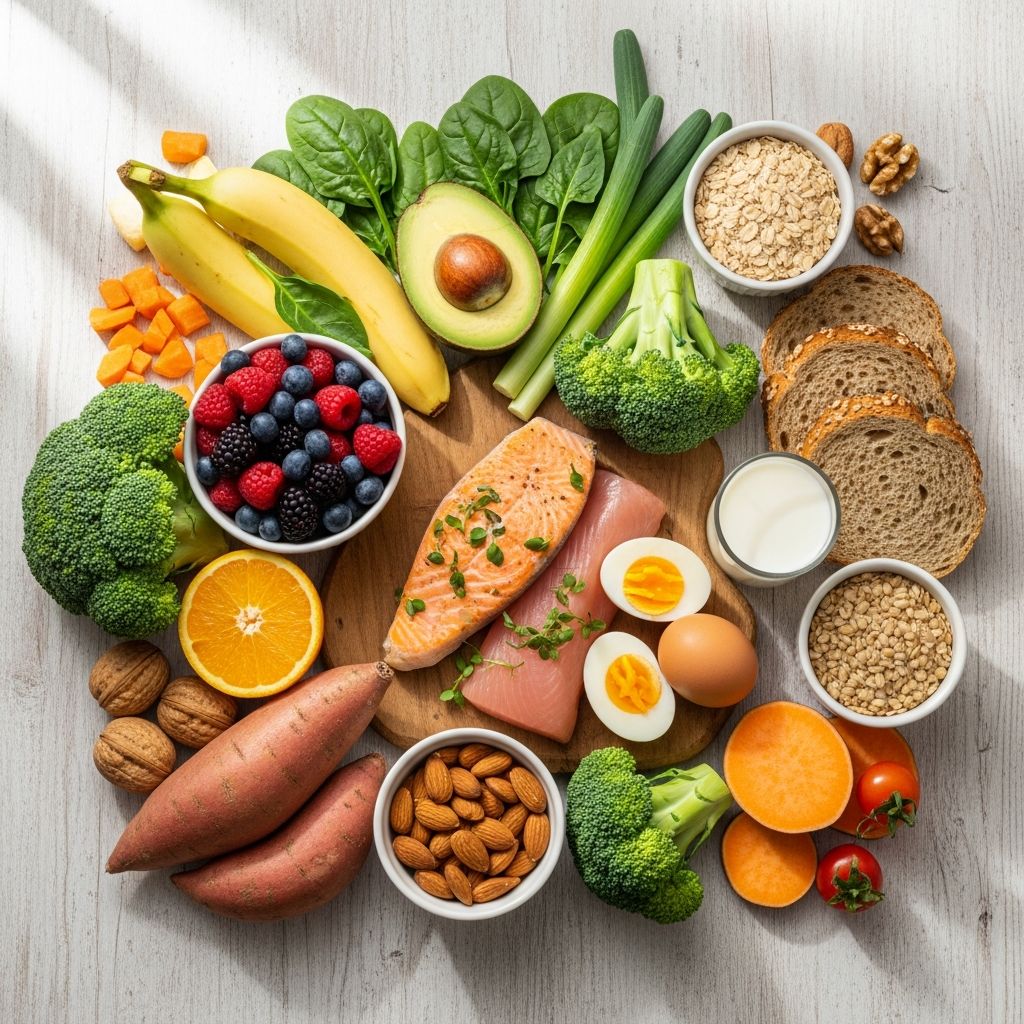
A nutrient-dense diet supports placental function, fetal organ formation, and maternal energy. Aim for 300 extra calories daily in the second and third trimesters, focusing on whole foods.
Essential nutrients include:
| Nutrient | Daily Need | Sources | Benefits |
|---|---|---|---|
| Folic Acid | 600 mcg | Leafy greens, fortified cereals, beans | Prevents neural tube defects |
| Iron | 27 mg | Lean meats, spinach, lentils | Supports blood volume increase |
| Calcium | 1,000 mg | Dairy, fortified plant milks, broccoli | Bone development |
| DHA (Omega-3) | 200-300 mg | Low-mercury fish like salmon | Brain and eye growth |
| Protein | 71 g | Eggs, nuts, poultry | Tissue building |
Avoid raw/undercooked meats, unpasteurized dairy, high-mercury fish (shark, swordfish), and limit caffeine to 200 mg daily. Safe food handling prevents toxoplasmosis and listeria. Prenatal vitamins bridge gaps, but whole foods are ideal.
Staying Active: Exercise for Maternal and Fetal Benefits
Moderate exercise—150 minutes weekly—lowers risks of gestational diabetes, preeclampsia, and cesarean delivery while boosting mood and stamina. Suitable activities include walking, swimming, prenatal yoga, and stationary cycling.
- Start slow if new to exercise; aim for 20-30 minutes most days.
- Stay hydrated, avoid overheating, and stop if dizzy, short of breath, or experiencing pain.
- Pelvic floor exercises (Kegels) strengthen muscles for labor and recovery.
Consult your provider before starting, especially with high-risk factors.
Managing Common Discomforts and Warning Signs
Pregnancy brings changes like nausea, fatigue, back pain, and swelling. Combat nausea with small, frequent meals; ginger or vitamin B6; and rest. For constipation, increase fiber and water intake. Heartburn responds to smaller meals and propping up while sleeping.
Recognize serious signs requiring immediate care:
- Severe headaches, vision changes, or upper abdominal pain (preeclampsia).
- Vaginal bleeding, fluid leakage, or decreased fetal movement.
- Sudden swelling, chest pain, or difficulty breathing.
Track fetal kicks from 28 weeks: 10 movements in 2 hours.
Emotional Wellness and Mental Health Support
Hormonal shifts can trigger anxiety or depression, affecting 10-15% of pregnancies. Screenings at routine visits help; therapy, support groups, or medication may be advised. Practice mindfulness, connect with loved ones, and prioritize sleep (7-9 hours). Addressing social needs like housing or finances improves outcomes.
Substance Avoidance and Safe Habits
No alcohol—linked to fetal alcohol spectrum disorders. Quit smoking/vaping to prevent low birth weight and preterm birth. Steer clear of cannabis and recreational drugs. Limit medications to provider-approved ones; discuss all supplements.
Safe travel: Wear seatbelts low under the belly, avoid long trips post-36 weeks, and stay hydrated on flights.
Preparing for Labor, Delivery, and Beyond
By third trimester, pack a hospital bag with essentials: ID, comfort items, newborn clothes. Discuss birth plans, pain options (epidural, nitrous), and newborn care. Group B strep screening at 36 weeks guides antibiotic use during labor.
Postpartum, monitor for hemorrhage, infection, or mood changes. Breastfeeding support, contraception discussions, and 6-week checkups aid recovery.
Frequently Asked Questions
What weight gain is recommended during pregnancy?
25-35 pounds for normal BMI; adjust based on starting weight. Focus on steady gain: 3-5 pounds first trimester, 1-2 pounds weekly after.
Is sex safe during pregnancy?
Yes, for low-risk pregnancies; it doesn’t cause miscarriage or preterm labor. Avoid if placenta previa or preterm risk.
How much sleep do I need?
7-9 hours nightly. Use pillows for side-sleeping after 20 weeks to optimize blood flow.
Can I dye my hair or get a manicure?
Generally safe after first trimester with ventilation; use ammonia-free products.
What if I have gestational diabetes?
Manage with diet, exercise, monitoring; insulin if needed. It resolves post-delivery but raises future type 2 risk.
References
- Comprehensive Pregnancy Care: A Guide to Ensuring Maternal and Fetal Health — Raveco Medical. 2023. https://www.raveco.com/blog/comprehensive-pregnancy-care-a-guide-to-ensuring-maternal-and-fetal-health
- Healthy Pregnancy Guide — Cleveland Clinic. 2020. https://my.clevelandclinic.org/-/scassets/files/org/obgyn/healthy-pregnancy-guide-20.pdf
- During Pregnancy — Centers for Disease Control and Prevention (CDC). 2025. https://www.cdc.gov/pregnancy/during/index.html
- Dos and Don’ts of Pregnancy — UPMC. 2024. https://www.upmc.com/services/womens-health/services/obgyn/obstetrics/pregnancy/journey
- Your Guide to a Healthy Pregnancy — Government of Canada. 2023. https://www.canada.ca/en/public-health/services/health-promotion/healthy-pregnancy/healthy-pregnancy-guide.html