Understanding Iron’s Critical Role During Pregnancy
Iron becomes significantly more important during pregnancy as your body undergoes dramatic physiological changes to support both maternal health and fetal development. Pregnant women require approximately 27 milligrams of iron daily, compared to 18 milligrams for non-pregnant adults. This increased demand reflects the body’s need to expand blood volume by nearly 50 percent to supply oxygen to the developing placenta and fetus.
The iron you consume serves multiple essential functions during pregnancy. It facilitates the production of hemoglobin, the protein in red blood cells responsible for transporting oxygen throughout your body and delivering it to your growing baby. Additionally, the iron stores you build during pregnancy transfer to your fetus, providing reserves that will sustain your baby during the critical first six months of life. This early iron accumulation is particularly vital for proper neurological development and cognitive function.
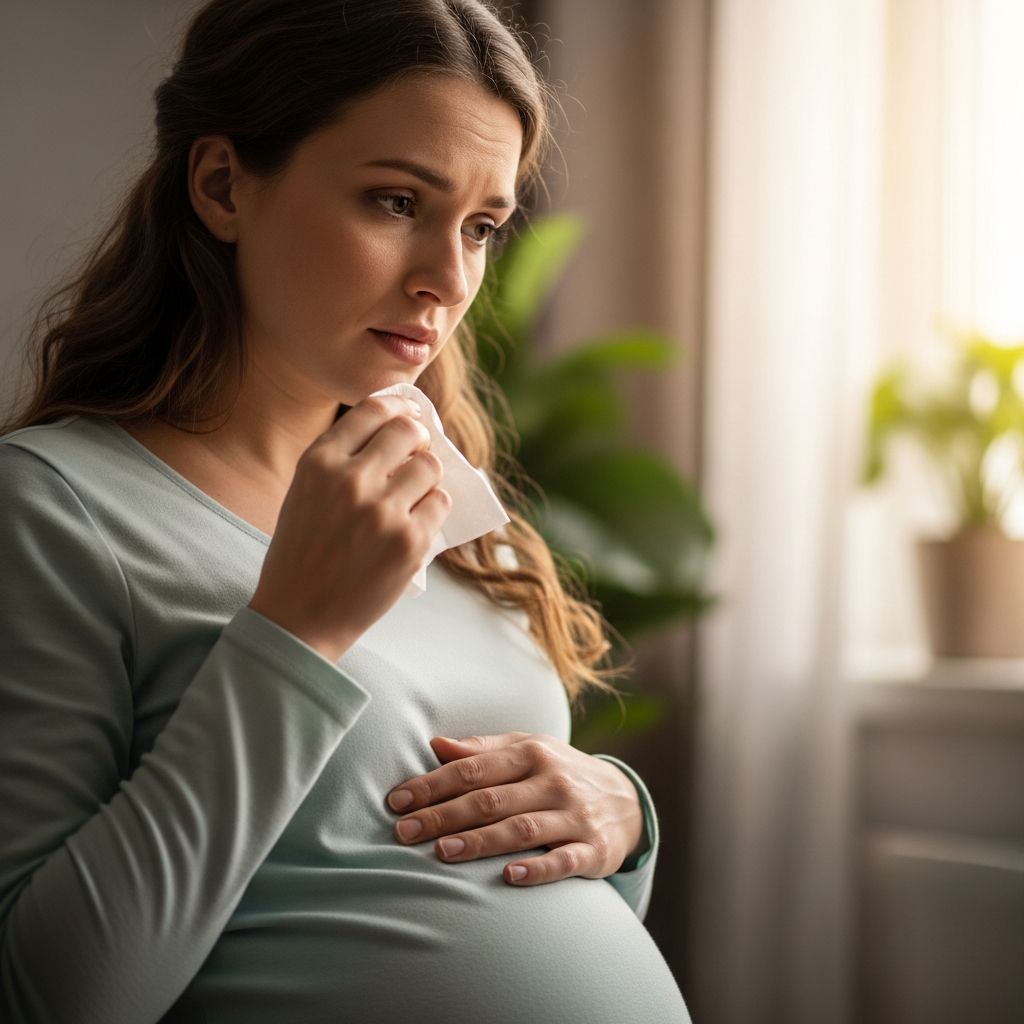
Inadequate iron intake during pregnancy can lead to iron-deficiency anemia, a condition associated with serious complications including low birth weight, premature delivery, and increased maternal fatigue and weakness. Understanding which foods provide adequate iron and how to optimize absorption becomes essential for every expectant mother.
Heme Iron Sources: Animal-Based Options
Animal-based iron, known as heme iron, offers superior bioavailability compared to plant sources, meaning your body absorbs and utilizes it more efficiently. Including heme iron sources in your pregnancy diet provides a straightforward strategy for meeting daily iron requirements.
Meat and Poultry
Lean red meats represent among the most concentrated iron sources available, providing approximately 2-3 milligrams of iron per 100-gram serving. Ground beef, sirloin, and chuck roasts all offer excellent iron content while fitting easily into familiar meals. Chicken and turkey, while containing less iron than beef, still contribute meaningful amounts—approximately 1 milligram per serving—and offer the advantage of being lower in saturated fat.
Seafood Options
Certain seafood varieties deliver exceptional iron concentrations. Oysters and clams rank among the highest iron-containing foods available, with cooked oysters providing up to 8 milligrams per serving. Sardines deliver approximately 2.7 milligrams per 120-gram serving, alongside beneficial omega-3 fatty acids. For pregnant women who enjoy seafood and are mindful of mercury content limitations, these options provide nutrient-dense alternatives to higher-mercury fish varieties.
Eggs and Other Animal Products
Eggs contribute approximately 1-2 milligrams of iron per serving and offer the advantage of versatility across meals and preparation methods. While liver represents an exceptionally rich iron source, many healthcare providers recommend limiting or avoiding liver during pregnancy due to its high vitamin A content, which may pose risks in excessive quantities.
Plant-Based Iron Sources: Building a Vegetarian Strategy
Non-heme iron from plant sources presents a different absorption profile than animal-based iron, typically achieving 2-20 percent bioavailability compared to 15-35 percent for heme iron. However, strategic pairing with complementary nutrients significantly enhances absorption, allowing vegetarian and vegan pregnant women to meet their iron requirements through careful food selection.
Legumes and Plant Proteins
Beans, lentils, and peas form the foundation of plant-based iron intake. White beans provide approximately 8 milligrams of iron per canned serving, kidney beans deliver about 3.2 milligrams per 150-gram portion, and lentils contribute 3 milligrams when cooked. Chickpeas, black-eyed peas, and baked beans all offer similar iron densities, making legumes accessible, affordable, and versatile for meal planning. Tofu, a soy-based protein, provides 3-4.9 milligrams of iron per serving, offering an alternative protein source for those with legume preferences or restrictions.
Whole Grains and Fortified Cereals
Fortified breakfast cereals represent one of the most efficient iron sources available, with some varieties delivering up to 18 milligrams per 30-gram serving—the entire daily requirement in a single portion. Enriched and whole-grain breads provide 1.8-2.4 milligrams per serving, while enriched pasta and brown rice contribute meaningful quantities when consumed regularly. These staple foods integrate easily into everyday meals, making them practical components of a pregnancy nutrition strategy.
Vegetables and Fruits
Dark leafy greens including spinach, kale, collards, and chard deliver iron, though cooked spinach (3 milligrams per serving) provides more bioavailable iron than raw varieties. Beet greens, dandelion greens, and other bitter greens add nutritional variety while contributing iron. Dried fruits such as raisins, prunes, dried apricots, and figs offer concentrated iron along with beneficial fiber, addressing both nutritional and digestive concerns common during pregnancy. Fresh fruits like strawberries contribute modest iron amounts alongside vitamin C, which enhances absorption.
Seeds and Nuts
Pumpkin seeds, sunflower seeds, and tahini (sesame seed paste) provide approximately 1-3 milligrams of iron per serving, offering convenient snack options or recipe ingredients. Cashews and pistachios, while lower in iron than seeds, contribute to overall daily intake alongside providing healthy fats and minerals.
Optimizing Iron Absorption: The Vitamin C Connection
Understanding absorption mechanics allows you to maximize the iron content of foods you already consume. Vitamin C dramatically enhances non-heme iron absorption, potentially increasing bioavailability five-fold when consumed together. This scientific principle offers practical applications for meal planning.
Strategic Food Pairing Strategies
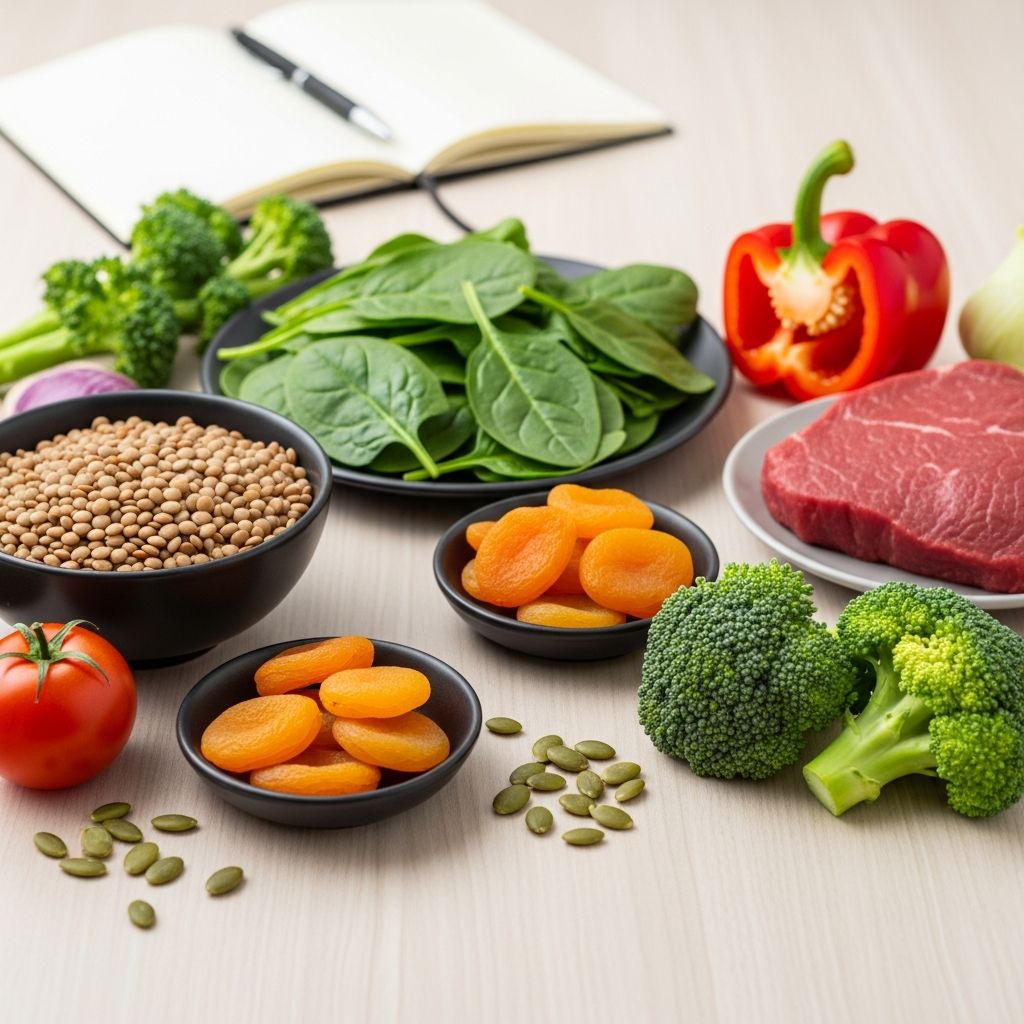
Pair iron-rich plant foods with vitamin C sources throughout your meals. Add strawberries to spinach salads, combine lentil dishes with tomato-based sauces, serve beans with bell pepper medleys, or include broccoli alongside whole-grain pasta with beans. Citrus fruits—oranges, grapefruits, and kiwis—work effectively as meal components or post-meal snacks. Bell peppers, Brussels sprouts, cauliflower, and parsley all provide substantial vitamin C alongside other pregnancy-supporting nutrients.
Beverages and Absorption Inhibitors
Conversely, certain beverages significantly impair iron absorption and warrant careful timing during pregnancy. Tea and coffee, including decaffeinated varieties, contain compounds that reduce iron bioavailability when consumed with meals. For pregnant women managing iron-deficiency anemia, the recommendation typically involves consuming iron-containing foods and supplements separate from caffeine-containing beverages by at least two hours. Calcium supplements can similarly interfere with iron absorption if consumed simultaneously, suggesting the wisdom of spacing doses throughout the day.
Sample Meal Planning Approaches
Breakfast Foundation
Begin your day with iron-fortified cereal combined with strawberries or raisins and milk or plant-based alternative, immediately meeting approximately 20 milligrams of iron while including vitamin C from fruit. Alternatively, scrambled eggs with whole-grain toast and orange juice provides heme iron, vitamin C, and sustained energy for morning activities.
Lunch and Dinner Ideas
A spinach salad topped with chickpeas, bell peppers, and a citrus vinaigrette combines multiple iron sources with enhancement from vitamin C. Grilled chicken with roasted sweet potatoes and broccoli delivers heme iron alongside vegetables and vitamin C. Bean-based soups featuring white beans, kidney beans, or lentils paired with whole-grain bread and fresh fruit provide satisfying, iron-complete meals.
Snacking Strategy
Between-meal snacks featuring almonds, cashews, dried apricots, or a peanut butter and whole-grain bread combination sustain energy while contributing iron. Dark chocolate, containing approximately 3-4 milligrams of iron per ounce, offers an enjoyable iron source alongside antioxidants, though portion control maintains appropriate calorie intake.
Special Considerations and Individual Needs
Multiple Pregnancies
Women carrying twins, triplets, or higher multiples face increased iron demands, potentially requiring up to 60 milligrams daily compared to the standard 27-milligram recommendation. These pregnancies typically necessitate more aggressive dietary iron intake or supplementation strategies, requiring consultation with healthcare providers for personalized approaches.
Pre-Existing Anemia
Pregnant women with documented iron-deficiency anemia prior to conception or diagnosed during early pregnancy assessments may require supplemental iron beyond dietary sources. Healthcare providers can recommend appropriate supplementation while monitoring absorption and managing common side effects such as constipation through dietary fiber increases and hydration strategies.
Vegetarian and Vegan Pregnancies
Expectant mothers following plant-based diets require particularly thoughtful planning to ensure adequate iron intake. Emphasizing legumes, fortified grains, seeds, and consistent vitamin C pairing becomes essential. Tempeh, quinoa, and iron-fortified plant-based milk alternatives expand available options, though some healthcare providers recommend supplemental iron monitoring for vegetarian-pregnant women to ensure serum levels remain adequate.
Frequently Asked Questions
Q: What is the exact daily iron requirement during pregnancy?
A: Pregnant women require 27 milligrams of iron daily according to current medical guidelines, though those carrying multiples may need up to 60 milligrams. Women with pre-existing anemia may require higher amounts determined by healthcare providers based on individual assessment.
Q: Does my prenatal vitamin contain sufficient iron?
A: Most prenatal vitamins contain approximately 27 milligrams of iron, though not all formulations include iron. Verify your specific supplement’s ingredient list, and discuss with your healthcare provider whether additional supplementation is necessary based on dietary intake and blood work results.
Q: Can I get enough iron from food alone without supplements?
A: Yes, many pregnant women successfully meet iron requirements through thoughtful dietary planning, particularly when including both heme and non-heme sources with strategic vitamin C pairing. However, individual absorption efficiency, pre-existing anemia, and dietary restrictions may necessitate supplementation, which your healthcare provider can recommend.
Q: Which foods should I avoid due to iron considerations?
A: Most iron-rich foods are safe during pregnancy. However, liver should generally be limited due to high vitamin A content, and certain high-mercury fish may warrant caution due to other pregnancy considerations rather than iron content. Always consult your healthcare provider about individual food safety questions.
Q: How can I manage constipation caused by iron supplements?
A: Increase dietary fiber through whole grains, legumes, fruits, and vegetables; consume adequate water; and maintain physical activity as tolerated. Your healthcare provider may recommend stool softeners or alternative iron formulations if constipation becomes problematic.
Q: Does cooking method affect iron content in foods?
A: Cooking generally does not significantly reduce iron content, though some nutrient loss may occur in water-based cooking methods. However, cooked spinach delivers more bioavailable iron than raw spinach, making cooking methods potentially advantageous for certain vegetables.
References
- Iron-Rich Foods for Your Pregnancy — American Pregnancy Association. 2024. https://americanpregnancy.org/healthy-pregnancy/pregnancy-health-wellness/iron-rich-foods-for-your-pregnancy/
- Food Full of Iron for Pregnancy — The Bump. 2024. https://www.thebump.com/a/food-full-of-iron-for-pregnancy
- 14 Iron-Rich Foods For Pregnancy — Kin Fertility. 2024. https://kinfertility.com.au/blog/iron-rich-foods-for-pregnancy
- Iron in Pregnancy — Tommy’s. 2024. https://www.tommys.org/pregnancy-information/im-pregnant/nutrition-in-pregnancy/iron-pregnancy
- Iron is Important During Pregnancy — Oklahoma State University Extension. 2024. https://extension.okstate.edu/fact-sheets/iron-is-important-during-pregnancy.html
- Pregnancy Diet: Focus on These Essential Nutrients — Mayo Clinic. 2024. https://www.mayoclinic.org/healthy-lifestyle/pregnancy-week-by-week/in-depth/pregnancy-nutrition/art-20045082
- Anemia and Pregnancy — UCSF Health. 2024. https://www.ucsfhealth.org/education/anemia-and-pregnancy