Proper nutrition during pregnancy plays a pivotal role in supporting both maternal well-being and the healthy development of the fetus. A balanced diet rich in essential nutrients helps prevent complications, promotes steady weight gain, and lays the foundation for the baby’s growth. Expectant mothers should aim for a varied intake of fruits, vegetables, whole grains, lean proteins, and dairy, while staying hydrated and mindful of food safety.
Core Principles of a Pregnancy-Friendly Diet
Maintaining a nutrient-dense diet throughout pregnancy ensures the body meets increased demands for energy, vitamins, and minerals. Unlike popular myths, pregnant women do not need to ‘eat for two’ in terms of calorie volume but rather focus on quality. Caloric needs increase modestly: about 340 extra calories daily in the second trimester and 450 in the third. Emphasize whole foods over processed items to maximize benefits.
- Consume a rainbow of fruits and vegetables for antioxidants and fiber.
- Incorporate whole grains for sustained energy and B vitamins.
- Choose lean proteins to support tissue growth.
- Include dairy or fortified alternatives for bone-building calcium.
- Stay hydrated with at least 8-12 cups of water daily to aid digestion and amniotic fluid production.
Key Macronutrients for Fetal Growth
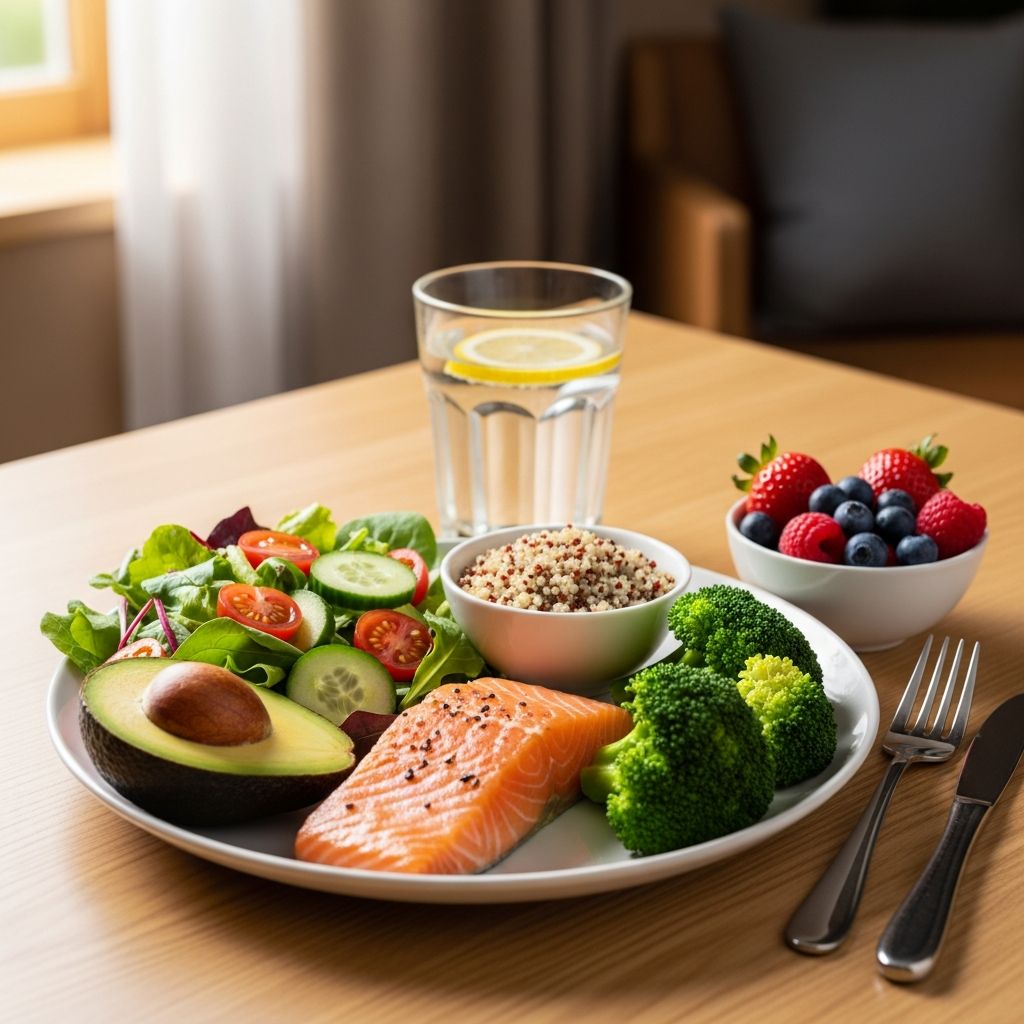
Macronutrients—proteins, carbohydrates, and fats—form the backbone of a pregnancy diet. Protein intake should rise to 71 grams per day to facilitate fetal tissue development, placental growth, and expanded maternal blood volume. Carbohydrates, comprising 45-64% of calories, provide quick energy; opt for complex sources like quinoa and oats. Fats should make up 20-35% of intake, prioritizing healthy omega-3s from fish for brain development.
| Macronutrient | Daily Recommendation | Top Food Sources |
|---|---|---|
| Protein | 71g/day | Lean meat, eggs, lentils, salmon, peanut butter |
| Carbohydrates | 45-64% of calories | Whole grains, fruits, vegetables |
| Fats | 20-35% of calories | Avocados, nuts, fatty fish |
Vital Micronutrients and Their Roles
Micronutrients are crucial in small amounts but have outsized impacts. Folate, or folic acid, prevents neural tube defects; aim for 600 mcg daily from fortified cereals, leafy greens, and supplements. Iron (27 mg/day) combats anemia by supporting red blood cell production for oxygen transport to the fetus. Calcium (1,000 mg/day) builds the baby’s bones and teeth, sourced from dairy and greens.
Other essentials include iodine (220 mcg) for thyroid function and brain development, choline (450 mg) for neural growth, and vitamin D for calcium absorption. Prenatal vitamins bridge gaps, typically providing 400-600 mcg folic acid, 27 mg iron, and other basics.
| Nutrient | Daily Need | Benefits | Food Examples |
|---|---|---|---|
| Folate/Folic Acid | 600 mcg | Prevents birth defects | Leafy greens, fortified cereals, beans |
| Iron | 27 mg | Oxygen delivery | Red meat, spinach, fortified cereals |
| Calcium | 1,000 mg | Bone health | Yogurt, milk, salmon with bones |
| Choline | 450 mg | Brain/spine development | Eggs, beef, peanuts |
| Iodine | 220 mcg | Brain development | Iodized salt, dairy, seafood |
Hydration and Its Importance
Water intake is often overlooked but vital during pregnancy. The body requires more fluids to produce extra blood volume (up to 50% increase), support kidney function, and prevent constipation. Target 8-12 cups (64-96 oz) daily, adjusting for activity and climate. Herbal teas and water-rich foods like cucumbers count toward this goal. Dehydration can lead to preterm labor risks, so sip consistently rather than gulping large amounts at once.
Foods to Embrace and Sample Meal Plans
Build meals around nutrient powerhouses. A typical day might include oatmeal with berries for breakfast (folate, fiber), a spinach salad with grilled chicken and quinoa for lunch (iron, protein), yogurt with nuts as a snack (calcium, healthy fats), and baked salmon with sweet potatoes for dinner (omega-3s, vitamin A).
- Breakfast: Smoothie with spinach, banana, yogurt, and chia seeds.
- Lunch: Lentil soup with whole-grain bread and orange slices.
- Dinner: Stir-fried tofu with broccoli, brown rice, and bell peppers.
- Snacks: Apple with peanut butter, carrot sticks, or hard-boiled eggs.
Vegetarians can thrive by combining beans, nuts, and fortified foods; vegans may need B12 and D supplements.
Foods and Habits to Avoid
Certain items pose risks due to bacteria, toxins, or contaminants. Skip raw/undercooked meats, unpasteurized dairy, and high-mercury fish like shark or swordfish to prevent listeria, toxoplasmosis, or developmental harm. Limit caffeine to 200 mg daily (one 12-oz coffee) and avoid alcohol entirely, as it crosses the placenta and risks fetal alcohol spectrum disorders.
- Raw sushi or oysters.
- Soft cheeses like brie unless pasteurized.
- Excessive processed sugars and fats.
- Unwashed produce.
Navigating Common Dietary Challenges
Morning sickness may deter eating; try small, frequent meals with ginger or crackers. Heartburn calls for smaller portions and avoiding spicy foods. Constipation improves with fiber (25-30g/day) and hydration. Consult a healthcare provider for personalized advice, especially with conditions like gestational diabetes.
Frequently Asked Questions (FAQs)
Can I follow a vegetarian diet during pregnancy?
Yes, with planning. Focus on eggs, dairy, legumes, nuts, and fortified foods for protein, iron, and B12. Supplements may be necessary.
How much weight should I gain?
Depends on pre-pregnancy BMI: 28-40 lbs for normal weight. Steady gain supports fetal health without excess.
Are prenatal vitamins enough?
They supplement but don’t replace a balanced diet. Pair with nutrient-rich foods for best results.
Is caffeine safe?
Limited to 200 mg/day; monitor sources like coffee, tea, and chocolate.
What if I crave unhealthy foods?
Indulge moderately with healthier swaps, like baked chips over fried.
Long-Term Benefits of Prenatal Nutrition
Investing in good habits now reduces risks of preeclampsia, low birth weight, and postpartum recovery issues. It also models healthy eating for your child. Track progress with a food journal and regular check-ups.
References
- Nutrition Recommendations in Pregnancy and Lactation — National Institutes of Health (PMC). 2016-11-10. https://pmc.ncbi.nlm.nih.gov/articles/PMC5104202/
- Healthy Eating During Pregnancy — American College of Obstetricians and Gynecologists (ACOG). 2023-05-01. https://www.acog.org/womens-health/faqs/healthy-eating-during-pregnancy
- Pregnancy diet: Focus on these essential nutrients — Mayo Clinic. 2024-02-15. https://www.mayoclinic.org/healthy-lifestyle/pregnancy-week-by-week/in-depth/pregnancy-nutrition/art-20045082
- Nutritional & Exercise Guidelines for Natural Birth — George Washington University (gwdocs). 2023-08-20. https://gwdocs.com/specialties/midwifery-services/nutrition-exercise-guidelines-for-natural-birth
- Dietary Advice Before and During Pregnancy — U.S. Food and Drug Administration (FDA). 2024-01-12. https://www.fda.gov/food/people-risk-foodborne-illness/dietary-advice-and-during-pregnancy
- Have a healthy diet in pregnancy — National Health Service (NHS). 2023-11-05. https://www.nhs.uk/pregnancy/keeping-well/have-a-healthy-diet/
- Build a Healthy Eating Routine When You’re Pregnant or Breastfeeding — USDA Dietary Guidelines. 2021-12-01. https://www.dietaryguidelines.gov/sites/default/files/2021-12/DGA_Pregnancy_FactSheet-508c.pdf