Why Lunch Matters for Babies and Toddlers
Providing balanced and nutritious lunches is essential for supporting your baby or toddler’s growth, development, and energy levels throughout the day. Meals should include a mix of protein, healthy fats, fruits, vegetables, dairy, and whole grains to ensure a wide range of nutrients.
Building Blocks of a Balanced Lunch
- Protein: Include sources like cooked chicken, turkey, beans, lentils, tofu, eggs, or fish to support muscle and brain development.
- Healthy Fats: Avocados, nut butters, olive oil, and ground seeds are excellent for brain health and energy.
- Fruits and Vegetables: Offer a colorful variety of fresh, frozen, or canned fruits and vegetables to boost vitamins and fiber.
- Dairy or Alternatives: Whole milk, yogurt, cheese, or fortified non-dairy options provide calcium and vitamin D.
- Whole Grains: Choose whole grain bread, pasta, rice, oats, or quinoa for sustained energy.
Simple and Creative Lunch Ideas
Here are several lunch ideas that are easy to prepare, nutritious, and appealing to young children:
Protein-Packed Wraps and Sandwiches
- Whole wheat tortilla with hummus, shredded chicken, and spinach
- Mini pita pockets filled with avocado tuna salad
- Whole grain bread with nut butter and banana slices
- Toast topped with mashed beans and grated cheese
Grain-Based Bowls and Salads
- Whole wheat pasta with white beans and tomato sauce
- Couscous mixed with salmon, yogurt, and peas
- Quinoa salad with chopped vegetables and chickpeas
- Leftover rice with scrambled eggs and frozen veggies
Vegetable and Egg Creations
- Veggie omelette with potatoes and cheese
- Scrambled eggs with chopped tomatoes and toast
- Broccoli and cheddar egg cups
- Spinach waffles with a side of fruit
Snack-Style Lunches
- Yogurt with mixed berries and a sprinkle of granola
- Cottage cheese with diced fruit
- Veggie sticks with hummus or nut butter
- Mini muffins with savory vegetables
Meal Planning Tips for Busy Parents
Planning ahead can make lunchtime easier and more enjoyable for both parents and children:
- Prepare batches of meals or snacks in advance and freeze for quick reheating.
- Use leftovers creatively—turn last night’s dinner into a new lunch option.
- Keep a variety of fruits, vegetables, and proteins on hand for quick assembly.
- Involve your child in meal prep to encourage interest in healthy foods.
Sample Lunch Table
| Day | Main Dish | Side | Dairy |
|---|---|---|---|
| Monday | Whole wheat pasta with beans and tomato sauce | Steamed carrots | Yogurt |
| Tuesday | Avocado tuna salad in mini pita pockets | Apple slices | Cheese cubes |
| Wednesday | Veggie omelette with potatoes | Cherry tomatoes | Milk |
| Thursday | Quinoa salad with chickpeas and veggies | Orange segments | Cottage cheese |
| Friday | Broccoli and cheddar egg cups | Blueberries | Yogurt |
Frequently Asked Questions
How much food should I serve at lunch?
Portion sizes vary by age and appetite, but a general guideline is ¼ to ½ cup of grains, ¼ to ½ cup of fruit, ¼ to ½ cup of vegetables, and 1–2 ounces of protein per meal.
Can I use frozen vegetables?
Yes, frozen vegetables are a convenient and nutritious option—just make sure to steam or cook them until soft for younger children.
How can I make lunch more appealing to picky eaters?
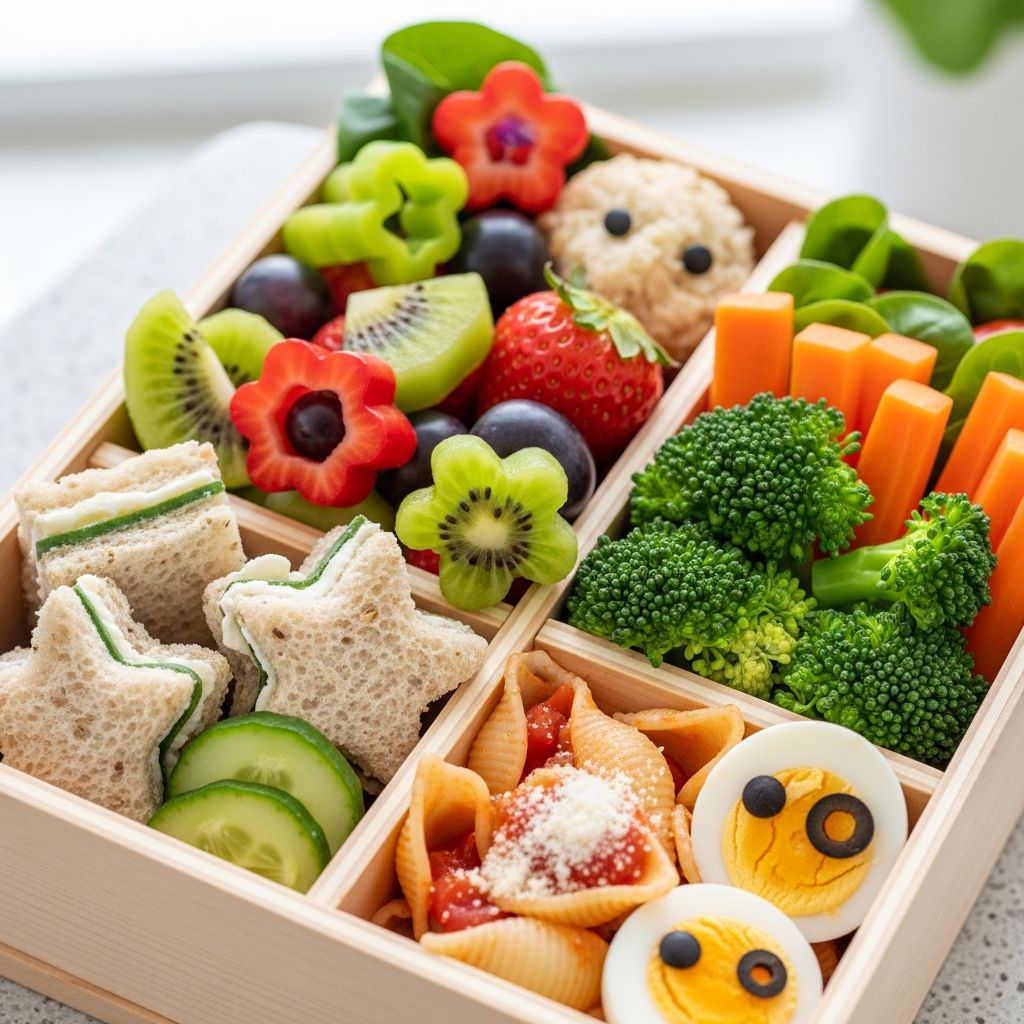
Try presenting food in fun shapes, mixing textures, and involving your child in choosing ingredients or helping with simple prep tasks.
Are nut butters safe for toddlers?
Nut butters are a healthy source of fat and protein, but always check for allergies and use smooth varieties to reduce choking risk.
What if my child refuses certain foods?
It’s normal for toddlers to be picky. Offer a variety of foods regularly, and don’t force eating—children often try new foods after repeated exposure.
Final Thoughts
Creating nutritious and enjoyable lunches for babies and toddlers doesn’t have to be complicated. By focusing on balanced ingredients, simple preparation, and a bit of creativity, you can help your child develop healthy eating habits that last a lifetime.