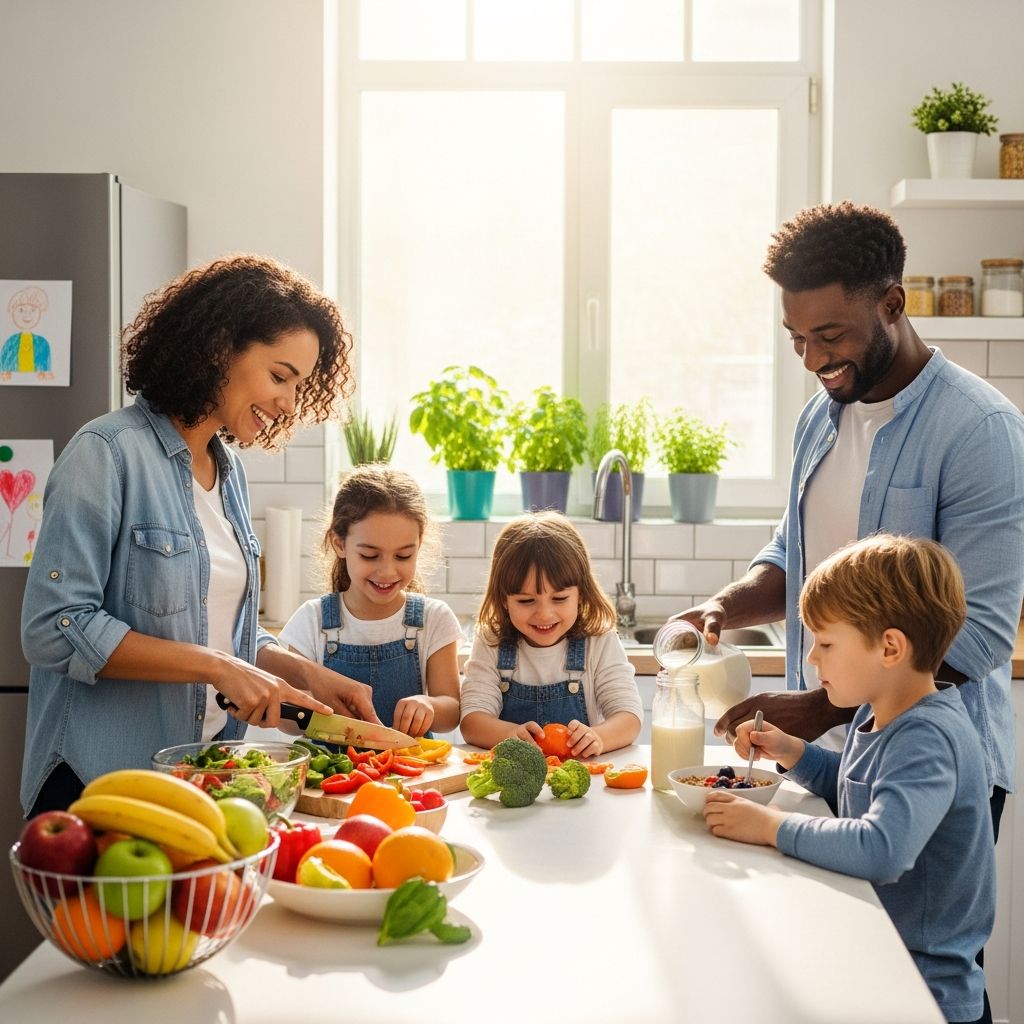
Healthy kids are not made in a day; they are shaped by small choices repeated over time. This guide translates big ideas about child health into simple, realistic habits your family can live with.
Why Healthy Habits Start at Home
Children learn what “normal” looks like by watching the adults around them. When home life includes nourishing meals, active play, good sleep, and open conversations about feelings, kids quietly absorb those routines as the default way to live. Your goal is not perfection—it is consistency with flexibility, so healthy choices feel natural rather than forced.
Parents do not need a medical degree to build a healthy foundation. What matters most is setting clear expectations, offering reasonable choices, and modeling the behaviors you want your child to repeat. Over time, these daily patterns become part of who they are, not just what they do.
Fueling Growing Bodies: Smart Nutrition for Kids
Food is the raw material for your child’s growth, energy, and brain development. Instead of chasing strict diets or “perfect” eating, focus on offering a variety of whole foods most of the time and keeping treats in balance. Kids who experience mealtimes as relaxed and predictable are more likely to be open to trying new foods.
Building a Balanced Plate
A simple way to think about meals is to picture a plate divided into sections. This visual helps you quickly check whether your child is getting a mix of nutrients, without complicated counting.
- Fill about half the plate with fruits and vegetables in different colors.
- Reserve about one quarter for whole grains like oats, brown rice, or whole wheat bread.
- Use the remaining quarter for protein sources such as beans, eggs, fish, lean meats, tofu, or yogurt.
- Add a source of healthy fat (like avocado, nuts, or olive oil) in small amounts.
Use this framework as a guide, not a strict rule. Some meals will lean more toward one food group; what matters is the overall pattern across the day or week.
Kid-Friendly Nutrition Tips for Busy Families
- Offer water as the default drink and save sugary beverages for special occasions.
- Keep pre-cut fruits and vegetables at eye level in the fridge for easy snacking.
- Serve new foods alongside familiar favorites rather than making a separate “kid meal.”
- Let kids help with simple tasks like washing produce, stirring, or choosing a vegetable at the store.
- Avoid using food as a reward or punishment; connect it to hunger, enjoyment, and energy instead.
Sample Day of Nourishing Meals
| Meal | Example | What It Provides |
|---|---|---|
| Breakfast | Oatmeal topped with sliced banana and a spoonful of peanut butter | Whole grains for lasting energy, fruit for vitamins, protein and healthy fat for fullness |
| Snack | Carrot sticks with hummus | Vegetables plus plant-based protein and fiber |
| Lunch | Turkey and cheese wrap with lettuce, tomato, and a side of apple slices | Lean protein, vegetables, whole grain wrap, and fruit |
| Snack | Plain yogurt with berries | Calcium, protein, and antioxidants |
| Dinner | Grilled fish, brown rice, steamed broccoli, and orange wedges | Protein, whole grains, fiber-rich vegetables, and vitamin C |
Movement Every Day: Turning Exercise into Play
Children are naturally wired to move, but modern life often keeps them sitting—at desks, in cars, and in front of screens. Regular physical activity supports heart health, strong bones and muscles, better sleep, and even improved mood and focus in school. The goal is at least an hour of movement most days, which can be broken into short bursts.
When activity feels like play instead of a chore, kids are more likely to stick with it. Rather than insisting on a specific sport, help your child explore different ways of moving until they find what truly excites them.
Ideas for Active Play by Setting
- Indoors: Dance parties, obstacle courses using pillows and chairs, follow-the-leader, yoga videos for kids.
- Outdoors: Tag, bike riding, scootering, nature walks, playground visits, simple backyard games.
- Organized options: Swimming lessons, martial arts, soccer, basketball, gymnastics, or community rec programs.
Making Movement a Family Habit
- Schedule activity like an appointment: a walk after dinner, a park trip on weekends, or a weekly family hike.
- Join in when you can—kids are more enthusiastic when adults participate.
- Praise effort and persistence rather than winning or being “good at” a sport.
- Keep basic gear on hand, such as a ball, jump rope, or sidewalk chalk, to make active play easy.
- Limit long stretches of sitting by encouraging movement breaks during homework or screen time.
Sleep: The Silent Superpower
Sleep is when children’s bodies grow, brains organize new information, and emotions reset. Not getting enough rest can lead to irritability, difficulty focusing, and increased illness. The exact amount of sleep needed varies by age, but most school-aged children do best with a consistent bedtime and wake time, even on weekends.
A predictable, calming routine helps signal to the brain that it is time to wind down. Over time, this pattern trains the body to fall asleep more easily and wake feeling refreshed.
Building a Bedtime Routine That Works
- Choose a target bedtime that allows enough hours of sleep before morning obligations.
- Start a wind-down routine 20–45 minutes beforehand, such as bath, pajamas, toothbrushing, and reading.
- Dim lights and turn off bright screens at least 30–60 minutes before bed.
- Keep the bedroom cool, quiet, and comfortable, using a nightlight if your child prefers.
- Reserve the bed for sleep and quiet reading rather than for homework or gaming.
Common Sleep Challenges and Simple Adjustments
| Challenge | What Might Help |
|---|---|
| “I’m not tired!” at bedtime | Gradually shift bedtime earlier by 10–15 minutes, reduce late-afternoon naps, and limit stimulating evening activities. |
| Frequent night wake-ups | Check for inconsistent routines, caffeine or sugar late in the day, or anxiety. Offer comfort without long conversations in the night. |
| Difficulty waking in the morning | Move bedtime earlier, keep wake time steady through the week, and let natural light into the room upon waking. |
Hygiene and Preventive Care: Small Steps, Big Impact
Basic hygiene is one of the simplest ways to protect kids from common illnesses. Turning tasks like handwashing and toothbrushing into routine habits reduces the spread of germs and sets the stage for healthy adult behaviors. The key is to keep expectations clear, age-appropriate, and consistent.
Preventive care also includes regular checkups and vaccinations as recommended by health professionals. These appointments help track growth, vision, hearing, and development, and they give families a chance to ask questions.
Everyday Hygiene Habits to Practice
- Wash hands with soap and water before eating, after using the bathroom, and after playing outside.
- Brush teeth twice a day and floss once daily with adult help as needed.
- Take regular baths or showers to keep skin clean, especially after heavy sweating or sports.
- Teach kids to cover coughs and sneezes with their elbow or a tissue and to dispose of tissues right away.
- Encourage changing into clean clothes and socks daily.
Emotional Well-Being and Resilience
Health is more than food and exercise; it includes how children feel and cope with stress. Emotionally healthy kids recognize their feelings, know it is okay to talk about them, and develop strategies to handle challenges. Parents can nurture this resilience through listening, validation, and steady support.
Building emotional skills early helps prevent problems like anxiety and low self-esteem from growing silently in the background. A child who feels safe, loved, and heard is better able to take on new experiences and manage everyday frustrations.
Practical Ways to Support Mental Health
- Set aside daily “check-in” time where your child can share highs and lows from their day.
- Help them name feelings (angry, disappointed, nervous, excited) instead of just labeling behavior as “good” or “bad.”
- Teach simple calming tools such as slow breathing, counting to ten, or taking a short break in a quiet spot.
- Model healthy coping by talking (briefly) about how you handle stress in your own life.
- Seek professional support if your child’s mood, sleep, or behavior changes significantly or for a long period.
Screen Time, Media, and Digital Balance
Technology is woven into modern childhood, from online learning to video chats with relatives and entertainment. Instead of banning screens altogether, focus on balance: what content your child consumes, how long they use it, and what it replaces. Screens should not consistently displace sleep, physical activity, homework, or family interaction.
Having clear, family-wide rules about media use reduces daily arguments and helps kids learn self-control. Involving them in setting those rules increases the chances they will respect them.
Creating a Family Media Plan
- Designate screen-free zones, such as the dinner table and bedrooms at night.
- Set daily or weekly time limits that fit your child’s age and needs.
- Preview apps, games, and shows when possible, and discuss what they see online.
- Encourage creative and educational uses of technology, not just passive watching.
- Turn off autoplay features to avoid endless viewing.
Making Healthy Routines Stick
Changing family habits can feel overwhelming if you try to do everything at once. Start with one or two small, specific goals and build from there. Consistency matters more than intensity, and progress is rarely a straight line.
Kids are more cooperative when routines are predictable and they feel some ownership. Visual charts, gentle reminders, and positive attention for effort can all make new habits easier to adopt.
Step-by-Step Habit-Building Strategy
- Pick one focus area. For example, earlier bedtimes or one extra serving of vegetables per day.
- Define the routine. Decide who does what, when, and where (e.g., “We brush teeth right after putting on pajamas”).
- Use visual cues. Create a simple chart or checklist your child can help design.
- Celebrate effort. Notice and praise when your child remembers or tries, not just when it is perfect.
- Review and adjust. After a couple of weeks, talk about what is working and what needs tweaking.
Frequently Asked Questions
How can I encourage a picky eater to try new foods?
Offer very small portions of new foods alongside familiar favorites, without pressure or bribes. It can take many exposures before a child accepts a new taste, so keep the mood light and focus on exploring flavors rather than “finishing the plate.” Letting kids help choose or prepare ingredients often increases their curiosity.
What if our schedule makes family meals difficult?
Shared meals do not have to happen every night or always at dinner. Aim for any regular time when your family can eat together—breakfast, weekend lunches, or even snacks—without distractions. Use those moments to connect, talk about the day, and model the way you want your child to eat.
How much screen time is too much for my child?
The healthiest amount of screen time depends on age, content, and what it replaces. A useful rule of thumb is that screens should not regularly interfere with sleep, homework, physical activity, or social interactions. If you notice behavior changes, constant battles when screens are turned off, or shrinking time for other activities, it may be time to tighten limits.
My child resists bedtime. What can I do?
Check whether bedtime is too early for your child’s natural rhythm and whether stimulating activities are happening close to lights-out. Establish a consistent wind-down routine and stick with it, even if there is some pushback at first. Calm, predictable responses work better than long negotiations or arguments.
How do I know if a habit change is helping?
Look for gradual shifts rather than instant transformation. Improvements in mood, energy, school focus, appetite, or fewer illnesses can all indicate that healthier routines are taking hold. Keep notes if needed, and discuss any ongoing concerns with a trusted health professional.
Healthy habits do not require perfection, expensive programs, or a complete lifestyle overhaul. By making small, steady changes in how your family eats, moves, sleeps, and manages stress, you give your child powerful tools they will carry into adulthood.