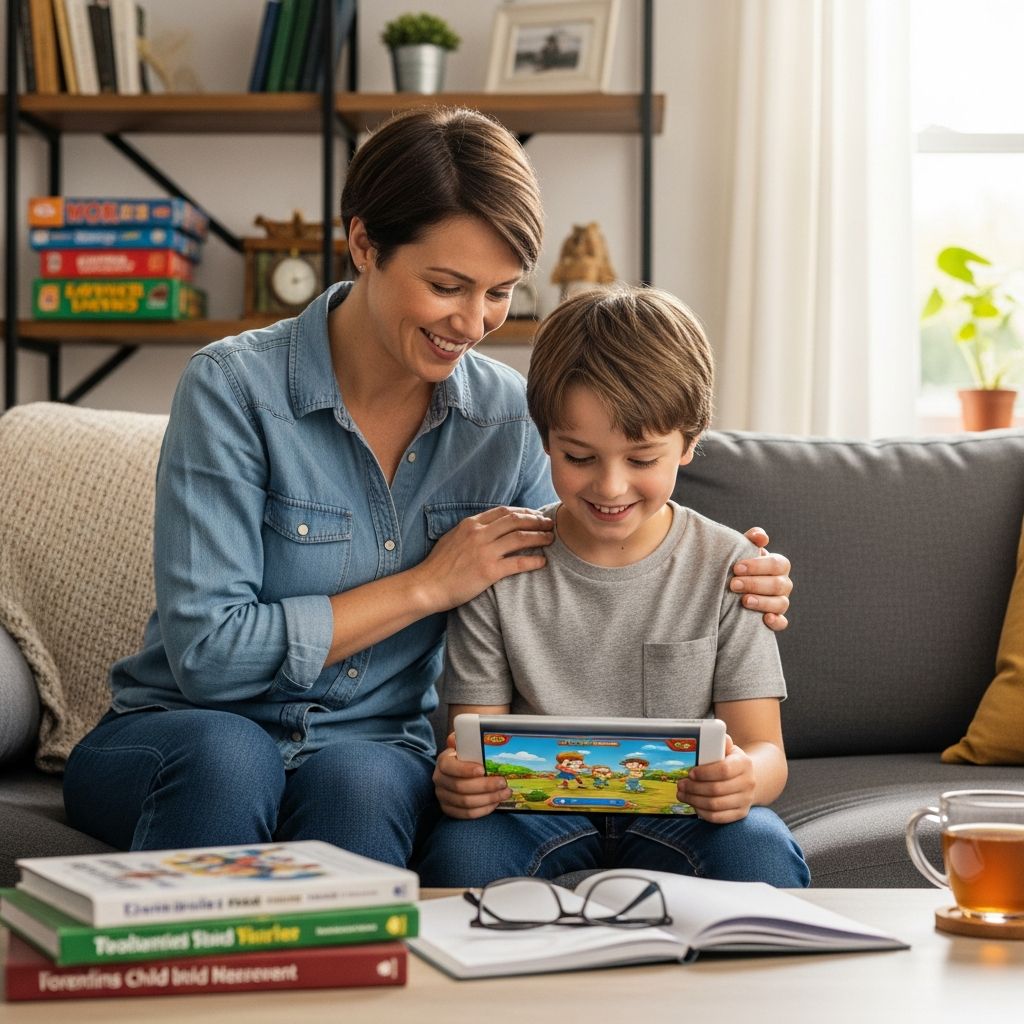
Video games captivate millions of children worldwide, offering entertainment, skill-building, and social connections. However, fostering healthy engagement requires intentional parenting to prevent issues like excessive screen time or sedentary lifestyles. This guide draws from pediatric recommendations and research to outline strategies for nurturing gamers who thrive physically, mentally, and socially.
Understanding the Upsides of Gaming for Young Minds
Gaming isn’t inherently harmful; it can enhance cognitive abilities and emotional resilience when moderated properly. Studies show that regular play among 9- and 10-year-olds correlates with improved response inhibition and working memory, key brain functions for focus and decision-making. Games often demand strategic thinking, quick reflexes, and creativity, mirroring real-world problem-solving.
Additionally, multiplayer formats build teamwork and communication skills. Children connect with peers globally, practicing cooperation in cooperative modes that emphasize collaboration over rivalry. A sense of achievement from overcoming challenges boosts self-esteem, while immersive worlds provide stress relief from daily pressures.
- Cognitive gains: Enhanced memory and impulse control per JAMA findings.
- Social benefits: Fosters friendships and group dynamics.
- Emotional perks: Achievement and relaxation opportunities.
Parents should embrace these positives to build trust, viewing gaming as a tool for growth rather than a foe.
Establishing Firm Yet Fair Time Boundaries
Clear limits form the cornerstone of healthy gaming. Pediatric experts recommend 1 hour daily for ages 2-12 and 2 hours for teens, adjusting for weekends or vacations while prioritizing school and sleep. The American Academy of Pediatrics endorses 30-60 minutes on school nights, extending to 2 hours weekends.
Create a family schedule integrating gaming after homework and chores. Use timers for enforcement, and designate screen-free zones like bedrooms and dinner tables to promote restful nights.
| Age Group | Daily Limit (School Days) | Weekend Max |
|---|---|---|
| 2-12 years | 1 hour | 2 hours |
| 13+ years (Teens) | 1-2 hours | 3 hours |
Research confirms early limits yield lasting benefits: children with content and time restrictions showed better sleep, grades, and reduced aggression by school year’s end. Involve kids in rule-setting for buy-in, turning limits into collaborative agreements.
Selecting Age-Suitable and Value-Aligned Games
Not all games suit every child. Stick to G or PG ratings from systems like ESRB, reviewing content for violence, in-app purchases, or ads before downloads. Preview games yourself or play alongside to gauge fit.
Prioritize titles promoting education, creativity, or cooperation. Avoid loot boxes mimicking gambling, which can encourage risky behaviors. Tools like Common Sense Media aid informed choices, ensuring games align with family values.
- Check ratings: G/PG for younger kids.
- Scan for purchases: Opt for upfront buys.
- Test play: Co-play to discuss themes.
Promoting Physical Movement and Eye Health
Prolonged sitting risks obesity and posture issues; counter with the 20-20-20 rule—every 20 minutes, pause 20 seconds gazing 20 feet away. Encourage standing stretches, walks, or active games like dance titles during breaks.
Balance digital play with outdoor activities. Alternate gaming with sports, reading, or family outings to combat sedentary habits. Studies link unrestricted gaming to higher obesity risk, underscoring movement’s role.
Incorporate motion-controlled consoles for built-in exercise, blending fun with fitness seamlessly.
Cultivating Open Dialogue and Emotional Insight
Active parental involvement trumps mere restrictions. Play together to bond and understand appeals, sparking talks on game choices and feelings. Model healthy habits: take breaks when frustrated, demonstrating good sportsmanship.
Foster self-reflection: Ask, “What do you enjoy? Does it meet those goals?” This builds media literacy, outperforming limits alone per research. Discuss online interactions, identifying positive communities versus toxic ones.
Watch for problematic signs like irritability sans gaming or neglected duties, addressing via compromise negotiations where kids voice needs.
Securing Online Playspaces
Multiplayer thrives on connectivity but harbors risks. Enable privacy settings, monitor chats, and teach stranger danger—never share personal info. Use parental controls on platforms for content filters and playtime caps.
Get to know online friends; require voice/video verification for trust. Promote reporting bullying or inappropriate conduct immediately. Cooperative play in vetted groups enhances safety and positivity.
Family Rituals Around Gaming
Transform gaming into bonding via weekly game nights, rotating family picks for inclusivity. Co-create a gaming contract outlining times, approved titles, and rule breaches’ consequences, signed by all.
Approach as partners: Curiosity over judgment builds long-term habits. Programs like Cherokee Creek’s structured sessions prove patience yields results, integrating gaming with outdoor balance.
Spotting and Addressing Gaming Concerns
Healthy gaming energizes; problematic drains. Red flags include declining grades, isolation, or physical complaints like headaches. If persistent, seek pediatric advice—early intervention prevents addiction.
Longitudinal data shows limits buffer against sleep loss, weight gain, and behavioral issues. Encourage diverse hobbies to diversify fulfillment sources.
Frequently Asked Questions
What are ideal daily gaming hours for kids?
For ages 2-12, limit to 1 hour; teens up to 2 hours, per Children’s Health guidelines. Adjust for weekends but enforce consistently.
Should parents game with their children?
Yes—co-playing models habits, facilitates discussions, and strengthens bonds, as advised by Raising Children Network.
How to handle kids resisting limits?
Negotiate compromises addressing both needs, empowering decision-making while maintaining structure.
Are all games safe for multiplayer?
No—prioritize cooperative, moderated servers and monitor interactions for safety.
Can gaming aid cognitive development?
Yes, JAMA research links it to better memory and inhibition in preteens.
Building Lifelong Balance
Raising healthy gamers means integration, not elimination. By setting boundaries, engaging actively, and prioritizing wellness, parents equip kids for digital fluency amid balanced lives. Consistent application of these evidence-based steps ensures gaming enhances rather than hinders growth.
References
- Healthy Gaming Tips and Advice for Parents — Kindbridge Institute. 2023. https://kindbridgeinstitute.org/healthy-gaming-tips-and-advice-for-parents/
- Healthy video gaming for children and teenagers — Raising Children Network. 2024-10-01. https://raisingchildren.net.au/pre-teens/entertainment-technology/gaming-gambling/healthy-gaming-children-teens
- Healthy Gaming Habits: A Guide for Parents — Cherokee Creek Boys School. 2023. https://cherokeecreek.net/healthy-gaming-habits-parent-guide/
- Video Gaming 101: Healthy vs Problematic Gaming — Children and Screens. 2024. https://www.childrenandscreens.org/learn-explore/research/video-gaming-101-healthy-vs-problematic-gaming/
- Healthy Gaming Habits for Kids and Teens — Children’s Health. 2024-01-15. https://www.childrens.com/health-wellness/healthy-gaming-habits-for-kids-and-teens
- 5 Ways to Set Healthy Video Game Limits for Your Kids — Virtua Health. 2023-06-20. https://www.virtua.org/articles/5-ways-to-set-healthy-video-game-limits-for-your-kids