Morning with a little one usually means feeding them before you have even thought about your own coffee. A simple rotation of easy, nutritious breakfasts can make those early hours much calmer. This guide walks through practical breakfast ideas for babies and toddlers, how to balance nutrition, and ways to keep food safe and age-appropriate without fancy recipes or special skills.
What Makes a Good Baby or Toddler Breakfast?
Breakfast does not need to be elaborate to be healthy. For babies and toddlers, think in terms of food groups and textures rather than complicated recipes. Nutrition guidelines for young children encourage including a mix of:
- Whole grains or complex carbohydrates for energy and fiber
- Protein to support growth and help them stay full
- Healthy fats for brain development
- Fruits and vegetables for vitamins, minerals, and fiber
When possible, aim to include at least three different food groups at breakfast, with one of them being a fruit or vegetable.
| Food Group | Examples for Babies | Examples for Toddlers |
|---|---|---|
| Grains / Carbs | Soft oats, well-cooked quinoa, small pieces of soft toast | Whole grain toast, low-sugar cereal, oats, pancakes, waffles |
| Protein | Egg, mashed beans, yogurt, cottage cheese | Eggs, yogurt, cottage cheese, nut or seed butters, beans, tofu |
| Healthy Fats | Avocado, full-fat yogurt, oils used in cooking | Avocado, nut butters, seeds, cheese, full-fat dairy |
| Fruit & Veg | Very soft fruit strips, mashed berries, cooked veggie pieces | Fresh fruit, lightly cooked veggies, smoothies, veggie muffins |
Breakfast Ideas for Babies (Around 6–12 Months)
Whether you are using purees, baby-led weaning, or a mix of both, breakfast can be a great time to explore new flavors. Always supervise your baby closely during mealtimes and make sure food is soft enough to mash easily with your fingers.
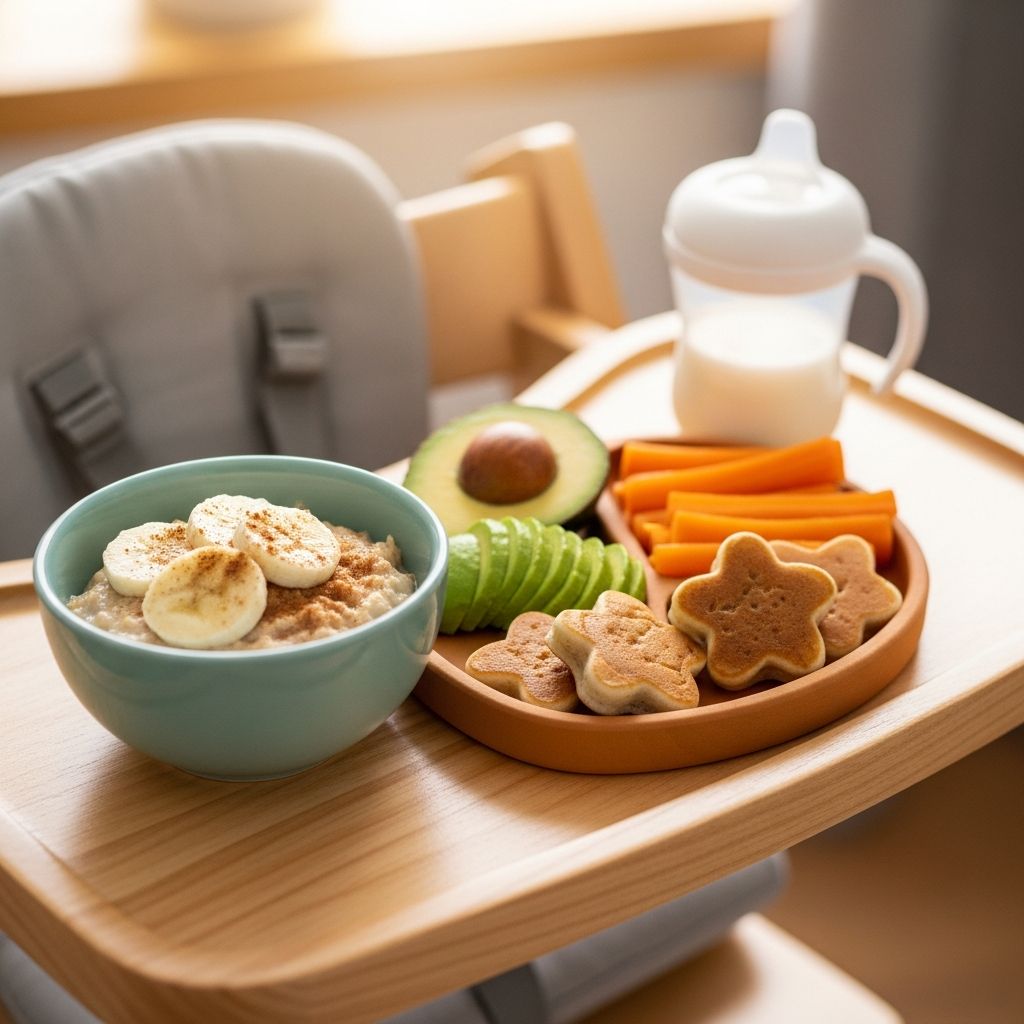
1. Soft Grain Bowls
Warm, soft grains are gentle on new eaters and are easy to customize.
- Use very soft oats, iron-fortified baby cereal, or well-cooked quinoa thinned with breastmilk, formula, or water.
- Stir in mashed fruit such as banana, pear, or berries for flavor and vitamin C.
- Add a small amount of fat, like a drizzle of oil or a spoonful of full-fat yogurt, for extra calories and satiety.
Serve slightly cooled so baby can explore with their hands or a pre-loaded spoon.
2. Gentle Egg Dishes
Eggs provide high-quality protein and choline, an important nutrient for brain development. Once eggs are safely introduced and tolerated, they can be a frequent breakfast option.
- Offer soft scrambled egg pieces that you can easily squish between your fingers.
- Mix in finely chopped, well-cooked vegetables like spinach or tomato for extra nutrients.
- Cut the eggs into strips or small clumps that baby can grasp.
Always cook eggs thoroughly to reduce the risk of foodborne illness for young children.
3. Yogurt and Fruit Combos
Plain, unsweetened yogurt is a flexible breakfast base and a good source of protein and calcium.
- Use whole-milk yogurt for infants and toddlers to support growth and brain development.
- Stir in mashed or finely chopped fruit such as berries, mango, or cooked apple.
- Sprinkle in small amounts of finely ground seeds (like chia or flax) once baby is ready for more textures.
For new eaters, keep add-ins very smooth. Avoid honey in yogurt until after age 1.
4. First Toast and Bread Ideas
Bread and toast can be part of baby-led weaning once your baby can handle finger foods. The key is softness and shape.
- Choose soft whole grain bread without large seeds or sharp crusts.
- Cut into long strips your baby can hold in their fist.
- Top with thin layers of avocado, smooth nut or seed butter thinned with yogurt, or mashed beans for extra nutrition.
Offer small sips of water in an open cup or straw cup as they eat.
Breakfast Ideas for Toddlers (1–3 Years)
As your child moves into toddlerhood, they can handle a wider variety of textures and flavors. Breakfast can often be a quicker version of the foods the rest of the family eats, with a few adjustments to size and seasoning.
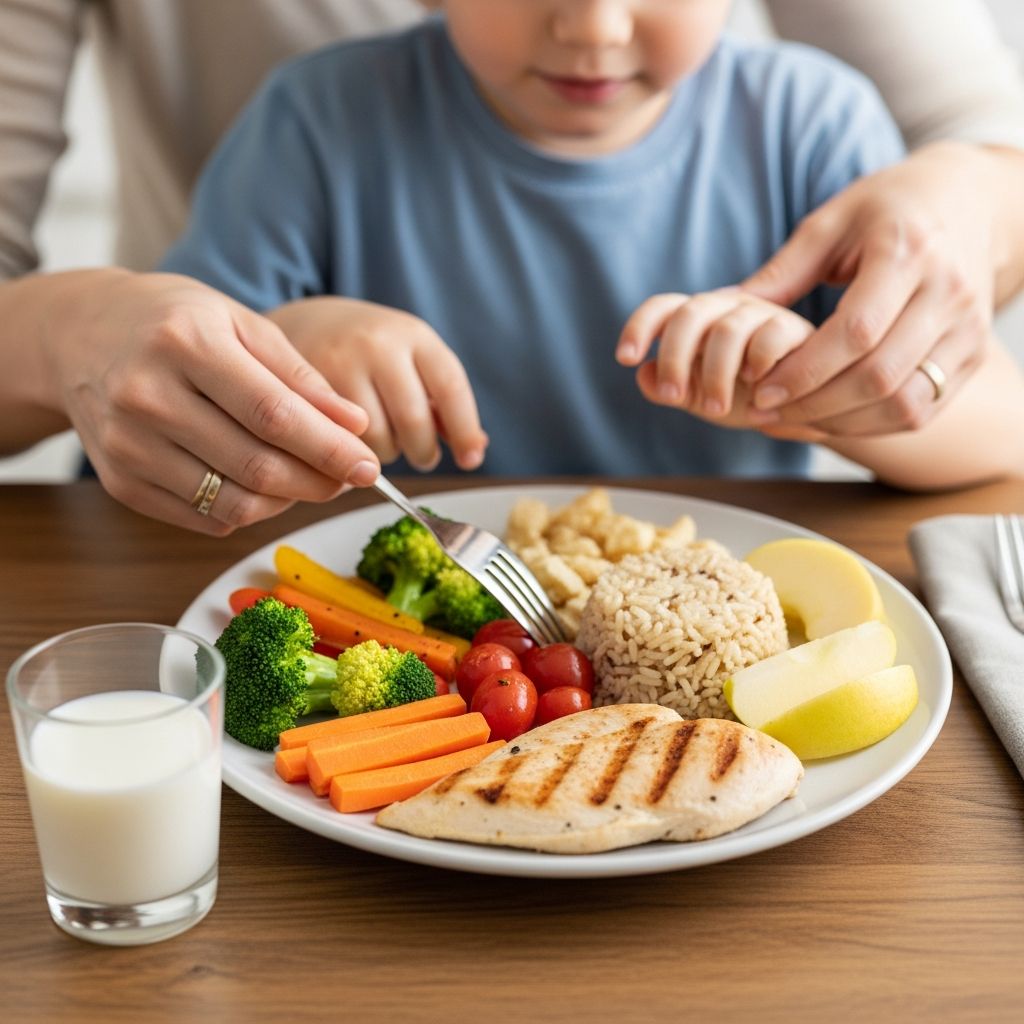
5. Mix-and-Match Breakfast Plates
A simple plate with a few small items can feel fun and flexible for toddlers:
- A small portion of whole grain toast or low-sugar cereal
- A serving of fruit such as berries, banana slices, or peeled orange segments
- One protein food: egg, yogurt, cottage cheese, nut butter, or beans
You can rotate items throughout the week so it never feels like exactly the same breakfast.
6. Oats, Overnight Oats, and Baked Oat Dishes
Oats are a convenient base for many toddler-friendly breakfasts and provide fiber and complex carbohydrates.
- Cook oats until very soft, then stir in fruit and a bit of nut butter.
- Prepare overnight oats the night before using milk or yogurt and soft add-ins like mashed fruit for a quick grab-and-serve option.
- Try baked oat cups or squares you can reheat quickly and serve with fruit on the side.
Offer a spoon alongside the oats and allow toddlers to practice self-feeding, even if it is messy.
7. Egg-Based Breakfasts
Eggs are often an easy go-to breakfast because they cook quickly and pair well with other foods.
- Serve scrambled eggs with vegetables like spinach or peppers, chopped to bite-size.
- Make mini egg muffins or baked egg squares ahead of time for fast reheating.
- Offer eggs with whole grain toast and fruit for a more complete meal.
For toddlers who dislike visible vegetables, egg muffins with finely chopped veg baked inside can be helpful.
8. Yogurt Bowls and Simple Smoothies
Yogurt and smoothies can be a helpful option on busy mornings or for toddlers who prefer softer textures.
- Yogurt bowls with fruit, a sprinkle of low-sugar granola, and soft seeds like ground flax can cover multiple food groups at once.
- A basic toddler smoothie might combine milk or yogurt, banana, another fruit, and a small amount of leafy greens or cooked vegetable.
- Offer smoothies in a small open cup or straw cup to support oral motor skills.
Smoothies are also a good way to include vegetables in a form many toddlers accept.
9. Pancakes, Waffles, and Grain-Based Finger Foods
Pancakes and waffles can be made more nutritious with a few small changes.
- Use whole grain flours when possible and add mashed fruit or grated vegetables to the batter.
- Top with fruit, yogurt, or nut butter instead of relying on syrup.
- Cook extra and freeze; reheat in the toaster or microwave on busy days.
Cut pancakes or waffles into strips or small squares that are easy for toddlers to pick up.
Time-Saving Strategies for Busy Mornings
Healthy breakfasts become much easier when you plan a little in advance. These strategies can help you get food on the table quickly.
- Batch cook once or twice a week – make extra oatmeal cups, pancakes, waffles, or egg muffins and refrigerate or freeze them.
- Prep fruit and vegetables ahead – wash, peel, and chop produce so it is ready to serve or cook.
- Keep a short list of “emergency breakfasts” – such as yogurt with fruit, toast with nut butter, or cereal with milk and fruit.
- Use the freezer – store pre-portioned smoothie packs, cooked grains, or breakfast burritos for quick reheating.
Having two or three reliable backup options can ease stress when mornings do not go as planned.
Safety and Texture Tips
Young children have different chewing skills and airway sizes than adults, so food should be served in ways that reduce the risk of choking.
- Cook foods until very soft and easy to mash between your fingers, especially for babies.
- Avoid whole nuts, large globs of nut butter, popcorn, hard raw vegetables, and whole grapes. Modify these foods by grinding, thinning, dicing, or cooking as needed.
- Cut round foods like grapes or cherry tomatoes into small, irregular pieces for older toddlers.
- Always supervise your child while they eat and encourage sitting at the table rather than walking or playing with food in their mouth.
If you are unsure about a particular food’s safety for your child’s age, check with your pediatrician or a pediatric dietitian.
Encouraging Healthy Breakfast Habits
Nutrition is only part of the story. Your child’s feelings about breakfast and mealtimes also matter and can shape their relationship with food over time.
- Offer rather than pressure: Adults decide what is offered and when; children decide what and how much to eat from what is offered.
- Include your child: Let toddlers help with small jobs like stirring, choosing a fruit, or placing food on their plate.
- Model variety: Eat similar foods in front of them when you can, even if your portion looks different.
- Expect changing appetites: Growth comes in spurts; some mornings they may eat a lot, and other days very little.
Keeping a calm, low-pressure atmosphere at the table can help children learn to listen to their hunger and fullness cues.
Frequently Asked Questions (FAQs)
What time should my baby or toddler eat breakfast?
Most babies and toddlers do well eating breakfast within about an hour of waking, once they are alert and ready to eat. For breastfed or formula-fed infants, you may nurse or offer a bottle first and then breakfast a bit later, or the other way around, depending on your routine.
How much should my child eat at breakfast?
There is no single “right” amount. Offer age-appropriate portions from a few food groups and let your child decide how much to eat. Some mornings they may only want fruit or a few bites, and that can be normal. Steady growth over time is more important than intake at a single meal.
Is it okay if my toddler eats the same breakfast every day?
Many toddlers like repetition, and eating a similar breakfast most days can be fine if it is reasonably balanced. You can gently introduce variety by changing one part at a time—for example, offering a different fruit, another type of grain, or a new topping on their usual yogurt or toast.
Should I avoid all sugar at breakfast?
Health organizations advise limiting added sugars for young children, especially under age 2, and focusing on naturally sweet foods such as fruit. That means choosing unsweetened yogurt, low-sugar cereals, and using small amounts of sweeteners only when needed. Small amounts of added sugar in the context of an overall balanced diet are usually acceptable for older toddlers, but talk with your pediatrician if you have specific concerns.
My toddler refuses breakfast. What can I do?
Try offering a small, predictable breakfast at roughly the same time each day, with minimal distractions. Keep portions small, so the plate does not feel overwhelming, and avoid pressuring them to eat. If they truly are not hungry, you can clear the food after a reasonable time and offer a snack later. Consistent routines and low-pressure exposure to breakfast foods often help over time.
References
- Baby and Toddler Breakfast Ideas and Recipes — Happy Family Organics. 2023-02-01. https://www.happyfamilyorganics.com/learning-center/article/baby-and-toddler-breakfast-ideas-and-recipes/
- 21 Healthy Toddler Breakfast Ideas — Yummy Toddler Food. 2024-01-10. https://www.yummytoddlerfood.com/10-healthy-toddler-breakfasts/
- Top Nutritious Breakfast Ideas for a 12-Month-Old — Else Nutrition. 2023-06-15. https://elsenutrition.com/blogs/news/top-nutritious-breakfast-ideas-12-month-old-quick-healthy-options
- Breakfast Ideas for Baby-Led Weaning (6 to 9 months) — Inspiralized. 2022-08-05. https://inspiralized.com/lifestyle/breakfast-ideas-for-baby-led-weaning-6-to-9-months/
- 10 Baby-Led Weaning Breakfast Ideas (7 Months) — Mama Knows Nutrition. 2022-03-18. https://mamaknowsnutrition.com/baby-led-weaning-breakfast-7-months/
- 7 Days of Breakfasts for Babies and Toddlers — SR Nutrition. 2021-04-20. https://www.srnutrition.co.uk/2021/04/7-days-of-breakfasts-for-babies-and-toddlers/
- Nourishing Your Toddler: Breakfast Ideas, Snacks, and Picky Eating — Little Bellies. 2023-09-01. https://littlebellies.com/learn-play/nourishing-your-toddler-breakfast-ideas-snacks-and-picky-eating/