Building Sustainable Energy Through Strategic Snacking
The period between school dismissal and dinner represents a critical window for child nutrition and behavior management. Children who arrive home from school often experience significant hunger and energy depletion after hours of academic focus and physical activity. The quality and composition of the snack provided during this time directly influences their ability to concentrate on homework, engage in physical play, and maintain emotional stability through the afternoon hours.
Rather than reaching for convenient processed options, parents who invest time in understanding nutritional balance create snacking habits that support both immediate satisfaction and long-term health outcomes. The foundation of effective after-school nutrition rests on understanding how different macronutrients work together to sustain energy levels.
The Science Behind Balanced Snack Composition
A common mistake in children’s snacking involves offering single-nutrient foods—crackers alone, fruit by itself, or cheese without accompaniment. While these foods individually provide nutritional value, they fail to create sustained satiety. A child consuming only crackers may feel satisfied for 20 to 30 minutes before hunger returns with intensity.
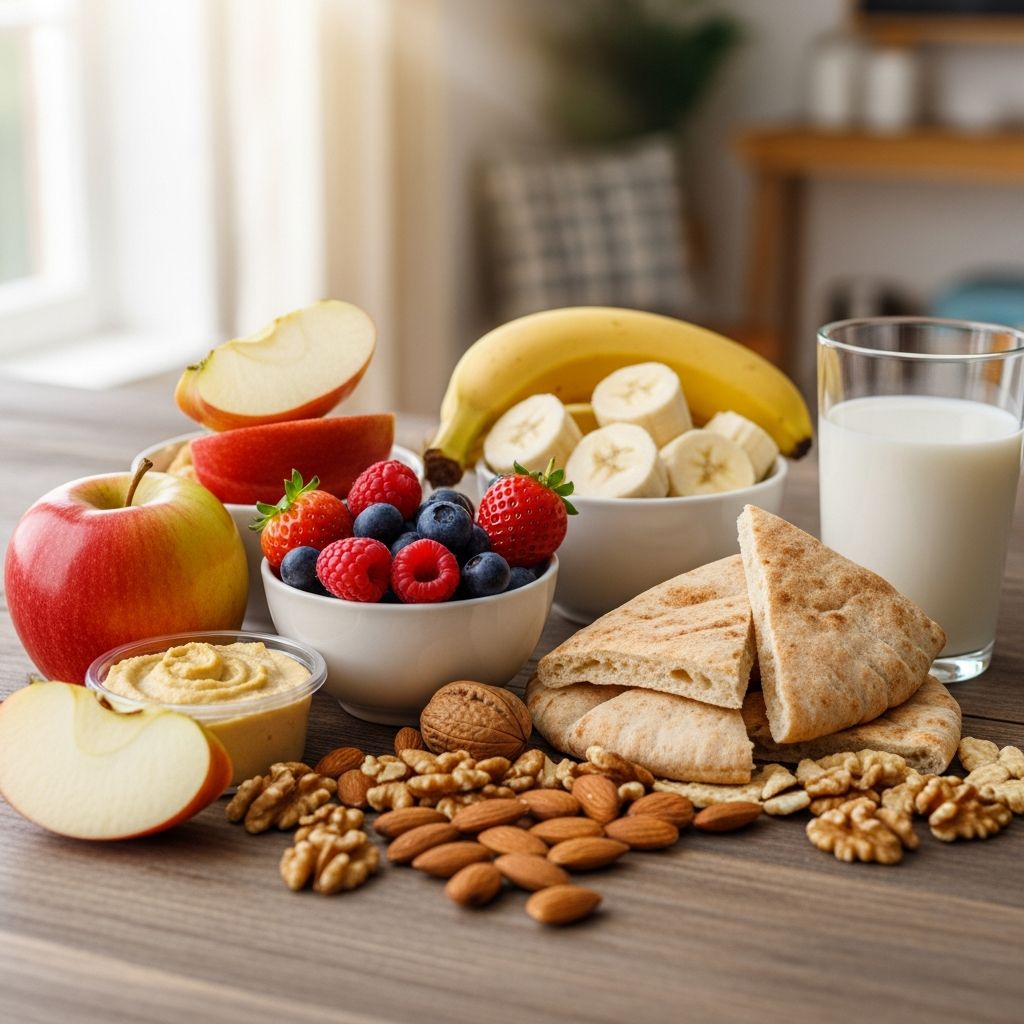
The most effective after-school snacks combine three macronutrient categories: carbohydrates for quick energy, protein for sustained fullness, and healthy fats for both satiety and nutrient absorption. This strategic pairing ensures children remain satisfied longer, supporting their ability to focus on academic tasks and participate in after-school activities without constant snacking.
Consider the difference between offering a child a banana alone versus a banana paired with peanut butter. The combination delivers carbohydrates from the fruit, protein and fat from the nut butter, and creates a more complete nutritional profile that sustains energy levels more effectively.
Fruit-Based Combinations That Children Enjoy
Fruits provide essential vitamins, minerals, and fiber while offering natural sweetness that appeals to children’s taste preferences. However, their impact improves dramatically when paired with complementary foods.
Effective Fruit Pairings
- Apple slices served with string cheese and whole grain crackers
- Berries combined with Greek yogurt and granola
- Sliced pears alongside cheese cubes
- Strawberries with a serving of nuts or seeds
- Dried fruit mixed with unsalted nuts for portable convenience
- Melon slices paired with cottage cheese for added protein
These combinations transform simple fruits into complete snacks. The fiber in fruit aids digestive health, while the added protein and fat components ensure the snack satisfies hunger for an extended period.
Vegetable-Based Options for Growing Bodies
Vegetables often face resistance from children who have limited exposure to varied textures and tastes. Strategic preparation and pairing dramatically increases vegetable consumption during snacking.
Vegetable Presentation Strategies
- Raw vegetables with hummus dip for protein and healthy fat enhancement
- Bell pepper strips paired with cheese for a crunchy, colorful option
- Cucumber slices with yogurt-based dip
- Baby carrots alongside ranch dip made from Greek yogurt
- Celery sticks with almond or peanut butter
- Edamame prepared with a light salt seasoning
Dips play a crucial role in vegetable acceptance. When paired with appealing dips, children consume vegetables more readily and benefit from the additional protein and nutrients these accompaniments provide.
Portable Preparation: Pre-Baked Options
Advance preparation transforms snack delivery from a rushed, last-minute scramble into a planned, nutritious offering. Homemade baked goods created on weekends provide grab-and-go options that contain known ingredients and superior nutritional profiles compared to commercial alternatives.
Muffin Variations Worth Preparing
Muffins represent the most versatile pre-baked option for after-school snacking. Unlike their dessert counterparts laden with added sugars, nutritious muffins incorporate vegetables, fruits, and protein sources within their structure.
- Banana muffins infused with cottage cheese for protein boost
- Carrot cake-style muffins combining grated vegetables with warming spices
- Chocolate muffins made with zucchini or sweet potato for hidden vegetables
- Peanut butter muffins paired with whole grains and ground flaxseed
- Blueberry muffins using oat flour for increased fiber content
- Spinach and cheese muffins for iron and calcium fortification
A batch of a dozen muffins prepared on Sunday provides snack options for the entire week. Unlike commercially produced muffins that often contain concerning quantities of added sugars and refined carbohydrates, homemade versions allow parents to control ingredient quality and nutritional balance.
Protein-Forward Snack Ideas
Protein serves multiple functions in children’s afternoon nutrition. It provides sustained energy, supports muscle development and recovery after physical activity, and contributes to satiety that prevents excessive snacking before dinner.
Convenient Protein Sources
- Hard-boiled eggs served with whole grain toast
- String cheese paired with fruit or vegetables
- Turkey or beef jerky offering portable, shelf-stable protein
- Greek yogurt topped with granola and fresh berries
- Cheese and crackers combining calcium and carbohydrates
- Homemade energy bites made with peanut butter, oats, and honey
- Quesadillas prepared with whole wheat tortillas and melted cheese
Many protein options require minimal preparation, making them ideal for families managing busy schedules. Some, like hard-boiled eggs prepared in bulk, can be stored for several days, enabling effortless snack assembly.
Beverage Options and Smoothie Strategies
Liquid nutrition offers an efficient method for delivering multiple food groups simultaneously. Smoothies can incorporate fruits, vegetables, protein powder, nut butters, and dairy or plant-based milk in a single serving.
Smoothie Formula for Success
Creating successful smoothies involves combining a liquid base (milk or juice), fruits or vegetables, a protein source, and optional healthy fat enhancement. This formula ensures balanced nutrition in a form children typically enjoy.
Flavor Combinations That Resonate
- Mango and kiwi with coconut milk and vanilla yogurt
- Banana and pear with almond butter and Greek yogurt
- Mint chocolate combination using black beans, cocoa, and banana
- Strawberry and spinach blend with nut butter
- Tropical mix incorporating pineapple, mango, and coconut
Smoothies prove particularly valuable on days when children resist solid foods or when time constraints limit snack preparation. When prepared with whole ingredients rather than flavored syrups or added sugars, smoothies deliver substantial nutritional value in a convenient format.
Creative Assembly and Presentation
Visual appeal influences children’s willingness to consume offered snacks. Thoughtfully assembled snack boxes that include varied colors, textures, and food groups encourage greater consumption than foods served carelessly on a plate.
Box Composition Strategy
Consider dividing snack boxes into sections, each dedicated to a food category. One section might contain a fruit selection, another offers vegetables, a third includes a protein component, and the final section presents a carbohydrate source. This visual organization makes the snack more appealing while ensuring balanced nutrition.
Seasonal Snack Adjustments
Seasonal availability influences both the varieties available and children’s preferences. Warmer months benefit from cool, refreshing options like frozen yogurt bark, popsicles made from Greek yogurt and fruit, or chilled fruit cups. Cooler months call for warm muffins, toasted bread with nut butter, or baked snacks that provide comfort alongside nutrition.
Managing Budget While Maintaining Quality
Quality nutrition doesn’t require expensive specialty ingredients. Strategic shopping and batch preparation reduce costs while improving nutritional outcomes compared to convenient packaged alternatives.
Cost-Effective Approaches
- Purchase fruits and vegetables in season for lower prices and superior flavor
- Buy protein sources like eggs and Greek yogurt in bulk quantities
- Prepare homemade versions of commercial products like energy bars and yogurt pouches
- Utilize frozen fruits and vegetables, which offer equivalent nutrition at lower cost
- Make muffins and energy bites in larger batches for weeklong availability
Homemade yogurt pouches exemplify this principle. While commercial options cost significantly per unit, homemade versions utilizing Greek yogurt and filling pouches reduces per-serving costs while providing superior nutritional quality.
Snacking Strategies for Various Schedules
After-school schedules vary considerably among families. Some children head directly home with an hour before dinner, while others participate in activities extending afternoon schedules. Snack selection and timing adjustments accommodate these variations.
Timing Considerations
- When dinner occurs within an hour, lighter snacks prevent excessive fullness interfering with meal consumption
- Longer gaps between school and dinner warrant more substantial, nutrient-dense options
- Activity-based afternoons benefit from snacks emphasizing carbohydrates and protein for energy and recovery
- Evening activity schedules may require portable snacks assembled in advance
Special Considerations and Adaptations
Children with specific dietary needs, allergies, or preferences require modified approaches while maintaining nutritional principles. Vegetarian children benefit from plant-based protein sources like beans, nuts, seeds, and legume-based products. Those with nut allergies utilize seeds, cheese, or legume-based alternatives. Children with dairy sensitivities find suitable options in dairy-free yogurts, seed-based butters, and alternative milk beverages.
Frequently Asked Questions
Q: How can I encourage my child to eat vegetables as snacks when they typically refuse them?
A: Pairing vegetables with appealing dips significantly increases consumption. Hummus, ranch yogurt dip, or even salsa provide flavor and texture that makes vegetables more acceptable. Additionally, involving children in snack preparation increases their willingness to consume the foods they helped create.
Q: Are store-bought snacks ever acceptable, or should all snacks be homemade?
A: Homemade options offer superior nutritional control, but busy families benefit from strategic use of commercial options. Prioritize whole ingredients when selecting packaged snacks, and read nutrition labels carefully. Combine commercial items with fresh foods to create balanced snacks when time constraints prevent homemade preparation.
Q: How much snack should I provide, and could large snacks interfere with dinner appetite?
A: Snack size depends on timing relative to dinner. A substantial snack provided an hour before dinner may reduce dinner consumption, while snacks offered immediately after school have minimal impact on evening meals. Generally, 100-200 calories provides appropriate satiation without excessive fullness.
Q: What’s the best approach for packing snacks when activities occur away from home?
A: Pre-assemble snack boxes the evening before, storing them in the refrigerator. Pair perishable items with insulated containers or cooler packs. Non-perishable options like nuts, dried fruit, and granola bars offer convenient alternatives for situations where refrigeration isn’t available.
Q: Can after-school snacks include treats, or should they be strictly healthy?
A: Balanced nutrition doesn’t require eliminating all treats. Occasionally including items like homemade cookies or frozen yogurt bark alongside nutritious components teaches healthy food relationships while maintaining overall dietary balance. The key is ensuring treats represent occasional choices rather than daily patterns.
References
- Nutrition for Children and Adolescents — American Academy of Pediatrics (AAP). 2024. https://www.healthychildren.org/English/ages-stages/school-age/nutrition/Pages/default.aspx
- Dietary Guidelines for Americans 2020-2025 — U.S. Department of Agriculture and U.S. Department of Health and Human Services. 2020. https://www.dietaryguidelines.gov/
- The Role of Protein in Child Development — Academy of Nutrition and Dietetics. 2023. https://www.eatright.org/
- Snacking Patterns Among School-Age Children — Journal of the Academy of Nutrition and Dietetics, vol. 119, no. 3. 2019. https://pubmed.ncbi.nlm.nih.gov/
- Childhood Obesity Prevention — Centers for Disease Control and Prevention (CDC). 2024. https://www.cdc.gov/obesity/childhood/index.html