Your head, face, and neck are super important parts of your body. They help you see, hear, talk, eat, and even smile! This guide explains all the cool terms in simple words, like a dictionary just for kids. We’ll break it down into sections so it’s easy to follow. You’ll learn about regions, bones, muscles, nerves, and more. By the end, you’ll be an expert on your own head!
Understanding the Main Regions of Your Head and Face
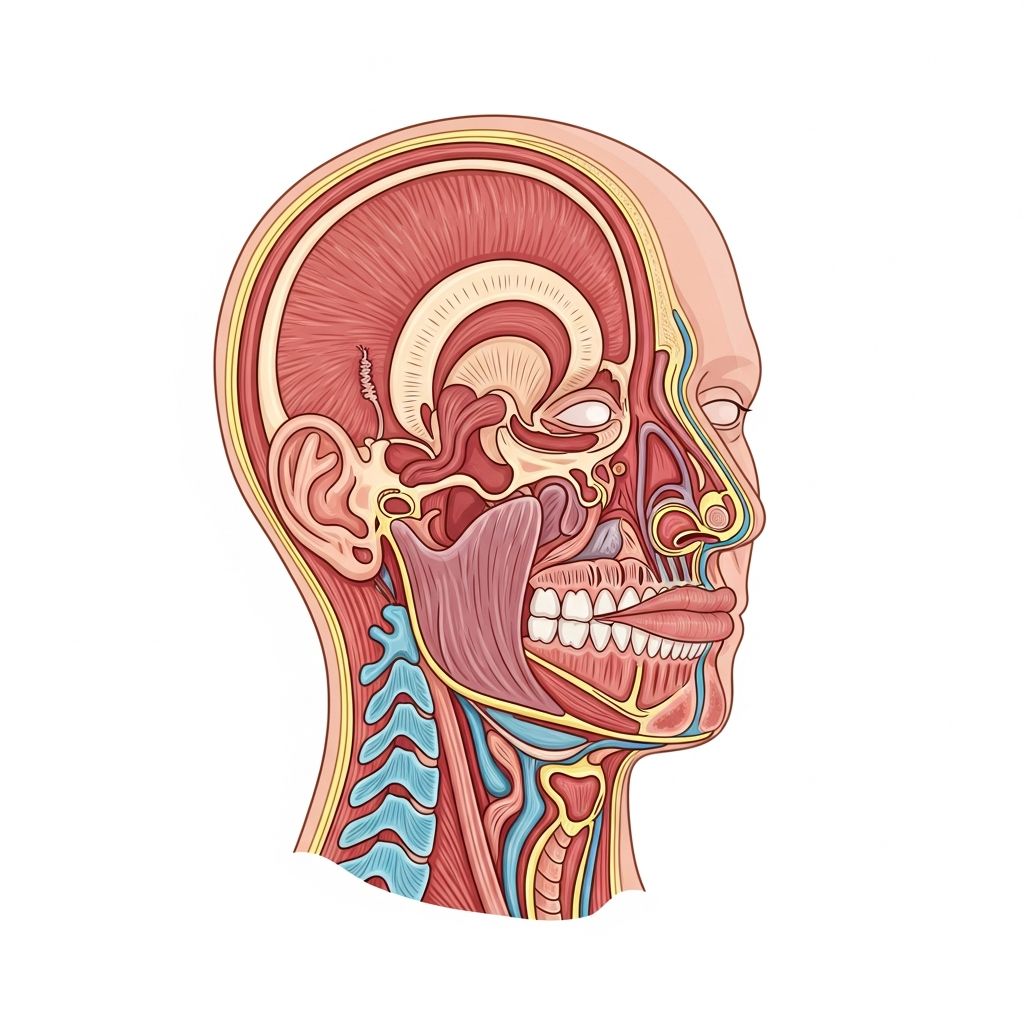
The head can be split into different areas, kind of like slices of a pizza. Experts divide it into 14 regions, with 8 on the face. These help doctors and dentists talk about where something hurts or where a bump is. The top part is called the neurocranial area (that’s the brain-protecting part), and the bottom is viscerocranial (the face part).
- Frontal region: That’s your forehead, right above your eyebrows. It’s where you get “unicorn bumps” if you fall!
- Parietal region: The top sides of your skull, under your hair. Great for resting your head on a pillow.
- Occipital region: The back of your head. It bumps if you nod too fast.
- Temporal region: Sides near your ears, including the chewing muscles. This area has the temporal fossa above and infratemporal below the cheekbone arch.
- Auricular region: Around your outer ear. “Auricular” comes from the word for ear!
- Mastoid region: Behind your ear, where a bumpy bone sticks out. It’s called mastoid because it looks like a breast shape.
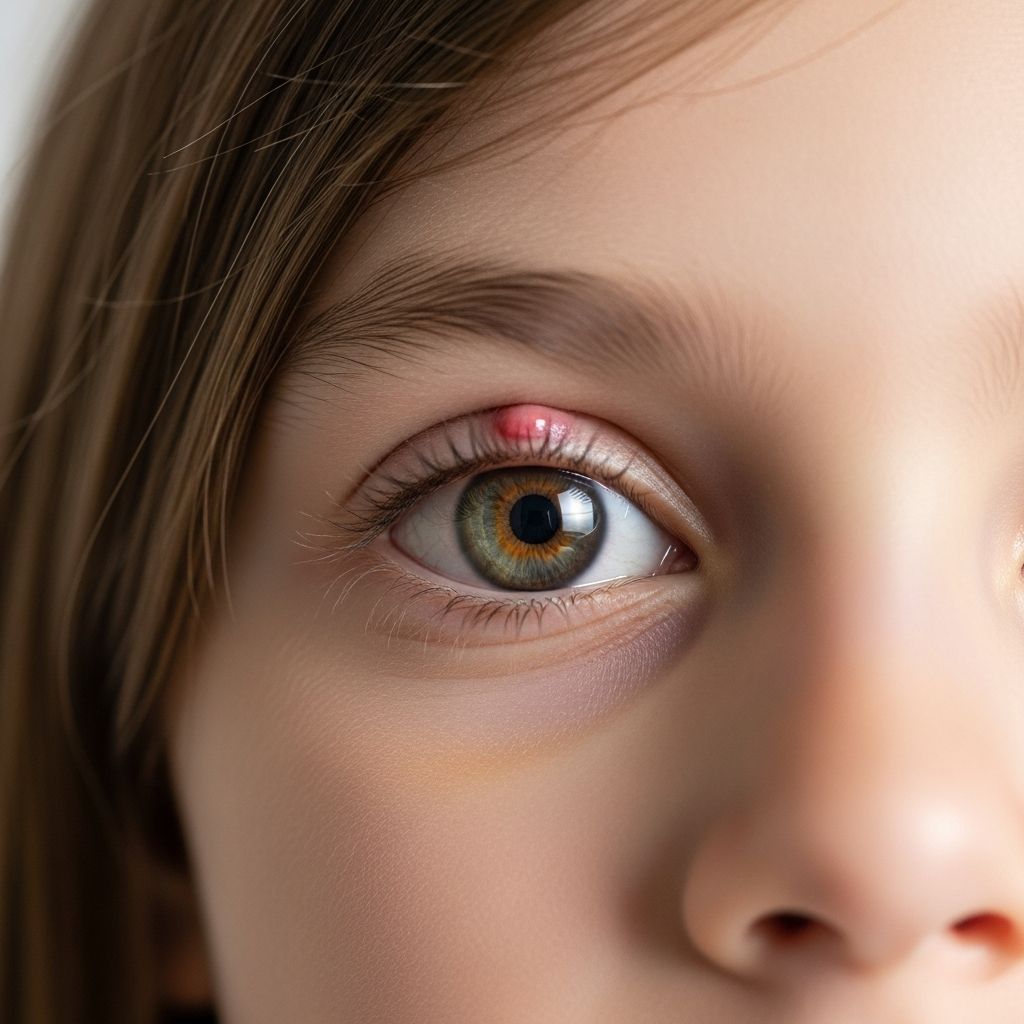
The face has fun zones too: orbital (around eyes), infraorbital (under eyes), buccal (cheeks), parotid (near jaw gland), zygomatic (cheekbones), nasal (nose), oral (mouth), and mental (chin).
Key Bones That Build Your Skull and Face
Bones are like the strong frame of a house for your head. The skull has cranial bones on top and facial ones below. Here’s a simple table of the main ones kids should know:
| Bone Name | Where It Is | What It Does |
|---|---|---|
| Frontal bone | Forehead and upper eye sockets | Holds your frontal sinuses (air pockets that can get stuffy when you’re sick). Forms the roof for your eyes and nose. |
| Parietal bones | Top and sides of skull | Two bones that meet in the middle. They protect your brain like a helmet. |
| Occipital bone | Back base of skull | Has a hole where your spinal cord connects. Great for head tilts! |
| Temporal bones | Sides near ears | House your ear bones and jaw joint. Super for hearing and chewing. |
| Zygomatic bones | Cheekbones | Give your face shape and protect eye sides. They make you look smiley! |
| Maxilla | Upper jaw | Holds top teeth and part of nose. Helps you bite apples. |
| Mandible | Lower jaw | The only moving skull bone! Lets you talk and eat. |
These bones grow with you until you’re about 20. Keep them strong with milk, veggies, and no rough play without helmets!
Muscles That Make Faces and Movements
Muscles are the movers and shakers. Facial muscles let you frown, wink, or grin. They sit right under your skin, no thick cover like other body muscles. Here are the stars:
- Occipitofrontalis: Raises your eyebrows and wrinkles your forehead when you’re surprised.
- Temporalis: Helps chew by pulling your jaw up. Feels tight if you grind teeth.
- Orbicularis oculi: Circles your eyes to squint or cry. Blinking 15 times a minute? That’s this muscle!
- Procerus: Pulls skin between eyebrows for that angry look.
- Nasalis: Wiggles your nose like a bunny.
- Buccinator: In your cheeks, pushes food around for chewing. Also helps whistle!
In the neck, muscles like sternocleidomastoid turn your head side to side. Stretch them gently to avoid stiff necks from gaming too long.
Nerves: The Body’s Electric Wires
Nerves carry messages like texts from your brain. The facial nerve (cranial nerve 7) is the boss for face muscles. It splits into branches: temporal (forehead), zygomatic (eyes/cheeks), buccal (cheeks), marginal mandibular (lip/chin), and cervical (neck).
Other nerves handle feeling: trigeminal nerve for face touch and pain. If it tingles, tell a grown-up—it could be from cavities or a bump. Eyes get optic nerve signals for sight, ears get hearing nerves. Protect them by wearing sunglasses and earplugs at loud concerts!
Blood Vessels and Lymph: Keepers of Flow
Arteries bring oxygen-rich blood. Facial artery feeds cheeks and lips; ophthalmic artery supplies eyes and forehead. Veins carry it back. Lymph nodes in neck (submental under chin, submandibular under jaw) fight germs. Swollen ones mean your body is battling a cold.
Fun fact: Your face drains to different nodes based on spot—nose to facial nodes, cheeks to submandibular. Right side goes to right duct, left to thoracic duct.
Neck Zones: From Chin to Shoulders
The neck has triangles for organizing: anterior (front) with submental, submandibular, carotid, muscular; posterior (back) with omoclavicular and occipital; sternocleidomastoid region; suboccipital at base. These help docs find lumps or sore throats.
Hyoid bone floats in your neck, anchors tongue. Thyroid gland below makes energy hormones. Feel it bob when you swallow!
Caring for Your Head, Face, and Neck
Daily tips: Brush teeth twice daily for oral health. Use sunscreen on face to block UV rays. Wear helmets biking. If pain or swelling hits temporal or neck areas, see a doctor—could be TMJ (jaw joint) issues or infections.
Eat calcium-rich foods for strong bones. Stay hydrated so muscles don’t cramp. Good posture prevents neck aches from phones!
Frequently Asked Questions (FAQs)
What is the buccal region?
The cheek area, full of muscles for chewing and smiling. It’s between your teeth and skin!
Why does my forehead have sinuses?
Frontal sinuses lighten your skull and warm air. They ache when congested from colds.
How many facial muscles do I have?
About 20 main ones for expressions. Babies use them to smile at 6 weeks!
What if my jaw clicks?
Could be TMJ from grinding or misalignment. Soft foods and dentist check help.
Are neck lumps normal?
Small ones fight infections, but big or hard ones need a doc visit.
Quick Glossary of Extra Terms
- Mental region: Your chin—named after Latin for chin!
- Parotid: Big saliva gland by ears. Swells with mumps.
- Infratemporal fossa: Deep space under cheekbone for chewing nerves.
- Crepitus: Crackly jaw sounds from rough cartilage.
References
- Head and neck: regions and anatomy — Kenhub. 2024. https://www.kenhub.com/en/library/anatomy/regions-of-the-head-and-neck
- Functional Anatomy of the Head and Jaw — Physiopedia. 2024. https://www.physio-pedia.com/Functional_Anatomy_of_the_Head_and_Jaw
- Anatomy, Head and Neck: Face — StatPearls, NCBI Bookshelf. 2023-10-01. https://www.ncbi.nlm.nih.gov/books/NBK551530/
- Elements of Morphology: Standard terminology for the head and face — National Organization for Rare Disorders. 2024-04. https://learn.rarediseases.org/wp-content/uploads/2024/04/Elements-of-Morphology-Head-and-Face-Allanson-2009.pdf
- Head and Neck Anatomy — eCampus Ontario. 2024. https://ecampusontario.pressbooks.pub/oralfacialonline/chapter/head-and-neck-anatomy/
- Head and neck region — AMBOSS. 2024. https://www.amboss.com/us/knowledge/head-and-neck-region/