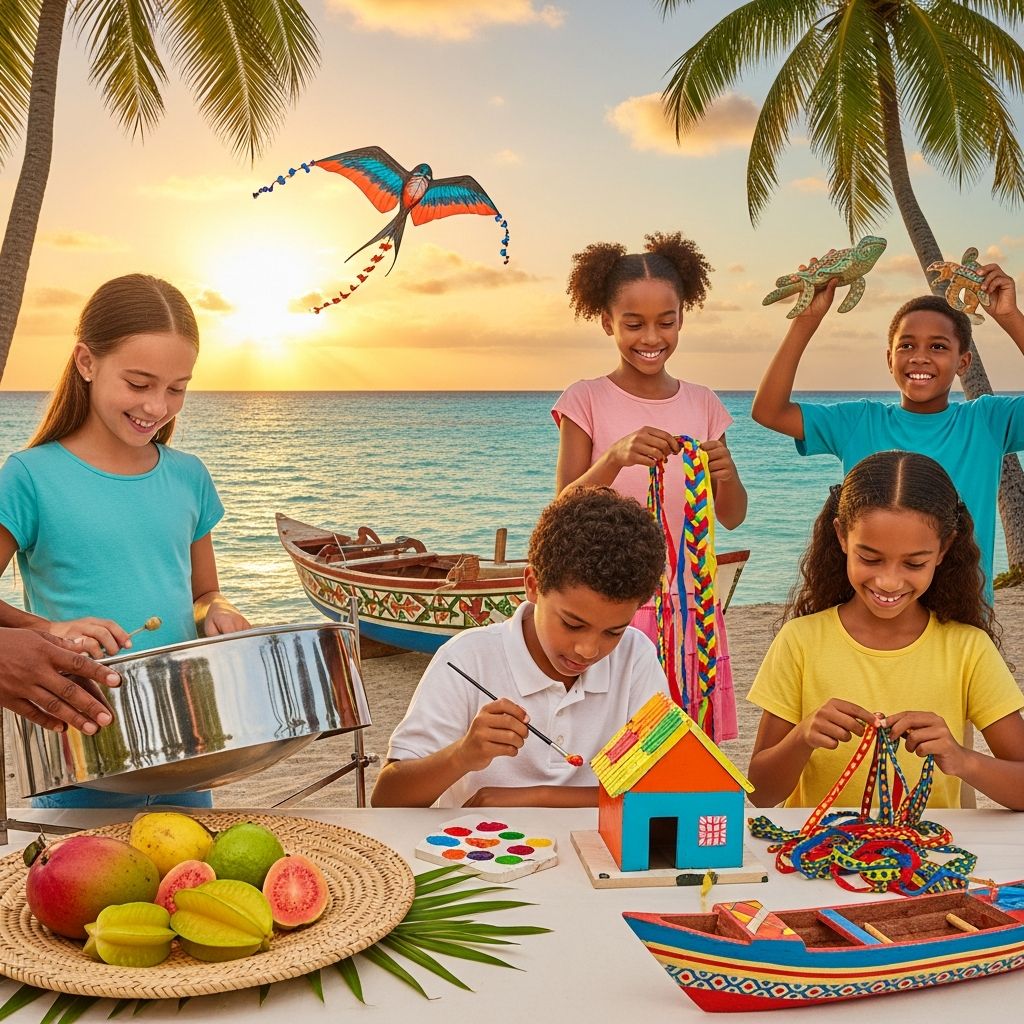
Instilling a deep appreciation for Caribbean roots in young minds creates a foundation of confidence and belonging. Parents play a pivotal role in weaving cultural threads into daily life, ensuring children embrace their heritage with enthusiasm. This approach not only preserves traditions but also equips kids with a unique worldview enriched by the islands’ vibrant diversity.
Understanding the Value of Cultural Roots
Caribbean heritage encompasses a mosaic of influences from Africa, Europe, Asia, and indigenous peoples, resulting in dynamic traditions that define regional identity. Exposing children to this richness helps them navigate modern challenges with resilience and pride. Research highlights how cultural education fosters emotional well-being and academic success by affirming personal narratives.
In regions like Trinidad and Tobago, integrating arts into primary curricula has shown transformative effects, sparking creativity and camaraderie among students. Similarly, celebrating heritage months through interactive activities builds inclusion and deepens understanding across diverse classrooms.
Daily Rituals to Spark Cultural Awareness
Incorporate simple home practices to make Caribbean culture a living part of family life. Start mornings with traditional breakfasts like ackee and saltfish from Jamaica or plantain porridge from Grenada, discussing their origins while eating. These moments turn meals into storytelling sessions, linking flavors to family histories.
- Rotate island-specific dishes weekly to explore variety, such as Trinidadian doubles or Haitian griot.
- Involve kids in preparation to teach skills and spark curiosity about recipes passed down generations.
- Pair meals with discussions on how ingredients reflect trade histories and agricultural ingenuity.
Bedtime routines can feature folktales from Caribbean oral traditions, like Anansi stories, which impart morals through clever animal characters. This practice not only aids language development but also instills values of wit and community.
Harnessing Music and Dance for Joyful Learning
Music pulses at the heart of Caribbean life, from calypso rhythms to reggae beats. Introduce children to these sounds through family dance sessions, mimicking Carnival vibes at home. Virtual resources offer follow-along tutorials for soca or quadrille dances, making learning accessible and fun.
Playlists curated by island—steelpan from Trinidad, mento from Jamaica—can accompany chores or car rides. Encourage kids to research artists like Bob Marley or Mighty Sparrow, discussing lyrics that address social issues and triumphs. Such engagement builds rhythm, coordination, and historical insight.
| Genre | Origin Island/Group | Key Benefits for Kids |
|---|---|---|
| Soca | Trinidad & Tobago | Energizes movement, teaches celebration |
| Reggae | Jamaica | Promotes peace, lyrical storytelling |
| Zouk | Martinique/Guadeloupe | Enhances partner dancing, social bonds |
| Calypso | Trinidad | Satirical humor, historical commentary |
Organize mini home concerts where children perform, fostering confidence and creativity akin to UNESCO-supported arts programs.
Literature and Stories as Identity Anchors
Books serve as portals to Caribbean worlds, offering authentic voices that resonate with young readers. Select titles depicting island adventures, like folktales from Grenada or Carnival tales from Saint Lucia, to ignite imagination.
Read-aloud sessions spark discussions on themes like resilience during hurricanes or community leadership. Create reading nooks with maps of the Caribbean, tracing character journeys across islands. This method integrates geography, ethics, and empathy seamlessly.
- *To Carnival!: A Celebration in Saint Lucia* – Explores festive traditions and costume design.
- *Plátanos Go with Everything* – Highlights Jamaican geography and survival stories.
- *The Selfish Crocodile* – Teaches kindness through folklore.
Encourage kids to write their own stories, blending personal experiences with cultural elements, thus personalizing heritage.
School and Community Engagement Strategies
Advocate for curriculum shifts that prioritize Caribbean content, such as folklore alongside sciences, to reflect societal strengths. Join or form parent groups pushing for heritage months with guest speakers from local restaurants or dancers.
Virtual field trips to museums simulate parades and art exhibits, immersing kids in traditions without travel. Attend cultural festivals, from Crop Over in Barbados to Junkanoo in the Bahamas, allowing hands-on participation in crafts and music.
Enroll in language classes for Creole dialects or Patois, connecting children to grandparents’ tongues. Community centers often host free workshops on puppetry or ring games, echoing innovative educational projects.
Travel and Virtual Explorations
Family trips to ancestral islands provide unparalleled immersion—visiting spice markets in Grenada or beaches in Barbados. Budget-friendly options include homestays with relatives, blending tourism with kinship.
When travel isn’t feasible, leverage online tours of historical sites like Brimstone Hill Fortress or virtual cooking classes. Apps with AR features let kids ‘visit’ islands, overlaying cultural facts on maps.
Modern Media and Technology Integration
Curate kid-friendly YouTube channels featuring Caribbean kids’ shows or animated folktales. Podcasts on island histories make commutes educational. Social media follows of cultural ambassadors keep content fresh and relatable.
Custom playlists and video compilations ensure safe, enriching screen time. Encourage kids to create TikToks of dances or recipes, sharing heritage digitally while gaining tech skills.
Overcoming Challenges in Cultural Transmission
Urban living or diaspora distances can dilute traditions, but intentionality counters this. Address peer pressures by framing Caribbean pride as a superpower—unique stories that set kids apart positively.
Partner with schools lacking diversity through book donations or guest presentations. Track progress with family journals noting new learnings, celebrating milestones like mastering a dance.
Frequently Asked Questions (FAQs)
What age is best to start cultural education?
Begin in infancy with lullabies and flavors; deepen with stories by age 4-5 when curiosity peaks.
How do I handle kids uninterested in heritage?
Make it interactive—tie to fun activities like cooking contests or dance parties to build intrinsic interest.
Are virtual activities as effective as in-person?
Yes, especially with follow-up discussions; they complement real experiences effectively.
Which books for tweens?
Titles like *Caribbean Connections* with poetry and histories suit older kids.
How to involve reluctant partners?
Share benefits like child confidence boosts; start small with shared meals.
Long-Term Benefits of Cultural Pride
Children raised with strong heritage ties exhibit higher self-esteem, better academic performance, and cultural ambassadorship. They become bridges between generations, preserving legacies while innovating traditions. Programs proving arts enhance learning underscore this impact.
Families who prioritize this see bonds strengthen, with kids eagerly sharing roots with peers. In a globalized world, this grounding empowers them to contribute uniquely.
References
- Caribbean education needs a cultural shift — The New Today Grenada. 2023-approx. https://www.thenewtodaygrenada.com/commentary/caribbean-education-needs-a-cultural-shift/
- 5 No-Prep Caribbean American Heritage Month Activities — The Compton Creative. 2023-approx. https://thecomptoncreative.com/caribbean-american-heritage-month-activities-elementary/
- Celebrating Caribbean American Heritage Month through Children’s Literature — The Core Collaborative. 2023-approx. https://thecorecollaborative.com/celebrating-caribbean-american-heritage-month-through-childrens-literature/
- Adventures at the Caribbean Museum | Virtual Field Trip — YouTube (KidVision PreK). 2023-approx. https://www.youtube.com/watch?v=IMCkYyXp5Dc
- Reimagining Learning: A Creative Caribbean Project — UNESCO. 2024-10-approx. https://www.unesco.org/en/articles/reimagining-learning-creative-caribbean-project-enhances-primary-education-trinidad-and-tobago
- 10 Ways to Keep Your Kids Connected to Caribbean Culture — Soca Mom. 2023-approx. https://socamom.com/w/10-ways-to-keep-your-kids-connected-to-caribbean-culture/
- Caribbean Connections — Teaching for Change. 2023-approx. https://www.teachingforchange.org/caribbean-connections