Seeing a baby or toddler bang their head on a crib, mattress, or even a wall can be frightening for parents, but the behavior is often far less alarming than it looks. In many children it is a temporary, self-soothing habit or a way to cope with big feelings, and it usually fades on its own as the child matures.
What Is Head-Banging in Young Children?
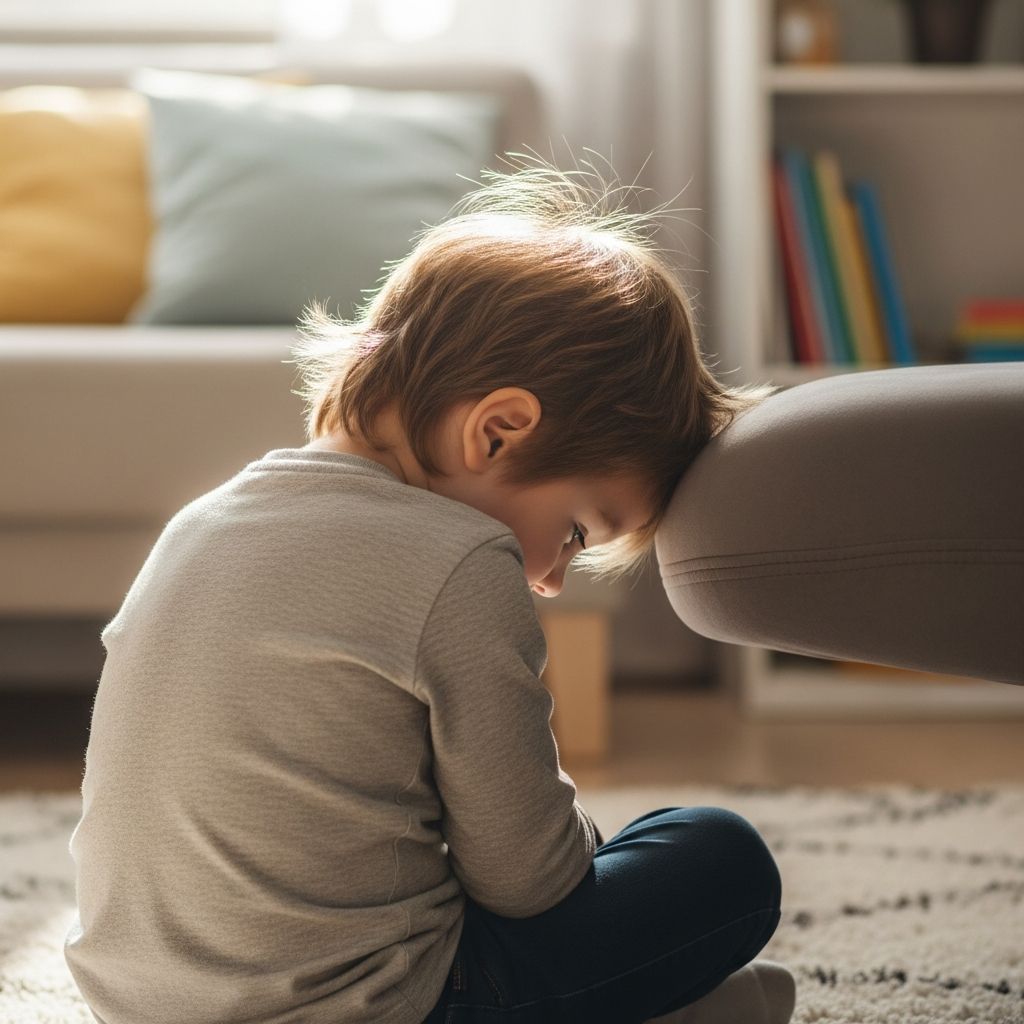
Head-banging in babies and toddlers is a repetitive behavior where a child rhythmically hits their head against a surface such as a mattress, crib rail, pillow, sofa, or sometimes the floor. It may appear before sleep, during a tantrum, or at random moments during the day.
- Movements are typically rhythmic and repetitive rather than chaotic.
- Many children combine head-banging with other soothing motions like rocking or humming.
- The behavior often clusters around naps and bedtime, or during emotional upsets.
While it can be startling to watch, most young children who bang their heads are not trying to seriously hurt themselves. Often they are exploring their bodies, sensations, and emotions in the only ways they know how at this age.
Why Do Some Children Bang Their Heads?
There is rarely a single cause for head-banging. Instead, several overlapping factors tend to contribute. Understanding these can help parents respond thoughtfully rather than out of fear or frustration.
Sensory Exploration and Self-Soothing
Many babies and toddlers crave rhythmic movement. Repeated motions such as rocking, bouncing, and gentle banging can be soothing to the developing nervous system. These actions provide predictable sensory input that helps some children calm their bodies.
- Repetitive movement can help a child wind down before sleep.
- The pressure and vibration from mild banging can feel comforting, much like being rocked.
- Some children seem to use these movements to organize or regulate their sensory experiences.
Managing Big Emotions
Toddlers often lack the words to explain how upset, tired, or overwhelmed they feel. Physical actions, including head-banging, can become an outlet when emotions boil over. This is especially common during tantrums or transitions.
- Head-banging may appear when a child is frustrated by limits, such as being told “no.”
- It can occur when a child is overtired and unable to settle.
- For some, the behavior becomes a habit whenever strong emotions arise, even if the original trigger is no longer present.
Communication and Attention
Young children quickly learn which behaviors get a strong reaction from adults. If head-banging consistently brings lots of attention, scolding, or frantic soothing, it may unintentionally become a go-to tool for getting a parent’s focus. This does not mean the child is “manipulative”; rather, they have discovered what reliably changes the situation.
- If a child lacks words or gestures, intense behaviors can serve as “megaphones” for their needs.
- Head-banging sometimes surfaces when a child wants something and does not yet know another way to ask.
- Over time, the behavior can become part of a learned pattern around conflict or frustration.
Physical Discomfort or Pain
Occasionally, children bang their heads in response to physical discomfort. They may not be able to explain that their ear hurts or that their gums are painful from teething, so they rely on movement and pressure sensations instead.
- Ear infections, teething, headaches, or sinus pressure can sometimes increase head-banging behavior.
- Banging may briefly distract from or override the discomfort.
- Any sudden increase in frequency, especially alongside other signs of illness, should prompt a conversation with a pediatrician.
Developmental and Neurological Factors
Repetitive movements, including head-banging, can occasionally be linked to broader developmental or neurological differences. In these situations, the behavior may be more persistent, intense, or occur alongside other signs such as delayed speech or limited social engagement.
- Some children with developmental delays or sensory processing differences show more frequent rhythmic behaviors.
- When head-banging is combined with other concerning signs, professional evaluation is important.
- Most children who bang their heads do not ultimately have a serious neurological condition, but it is worth checking if parents are worried.
Typical Patterns: What Is Usually Normal?
Although every child is unique, there are some patterns that are often considered part of normal development. These can reassure caregivers that what they are seeing, while unsettling, is not uncommon.
| Feature | Typical Pattern |
|---|---|
| Age of onset | Often starts between 6 and 18 months. |
| Timing | More common at bedtime, naptime, or during tantrums. |
| Frequency | Occasional episodes or brief clusters of nights. |
| Intensity | Child may leave mild redness but rarely serious injuries. |
| Duration over months | Often decreases on its own as language and self-control improve. |
In many families, head-banging appears for a period of months, shifts in frequency, and then fades completely without any specific treatment. As children gain better communication skills and more mature ways to cope with stress, the need for such intense physical strategies usually declines.
Red Flags: When to Seek Professional Help
Although head-banging is often harmless and temporary, certain patterns deserve prompt attention from a healthcare professional. These warning signs suggest that the behavior might be part of a bigger concern or pose a higher risk of injury.
- Head-banging is so forceful that it leads to repeated bruises, cuts, or other visible injuries.
- The child seems unusually disconnected, unresponsive, or “in a trance” during episodes.
- Movements occur many times every day or last for long stretches without the child being able to stop.
- There are other developmental concerns, such as no babbling or words by expected ages, poor eye contact, or loss of previously acquired skills.
- Head-banging appears suddenly and intensely following an illness, fall, or head injury.
Parents do not need to wait for every red flag to appear before asking for help. If the behavior worries caregivers, feels out of control, or interferes with sleep and family life, discussing it with a pediatrician or child development specialist is reasonable and wise.
How Parents Can Respond Calmly and Safely
One of the most powerful tools parents have is a calm, predictable response. Children are very sensitive to adult reactions; panicked or highly emotional responses can sometimes intensify the behavior. The goal is to protect the child from harm while sending the message that they are safe and supported.
Step 1: Make the Environment Safer
Before focusing on the behavior itself, reduce the risk of physical injury by adjusting the child’s surroundings. Simple changes can lower the chance of serious harm even if the behavior continues for a while.
- Ensure that the crib or bed is sturdy and that there are no sharp edges or loose screws.
- If the child bangs on walls or crib rails, consider using appropriately secured padding designed for children’s rooms.
- Keep heavy furniture away from areas where the child frequently plays or throws tantrums.
- Avoid soft objects that could pose a suffocation risk; always prioritize safe sleep practices when making adjustments in a crib.
Step 2: Stay Calm and Neutral
It is natural to want to rush in with dramatic reactions, but this can unintentionally reinforce the behavior. Instead, keep your voice steady and your body language relaxed, even if you are worried inside.
- Use simple, calm phrases such as “I see you’re upset; I’m here” rather than long lectures.
- Avoid shouting, grabbing, or showing visible panic if possible.
- Offer gentle physical support if the child allows it, such as placing a hand on their back to steady them away from hard surfaces.
Step 3: Teach Alternative Ways to Cope
Over time, children can learn safer, more effective ways to express feelings and calm themselves. These skills do not appear overnight, but repeated practice during calm moments builds a foundation for change.
- Introduce simple emotion words such as “mad,” “sad,” or “tired,” and model using them yourself.
- Teach basic calming tools: deep belly breaths, squeezing a pillow, hugging a stuffed animal, or stamping feet on a soft surface instead of banging the head.
- Practice these strategies during playtime, not only in the middle of meltdowns, so they feel familiar.
Supporting Better Sleep When Head-Banging Happens at Night
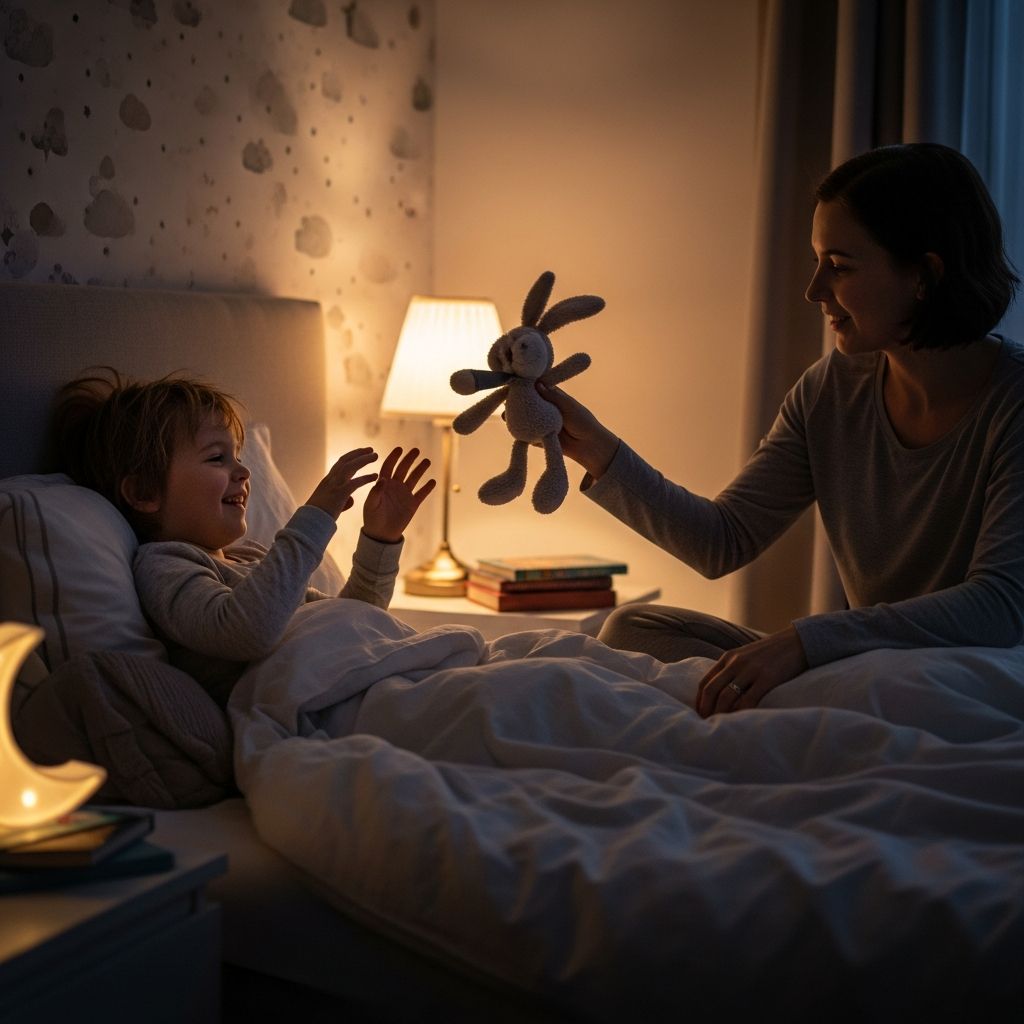
Many parents notice head-banging most often at bedtime or during the night. In these cases, improving sleep routines and environment can reduce how often episodes occur and how long they last. A predictable winding-down pattern helps the child’s body and brain shift into rest mode more smoothly.
- Establish a consistent bedtime routine that might include a bath, quiet play, stories, and dim lights.
- Limit stimulating activities such as active play or bright screens in the hour before bed.
- Offer alternative soothing options, like soft music, white noise, or a favorite blanket that meets safety guidelines for the child’s age.
- Respond briefly and consistently during nighttime episodes, reassuring the child without turning it into a prolonged interaction.
In many cases, simply improving sleep habits and keeping responses calm leads to a gradual decline in nighttime head-banging.
Working With Professionals
If parents remain worried after making environmental changes and offering new coping tools, or if red flags are present, professional help can bring clarity and relief. Different specialists may be involved depending on the child’s specific situation.
- Pediatrician: Can check growth, do a physical exam, look for signs of pain or illness, and decide if further testing is needed.
- Developmental or behavioral specialist: Can evaluate language, motor skills, social interactions, and emotional regulation.
- Child psychologist or therapist: May help families design behavior plans, teach coping skills, and support parents in responding consistently.
Parents should feel empowered to bring detailed observations to these visits, including when the behavior occurs, how long it lasts, and what seems to trigger or ease it. Keeping a simple log for a week or two can reveal patterns that are not obvious in the moment.
Practical Tips at a Glance
| Goal | What Parents Can Try |
|---|---|
| Reduce injury risk | Check crib and play areas for hard edges; add safe padding where appropriate; keep floors clear of hazards. |
| Lower emotional intensity | Respond in a calm voice; keep words brief; stay near but avoid dramatic reactions. |
| Build new habits | Teach and practice alternative calming activities such as deep breathing, hugging a toy, or rocking in a chair. |
| Improve sleep | Create a consistent bedtime routine; avoid over-stimulation before sleep; keep the sleep space quiet and dim. |
| Know when to get help | Contact a professional if there are injuries, developmental concerns, or sudden changes in behavior. |
Frequently Asked Questions (FAQs)
Is my child hurting their brain by banging their head?
In most cases, young children instinctively regulate how hard they bang and choose surfaces that cushion the impact, such as mattresses or pillows. Serious injury from typical head-banging behavior is uncommon, especially when parents have made the environment safer. If a child is repeatedly injuring themselves or the force appears extremely strong, a medical evaluation is important.
Will head-banging cause long-term problems?
For most children, head-banging is a temporary phase that resolves as they gain better language, self-control, and coping skills. Once the behavior fades, it usually does not leave lasting physical or emotional effects. Long-term concerns are more likely when the behavior is part of a broader developmental or neurological issue, which is why monitoring and professional input are valuable if other warning signs are present.
Should I ignore the behavior completely?
Ignoring the behavior itself can help prevent it from becoming a powerful attention-getting tool, but ignoring the child’s underlying needs is not the goal. Parents can stay nearby, ensure safety, and offer calm reassurance without giving dramatic reactions to the banging. Over time, focus should shift toward praising and reinforcing safer ways of coping rather than the head-banging episodes.
Is head-banging always a sign of autism or another disorder?
No. Many children who bang their heads are otherwise developing typically and eventually outgrow the behavior. Head-banging on its own is not enough to diagnose any condition. Concerns are highest when the behavior appears together with other signs such as limited social interaction, delayed language, or repetitive behaviors that dominate the child’s day, in which case an evaluation is recommended.
What can I do right now to feel less anxious about it?
Parents can start by checking the child’s environment for safety, setting up a simple bedtime routine, and practicing calm responses during minor upsets. Talking with a trusted healthcare provider can also reduce anxiety by providing tailored guidance and reassurance. Remember that feeling unsettled by the behavior does not mean anything is wrong with the parent; it simply shows how deeply they care about their child’s well-being.
With time, consistent support, and appropriate monitoring, most families find that head-banging gradually fades into the background of early childhood—one of many intense but temporary phases on the path toward growing up.