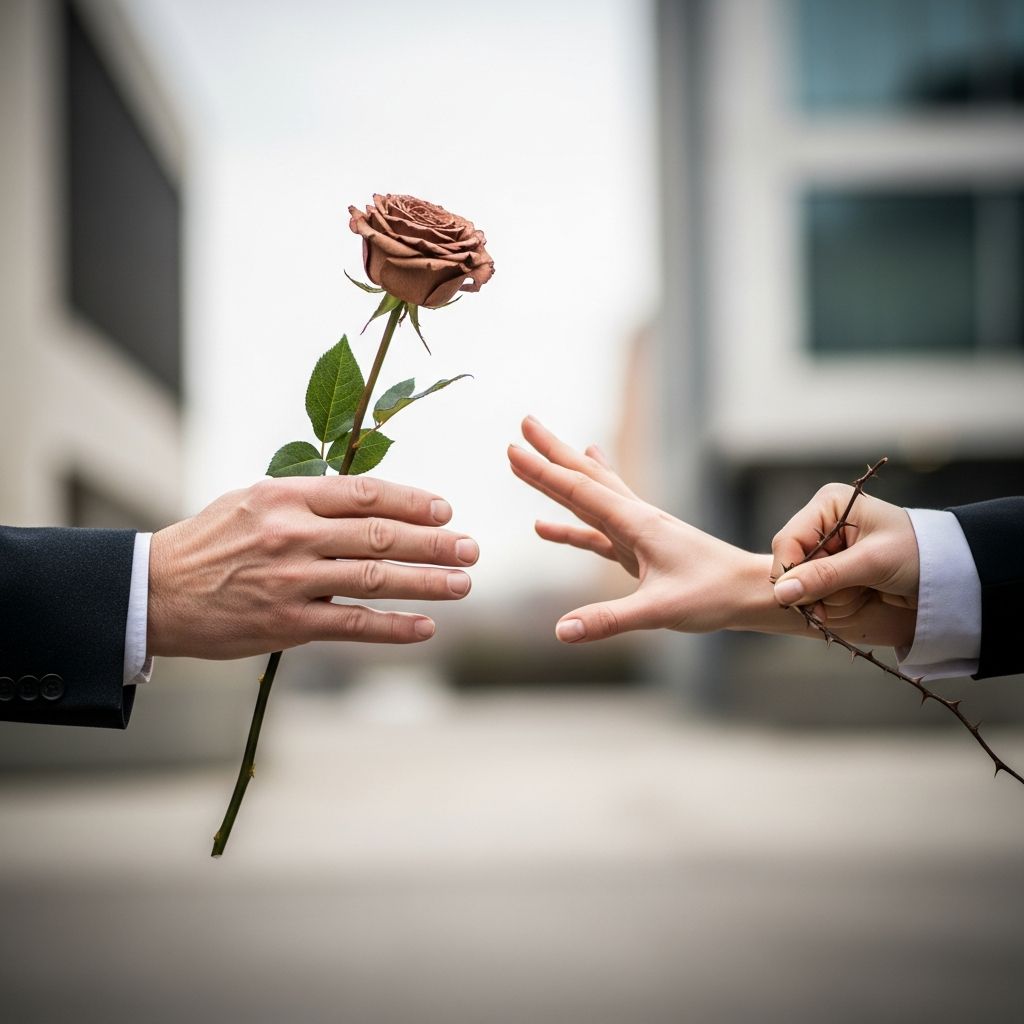
For generations, people have asked whether modern feminism has quietly buried chivalry and good manners. Some blame gender equality for the disappearance of door-holding, pulled-out chairs, and coat-offering gestures. Others argue that these rituals were never just about kindness—they were also about power. This article unpacks the tension between feminism, chivalry, and everyday manners, and offers a path forward that keeps respect while leaving outdated expectations behind.
From Knights to Coffee Dates: What We Really Mean by Chivalry
Chivalry once referred to a strict medieval code for knights involving bravery, loyalty, and protection of the vulnerable. Over time, that grand idea shrank into a set of small rituals, especially in heterosexual dating: men paying for dinner, standing when a woman enters, or walking on the street side of the sidewalk. Today, when people say “chivalry is dead,” they usually mean, “Men don’t perform these gendered niceties like they used to.”
What often gets lost is that those customs grew out of a world where women had fewer legal rights, less physical safety, and limited access to money and work. The behaviors may look sweet on the surface, but they also implied that women needed protection and that men were the default leaders and providers. That history explains why many feminists are wary of romanticizing traditional chivalry without questioning its roots.
Feminism’s Core Question: Equality or Special Treatment?
At its core, feminism asks a simple question: should people of all genders have the same legal rights, opportunities, and social freedoms? If the answer is yes, then customs that treat one gender as naturally fragile or dependent start to feel uncomfortable. What once looked like kindness can now feel like a reminder of old hierarchies.
That does not mean feminists want a colder, less generous world. The tension is not between respect and rudeness, but between respect and pedestal-placing. When a man automatically insists on paying for dinner or refuses to let a woman carry her own bag, he may think he is being thoughtful, while she may feel her competence is being quietly dismissed.
What People Usually Mean When They Say “Chivalry Is Dead”
When someone laments the loss of chivalry, they are often reacting to broader cultural shifts rather than one specific behavior. Under that complaint, there may be several overlapping worries.
- A fear that basic politeness is fading from public life, especially in crowded cities and online spaces.
- Confusion about dating scripts in an era when both partners can initiate, earn, and decide.
- Nostalgia for a more structured, predictable social world where everyone “knew the rules.”
- Discomfort with negotiating consent, power, and money openly rather than following silent traditions.
In this sense, “chivalry is dead” can be a shorthand for “I miss clear roles and visible gestures.” That feeling is real, but it does not prove that feminism killed kindness. It may simply mean we have not finished building new, shared expectations that fit an equal world.
A New Framework: From Gendered Chivalry to Mutual Courtesy
Instead of asking whether men should still open doors for women, a more useful question is: what does everyday respect look like when nobody is automatically cast as the protector or the protected? That shift reframes the whole debate.
In a mutual-courtesy model, the same basic standard applies to everyone: be attentive to others, notice their comfort, and offer help when it is welcome. Gender is not the deciding factor. The point is not to erase kind gestures but to detach them from the assumption that one group is naturally weaker or more deserving of special treatment.
Everyday Examples of Mutual Courtesy
- Holding a door for whoever is behind you, regardless of gender or age.
- Offering your seat on public transportation to someone who seems tired, pregnant, elderly, or unwell.
- Checking in with a simple, “Would you like help with that?” instead of assuming.
- Splitting or alternating the bill on dates unless one person clearly offers and the other enthusiastically agrees.
- Noticing who is doing invisible emotional or household labor and sharing it fairly.
Is It Still Okay to Like Traditional Gestures?
Many people genuinely enjoy some old-fashioned gestures. They like having a door opened for them, or feel cherished when their partner walks them home at night. Enjoying those moments does not make anyone less feminist. The key issue is whether the gesture is offered as a gift or imposed as a rule.
A helpful test is this: remove gender from the scenario. If a behavior still feels like simple kindness when any person does it for any other person, it likely belongs in the new, more equal version of chivalry. If it feels odd or unnecessary without the old gender script, it may be time to renegotiate or retire it.
How Modern Couples Can Redefine Manners Together
Romantic relationships are one of the most visible arenas where these questions show up. Who asks whom out? Who pays? Who plans the date, drives the car, or proposes marriage? In a world shaped by feminism, there is no single correct answer—only what works for a particular couple.
| Situation | Traditional Chivalry Response | Mutual-Respect Response |
|---|---|---|
| Asking for a first date | Man is expected to initiate. | Either person can initiate; interest and comfort guide the decision. |
| Paying the bill | Man is expected to pay, especially at the beginning. | Partners discuss preferences; they may split, alternate, or tailor to income differences. |
| Walking at night | Man walks woman home to “protect” her. | Partners check in about safety and comfort; whoever feels safer or has the car may accompany the other. |
| Acts of care | Man shows care through big gestures and financial provision. | Both partners show care through listening, consistency, emotional support, and shared responsibilities. |
| Proposals and milestones | Man is expected to propose and define relationship milestones. | Partners discuss timelines, and either one may propose or suggest next steps. |
This kind of open negotiation can feel awkward at first, especially for people raised on movies where every step of the romance script is pre-written. Over time, though, clarity tends to feel more secure than guessing which invisible rule applies. The new etiquette asks both people to speak, listen, and adjust rather than silently performing roles.
Raising Kids Who Value Respect Over Roles
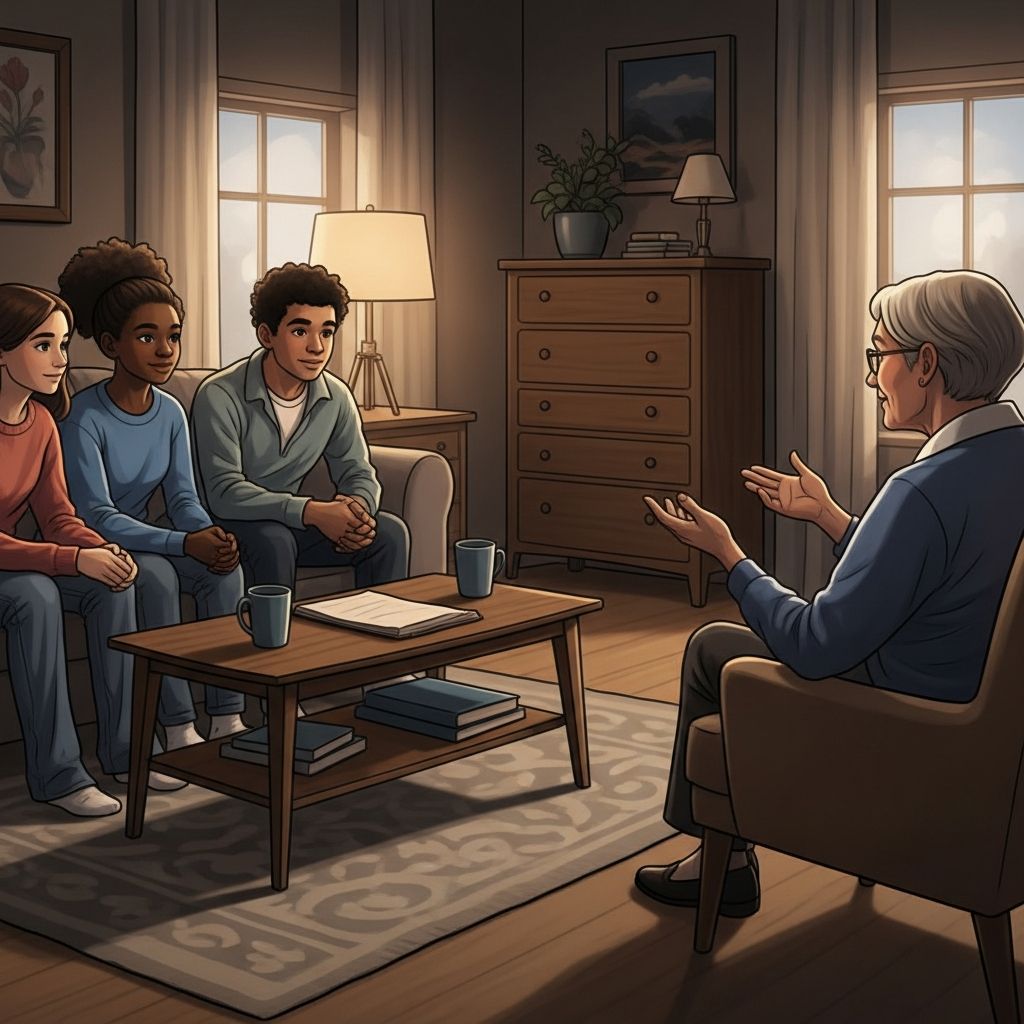
Parents sit at the crossroads of tradition and change. Many grew up with clear gender expectations, yet they want their children to move in a freer, more equal world. The home becomes the first place kids learn what respect looks like—with or without the word “chivalry.”
Practical Ways to Teach Modern Manners
- Teach universal politeness: “Please,” “thank you,” eye contact, and listening are for everyone, not just for boys around girls or girls around adults.
- Share chores fairly: Let sons and daughters cook, clean, fix, and care. Avoid assigning tasks purely by gender.
- Model asking, not assuming: Say, “Can I help you carry that?” instead of, “Give that to your brother; he’ll carry it.”
- Normalize boundaries: Encourage children to say when they are uncomfortable and to respect others’ “no,” whether about hugging, teasing, or sharing.
- Praise kindness, not stereotypes: Compliment children on being thoughtful, reliable, or brave, rather than only on looks or toughness.
The Emotional Side: Why the Loss of Old Scripts Can Hurt
It is easy to treat this topic as a purely intellectual debate, but for many people, it touches deep feelings. Someone who grew up being told that a “good man” always pays and protects may feel personally criticized when those rules are questioned. Someone who risked a lot to reject those norms may feel frustrated when others romanticize them.
Recognizing that both perspectives carry emotion can soften the conversation. The goal is not to shame people who enjoy certain rituals or to declare all traditions worthless. The aim is to keep the warmth of thoughtfulness while letting go of the idea that one gender owes the other a scripted performance.
What We Gain When Chivalry Evolves
When courtesy is divorced from gender hierarchy, something important happens: everyone gets to be both caring and cared for. Men are no longer pressured to be tireless protectors and providers to prove their worth. Women are no longer expected to be gracious recipients of help they may not actually want or need.
In this more flexible model, people can:
- Offer help without assuming helplessness.
- Receive kindness without feeling indebted or diminished.
- Ask directly for what they need rather than hoping tradition will guess correctly.
- Build relationships on shared responsibility instead of quiet resentment about unspoken roles.
Quick Guide: Do’s and Don’ts for Modern “Chivalry”
For anyone wondering how to act in daily life without stepping on toes, these simple guidelines can help turn confusion into confident courtesy.
- Do be generous with small kindnesses—holding doors, offering help, and saying thank you.
- Do pay attention to individual preferences rather than assuming what someone should like based on gender.
- Do talk openly about money, safety, and expectations in dating and partnership.
- Don’t insist on a gesture if the other person clearly declines or seems uncomfortable.
- Don’t use chivalry as a trade—kindness is not a down payment on affection or access.
- Don’t shame people for wanting or not wanting traditional gestures; focus on consent and respect.
FAQs About Feminism, Manners, and Chivalry
1. Has feminism really killed chivalry?
Feminism has not killed kindness, but it has challenged gender-specific expectations wrapped inside traditional chivalry. Many of the old rituals are being replaced by a more gender-neutral version of courtesy where everyone is expected to be considerate, not just men. What some call the “death” of chivalry is often just its transformation into a more mutual, less hierarchical form.
2. Can someone be feminist and still appreciate old-fashioned gestures?
Yes. Enjoying a gesture like a pulled-out chair or a paid dinner does not automatically conflict with feminist values. The important questions are whether the gesture is freely chosen, whether both people feel respected, and whether the expectation runs in only one direction. When both partners can give and receive care, preference and equality can comfortably coexist.
3. What should parents tell their sons about being “gentlemen”?
Parents can redefine “gentleman” to mean someone who is respectful, reliable, empathetic, and honest, rather than someone who simply performs a few gendered rituals. Teaching boys to listen, ask for consent, share work fairly, and show kindness to everyone prepares them better for modern relationships than any list of old-fashioned rules.
4. How can daughters navigate offers of chivalry without feeling rude?
Daughters can be encouraged to notice their own comfort and respond accordingly. They might accept a gesture with a simple “thank you” when it feels good, or say, “I’ve got it, but thanks for offering,” when it does not. Practicing clear, polite responses helps them set boundaries while still acknowledging goodwill.
5. Is it wrong to miss traditional roles?
Missing the predictability of traditional roles is a very human response to change. Nostalgia by itself is not harmful. Problems arise only when longing for the past turns into pressure on others to follow scripts that limit their freedom or safety. It is possible to honor parts of that past—like visible kindness and reliability—while letting go of the parts that kept some people small.
Moving Forward: Keeping Courtesy, Letting Go of Hierarchy
The real question is not whether feminism has killed chivalry, but whether society is willing to trade a narrow, gendered code of conduct for a broader culture of mutual respect. That trade can feel unfamiliar at first, especially to those who found comfort or identity in the old rules. Over time, though, most people discover that being treated as an equal is far more satisfying than being placed on a pedestal or handed a script.
In homes, on dates, at school, and in public spaces, the goal is the same: to make kindness a shared responsibility rather than a performance tied to one gender. If that is what it means for chivalry to grow up, then its evolution may be less a death and more a long-overdue coming of age.